

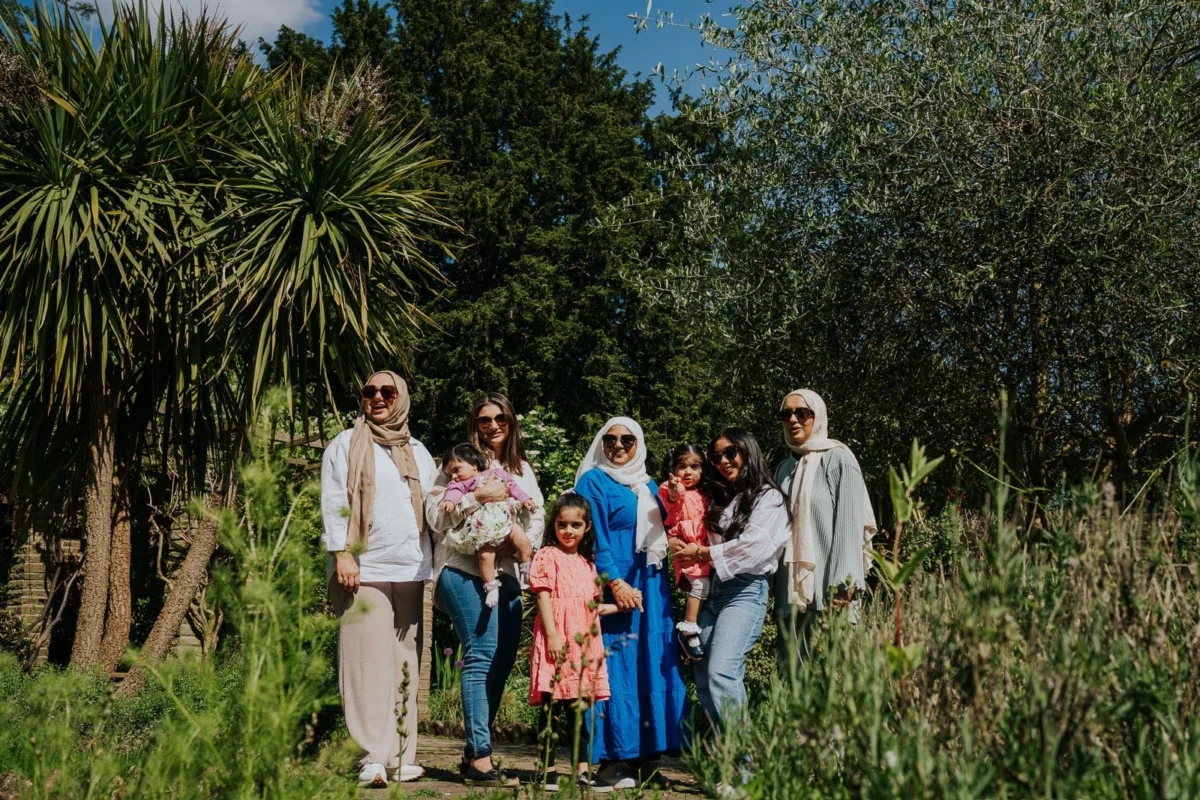
Zarina Ayyub, a dedicated doula and breastfeeding peer supporter from Tooting, London, stands as a testament to resilience and unwavering commitment, having transformed her profoundly challenging personal breastfeeding experiences into a powerful force for community advocacy. Her journey, spanning over three decades and five children, illuminates the significant cultural, societal, and institutional barriers faced by South Asian women in the United Kingdom when seeking to breastfeed, while simultaneously forging a path towards greater understanding and support within her community.
Early Life and Formative Influences
Born in Birmingham, Zarina’s narrative is intrinsically linked to her mother’s own pioneering arrival in England from Pakistan in the late 1960s. Her mother, among the first of the Asian community to have children in the UK, encountered a deeply unsupportive environment regarding breastfeeding. Living with her in-laws, traditional family structures often dictated a different set of priorities and norms. In the hospital, her mother was reportedly given formula and medication to suppress lactation—a practice that was common in the mid-20th century, reflecting a period when formula feeding was heavily promoted by medical institutions. This traumatic experience, where she "winced whenever she tried to feed him" and felt her baby was "never full," left an indelible mark, leading her to advise Zarina against breastfeeding years later. The cultural context also played a significant role; in India, colostrum, the nutrient-rich "first milk," was often misconstrued as "dirty," with new mothers instead encouraged to give infants concoctions of cooled boiled water with fennel and other seeds to aid meconium clearance. Such deeply ingrained beliefs and the lack of informed support created a hostile environment for natural infant feeding.
A Challenging Initiation into Motherhood
Zarina’s own entry into motherhood at the age of 20 was fraught with similar, if not intensified, difficulties. Her first baby, born on November 3rd, weighing a tiny 4 lbs 13 oz due to a poorly functioning placenta, was immediately taken to a special nursery and fed formula by tube. Zarina herself was isolated, placed in a room alone, and received no explanation or choices regarding her baby’s feeding or her own engorged breasts. This lack of information extended to fundamental aspects of breastfeeding, such as the importance of colostrum or the technique of hand expressing. "I was scared even to hold her," Zarina recalls, reflecting the systemic failure to provide vital support and education to new mothers, particularly young ones, during a critical period. Her mother’s repeated advice to "not ask questions" and "trust them" echoed her own past submission to medical authority, further reinforcing Zarina’s sense of helplessness. These initial memories remain a source of pain for Zarina, underscoring the long-term psychological impact of unsupported birth and postnatal experiences.
When her daughter was finally brought to her on day three, Zarina was severely engorged. Despite her mother’s urging to take milk-drying pills, Zarina instinctively resisted. The ensuing attempts to latch her tiny baby onto her "big and hard, and felt heavy like bricks" breasts were agonizing. A midwife’s forceful intervention, grasping her breast and "forcing my baby onto me," resulted in profound distress and tears, solidifying the traumatic start to her breastfeeding journey.
Navigating Cultural Expectations and Societal Norms
Upon returning home around day five or six, Zarina faced further challenges. Her nipples were sore, cracked, and bleeding, leading to a night of collective tears with her husband. The practical difficulties of accessing support were evident in her husband’s desperate search for a hand pump and a suitable dummy in Birmingham, a city less accustomed to late-night shopping than his native London.
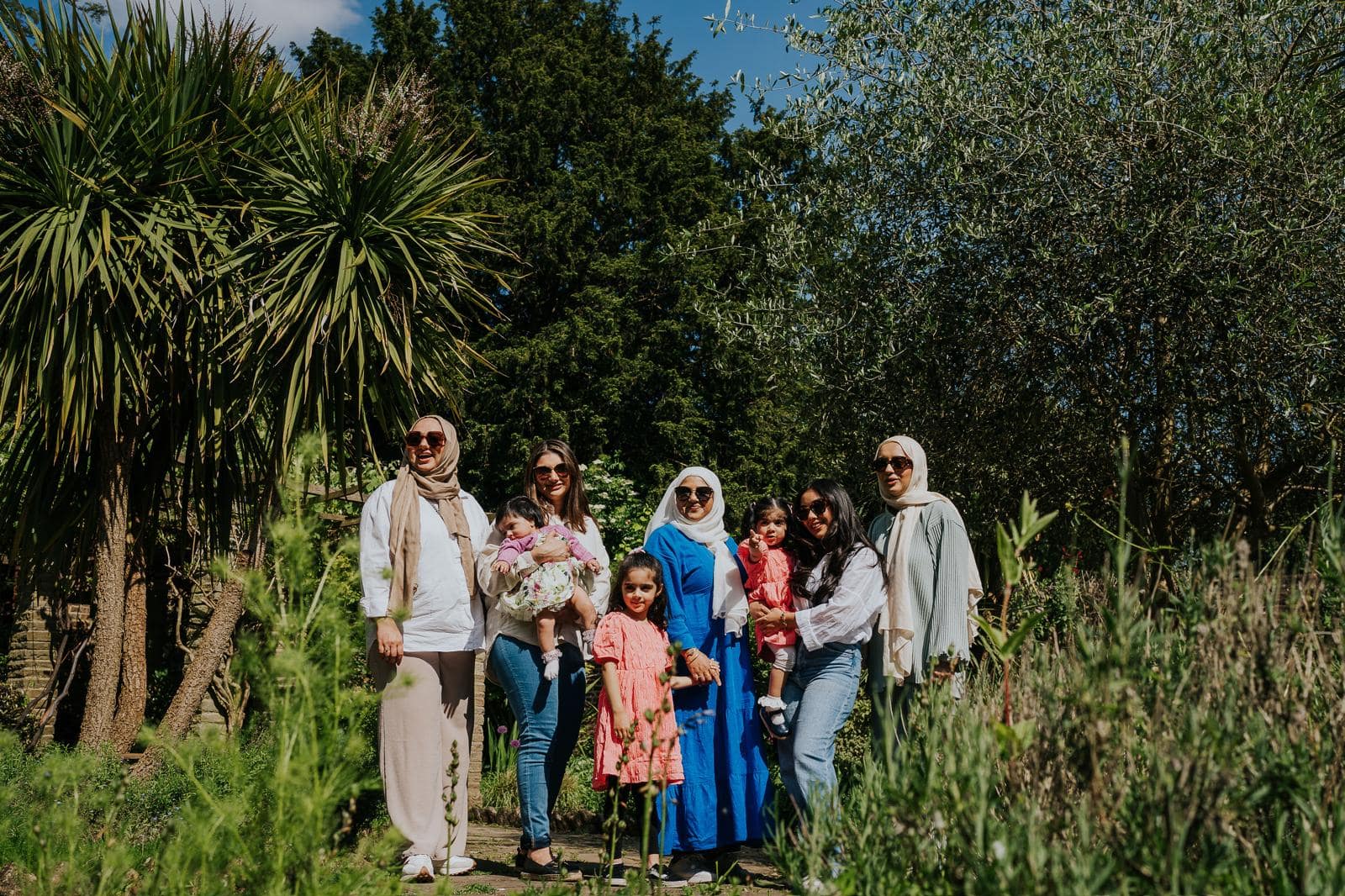
Her transition to a new life in London with her husband and his extended Pakistani family—aunt, uncle, and grandparents—introduced another layer of complexity. While eventually moving into their own flat offered some respite, the expectation of constant hospitality for newly arrived relatives meant Zarina was perpetually busy with cooking and cleaning. This environment, coupled with her embarrassment about breastfeeding outside the home, confined her, making responsive feeding difficult. Accustomed to her mother’s formula-feeding schedule, Zarina initially attempted to feed her baby every three hours, unaware of the principles of on-demand breastfeeding.
The cultural expectations within her in-laws’ household were particularly challenging. Despite her mother-in-law having breastfed all her sons, she, along with other family members, struggled to comprehend Zarina’s dedication to breastfeeding. In their community, a spotless house and active contribution to family chores were often prioritised over a mother sitting down to feed her baby, which was sometimes perceived as "laziness." This pressure was compounded by her husband’s concerns about their children’s perceived thinness, leading to comparisons with other "huge" children in the family and suggestions of "bottle milk." This highlights a common issue where cultural norms around infant size and a lack of understanding about the natural variations in breastfed babies’ growth curves can lead to undue pressure on mothers.
The Turning Point: Empowerment Through Knowledge
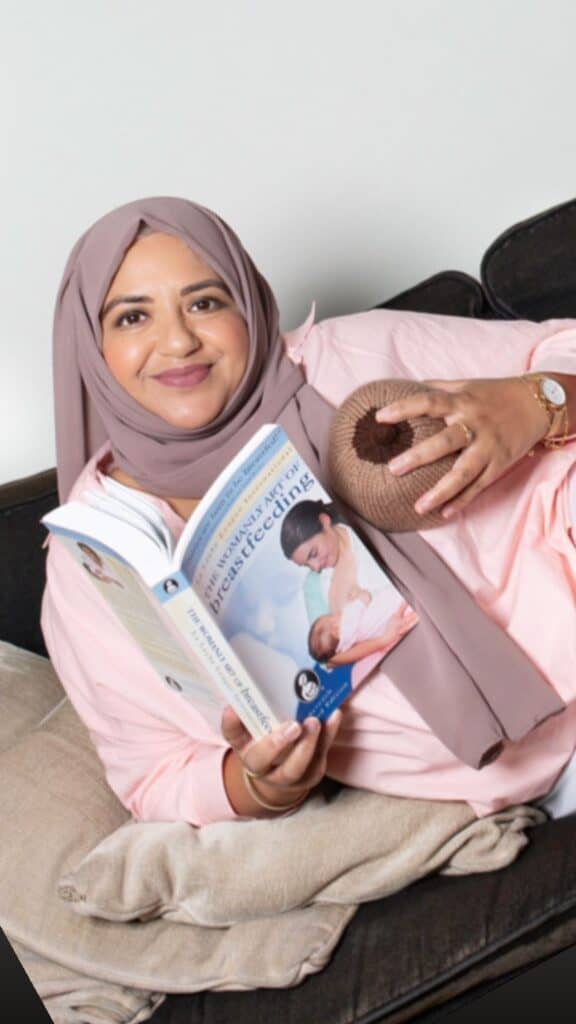
The arrival of her third child marked a pivotal moment in Zarina’s journey. By this time, her household was even fuller, with her husband’s mother and two brothers also residing with them. Despite this increased pressure, Zarina found a newfound strength. She discovered "The Womanly Art of Breastfeeding," a seminal text by La Leche League, borrowing it from the library and studying it intensively throughout her pregnancy. This self-education proved transformative. Learning that "colostrum is not dirty" and that "if you lose your milk, you can relactate" armed her with crucial, evidence-based knowledge that directly countered the misinformation and cultural myths she had previously encountered. "I felt that now I had all this information, no one was going to mess with me!" she declared, a powerful statement of newfound autonomy. Empowered, she breastfed her third child for two years, weathering numerous critical comments with unwavering resolve.
Seeking and Providing Support: The Path to Advocacy
A bout of mastitis when her third baby was a few weeks old led Zarina to contact an LLL Leader and attend a La Leche League group in Wimbledon. This experience, while providing vital support, also highlighted the cultural isolation she felt, being the "only woman wearing shalwar kameez." The practical difficulties of feeding in traditional attire and the sense of awkwardness underscored the need for culturally sensitive and inclusive breastfeeding spaces. It took her years to regain the courage to attend another support group.
However, the seed of advocacy had been planted much earlier. Just four weeks after becoming a mother herself, Zarina instinctively helped her husband’s aunt with engorged breasts, recognizing a shared struggle in a household devoid of breastfeeding knowledge. She also supported her sister, four years her junior, in breastfeeding all her children. Witnessing her sister’s "big, happy babies" eventually normalized breastfeeding for Zarina’s own mother, who became a supportive advocate during Zarina’s later breastfeeding journeys.
After her fifth child, Zarina finally fulfilled her long-held wish of becoming a breastfeeding peer supporter. Her fifth child, born at 35 weeks with severe reflux, presented a new set of breastfeeding challenges. Dissatisfied with poor advice from a breastfeeding counsellor, she found solace and purpose at a local breastfeeding café. There, an advertisement for La Leche League’s 12-week peer supporter training course, run by the NHS in her area, caught her eye. This moment was a revelation: "thank God I came today!" she thought, feeling a profound determination to provide proper support to other mothers. Her graduation from the course, complete with a "pink knitted boob," symbolized not just an achievement but a deep personal validation.
A Voice for the Underserved Community
For two to three years, Zarina served as a peer supporter, notably as the only Muslim one at the time. She observed a significant gap in engagement, with "very rarely any Asian women" attending the groups she ran. This observation speaks to a critical need for culturally appropriate outreach and support, as it is "easier to relate to people who look like you, even when there isn’t a language barrier." Her impact, however, extended beyond her own community, with many mothers she assisted expressing a desire to "take me home with them!" a testament to her empathetic and effective support.
Today, Zarina continues her advocacy as a doula, guiding mothers through birth and the postnatal period. Her experiences and insights are invaluable, particularly in current initiatives aimed at supporting Asian and other ethnic minority families. Last year, she participated in a project with The Raham Project in Peterborough and the charity BLISS, focusing on neonatal intensive care units and premature babies. Sharing her deeply personal birth stories in this context was emotionally taxing, reiterating that the pain of her first baby’s experience remains potent.
Legacy and Future Directions
Zarina’s enduring influence is most vividly seen in her own family. Her five children, now aged 34, 33, 30, 23, and 18, are a testament to her journey. Her eldest daughter, living nearby, has three children under four and has embraced breastfeeding wholeheartedly, tandem feeding her first two and continuing with her youngest at eight months. Her husband, initially uncomfortable, has become a strong supporter, reflecting a generational shift influenced by Zarina’s perseverance. She has also successfully supported her sister-in-law in her breastfeeding journey, further expanding her positive impact.
Despite progress, Zarina acknowledges that "there is still a lot of shame surrounding breastfeeding in the Asian community." Many families remain "quite prudish," leading to continued underutilization of breastfeeding support services by South Asian women. Zarina emphatically clarifies that this reluctance is rooted in culture, often "confused with religion," rather than the Muslim faith itself, which teaches that a baby has a right to be breastfed for as long as desired, though often culturally interpreted as two years.
Her own family stands as a unique example of cultural evolution, where open discussions about breastfeeding, periods, and women’s health have become normalized, largely due to Zarina’s persistent advocacy. This influence has permeated to her children’s spouses and friends. A truly remarkable indicator of this shift is the consideration of home births by her other daughters—a significant departure from community norms.
Zarina Ayyub’s life story is a powerful narrative of transforming personal trauma into public service. Her tireless efforts underscore the vital importance of culturally competent breastfeeding support, urging professionals to build relationships of trust to address fears and destigmatize breastfeeding. As she advocates, "It is not something to be embarrassed about, it’s a normal and natural process that is so beneficial for your baby and your own health, too. Let’s all work together to make it the very natural and normal way of life that it surely is." Her work, including her participation in the "Breastfeeding Matters LLLGB Podcast" discussing the "fourth trimester" and the need for safe, supportive environments, continues to pave the way for a more inclusive and understanding approach to maternal and infant health within the UK’s diverse communities.
