

The emergence of creative culinary techniques designed to increase fruit consumption among children has led to the rise of "Watermelon Fries," a nutrient-dense alternative to traditional processed snacks. This preparation method utilizes a crinkle-cutting technique to transform standard watermelon slices into a visually engaging format that mimics the appearance of traditional French fries. By leveraging the psychological appeal of familiar fast-food shapes, nutritionists and parents are finding success in encouraging toddlers and school-aged children to meet their daily recommended intake of fresh produce. Beyond its utility as a domestic snack, the dish has gained traction as a versatile appetizer for social gatherings, offering a hydrating, low-sodium option for summer events, birthday parties, and potlucks.
The Evolution of Sensory-Based Nutrition for Children
Pediatric nutrition experts have long advocated for "food play" and visual variety as essential tools in combating picky eating habits during early childhood development. Watermelon Fries represent a intersection of these strategies. The use of a zig-zag slicer or crinkle cutter introduces a tactile element—ridges—that not only holds dips more effectively but also provides a unique mouthfeel compared to traditional cubed or sliced fruit.
According to recent dietary surveys, a significant percentage of children under the age of five do not consume the recommended daily servings of fruit. Barriers often include texture aversion or a lack of interest in "plain" presentations. By recontextualizing watermelon as "fries," caregivers can bypass some of the psychological resistance associated with healthy eating. This method is part of a broader trend in "nutrient-dense mimicry," where whole foods are shaped into popular snack forms to compete with the high-visibility marketing of processed junk foods.
Nutritional Profile and Health Implications
The nutritional density of watermelon (Citrullus lanatus) makes it an ideal candidate for this type of snack. Based on standard serving metrics, a one-cup portion of watermelon fries provides approximately 169 calories, primarily derived from 42 grams of natural carbohydrates. This makes it an efficient source of quick energy for active children.
The micronutrient profile is particularly noteworthy for pediatric health:
- Potassium (630mg): Essential for maintaining healthy blood pressure and supporting nerve function and muscle control in growing bodies.
- Vitamin A (3201 IU): Crucial for eye health, immune system support, and skin integrity.
- Vitamin C (46mg): A powerful antioxidant that aids in tissue repair and iron absorption.
- Hydration: Composed of approximately 92% water, these "fries" serve as a critical hydration tool during high-temperature months when children are at a higher risk for heat-related fatigue.
Furthermore, with only 6mg of sodium and 1g of fat per serving, Watermelon Fries stand in stark contrast to traditional potato fries, which are often deep-fried in polyunsaturated fats and heavily salted. The inclusion of 2g of dietary fiber and 1mg of iron further supports digestive health and oxygen transport in the blood.
Technical Preparation and Culinary Versatility
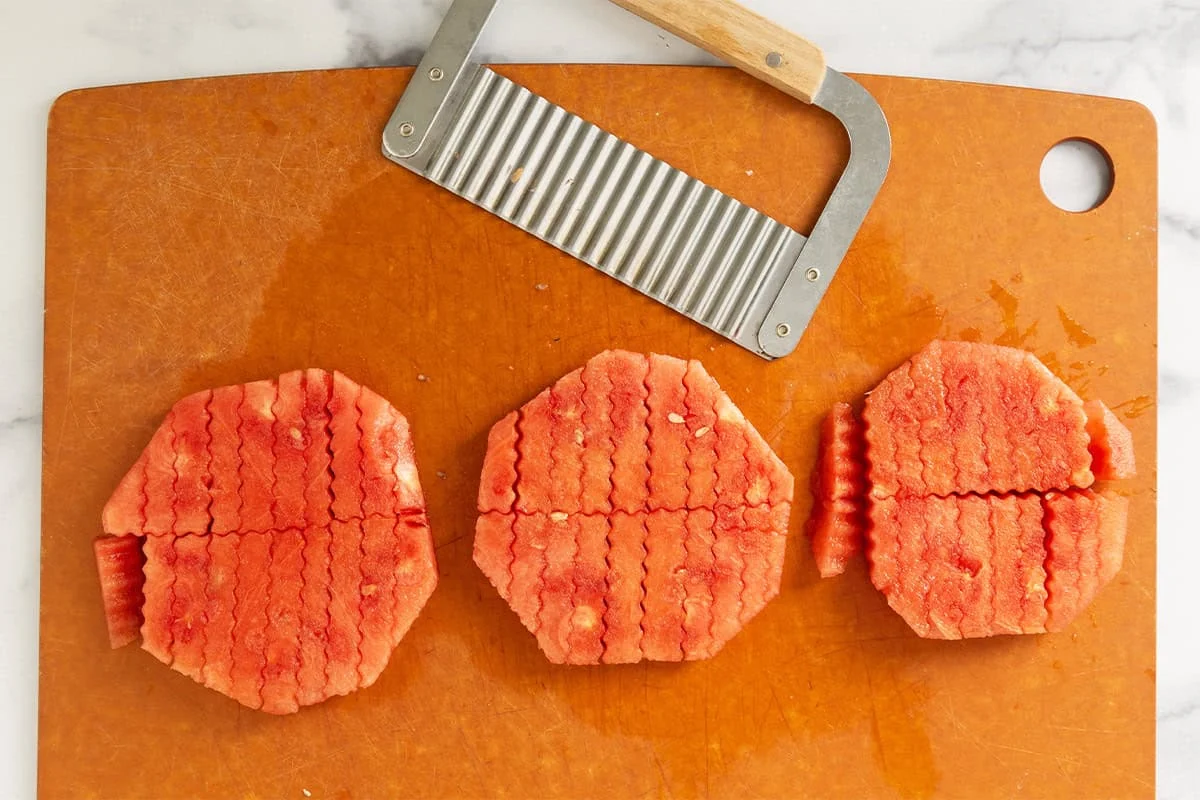
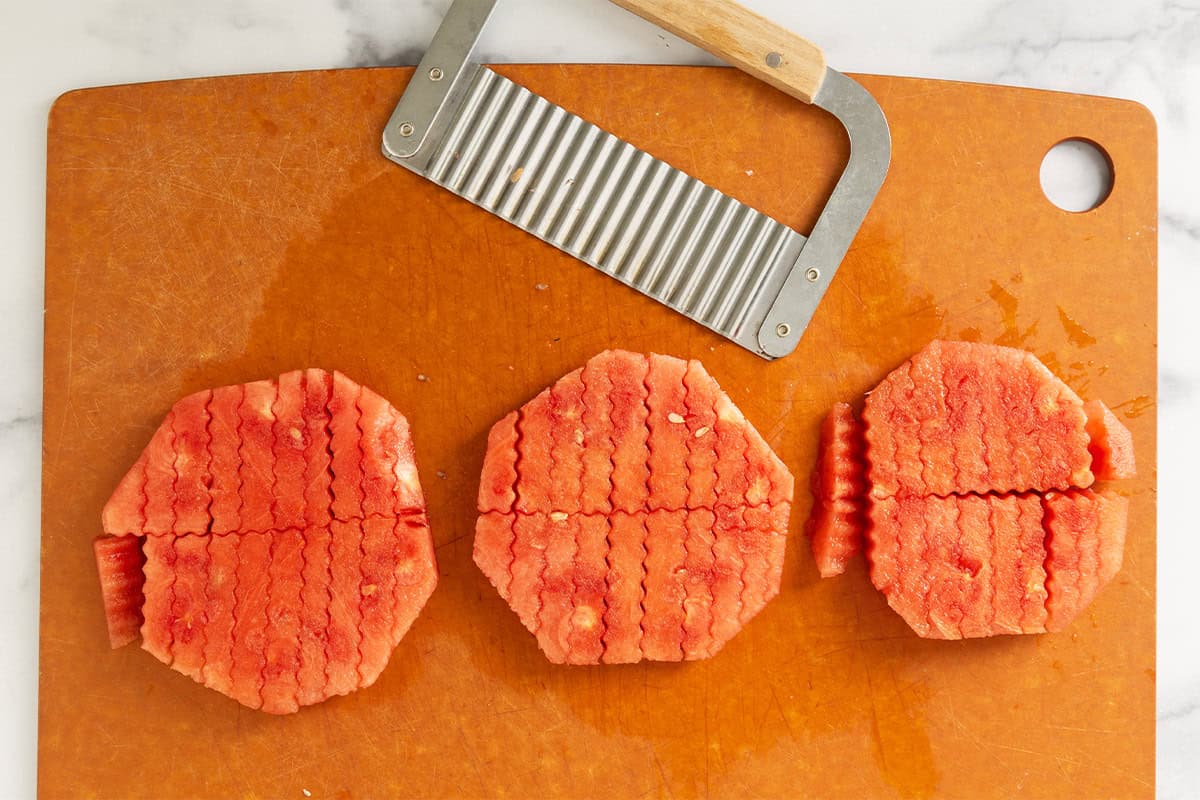
The preparation of Watermelon Fries is characterized by its simplicity and speed, requiring minimal equipment. The primary tool is a crinkle cutter, which allows for the uniform slicing of the melon flesh into long, rectangular strips.
Step-by-Step Chronology of Preparation:
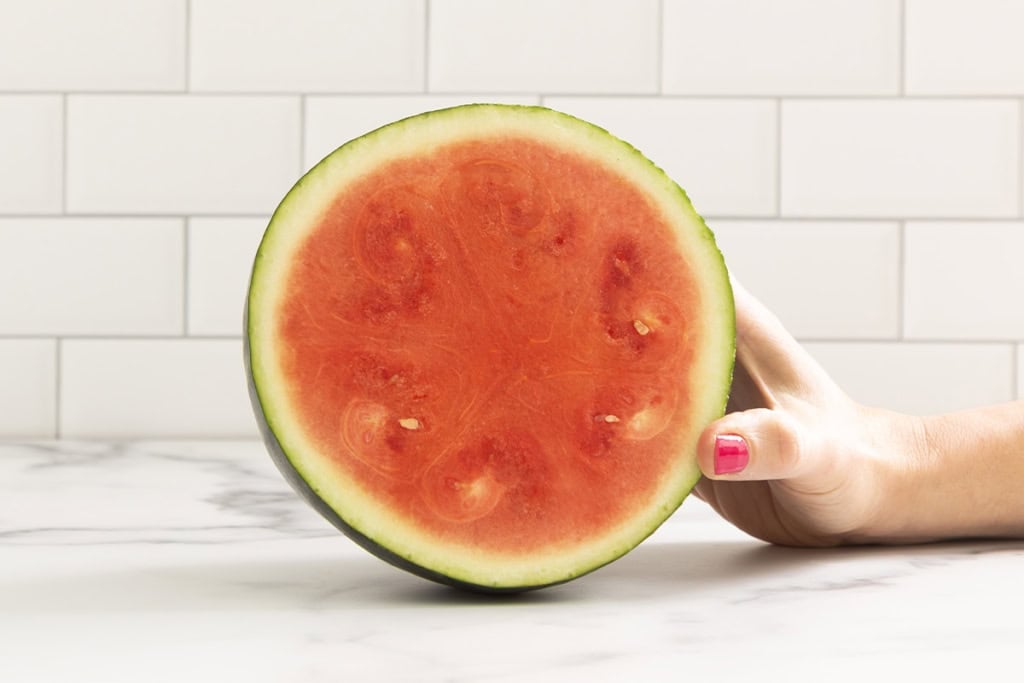
- Selection: A ripe, seedless watermelon is selected to ensure structural integrity and ease of consumption.
- Slicing: The melon is halved and then cut into thick rounds.
- Shaping: The crinkle cutter is used to slice the rounds into uniform "fries," typically 3 to 4 inches in length.
- Chilling: For optimal texture, the cut pieces are often chilled before serving to maintain crispness.
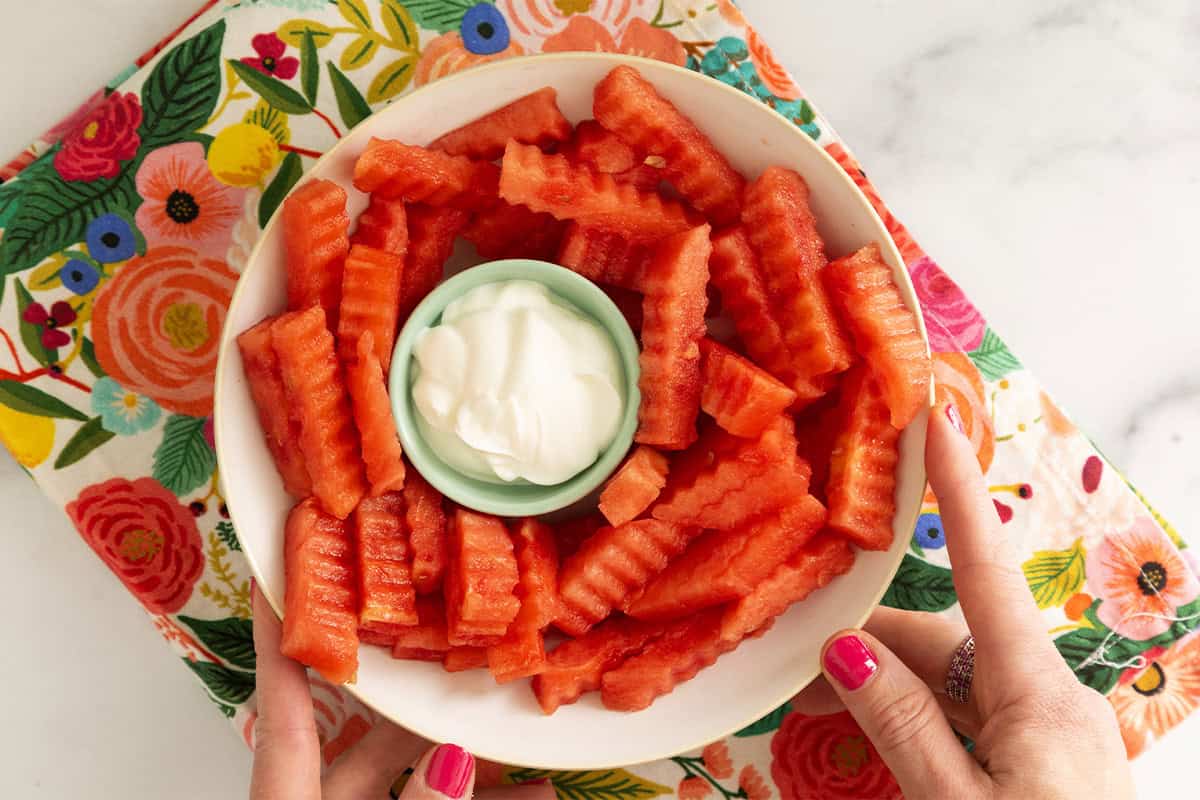
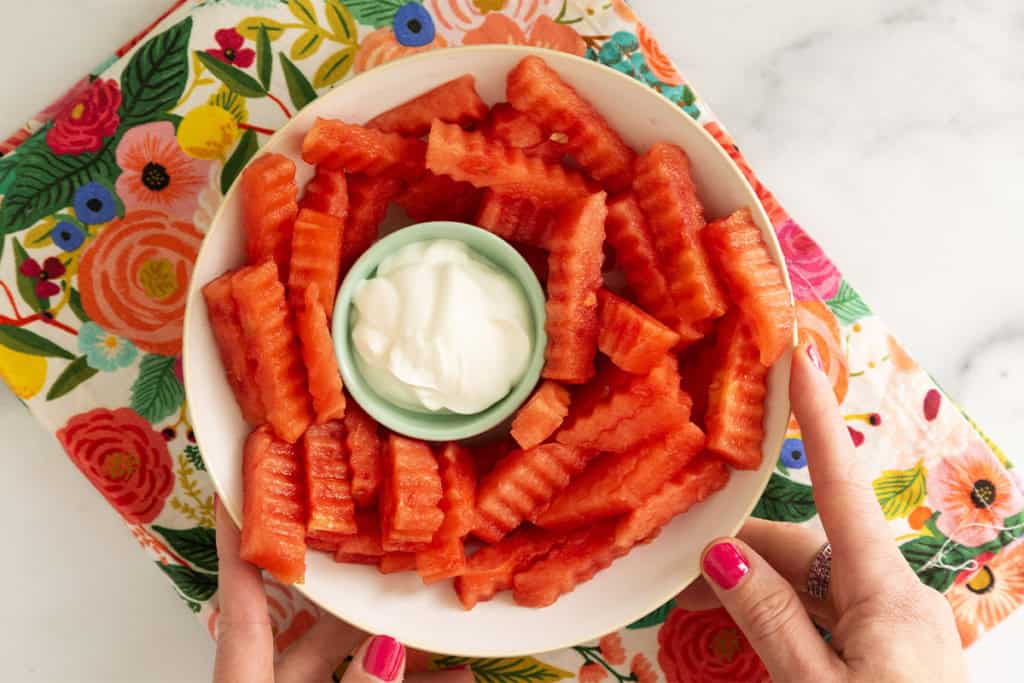
- Presentation: The fries are arranged on a platter, often accompanied by a central dipping vessel.
The versatility of the dish is extended through the use of various dips. Health-conscious iterations utilize Greek yogurt, blended cottage cheese, or non-dairy coconut yogurt to add a protein component to the snack. For more indulgent settings, such as birthday celebrations, "Magic Chocolate Shell" or whipped cream may be used. Some culinary enthusiasts have also reported success in seasoning the fries with lime zest, mint, or even a light dusting of chili-lime seasoning for adult palates, demonstrating the recipe’s cross-generational appeal.
Comparative Fruit Analysis and Substitutions
While watermelon is the primary medium for this technique, the "fries" concept is applicable to a variety of other fruits with similar densities. Culinary researchers suggest that the following fruits can be processed using the same crinkle-cutting method:
- Mango: Offers a denser, more fibrous texture that holds its shape well.
- Apples and Pears: Provide a satisfying "crunch" similar to a raw potato.
- Cantaloupe and Honeydew: Offer a different flavor profile and color palette, which can be combined with watermelon to create a "rainbow fry" platter.
The ability to swap ingredients ensures that the snack remains seasonal and cost-effective throughout the year, even when watermelon production peaks in the summer months.
Agricultural Context and Market Trends
The popularity of innovative fruit snacks like Watermelon Fries has a direct impact on the agricultural sector. Watermelon production is a significant component of the global fruit market, with major production hubs in China, Turkey, and the United States (particularly Florida, Texas, and Georgia).
Market analysts have noted a shift in consumer behavior toward "value-added" produce. While whole watermelons remain a staple, there is an increasing demand for pre-cut or easily "preppable" fruit. The promotion of recipes like Watermelon Fries encourages the purchase of whole melons, which are often more economical for families than pre-packaged fruit cups. This trend supports domestic growers by maintaining high demand for the crop during the peak harvest season (May through September in the Northern Hemisphere).
Storage and Food Safety Guidelines
From a food safety perspective, the high water content of melon necessitates proper handling and storage to prevent microbial growth. Once the watermelon is cut, the surface area exposed to the environment increases significantly.
Storage Recommendations:
- Refrigeration: Cut fries must be stored in an airtight container at or below 40°F (4°C).
- Shelf Life: For optimal freshness and texture, the fries should be consumed within 3 to 5 days. Beyond this period, the cell structure of the melon begins to break down, resulting in a loss of the "crisp" fry-like texture.
- Hygiene: Standard cross-contamination protocols apply; cutting boards used for raw meats should never be used for fruit preparation without thorough sanitization.
Broader Implications for Public Health
The introduction of Watermelon Fries into the common snack lexicon reflects a broader public health movement toward "de-processing" the modern diet. As childhood obesity rates continue to be a concern for global health organizations, the emphasis has shifted toward making whole foods as convenient and appealing as their processed counterparts.
Public health advocates suggest that by integrating these fun, healthy options into school lunches and community events, the "normalization" of fruit as a primary snack can be achieved. Reactions from the parenting community have been overwhelmingly positive, with many noting that the "novelty factor" of the crinkle-cut shape is often enough to entice children who would otherwise reject fruit.
Analysis of Economic and Social Impact
The economic impact of this culinary trend is visible in the kitchenware market, where there has been a documented uptick in the sales of specialty cutting tools like crinkle cutters and mandolines. Socially, the "Watermelon Fry" has become a staple of digital food culture, frequently appearing on social media platforms as a "hack" for healthy hosting.
In a professional context, caterers and event planners have adopted the dish as a low-cost, high-impact appetizer. It meets several modern dietary requirements—being naturally gluten-free, vegan, and nut-free—making it a "safe" option for large-scale events where guest allergies are a primary concern.
As the culinary landscape continues to evolve, the success of Watermelon Fries serves as a case study in how simple mechanical changes to food presentation can yield significant nutritional benefits. By transforming a traditional summer staple into a modern, interactive snack, caregivers and chefs alike are fostering a more positive and healthy relationship between children and their food.
