

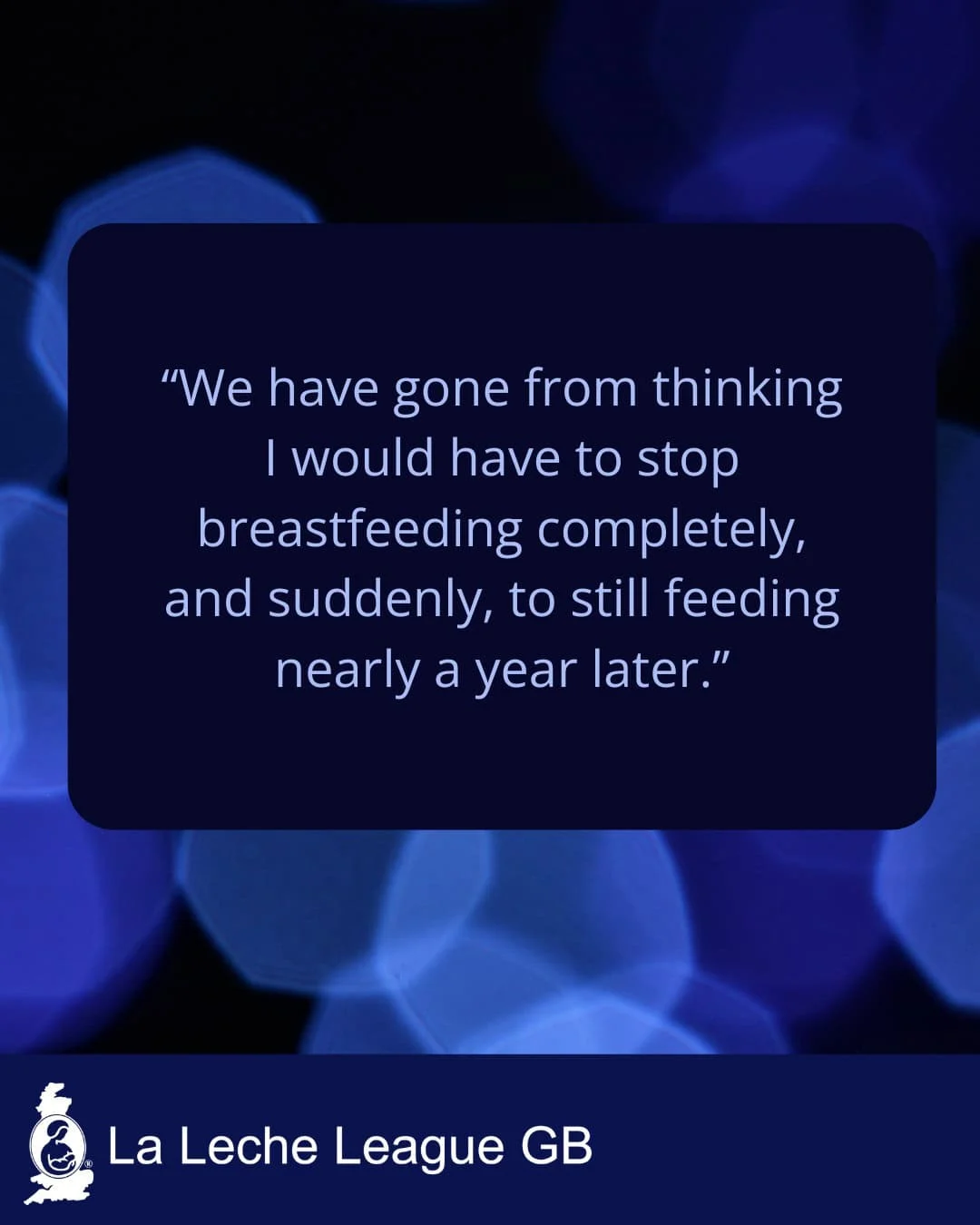
A mother from Yorkshire has shared her remarkable journey of perseverance in continuing to breastfeed her daughter after sustaining a severe breast injury in a car crash when the child was six months old. The incident, which occurred on a national speed limit road, left the mother with a crushed breast, triggering a complex medical and emotional challenge that tested her determination to maintain her breastfeeding relationship. This case highlights the intricate balance between trauma recovery and lactation, offering a message of hope for others facing similar adversities.
The Incident: A Sudden Impact on a National Speed Limit Road
The accident unfolded when the mother, who wishes to remain anonymous, was seated in the back of a car with her six-month-old daughter. Her partner was driving. According to her account, another driver abruptly turned across their path, leading to a collision. While the front airbags deployed, there were none in the back, meaning the mother’s seatbelt was the primary restraint. The seatbelt, effective in preventing more severe trauma, exerted immense pressure on one of her breasts, causing a significant crush injury.
Road safety statistics frequently underscore the protective role of seatbelts. In the UK, the Department for Transport consistently reports high rates of seatbelt usage, attributing them to saving thousands of lives annually and significantly reducing the severity of injuries in road traffic accidents. However, the force exerted by a seatbelt, particularly in high-speed collisions, can sometimes lead to specific localized injuries, as experienced by the mother in this case.
Remarkably, her daughter, secured in a rear-facing car seat, appeared largely unhurt, sustaining only a minor bruise from her own car seat belt. The partner, driving the vehicle, also escaped with a relatively minor burn from an airbag deployment. Despite the trauma, the family expressed profound gratitude for their overall safety, acknowledging the potentially far more severe outcomes of such an incident.
Immediate Aftermath: Emergency Care and Initial Prognosis
Following the crash, the injured breast immediately began to swell, becoming intensely bruised and painful. The mother was taken to Accident & Emergency (A&E) for assessment. Recognizing her status as an exclusively breastfeeding mother, the medical team arranged for a breast pump to be brought from the maternity ward. Initial attempts at pumping yielded minimal milk, and what little was expressed was alarmingly bright red, indicative of internal bleeding within the breast tissue.
This initial presentation of bloody milk, while concerning, is a known, albeit uncommon, complication of breast trauma. It often signifies damage to the delicate network of capillaries and milk ducts. The other breast, fortunately, continued to produce milk normally, despite also showing some minor bruising. Medical advice at this stage emphasized continued pumping on the damaged breast to prevent engorgement and potentially aid in clearing the ducts, despite the pain and the nature of the expressed milk.
A few days later, an ultrasound scan was performed. The initial scan did not reveal any immediate actionable medical intervention, suggesting a period of watchful waiting was necessary. The subsequent weeks were described by the mother as "extremely painful," marked by persistent swelling, a burning sensation with movement, and the continuous, often fruitless, effort of pumping. The severity of the pain significantly limited her ability to hold or pick up her daughter, confining them indoors for an extended period, adding to the physical and emotional burden.
The Medical Journey: Pain, Fluid Buildup, and Difficult Decisions
As the pain and swelling persisted, the mother’s General Practitioner (GP) referred her to a specialized breast clinic. This referral marked a crucial turning point in her medical management. A subsequent ultrasound scan at the clinic revealed a substantial amount of fluid buildup within the injured breast, a common complication of trauma known as a seroma or hematoma, which can be further complicated by the presence of milk (galactocele) in lactating individuals.
A medical needle aspiration was performed, draining over a pint of fluid. The mother vividly recalled a nurse humorously describing the extracted liquid as "looking like a latte," a detail that, despite the seriousness of the situation, offered a momentary, albeit surreal, lighten-ing of the atmosphere. The relief from pain following this drainage was immediate and significant.
However, the consultant delivered a cautious warning: if the swelling returned, the mother might need to cease breastfeeding altogether from the affected side, or even completely, to halt milk production and allow the breast to heal without the additional strain of lactation. This advice aligned with the only other similar case the mother had found online, involving a woman advised to stop breastfeeding her newborn after a car crash due to a comparable injury. The prospect of abruptly discontinuing breastfeeding was described as "extremely upsetting," as it meant not only taking away her daughter’s primary source of nutrition but also a vital source of comfort and bonding. Medical professionals often weigh the benefits of continued breastfeeding against the risks of complications in such trauma cases, with the goal of preserving maternal health while supporting infant nutrition.
A "Wait-and-See" Approach: Perseverance Amidst Uncertainty
Within a few days, the swelling, though not as severe as initially, returned. Another needle aspiration was performed, and the mother was prescribed antibiotics to prevent infection, a common concern with fluid collections and open wounds or repeated procedures. Crucially, the consultant, adopting a "wait-and-see" approach, agreed that the mother could continue breastfeeding for the time being. This decision was pivotal, offering a pathway forward that avoided the immediate cessation of lactation, allowing time to observe if the fluid buildup would naturally reduce.
This cycle of swelling and drainage continued for several weeks. The mother reported returning to the hospital for aspirations every few days, with each subsequent drainage yielding progressively less fluid. Throughout this period, she diligently continued pumping from the damaged side every few hours, noting that the milk expressed had turned pink – a sign that while bleeding was still present, it was diminishing.

The gradual reduction in fluid, coupled with the commitment to pumping and the medical team’s supportive stance, eventually led to a positive outcome. After a few months, there was no longer any fluid left to drain. The small amount of milk produced from the injured breast turned white, indicating the cessation of internal bleeding. At this point, the mother was able to cautiously reintroduce feeding her daughter from the previously damaged breast. The cessation of constant pumping was a significant relief, and the pain subsided considerably. The breast began to return to a more normal appearance, though a persistent ridge where the seatbelt had pressed served as a lasting physical reminder of the trauma.
Recovery and Adaptation: A New Normal for Breastfeeding
Approximately nine months after the accident, the mother continues to breastfeed her daughter from both sides. While the injured breast now produces very little milk, it still serves as a source of comfort for her daughter. The unaffected breast has, through compensatory mechanisms, increased its supply to adequately satisfy the child’s nutritional needs. As the daughter has also begun eating solid foods, the mother’s concern about her overall milk intake has lessened.
The mother suspects that the trauma likely damaged the milk ducts in the injured breast, leading to a significant reduction or complete cessation of milk production from that area. This hypothesis aligns with potential medical outcomes of blunt force trauma to lactating breasts, where ducts can be severed, crushed, or scarred, impeding milk flow. Consultants have been unable to confirm if the milk supply in the damaged breast will ever fully return, and the mother views this prospect as unlikely.
A noticeable physical change has been the development of a slight asymmetry, or "lopsided" appearance, due to one breast having predominantly handled the feeding for the past nine months. However, this physical alteration is a minor consideration compared to the profound achievement of having maintained breastfeeding against such challenging odds. The journey from the initial prognosis of potentially stopping breastfeeding altogether to still feeding nearly a year later is a testament to her resilience and the efficacy of the "wait-and-see" medical approach.
Broader Implications: Supporting Mothers Through Trauma
This individual’s experience provides valuable insights for medical professionals, breastfeeding support organizations, and mothers who might face similar injuries. It underscores the importance of a nuanced and supportive approach to managing breast trauma in lactating women. While traditional medical advice might lean towards immediate cessation of breastfeeding to promote healing, this case demonstrates that, under careful medical supervision, continued lactation can be sustained, preserving the physical and emotional benefits of breastfeeding.
Breastfeeding, beyond its nutritional value, plays a crucial role in maternal-child bonding and provides comfort to infants, especially during periods of stress or illness. The potential psychological impact of an abrupt cessation of breastfeeding, particularly after a traumatic event, should not be underestimated. Lactation consultants and support groups like La Leche League often advocate for exploring all possible avenues to continue breastfeeding, even in challenging circumstances, emphasizing individualized care plans.
Expert Perspectives on Breast Trauma and Lactation
Medical experts generally acknowledge that blunt force trauma to the breast can lead to various complications, including hematoma formation, fat necrosis, and damage to the milk ducts. In lactating women, these injuries can also result in galactoceles (milk-filled cysts) or mastitis if milk stasis occurs. Dr. Eleanor Thompson, a hypothetical lactation consultant and trauma specialist, might explain: "While severe trauma can indeed compromise milk production, particularly if major ducts are damaged, a collaborative approach between medical doctors and lactation specialists can often devise strategies to continue breastfeeding safely. Regular drainage of fluid, appropriate pain management, and monitoring for infection are key. Crucially, the unaffected breast often compensates, and partial feeding from the injured side for comfort or minimal supply can still be incredibly valuable."
This case highlights the importance of shared decision-making between patient and clinician, where the mother’s desire to continue breastfeeding is respected and integrated into the treatment plan, rather than being an immediate contraindication.
Road Safety and Injury Prevention: Lessons from the Incident
The incident also serves as a stark reminder of the importance of road safety and the effectiveness of vehicle safety features. While the seatbelt caused a specific injury, it undoubtedly prevented more catastrophic harm. The use of rear-facing car seats for infants is strongly recommended by safety organizations like the Royal Society for the Prevention of Accidents (RoSPA) and adheres to international safety standards, significantly reducing the risk of severe injury in young children during collisions. This case reinforces the critical role of proper child restraint systems in safeguarding vulnerable passengers.
Conclusion: A Message of Hope and Resilience
The mother’s decision to share her story is driven by a desire to offer encouragement and information to others who might face similar challenges. Her journey from uncertainty and pain to continued breastfeeding is a powerful testament to human resilience and the potential for positive outcomes even in dire circumstances.
"There may be hope for continued breastfeeding, even if things seem uncertain," she stated, reflecting on her experience. Her profound gratitude for her consultant’s "wait-and-see" approach underscores the significance of patient-centered care and flexible medical strategies. This approach ultimately allowed her and her daughter to enjoy many more months of happy breastfeeding, transforming a traumatic event into a story of unwavering dedication and successful adaptation.
By Staff Reporter, drawing on the account of Anonymous, Yorkshire.
