

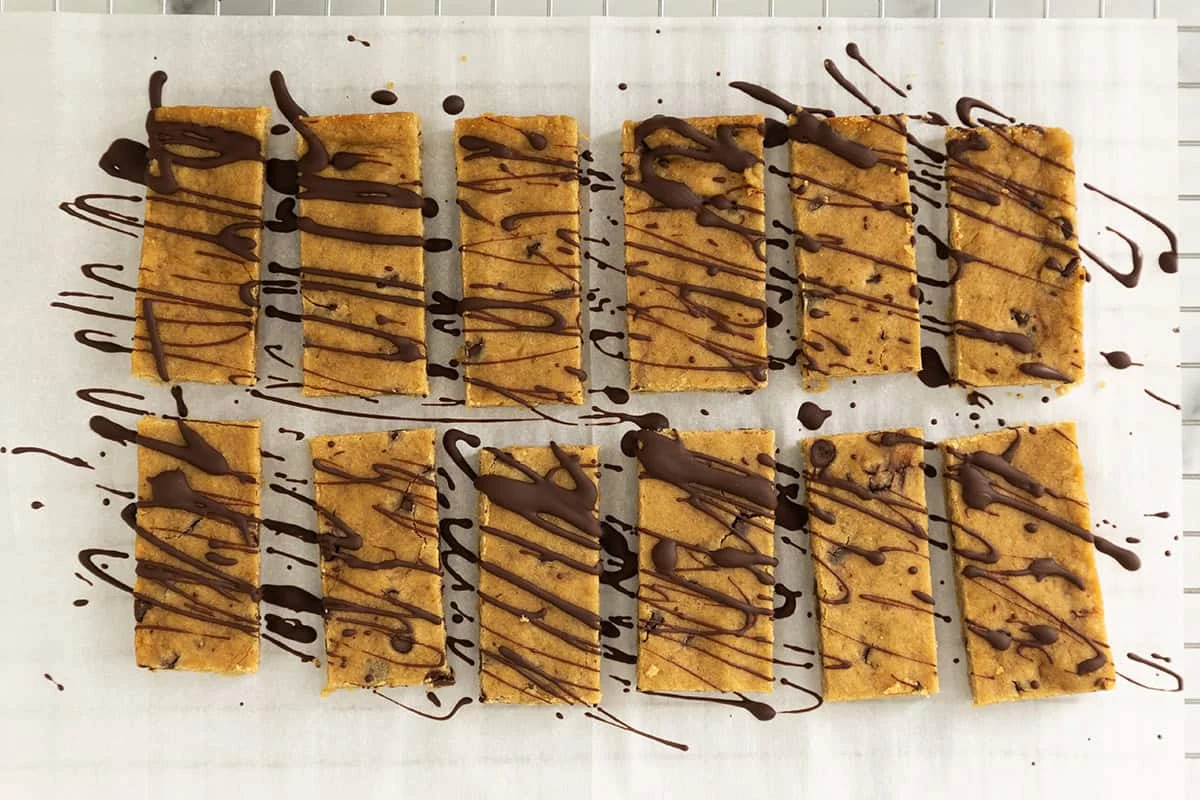
The landscape of pediatric nutrition is undergoing a significant shift as parents increasingly move away from ultra-processed commercial snacks in favor of homemade alternatives that prioritize whole-food ingredients. A burgeoning trend in this domestic culinary movement involves the repurposing of legumes, specifically chickpeas, into sweet or semi-sweet snack formats. By utilizing a base of five core ingredients—chickpeas, oat flour, nut or seed butter, a natural sweetener, and chocolate—caregivers are now able to produce high-protein, fiber-rich bars that mimic the flavor profiles of popular retail brands while maintaining a superior nutritional density.
The Rise of Nutrient-Dense Domestic Snacking
For decades, the commercial snack bar industry has dominated the "on-the-go" food market, particularly for families with young children. However, recent consumer reports indicate a growing skepticism toward long ingredient lists and high levels of refined sugars found in many "healthy" labeled products. This has led to the rise of "stealth health" recipes, where nutrient-dense ingredients like beans and whole grains are disguised in familiar textures.
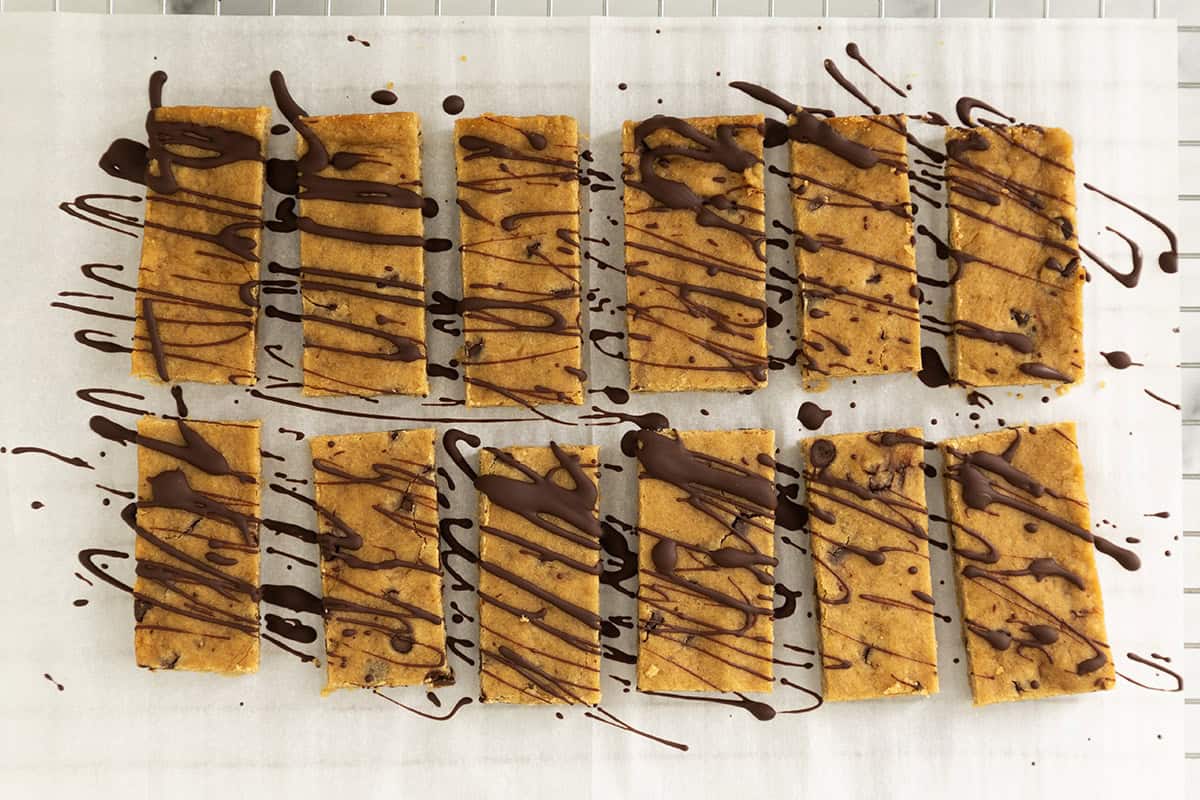
The development of the five-ingredient healthy snack bar represents a convergence of several nutritional priorities: the need for sustained energy (complex carbohydrates), muscle development (protein), and digestive health (fiber). By using chickpeas as a primary structural element, the recipe addresses the common challenge of introducing legumes into the diets of selective eaters. Chickpeas, also known as garbanzo beans, provide a neutral base that, when processed, adopts a texture remarkably similar to traditional cookie dough or soft-baked granola bars.
Nutritional Composition and Macronutrient Breakdown
The efficacy of these snack bars is rooted in their macronutrient profile. According to nutritional data, a single serving of these homemade bars typically contains approximately 152 calories, 5 grams of protein, and 3 grams of dietary fiber. This composition is strategically designed to provide satiety and prevent the "sugar spikes" and subsequent "crashes" often associated with snacks high in corn syrup or cane sugar.
The Role of Legumes
Chickpeas are a powerhouse of nutrition, offering significant amounts of iron, folate, and phosphorus. In a journalistic analysis of pediatric diets, legumes are frequently cited by dietitians as an underutilized resource. The inclusion of chickpeas in a snack format ensures that children receive plant-based protein and slow-digesting carbohydrates. The fiber content—3 grams per bar—is particularly noteworthy, as pediatric health organizations often highlight the chronic lack of fiber in modern childhood diets, which can lead to digestive irregularities.
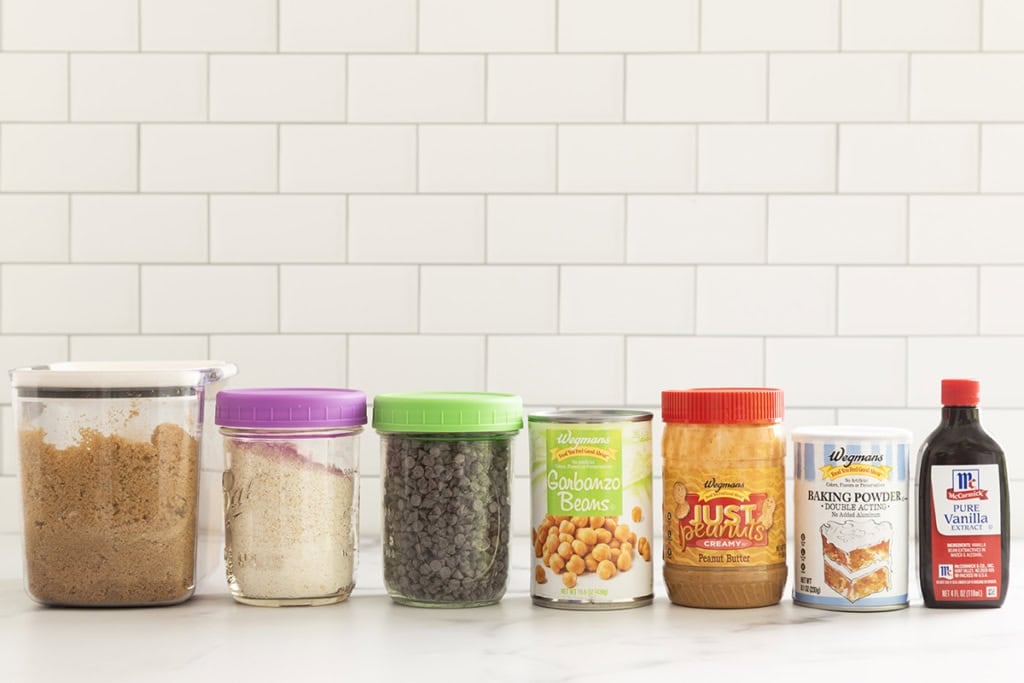
Oat Flour as a Stabilizer
The use of oat flour serves both a functional and nutritional purpose. Functionally, it acts as the binding agent that allows the bars to hold their shape at room temperature without the need for artificial stabilizers or gums. Nutritionally, oats are a source of beta-glucan, a type of soluble fiber known for its heart-health benefits and its ability to modulate blood sugar levels. For families dealing with celiac disease or gluten sensitivities, the use of certified gluten-free oat flour makes this recipe an accessible option for inclusive snacking.
Economic Analysis of Homemade vs. Commercial Alternatives
A significant driver behind the popularity of homemade snack bars is the economic factor. As global food prices continue to fluctuate, the cost-per-serving of pre-packaged organic snack bars has risen significantly, often ranging from $1.50 to $3.00 per bar.
In contrast, the raw materials for these healthy snack bars—canned or dried chickpeas, bulk oats, and peanut or sunflower butter—are among the most cost-effective staples in the grocery store. A standard 15-ounce can of chickpeas can often be purchased for under $1.00 and serves as the foundation for an entire batch of 12 bars. When analyzed over a fiscal quarter, a household transitioning from premium store-bought bars to this homemade alternative can realize savings of hundreds of dollars, while simultaneously reducing the environmental impact associated with individual plastic packaging.
Culinary Procedure and Production Standards
The production of these bars follows a streamlined, four-step process designed for efficiency in a busy household environment. The methodology prioritizes texture and shelf-stability.
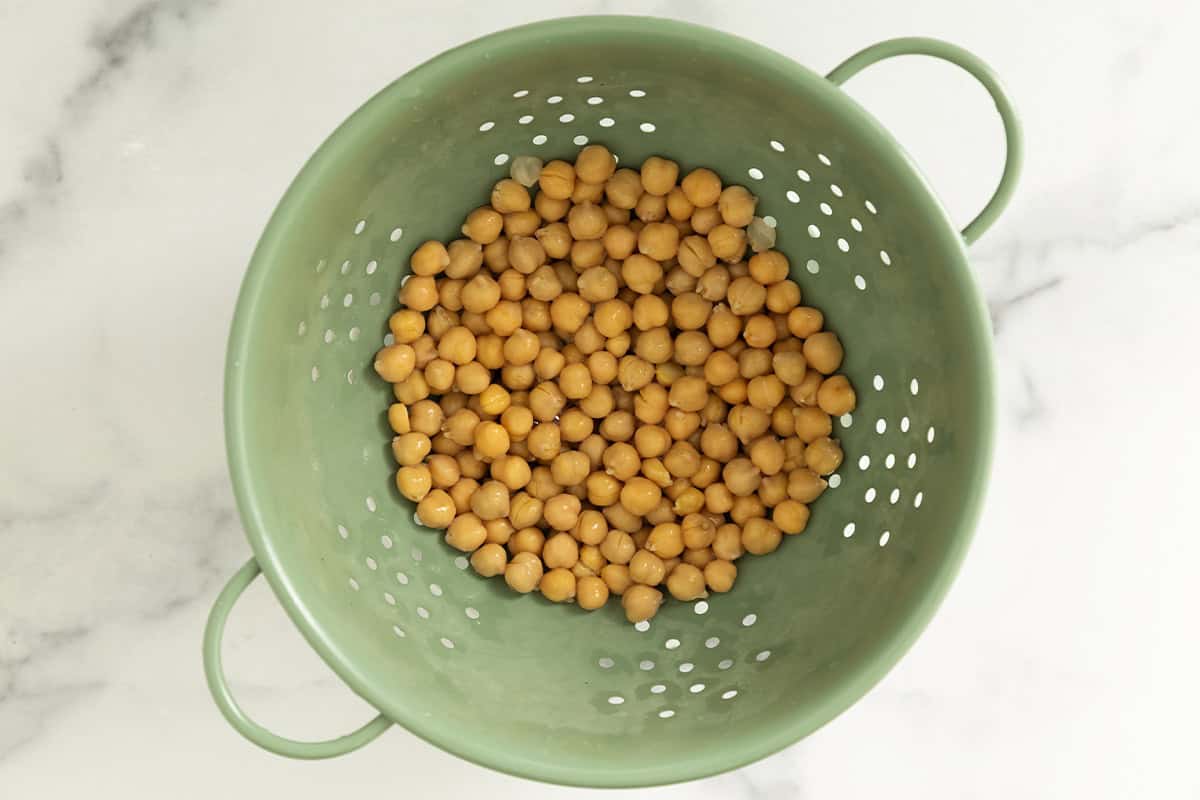
- Preparation and Purification: The process begins with the thorough rinsing of chickpeas. This step is critical not only for flavor but for digestion, as rinsing removes the excess sodium and complex sugars (oligosaccharides) found in the canning liquid that can cause flatulence.
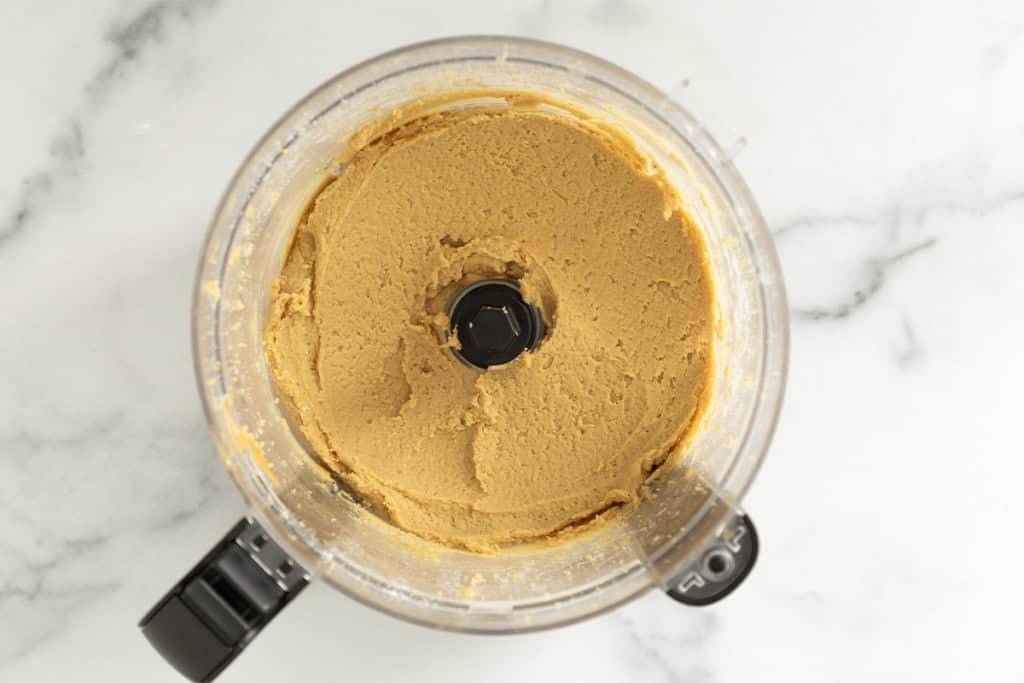
- Homogenization: Using a high-speed food processor, the chickpeas are combined with oat flour, nut or seed butter, and a liquid sweetener (such as maple syrup or honey). The objective is to achieve a smooth, uniform paste where the cellular structure of the bean is completely broken down.
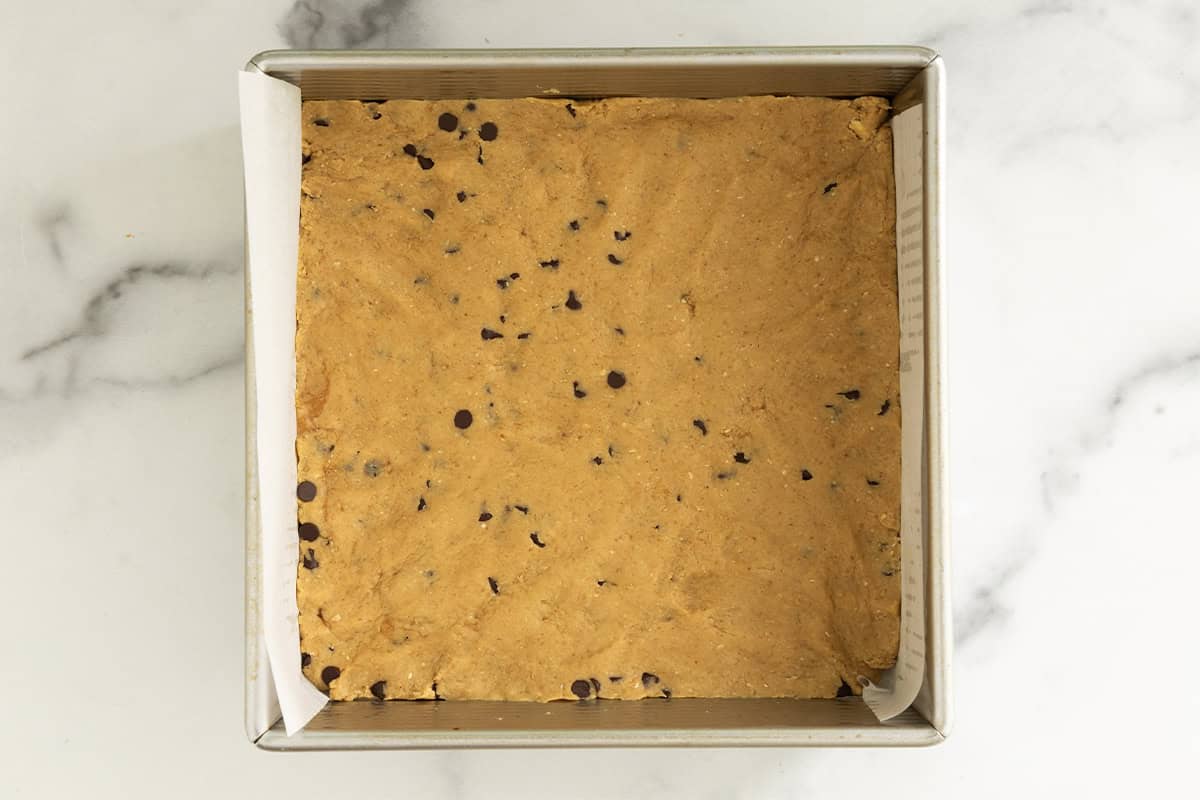
- Inclusion Integration: Once the base dough is formed, chocolate chips are folded in manually to maintain their integrity.
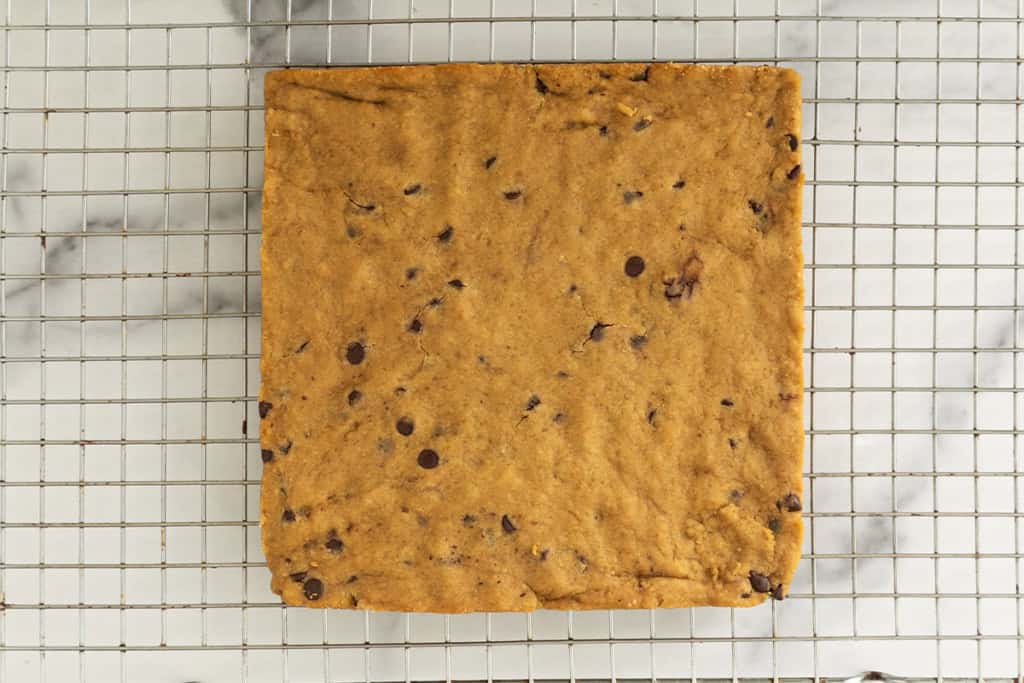
- Thermal Processing: The mixture is pressed into a lined baking pan and subjected to moderate heat (typically 350°F) until the edges reach a light golden brown. This baking process is essential for setting the proteins and starches, ensuring the bar remains firm when handled by a toddler.
Allergen Considerations in Educational Environments
As schools across North America and Europe move toward "nut-free" policies to protect students with severe allergies, the versatility of this recipe becomes a strategic advantage. While the traditional recipe utilizes peanut or almond butter for healthy fats and protein, it is easily adapted using sunflower seed butter or soy-nut butter.
Statements from school nutrition coordinators suggest that the "school-safe" version of these bars is particularly popular because it provides a dense caloric profile that keeps students focused during the afternoon hours without the risk of cross-contamination. The ability to control every ingredient in the kitchen provides a level of safety and transparency that commercial manufacturing facilities—even those with "allergy-friendly" labeling—cannot always guarantee.
Market Trends in the Health Food Sector
The shift toward recipes like the five-ingredient healthy snack bar is part of a broader "Clean Label" movement. Market research firms, such as Grand View Research, have projected that the global healthy snack market will reach a valuation of over $100 billion by 2030. Within this sector, the sub-category of "legume-based snacks" is seeing the fastest growth.
Industry analysts suggest that the "DIY" (Do-It-Yourself) segment of the health food market is expanding because consumers are increasingly educated about the "Halo Effect"—a psychological phenomenon where consumers perceive a product as healthy based on a single claim (like "organic") while ignoring high sugar or sodium content. By making bars at home, parents bypass marketing narratives and engage directly with the nutritional facts of the raw ingredients.
Long-term Health Implications and Pediatric Development
The implications of adopting a whole-food snack regimen extend beyond immediate satiety. Pediatricians emphasize that the early childhood years are a "critical window" for flavor preference development. By introducing the earthy, complex flavors of beans and oats in a palatable format, parents are effectively training a child’s palate to enjoy savory and nutrient-dense foods later in life.
Furthermore, the protein-to-sugar ratio in these bars (5g protein to 8g sugar) is significantly better than the ratios found in many "fruit-based" snacks, which can often contain up to 15g of sugar with less than 1g of protein. Maintaining a balance of macronutrients is essential for hormonal regulation and steady growth in toddlers and school-aged children.
Storage and Longevity Protocols
From a food safety and preservation standpoint, these bars are designed for longevity. Due to the moisture content of the chickpeas, the bars are best stored in a refrigerated environment, where they remain viable for up to 14 days. For long-term logistics, the bars are "freezer-stable," meaning they can be batch-produced and stored for up to three months. This allows families to engage in "meal prepping," a practice that has been shown to reduce the reliance on convenience foods during high-stress periods of the work week.
Conclusion: The Future of Household Food Security
The five-ingredient healthy snack bar is more than a recipe; it is a case study in modern food autonomy. As families navigate the complexities of nutritional requirements, economic constraints, and time limitations, the ability to transform a humble can of beans into a high-value snack represents a practical solution to a global challenge.
By focusing on the synergy of chickpeas and oats, and by maintaining a professional standard of preparation, caregivers are providing a foundation of health that supports both the physical development of the child and the financial stability of the home. As the "Clean Label" movement continues to evolve, it is expected that these types of high-efficiency, nutrient-dense recipes will become the standard for the next generation of domestic cooking.
