

The emergence of nutrient-dense confectionery options marks a significant shift in contemporary dietary habits, particularly within the demographic of health-conscious families and caregivers. This specific formulation of Cookie Dough Bark utilizes a streamlined profile of five primary ingredients to create a snack that balances caloric efficiency with functional nutrition. Unlike traditional dessert barks, which rely heavily on refined sugars and hydrogenated fats, this iteration prioritizes plant-based proteins and healthy fats, positioning it as a viable alternative in the burgeoning "clean label" snack market.
The Nutritional Architecture of Functional Snacks
The recipe’s foundation rests on almond flour and peanut butter, two ingredients that provide a stark contrast to the bleached wheat flour and butter found in conventional cookie dough. Almond flour, produced by grinding blanched almonds into a fine powder, retains the high protein and fiber content of the original nut. According to nutritional data, almond flour is significantly lower in carbohydrates and higher in healthy monounsaturated fats compared to all-purpose flour. This creates a lower glycemic impact, which is a critical factor for maintaining stable blood glucose levels in children and adults alike.
Peanut butter serves as both a structural binder and a secondary protein source. In this context, the inclusion of natural nut butters adds essential minerals such as magnesium and potassium. When combined with honey—a natural sweetener that contains trace amounts of antioxidants—the resulting "dough" achieves a texture that mimics traditional raw cookie dough without the associated risks of consuming untreated raw wheat or unpasteurized eggs.
Chronology of Preparation and Technical Methodology
The production of Cookie Dough Bark follows a specific four-step chronology designed for maximum efficiency in a domestic setting. This "no-bake" methodology eliminates the chemical leavening processes required in traditional baking, focusing instead on stabilization through cryogenic cooling (freezing).
-
Phase One: Batter Emulsification
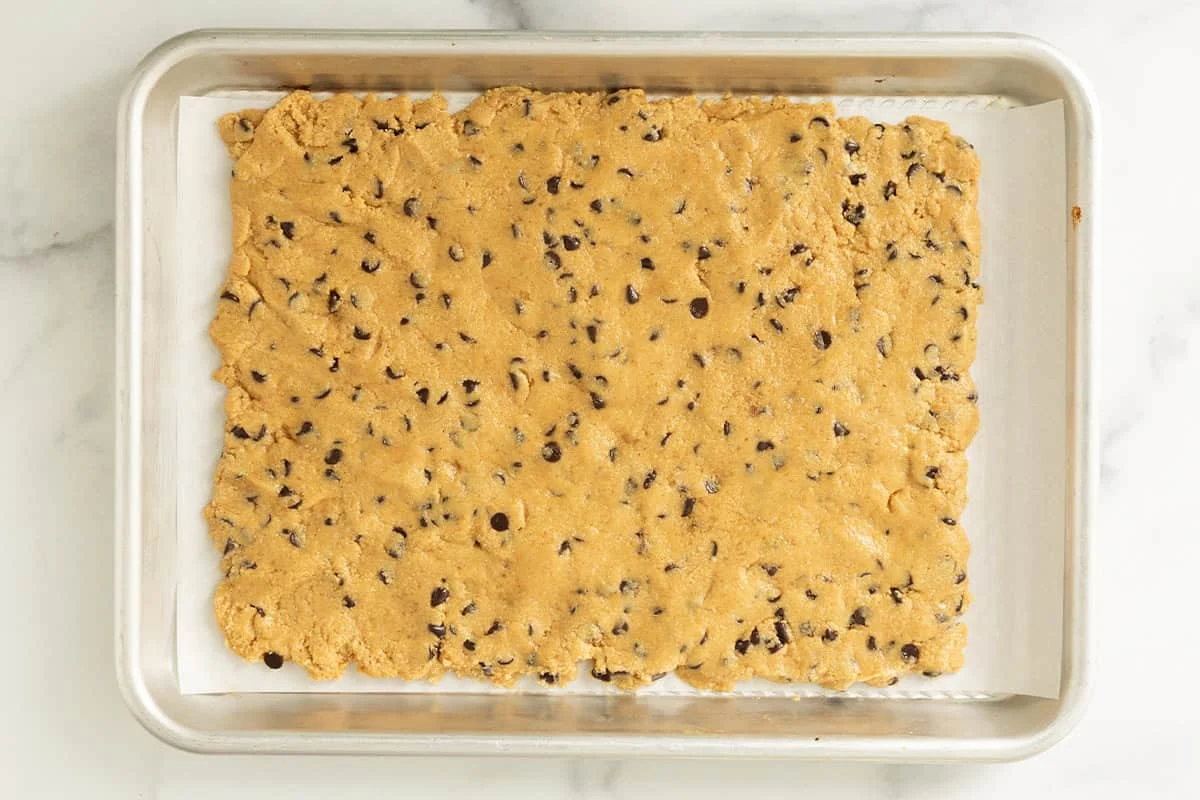
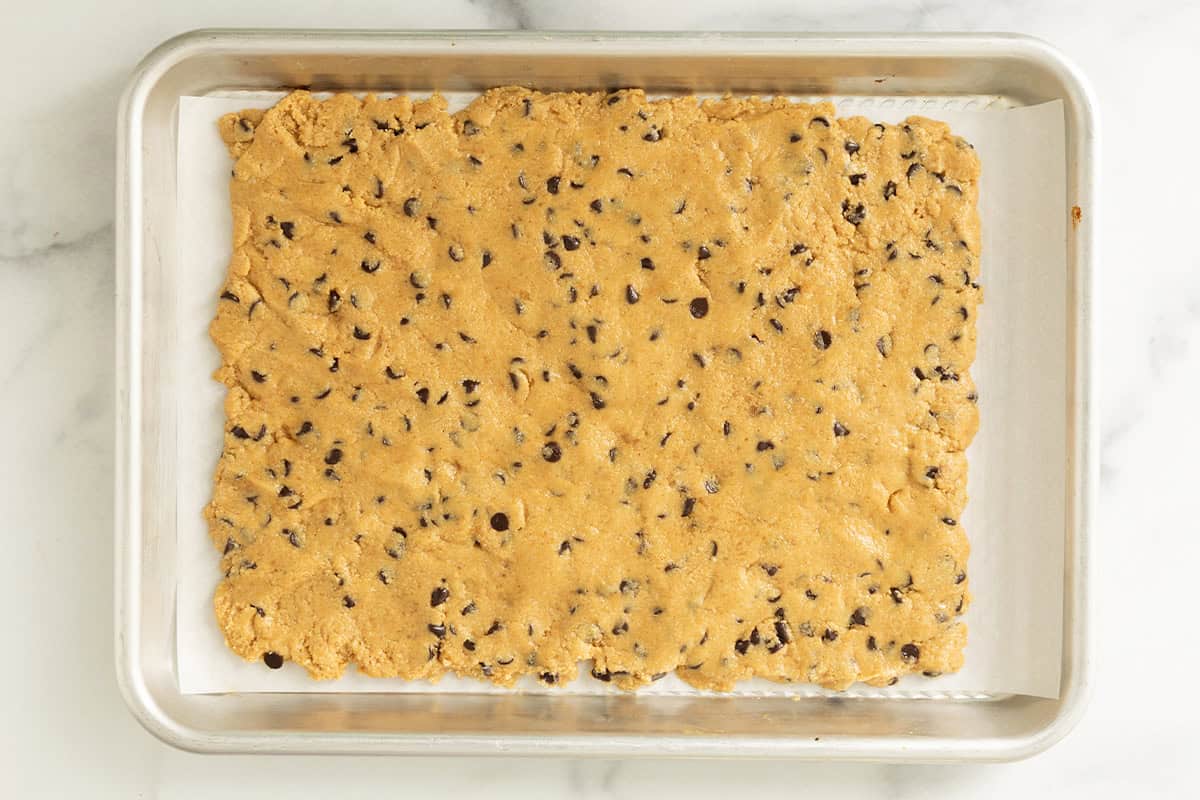
The process begins with the integration of almond flour, peanut butter, honey, and vanilla extract. In a medium-sized mixing vessel, these components are stirred until an even distribution of moisture is achieved. The inclusion of chocolate chips at this stage provides the classic "cookie dough" aesthetic and flavor profile. The resulting mixture is then transferred to a prepared baking sheet, where it is pressed into a uniform layer. Consistency in thickness is paramount to ensure even freezing and a satisfying "snap" upon consumption.
-
Phase Two: Thermal Preparation of the Glaze
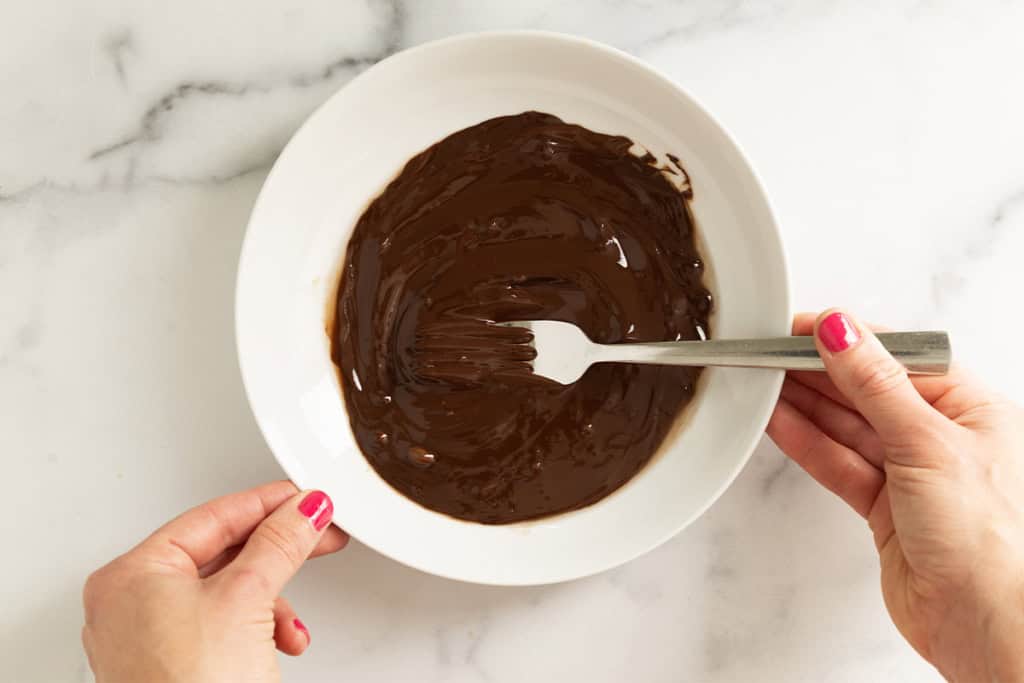
The secondary component involves the preparation of a chocolate topping. This is achieved by melting chocolate chips in conjunction with a small quantity of coconut oil. The addition of coconut oil serves a dual purpose: it lowers the melting point of the chocolate for easier spreading and ensures that the final layer remains slightly pliable when frozen, preventing the chocolate from shattering into unmanageable shards when the bark is broken. -
Phase Three: Assembly and Layering
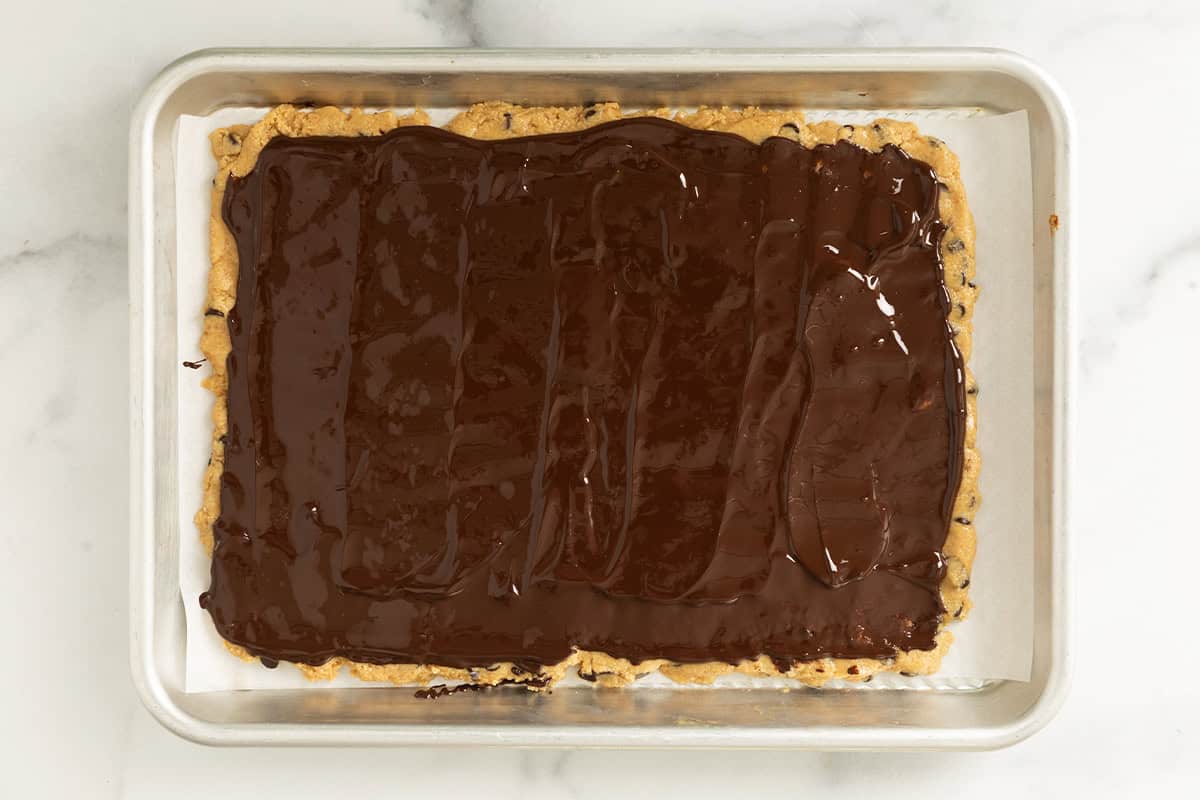
The melted chocolate mixture is poured over the compressed dough base. Using a spatula, the preparer spreads the chocolate to the edges, creating a hermetic seal over the nutrient-dense base. This layering technique is a staple of "bark" confectionery, providing a multi-textural experience. -
Phase Four: Stabilization and Portioning
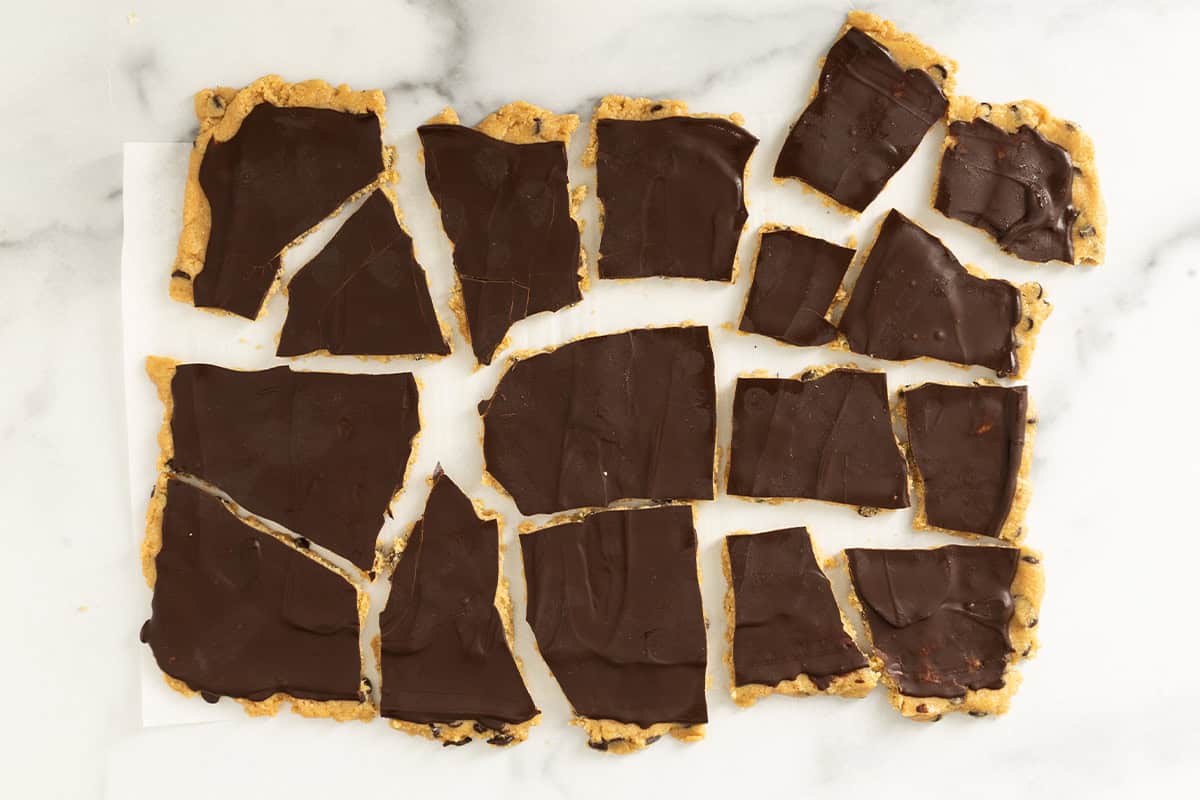
The final phase requires placing the assembly into a sub-zero environment. The freezing process allows the fats in the peanut butter and coconut oil to solidify, creating a rigid structure. Once the stabilization is complete—typically after several hours—the sheet is removed from the freezer and broken manually or with a knife into irregular, bite-sized pieces.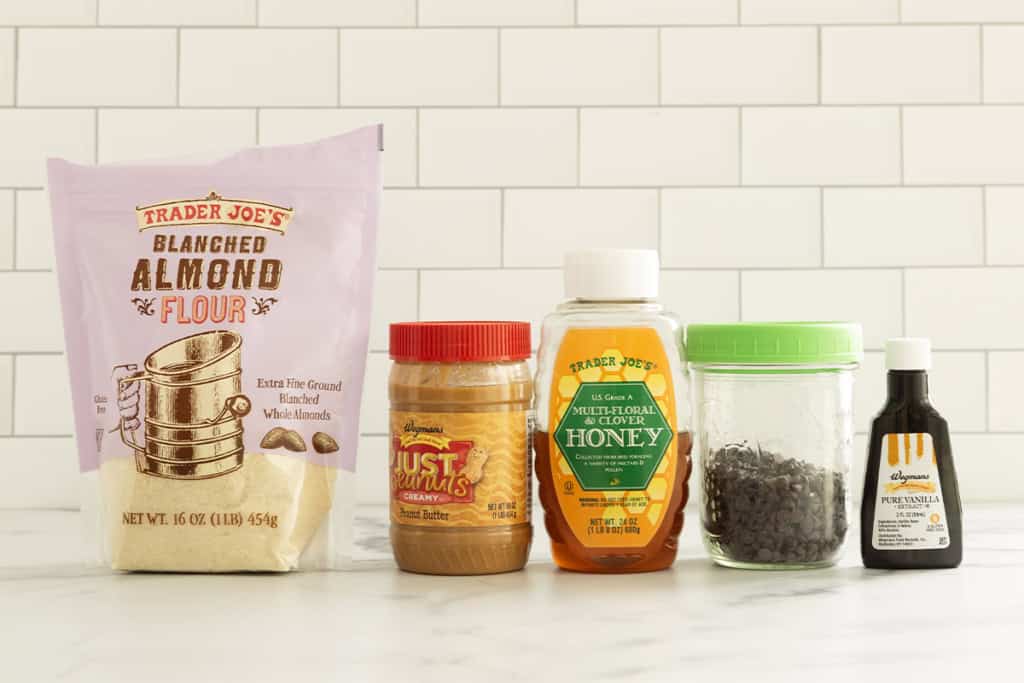
Comprehensive Nutritional Data Analysis
A quantitative assessment of the Cookie Dough Bark reveals a profile that supports modern dietary goals. Based on a standard yield of 16 servings, the nutritional breakdown is as follows:
- Caloric Content: 148 kcal per serving.
- Protein: 4 grams, contributing to muscle repair and satiety.
- Total Fat: 10 grams (primarily monounsaturated and polyunsaturated fats).
- Saturated Fat: 3 grams.
- Carbohydrates: 11 grams.
- Dietary Fiber: 2 grams, aiding in digestive health.
- Sugar: 7 grams (significantly lower than commercial chocolate bars or cookies).
- Micronutrients: Trace amounts of Vitamin A, Vitamin C, Calcium (40mg), and Iron (1mg).
This data suggests that the snack provides a balanced ratio of macronutrients. The protein-to-sugar ratio is particularly noteworthy for pediatric nutrition, as high-protein snacks are often recommended by experts to prevent the "sugar crashes" associated with highly processed treats.
Food Safety and the "Edible Cookie Dough" Trend
The popularity of this recipe coincides with a broader cultural fascination with edible cookie dough. However, traditional raw cookie dough has been the subject of numerous health advisories from the Centers for Disease Control and Prevention (CDC) due to the presence of raw flour and raw eggs. Raw flour is an agricultural product that is not treated to kill germs like E. coli or Salmonella, which can lead to foodborne illnesses if consumed without baking.
By utilizing almond flour—which is safe to consume in its raw state—this recipe addresses these safety concerns. Furthermore, the absence of eggs makes the recipe accessible to those with avian allergies and those following a vegan or vegetarian lifestyle (provided a plant-based sweetener is substituted for honey). This transition from a "risky" treat to a "safe" snack represents a significant evolution in home-kitchen safety standards.
Societal Responses and Consumer Adaptability
The reaction to health-centric snacks like Cookie Dough Bark has been overwhelmingly positive among the parental demographic. In an era characterized by "time-poverty," the speed of preparation—requiring no oven time and minimal cleanup—is a major selling point. Statements from domestic culinary experts suggest that "fast" and "healthy" are no longer viewed as mutually exclusive terms.
Market analysts have also noted a rise in the demand for "nut-free" adaptations in response to the prevalence of nut allergies in school environments. The recipe’s adaptability is a key feature; the substitution of sunflower seed butter for peanut butter allows the snack to be safely included in school lunches or shared at public gatherings where allergy protocols are in place.
Broader Impact on Pediatric Nutrition and Habit Formation
The long-term implications of introducing snacks like Cookie Dough Bark into a child’s diet extend beyond immediate nutrition. Pediatric nutritionists emphasize that early exposure to lower-sugar, fiber-rich foods helps calibrate a child’s palate. By providing a dessert that is "yummiest" but also "healthier," caregivers can foster a positive relationship with food that does not rely on hyper-palatable, high-fructose corn syrup-laden products.
Furthermore, the "bark" format introduces an element of play and shared experience. The process of breaking the bark into pieces is an interactive activity that can involve children in the food preparation process, which studies have shown increases a child’s willingness to try new and healthy foods.
Storage, Longevity, and Sustainability
From a sustainability and waste-reduction perspective, the Cookie Dough Bark offers a significant shelf life. When stored in an airtight container or a zip-top bag in a freezer, the product maintains its structural integrity and flavor profile for up to three months. This longevity reduces the likelihood of food waste, as the snack can be consumed in small portions over an extended period.
The use of shelf-stable ingredients like almond flour and honey also contributes to the recipe’s practicality. Unlike fresh fruit-based desserts that may spoil within days, the components of this bark are staples that can be kept on hand, allowing for the rapid assembly of a nutritious dessert without a specialized trip to the grocery store.
Final Analysis of Modern Confectionery Trends
Cookie Dough Bark Fast and Healthy represents more than just a simple recipe; it is a microcosm of the current shift in the global food landscape. As consumers become increasingly literate in reading nutritional labels and understanding the science of ingredients, the demand for "functional treats" will likely continue to rise.
This recipe successfully bridges the gap between indulgence and wellness. It acknowledges the human desire for sweet, comforting textures while respecting the physiological need for protein, fiber, and healthy fats. As domestic kitchens continue to evolve into spaces of both creativity and health management, the adoption of such nutrient-dense, safe, and efficient recipes will likely become the standard rather than the exception. The move away from processed sugars toward plant-based, whole-food ingredients is not merely a trend, but a fundamental realignment of how society views the role of dessert in a balanced lifestyle.
