

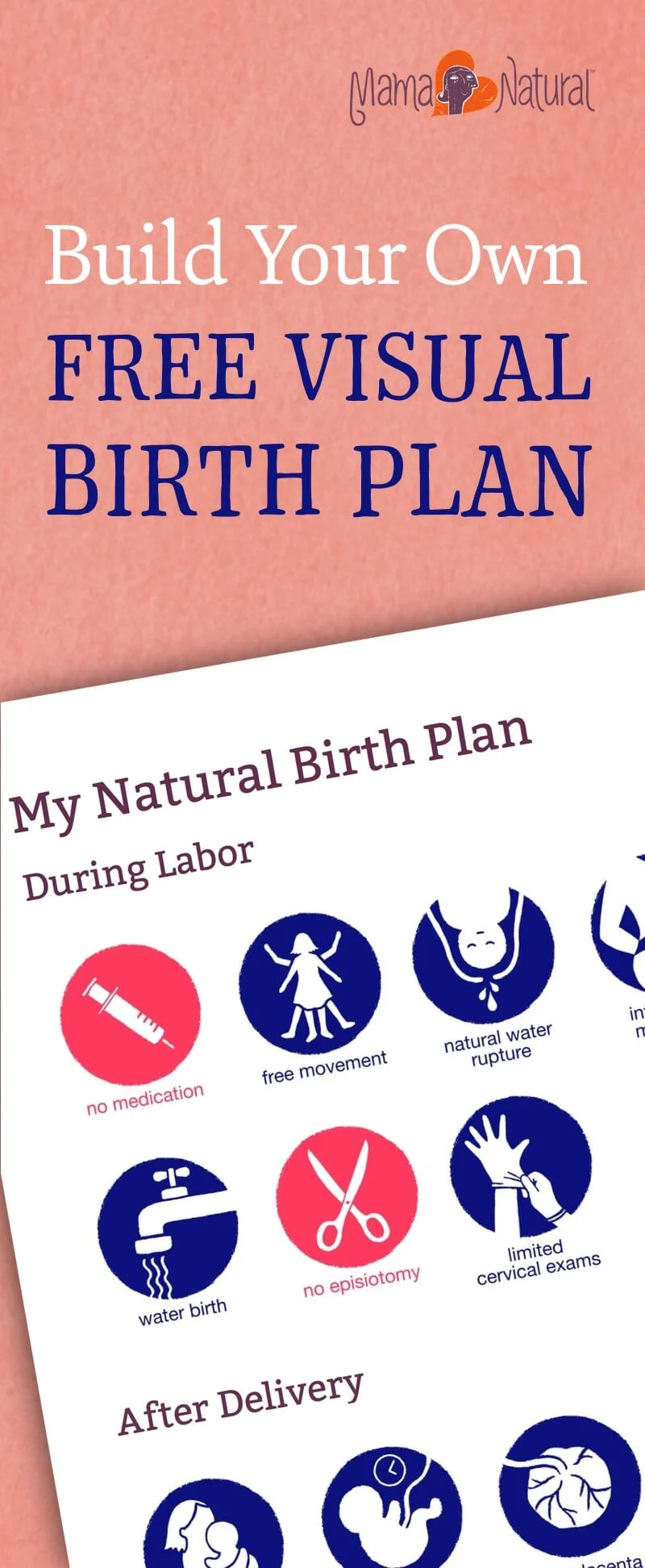
In an era where patient autonomy is increasingly prioritized within the clinical setting, the launch of the 2025 Visual Birth Plan Template represents a significant shift toward streamlined, icon-based communication between expectant parents and medical providers. The birth plan, once a lengthy and often ignored narrative document, has undergone a structural transformation to meet the high-pressure demands of modern labor and delivery wards. This latest iteration, developed by maternal health advocacy platforms, utilizes a "visual-first" philosophy designed to reduce the cognitive load on healthcare professionals while ensuring that the birthing person’s preferences regarding interventions, pain management, and newborn care are clearly understood and respected.
The primary objective of the visual birth plan is to serve as a functional blueprint for the arrival of a child. Unlike traditional text-heavy documents that can exceed several pages, the visual template consolidates critical information into a single-page format using standardized icons. This approach addresses a long-standing friction point in obstetric care: the disconnect between a patient’s detailed desires and the fast-paced, often emergency-driven nature of hospital environments. By providing a clear, color-coded guide, the template allows nurses, midwives, and obstetricians to grasp a patient’s preferences in seconds, facilitating a collaborative environment that prioritizes informed consent.
The Chronological Shift Toward Patient-Centered Obstetrics
The concept of a birth plan is not new, but its form has evolved alongside changes in obstetric philosophy. In the mid-20th century, childbirth in Western nations moved predominantly into hospital settings, where a "doctor-knows-best" model often sidelined the preferences of the laboring individual. By the late 1970s and early 1980s, the natural childbirth movement began to gain momentum, leading to the creation of the first written birth plans. These early documents were often adversarial in nature, designed to "protect" the mother from what were seen as unnecessary medical interventions.
Throughout the 1990s and 2000s, birth plans became more common but also more complex. Healthcare providers frequently reported that long, rigid documents were difficult to implement in practice, particularly when medical emergencies arose. The tension between "the plan" and "the reality" of labor often led to disappointment for parents and frustration for staff. The 2025 visual template represents the most recent stage of this evolution, moving away from rigid demands and toward a flexible, communication-oriented tool that recognizes the unpredictable nature of childbirth while maintaining the patient’s voice.
Technical Specifications and the 2025 Visual System
The 2025 update to the Visual Birth Plan Template introduces several key innovations designed to enhance clarity. The system utilizes a dual-color coding scheme to categorize preferences. Blue icons are used to denote positive preferences—actions the birthing team is encouraged to take. Examples include "free movement during labor," "intermittent monitoring," and "delayed cord clamping." Conversely, red icons signify negative preferences—interventions the patient wishes to avoid unless medically necessary. These include "no routine episiotomy," "no artificial rupture of membranes," and "no pacifiers for the newborn."
One of the most significant additions to the 2025 template is a dedicated section for "Gentle Cesarean" preferences. Historically, birth plans were often discarded once a surgical birth became necessary. However, the modern "Gentle Cesarean" or "Family-Centered Cesarean" approach allows for elements of a natural birth to be integrated into the operating room. New icons in the template allow parents to request a clear drape to see the birth, the immediate initiation of skin-to-skin contact in the OR, and the playing of specific music during the procedure. This inclusion acknowledges that a surgical birth is still a significant life event where patient preferences regarding the environment and bonding remain valid.
Supporting Data: The Impact of Autonomy on Maternal Outcomes
The push for clearer birth plans is supported by a growing body of data suggesting that a patient’s sense of agency during childbirth significantly impacts their long-term psychological health. Research published in the Journal of Perinatal Education indicates that women who feel they played an active role in decision-making during labor have a lower risk of developing postpartum depression and Post-Traumatic Stress Disorder (PTSD).

Furthermore, according to the American College of Obstetricians and Gynecologists (ACOG), the use of a birth plan can facilitate a more productive dialogue between the patient and the provider during prenatal visits. When a patient presents a visual plan in the second or third trimester, it serves as a catalyst for discussing the risks and benefits of various interventions before the high-stress environment of active labor begins. This "pre-labor" alignment is statistically linked to higher satisfaction rates regardless of whether the labor eventually requires medical intervention.
Addressing the "High Maintenance" Stigma and Professional Responses
Despite the benefits, birth plans have historically faced a stigma among some nursing and medical staff. Phrases such as "the longer the birth plan, the more likely the C-section" have circulated in hospital corridors for decades, reflecting a perception that highly detailed plans indicate an inflexibility that is incompatible with the realities of birth.
However, professional responses to the visual format have been notably more positive. Stephanie, a user of the visual template, reported that her midwife described the one-page icon-based sheet as "the best and clearest way to keep everyone on the same page." This sentiment is echoed by many labor and delivery nurses who argue that a visual aid is far more useful during a shift change or in the middle of a contraction than a three-page essay. The brevity of the visual template communicates a level of preparedness and an understanding of the hospital’s workflow, which often results in providers taking the document more seriously.
The visual format also serves as a protective tool for marginalized groups. Organizations such as the National Association to Advance Black Birth (NAABB) have highlighted the importance of birth plans in the context of the "Black Birthing Bill of Rights." In a healthcare system where Black women face significantly higher rates of maternal mortality and morbidity, a clear, written declaration of rights and preferences serves as a critical advocacy tool. It provides a tangible reference point that can be used by doulas or partners to ensure that the birthing person’s voice is not ignored due to systemic biases.
Broader Implications for the Future of Maternal Health
The shift toward visual communication in obstetrics reflects a broader trend in healthcare: the move toward "health literacy" and accessible information. As the medical field continues to grapple with rising intervention rates—with cesarean rates in the United States hovering around 32%—tools that empower patients to ask questions and define their "standard of care" are becoming essential.
The implications of the 2025 Visual Birth Plan Template extend beyond the delivery room. It signifies a move toward a "partnership model" of care. By simplifying the expression of complex desires, the template reduces the adversarial nature of patient-provider interactions. It acknowledges that while the medical team is the expert on safety and clinical outcomes, the birthing person is the expert on their own body and values.
As hospitals increasingly adopt "Baby-Friendly" designations and move toward more holistic maternity care, the integration of visual birth plans into electronic medical records (EMR) is the likely next step. Digital versions of these icon-based plans could eventually be uploaded directly to a patient’s chart, ensuring that every member of the care team, from the anesthesiologist to the pediatrician, is aware of the family’s preferences from the moment they check into the hospital.
In conclusion, the 2025 Visual Birth Plan Template is more than a simple download; it is a response to the evolving needs of modern parents and the logistical realities of contemporary healthcare. By prioritizing clarity, brevity, and visual communication, it offers a path forward that honors the sanctity of the birth experience while maintaining the efficiency required for clinical safety. As the dialogue around maternal health continues to prioritize equity and autonomy, tools that bridge the communication gap will remain at the forefront of obstetric innovation.
