

Black Breastfeeding Week, observed annually during the last week of August, stands as a vital platform dedicated to elevating the voices and lived experiences of Black women, whose contributions and challenges in the realm of infant feeding have been historically underrepresented and often overlooked. This focused recognition seeks to address persistent racial disparities in breastfeeding rates and to foster a supportive environment rooted in cultural understanding and shared community. The initiative underscores a broader movement towards health equity, acknowledging that storytelling, as championed by organizations like La Leche League (LLL), serves as a powerful conduit for connection, learning, and mutual support among mothers globally.
The Genesis of Black Breastfeeding Week: A Call for Equity
Established in 2012 by Kiddada Green and Kimberly Seals Allers, Black Breastfeeding Week emerged from a profound need to highlight and celebrate Black breastfeeding journeys while confronting the systemic barriers that have historically hindered Black women from initiating and continuing breastfeeding at rates comparable to their white counterparts. The founders identified six critical reasons for creating a dedicated week: low breastfeeding rates among Black women, the unique cultural and historical context, the need for increased visibility and representation, the high rates of infant mortality in the Black community, the historical trauma associated with wet-nursing during slavery, and the lack of culturally competent support.
For decades, national breastfeeding campaigns often failed to resonate with Black communities, overlooking the specific social, economic, and cultural factors at play. Statistics consistently revealed significant disparities; for instance, in the United States, Black mothers have historically had lower rates of breastfeeding initiation and continuation compared to white mothers. These disparities are not merely statistical anomalies but are deeply intertwined with complex socio-economic factors, implicit bias within healthcare systems, aggressive marketing of formula to Black communities, and a lack of generational breastfeeding knowledge often disrupted by historical oppression and modern societal pressures. Black Breastfeeding Week actively works to reclaim and normalize breastfeeding within the Black community, fostering a sense of pride and collective empowerment.
Understanding the Disparities: Data and Demographics
Global and national data consistently illuminate a stark landscape of racial and ethnic disparities in breastfeeding. According to the Centers for Disease Control and Prevention (CDC) in the U.S., while breastfeeding initiation rates have risen across all racial and ethnic groups, significant gaps persist. For example, recent data indicates that while around 85% of white infants are ever breastfed, the rate for Black infants can be several percentage points lower, and the disparity often widens significantly when looking at duration and exclusivity of breastfeeding. Similar trends have been noted in the UK, where data from the Infant Feeding Survey and various public health reports indicate lower rates of breastfeeding initiation and continuation among Black women compared to white women.
These disparities carry significant public health implications. Breastfeeding is a cornerstone of infant and maternal health, offering myriad benefits. For infants, it reduces the risk of Sudden Infant Death Syndrome (SIDS), respiratory infections, ear infections, gastrointestinal issues, asthma, obesity, and type 2 diabetes. For mothers, breastfeeding lowers the risk of breast and ovarian cancers, type 2 diabetes, and postpartum depression. Given that Black communities often experience higher rates of infant mortality and chronic diseases, promoting and supporting breastfeeding becomes an even more critical strategy for achieving health equity and improving long-term health outcomes for both mothers and children. The lower rates among Black women therefore contribute to a cycle of preventable health issues, making targeted interventions and culturally sensitive support paramount.
Melissa’s Journey: A Voice from the Community
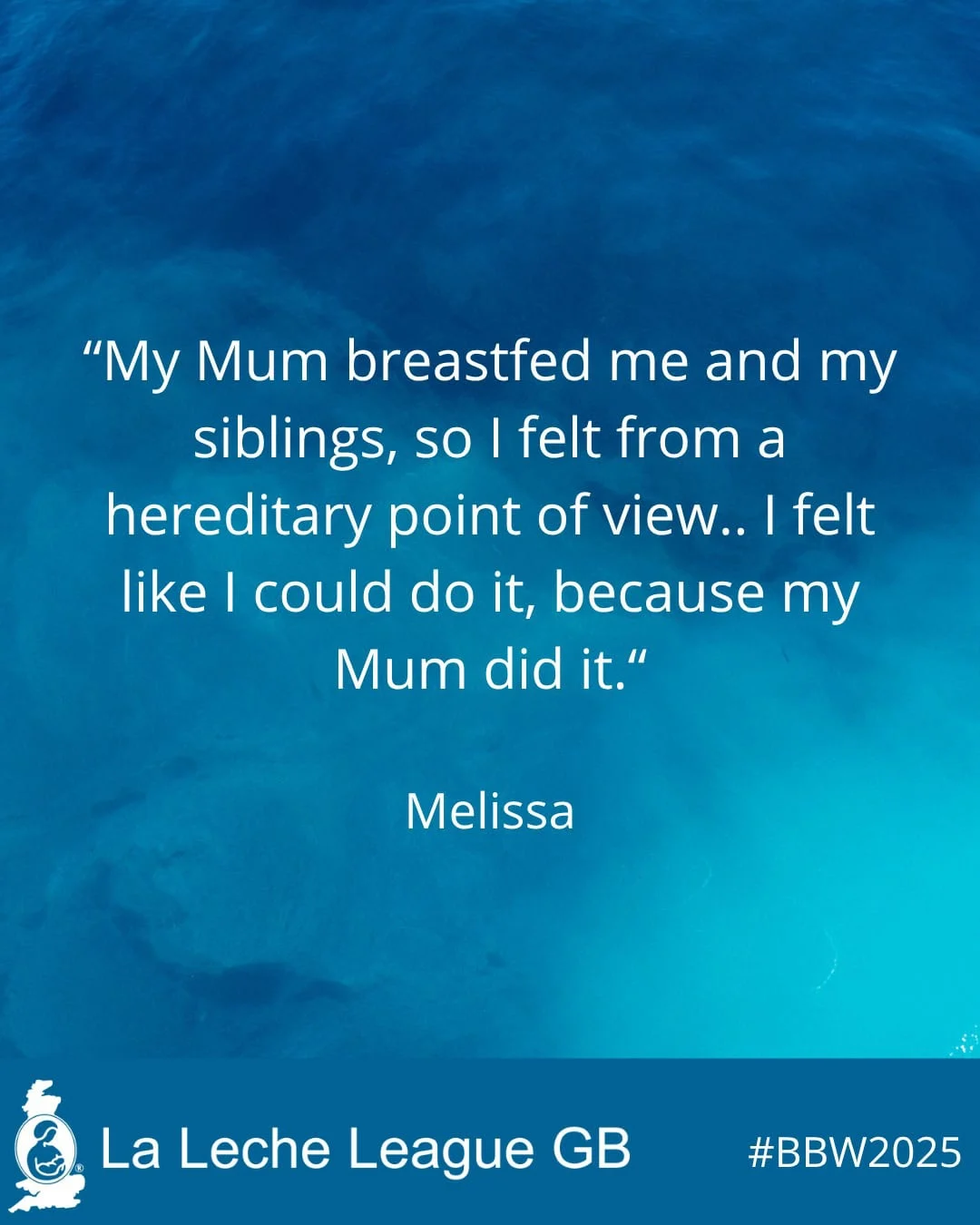
The personal narrative of Melissa from London, a mother navigating her breastfeeding journey with a five-month-old, powerfully illustrates the themes central to Black Breastfeeding Week. Her experience, shared through audio reflections while comforting her child, encapsulates the universal quest for support and understanding, particularly within a community that has historically faced unique challenges. Melissa’s story, like countless others, emphasizes the profound personal significance of breastfeeding and the critical need for a "likeminded community" to navigate its complexities.
-
Shifting Perceptions and Generational Gaps: Before becoming a mother, Melissa’s perception of breastfeeding, like many, was likely shaped by her immediate family and broader societal influences. In communities where breastfeeding rates have been historically low, or where formula feeding became normalized due to societal pressures, medical advice, or economic necessity, the act of breastfeeding may not have been a visible or commonly discussed practice within her family. This lack of generational exposure can leave new mothers feeling unprepared or isolated, without the innate wisdom and practical guidance that might be passed down in other cultural contexts. The absence of a robust family history of breastfeeding often means mothers embark on their journey with limited prior knowledge, making peer support and expert guidance even more crucial.
-
Navigating Barriers and Seeking Knowledge: Melissa’s reflections likely touched upon the common barriers faced by many mothers, exacerbated by the specific challenges Black women encounter. These can range from practical difficulties like latch issues, pain, and engorgement, to broader systemic obstacles such as inadequate support from healthcare providers, lack of culturally competent lactation consultants, and societal pressures. Many mothers wish they had known more about the practicalities and potential difficulties of breastfeeding before starting. The initial weeks can be overwhelming, fraught with self-doubt and physical discomfort. For Black mothers, these challenges are often compounded by experiences of racial bias in healthcare settings, where their pain may be dismissed or their concerns unheard, further hindering their ability to receive timely and effective support. Furthermore, the societal landscape, including the return to work and the absence of robust workplace lactation policies, often creates significant hurdles to sustained breastfeeding.
-
The Power of a Likeminded Community: Perhaps the most salient theme in Melissa’s experience is the profound necessity of building a supportive community. In the absence of extensive family history or adequate institutional support, peer networks become an invaluable lifeline. These communities, whether online forums, local support groups like La Leche League meetings, or informal networks of friends, provide a safe space for sharing vulnerabilities, exchanging practical advice, and receiving emotional validation. For Black mothers, such communities are particularly vital as they offer a space where cultural nuances are understood, experiences of racial bias can be processed, and solidarity can be forged. This communal support combats the isolation many new mothers feel and fosters resilience, empowering them to continue their breastfeeding journey despite obstacles. Melissa’s quest for a "likeminded community" resonates deeply with the core mission of Black Breastfeeding Week: to create spaces where Black mothers feel seen, heard, and unequivocally supported.
La Leche League’s Role: Amplifying Stories and Building Bridges
La Leche League, a global organization dedicated to helping mothers worldwide to breastfeed through mother-to-mother support, fundamentally understands the power of shared stories. Its philosophy aligns perfectly with the objectives of Black Breastfeeding Week by emphasizing the human connection forged when individuals share their experiences. LLL meetings and publications, like "Breastfeeding Matters," provide platforms for mothers to connect with "something bigger – the global community of mothers and peers, learning from and supporting each other."
By actively encouraging mothers like Melissa to share their narratives, LLL contributes to a vital repository of knowledge and empathy. For Black mothers, this invitation is particularly significant as it offers a recognized channel to voice experiences that have long been marginalized. It helps to normalize breastfeeding within their communities and provides invaluable insights into effective coping strategies, useful resources, and the sheer resilience required. By creating accessible avenues for storytelling, LLL supports the creation of diverse and inclusive communities where every mother’s journey is valued and understood, reinforcing the idea that "Your story could be exactly what someone else needs to hear." This commitment to individual narratives directly combats the historical erasure of Black women’s breastfeeding experiences and helps build the very "likeminded community" Melissa sought.
Systemic Challenges and the Path Forward
Beyond individual experiences and community support, systemic challenges remain significant barriers to achieving breastfeeding equity. The legacy of slavery, where Black women were often forced to wet-nurse white infants, created a historical trauma that severed the connection between Black mothers and breastfeeding their own children. This historical context, combined with discriminatory practices in healthcare and the aggressive marketing of infant formula to Black communities starting in the mid-20th century, has contributed to a persistent undermining of breastfeeding practices.
Today, Black women continue to face implicit bias and a lack of cultural competency within the healthcare system. Healthcare providers may not adequately address their specific concerns, provide timely lactation support, or fully understand the socio-economic and cultural contexts impacting their feeding decisions. Additionally, Black women are disproportionately affected by policies that lack adequate paid parental leave, flexible work arrangements, and sufficient workplace lactation facilities, making it challenging to sustain breastfeeding upon returning to employment. Addressing these systemic issues requires multi-faceted interventions, including comprehensive training for healthcare professionals on cultural humility and anti-racism, stricter regulations on formula marketing, and policy reforms that support all parents in their infant feeding choices.
The Broader Impact: Health Equity and Empowerment
Supporting Black breastfeeding extends far beyond individual health outcomes; it is a critical component of achieving broader health equity and social justice. By increasing breastfeeding rates and duration among Black mothers, communities can witness a reduction in infant mortality rates, which are disproportionately high in Black populations. It can also lead to healthier children with fewer chronic illnesses and healthier mothers with reduced risks of certain cancers and chronic diseases. This holistic improvement in health metrics contributes to stronger families and more resilient communities.
Furthermore, the empowerment derived from successfully breastfeeding, particularly in the face of adversity, can have profound psychological and social benefits for Black women. Reclaiming and celebrating breastfeeding traditions within their culture can be an act of defiance against historical oppression and a powerful affirmation of maternal agency. It fosters a sense of self-efficacy and connection to a lineage of resilience. Black Breastfeeding Week and the support structures it promotes are not just about feeding babies; they are about fostering self-determination, strengthening cultural identity, and advocating for a future where every Black mother has the resources, knowledge, and community she needs to make informed feeding choices and achieve her breastfeeding goals.
Advocacy and Future Directions
Continued advocacy is essential to dismantle the remaining barriers and solidify the gains made by initiatives like Black Breastfeeding Week. This includes advocating for policies that mandate comprehensive lactation support services, expand access to culturally competent lactation consultants, and ensure adequate paid family leave. Public health campaigns must also be designed with cultural sensitivity, featuring diverse representations of breastfeeding mothers and addressing the unique concerns of Black communities. Research into the specific mechanisms of disparities and the effectiveness of community-led interventions is also crucial for informing future strategies. The goal is to create an environment where breastfeeding is not just a choice, but a fully supported and celebrated practice for all Black women.
In conclusion, Black Breastfeeding Week stands as a powerful testament to the resilience, strength, and unwavering commitment of Black mothers. By providing a dedicated platform to share stories like Melissa’s, highlight systemic challenges, and champion community-led solutions, the initiative continues to drive critical conversations and foster meaningful change. The call from organizations like La Leche League to share personal narratives is more than an invitation; it is an affirmation of the profound impact individual experiences have in shaping collective understanding and building a truly equitable and supportive global community for every mother and child. Those inspired to contribute their own story can do so for publications such as "Breastfeeding Matters" or the La Leche League website by emailing [email protected] or using the provided online form, ensuring that their unique journey becomes a beacon of hope and knowledge for others.
