

The global probiotic market, valued at approximately $70 billion in 2023 and projected to grow significantly over the next decade, has faced increasing scrutiny from the scientific community and consumers alike regarding the actual efficacy of shelf-stable supplements. Despite the proliferation of products promising improved digestion, enhanced immunity, and clearer skin, a growing body of evidence suggests that a significant percentage of these supplements fail to deliver measurable results. For women, the challenges are particularly acute, as the female physiological environment requires specific microbial strains and delivery mechanisms that generic, one-size-fits-all formulations often lack. Industry analysts and healthcare professionals are now pointing toward a "transparency gap" in the supplement industry, where marketing claims often outpace the biological viability of the products themselves.
The Biological Barrier: Survival Rates in the Gastric Environment
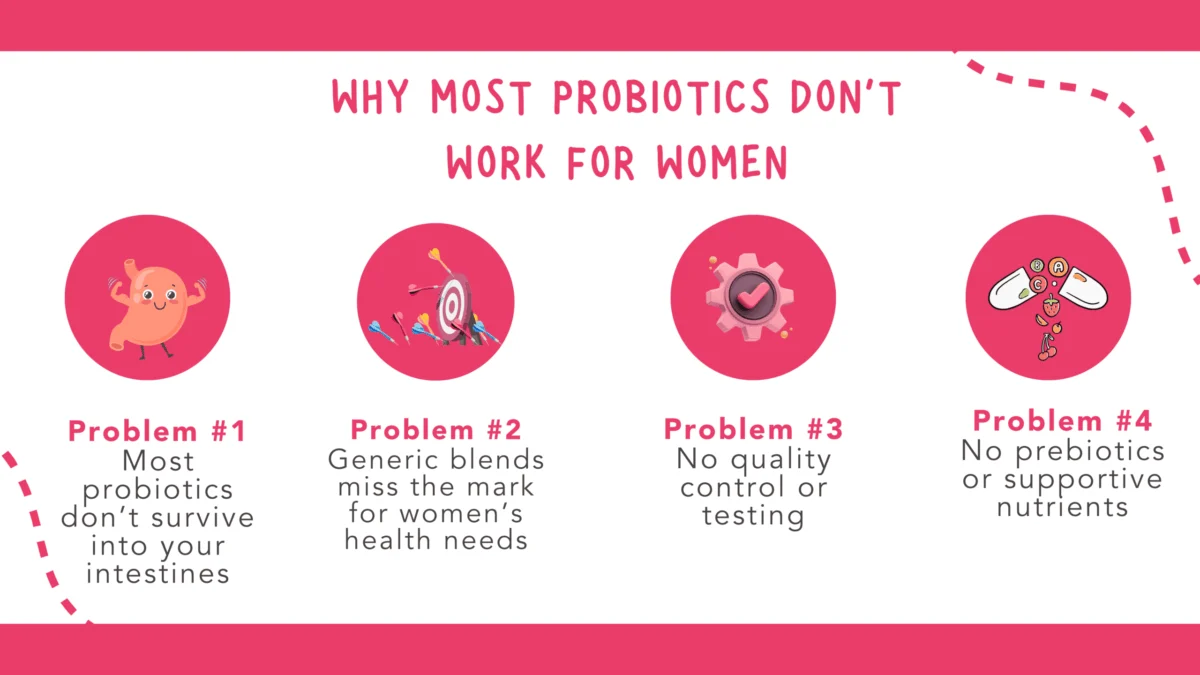
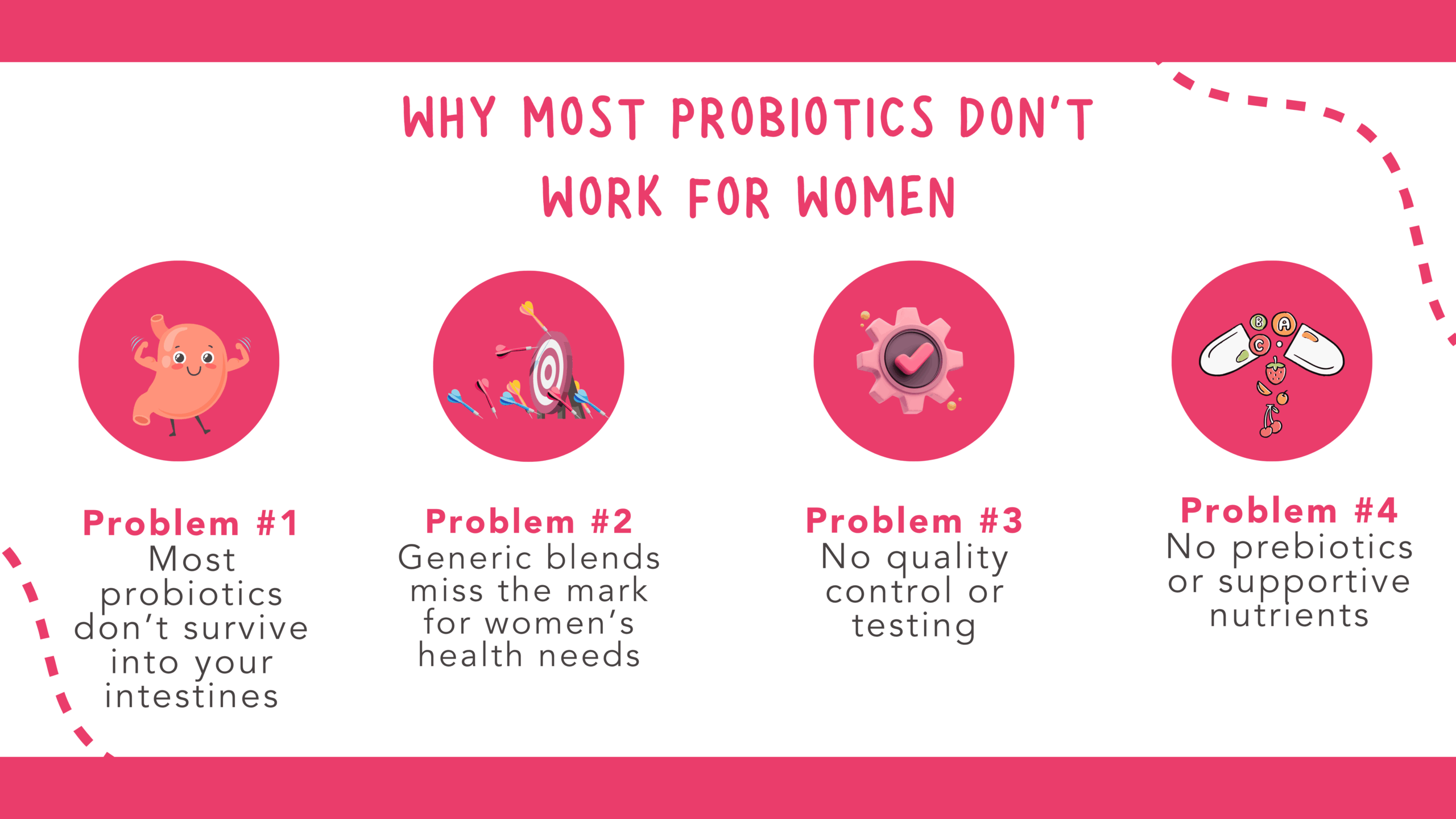
The primary obstacle to probiotic efficacy is the human digestive system’s natural defense mechanism. The stomach serves as a biological furnace, utilizing hydrochloric acid with a pH ranging from 1.5 to 3.5 to break down food and neutralize potentially harmful pathogens. While this acidity is essential for systemic health, it creates a hostile environment for delicate microbial life. Research indicates that many standard probiotic strains are eradicated within minutes of exposure to gastric juices, long before they can reach the small and large intestines where colonization is intended to occur.
To counter this, advanced nutraceutical formulations have shifted toward the concept of "potent overage." This manufacturing strategy involves including a significantly higher number of Colony Forming Units (CFUs) at the time of production than what is listed as the minimum effective dose on the label. By over-packing a capsule with extra bacteria, manufacturers attempt to ensure that a sufficient therapeutic load survives the transit through the stomach. Furthermore, the selection of resilient, acid-resistant strains has become a hallmark of high-quality supplements, moving away from fragile strains that require enteric coatings which can sometimes delay release past the optimal absorption window.
The Gender Gap in Microbiome Research and Formulation
Historically, clinical trials for dietary supplements frequently utilized male subjects to avoid the "complications" of fluctuating female hormones. This has resulted in a market saturated with generic blends that do not account for the unique requirements of the female microbiome. A woman’s health is inextricably linked to her hormonal cycles, which influence everything from gut motility to the vaginal pH balance.
Generic probiotics often overlook the necessity of strains that support the urogenital tract. For example, the vaginal microbiome is dominated by Lactobacillus species. When these populations are depleted, women become more susceptible to urinary tract infections (UTIs), bacterial vaginosis (BV), and yeast infections. Emerging data suggests that specific strains, such as Lactobacillus rhamnosus and Lactobacillus reuteri, are particularly effective at migrating from the digestive tract to the vaginal environment to restore microbial balance. Without these targeted strains, a probiotic may offer general digestive support while failing to address the specific immunological and reproductive health needs of women.
Analysis of Quality Control and Labeling Discrepancies
The regulatory landscape for dietary supplements differs significantly from that of pharmaceuticals. In the United States, the Food and Drug Administration (FDA) does not approve supplements for safety or efficacy before they are marketed. This regulatory environment has led to documented cases of poor quality control. A study published in the journal Nutrients and archived by the National Institutes of Health (NIH) revealed that some probiotic brands contained significantly fewer live bacteria than advertised on their labels. In some extreme cases, independent testing found zero live cultures in products that claimed to provide billions of CFUs.
The "live at time of manufacture" loophole is a common industry practice where the CFU count is only guaranteed at the moment the product is bottled. Given that probiotics are living organisms, they are sensitive to temperature, moisture, and light. Without rigorous third-party testing and stability data, consumers may be purchasing "dead" bacteria that offer no biological benefit. The shift toward third-party certifications, such as those from NSF International or the USP (U.S. Pharmacopeia), is becoming a critical metric for consumers seeking to verify that what is on the label is actually in the capsule.
The Role of Prebiotics: Nourishing the Gut Garden
A significant reason for the failure of probiotic supplements is the lack of "fuel" for the bacteria to thrive once they reach the intestines. This has led to the rise of "synbiotics"—supplements that combine probiotics (live bacteria) with prebiotics (non-digestible fibers that feed those bacteria). Without a substrate to ferment, introduced probiotic strains may pass through the system without ever colonizing the gut wall.
One of the most notable developments in prebiotic science is the utilization of baobab fruit fiber. Sourced from the Adansonia tree, commonly known as the "Tree of Life" in Africa, baobab fiber is a whole-food source of both soluble and insoluble fiber. Clinical data indicates that women require approximately 25 grams of fiber daily for optimal health, yet the average intake in many developed nations is less than half of that. Including prebiotics like baobab in a probiotic formulation not only supports the survival of the supplemental strains but also nourishes the indigenous beneficial bacteria already present in the user’s gut.
Chronology of Probiotic Development
The evolution of the probiotic industry can be categorized into four distinct eras:
- The Fermentation Era (Pre-1900s): Early human civilizations consumed fermented foods like yogurt, kefir, and kimchi for health, though the microbial mechanisms were unknown.
- The Discovery Era (1900-1950): Nobel laureate Élie Metchnikoff identified the health-promoting properties of Lactobacillus in Bulgarian yogurt eaters, marking the birth of modern probiotic science.
- The Commercialization Era (1990-2010): Probiotics entered the mainstream market as dietary supplements, though formulations were often rudimentary and lacked strain-specific research.
- The Precision Era (2010-Present): Current research focuses on the "human microbiome" as a complex organ. There is a move toward gender-specific, condition-specific, and strain-verified products that utilize advanced delivery systems and symbiotic pairings.
Official Responses and Industry Standards
In response to growing consumer skepticism, several leading manufacturers have begun to adopt more transparent practices. The International Probiotic Association (IPA) has established voluntary guidelines for labeling, recommending that companies list the genus, species, and specific strain of every microorganism included. For instance, instead of simply listing "Lactobacillus," a high-quality label will specify "Lactobacillus gasseri LG08."
Furthermore, the industry is seeing a move away from common allergens and fillers. Modern, high-tier formulations are increasingly free from dairy, gluten, soy, and synthetic binders. This is particularly important for women with autoimmune conditions or sensitive digestive systems, such as those with Irritable Bowel Syndrome (IBS), who may react poorly to the "inactive" ingredients in cheaper supplements.
Broader Impact and Future Implications
The implications of effective probiotic use extend far beyond simple digestion. The "gut-brain axis"—the bidirectional communication between the central nervous system and the enteric nervous system—suggests that gut health plays a pivotal role in mental health, including the management of anxiety and depression. For women, who are statistically more likely to be diagnosed with these conditions, maintaining a healthy microbiome through effective supplementation could be a cornerstone of holistic wellness.
Moreover, as antibiotic resistance becomes a global health crisis, probiotics are being investigated as a preventative measure to reduce the need for antibiotic prescriptions for recurrent infections. By maintaining a robust microbial barrier, women can potentially avoid the cycle of infection and antibiotic use that often leads to further microbiome depletion.
Conclusion: A Data-Driven Approach to Selection
For a probiotic to be effective for the female body, it must meet several scientific criteria: it must contain strain-specific bacteria backed by clinical research; it must utilize a delivery strategy that survives gastric acidity; it must be supported by prebiotic fibers; and it must be verified by independent third-party testing.
Consistency remains a vital factor in efficacy. Microbiologists suggest that it takes approximately two to four weeks of daily use for the gut ecosystem to begin rebalancing. When combined with a diet rich in fiber and fermented foods, high-quality, targeted probiotics represent a significant advancement in women’s preventative healthcare. As the industry moves toward greater transparency, the burden of proof is shifting from the consumer to the manufacturer, ensuring that the promises of "clearer skin" and "better mood" are rooted in biological reality rather than marketing rhetoric.
