

The global probiotic market, valued at approximately $71.2 billion in 2023 and projected to grow at a compound annual growth rate (CAGR) of 8.8% through 2030, has transitioned from a niche health food interest into a cornerstone of modern preventative medicine. As consumers increasingly prioritize gut health, the sheer volume of available products—ranging from shelf-stable capsules to refrigerated liquids—has created a state of "choice paralysis" for many. Understanding how to navigate this complex landscape requires a fundamental grasp of microbiology, regulatory standards, and individual physiological needs.
The Scientific Foundation of the Microbiome
The human microbiome is a vast ecosystem comprising trillions of microorganisms, including bacteria, fungi, and viruses, residing primarily in the large intestine. Scientific advancements over the last two decades, spearheaded by initiatives such as the Human Microbiome Project (HMP), have revealed that these microbes are not merely passive residents but active participants in human health. They assist in the synthesis of vitamins, the modulation of the immune system, and the maintenance of the intestinal barrier.
Probiotics are defined by the World Health Organization (WHO) as "live microorganisms which, when administered in adequate amounts, confer a health benefit on the host." However, the efficacy of these supplements is highly dependent on the specificity of the strains used and their ability to reach the lower gastrointestinal tract alive.
A Chronology of Probiotic Development
The utilization of beneficial bacteria dates back to ancient civilizations through fermented foods, but the formal scientific inquiry began in the early 20th century.
- 1907: Nobel laureate Elie Metchnikoff proposed that consuming fermented milk containing lactobacilli could prolong life by suppressing "putrefactive" bacteria in the colon.
- 1930: Dr. Minoru Shirota isolated Lactobacillus casei Shirota, leading to the commercialization of probiotic drinks.
- 1994: The Dietary Supplement Health and Education Act (DSHEA) was passed in the United States, creating a regulatory framework for supplements, including probiotics, though they remained classified as food rather than drugs.
- 2008–2017: The Human Microbiome Project mapped the microbial makeup of healthy individuals, providing the data necessary to develop targeted probiotic therapies for specific conditions like Irritable Bowel Syndrome (IBS) and atopic dermatitis.
- 2020–Present: The rise of "precision probiotics" marks a shift toward individualized formulations based on gender, age, and specific health markers.
Identifying Individual Health Objectives
Clinical research suggests that the "one-size-fits-all" approach to probiotics is obsolete. Medical professionals recommend that consumers first identify their primary health objective before selecting a product.
Gastrointestinal Health and Motility
For individuals experiencing bloating, gas, or irregular bowel movements, the focus remains on strains that enhance enzyme production and nutrient absorption. Strains such as Bifidobacterium lactis and Lactobacillus plantarum have demonstrated efficacy in clinical trials for reducing transit time in the gut and alleviating symptoms of abdominal distension.
Urogenital and Vaginal Microbiome
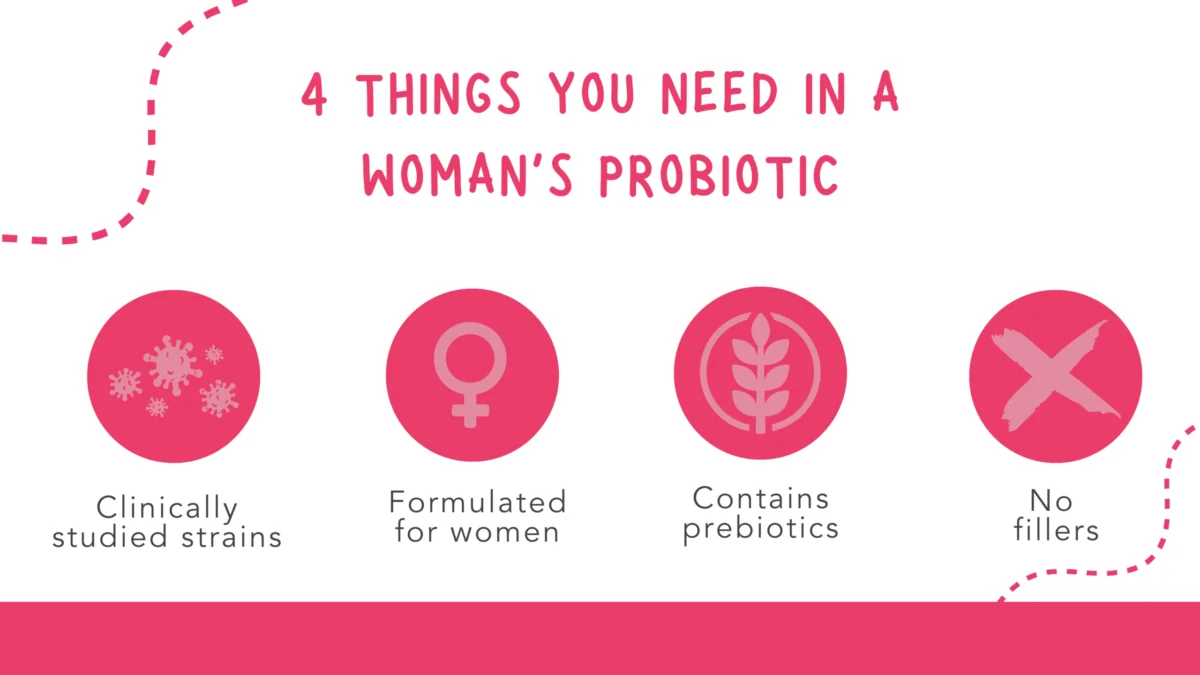
Women’s health requires a specific focus on the vaginal microbiome, which is naturally dominated by the Lactobacillus genus. Disruptions caused by antibiotics or hormonal fluctuations can lead to bacterial vaginosis or yeast infections. Research highlights Lactobacillus rhamnosus and Lactobacillus reuteri as critical strains for maintaining a low pH environment, which inhibits the growth of pathogenic organisms in the vaginal tract.
Immune System Modulation
Approximately 70% to 80% of the human immune system is located in the gut. Probiotics like Bifidobacterium longum and Lactobacillus casei interact with Gut-Associated Lymphoid Tissue (GALT), training the immune system to distinguish between harmless antigens and dangerous pathogens. This modulation is particularly vital for preventing upper respiratory tract infections and managing systemic inflammation.
The Gut-Brain Axis and Mental Wellness
The emergence of "psychobiotics" refers to probiotic strains that influence neurological function. The gut and brain communicate via the vagus nerve and through the production of neurotransmitters like serotonin and dopamine. Strains such as Lactobacillus helveticus and Bifidobacterium longum have been shown in controlled studies to reduce cortisol levels and improve symptoms of mild anxiety and depression.
Evaluating Product Quality and Potency
The lack of stringent FDA oversight regarding the efficacy of supplements places the burden of quality control on the consumer and the manufacturer. To ensure a product is effective, several technical criteria must be met.
Colony Forming Units (CFUs): This measurement indicates the number of viable bacteria in a dose. While higher numbers are not always superior, a range of 10 billion to 50 billion CFUs is generally considered the standard for maintaining daily health. For therapeutic purposes following antibiotic use, higher concentrations may be warranted under medical supervision.
Strain Specificity: Labels should list the genus (e.g., Lactobacillus), the species (e.g., acidophilus), and the specific strain designation (e.g., La-14). The strain designation is crucial because different strains within the same species can have vastly different effects on the body.
Third-Party Verification: Reputable manufacturers engage independent laboratories—such as NSF International, USP, or ConsumerLab—to verify that the contents of the bottle match the label and are free from contaminants like heavy metals or mold.
Survival and Delivery Mechanisms: The primary challenge for any probiotic is surviving the highly acidic environment of the stomach (pH 1.5 to 3.5). Advanced delivery technologies, including enteric coatings and delayed-release capsules, are designed to protect the bacteria until they reach the alkaline environment of the small and large intestines.
The Role of Prebiotics and Synbiotics
The efficacy of a probiotic is often limited by the availability of "fuel" for the bacteria to colonize the gut. Prebiotics are non-digestible fibers, such as inulin, fructooligosaccharides (FOS), and galactooligosaccharides (GOS), that serve as food for beneficial microbes.
When a supplement combines both probiotics and prebiotics, it is termed a "synbiotic." This combination ensures that the live bacteria have the necessary resources to thrive upon arrival in the colon. However, analysts note that individuals with Small Intestinal Bacterial Overgrowth (SIBO) or high sensitivity to FODMAPs should approach prebiotics with caution, as they can initially exacerbate gas and bloating.
Market Trends: The Shift Toward Shelf-Stability
Historically, probiotics required refrigeration to maintain viability. However, recent innovations in freeze-drying (lyophilization) and packaging have led to a surge in shelf-stable products. This is particularly relevant for the modern consumer who requires portability. Stability testing at room temperature (approximately 25°C or 77°F) ensures that the CFU count remains accurate through the product’s expiration date, rather than just at the time of manufacture.
Products such as the Mama Natural Women’s Probiotic exemplify this trend, utilizing a "4-in-1" approach that addresses digestive, immune, and vaginal health while maintaining shelf stability. This formulation strategy reflects a broader industry move toward multi-strain, high-CFU (50 billion) products that eliminate the logistical hurdles of refrigeration.
Clinical Implementation and Expectations
Experts emphasize that probiotics are not immediate "cure-alls." The restoration of a microbial balance is a gradual process.
- Consistency: Daily administration is required to maintain a "transient" population of beneficial bacteria, as most supplemental probiotics do not permanently colonize the gut.
- Duration: Clinical improvements in digestion or mood typically manifest after three to four weeks of consistent use.
- Lifestyle Integration: A probiotic supplement is most effective when paired with a diet high in fiber, adequate hydration, and the avoidance of excessive sugar and processed foods, which can promote the growth of dysbiotic bacteria.
Broader Implications for Public Health
The integration of probiotics into mainstream healthcare has significant implications for reducing the global burden of antibiotic-associated diarrhea and hospital-acquired infections like Clostridioides difficile. Furthermore, as the scientific community continues to explore the "microbiome-metabolism" link, probiotics may play a future role in managing metabolic syndrome and obesity.
The transition from "vague wellness" to "targeted microbiology" allows consumers to take a more data-driven approach to their health. By matching specific symptoms to clinically backed strains and ensuring high standards of manufacturing, individuals can effectively utilize probiotics as a powerful tool in their long-term health repertoire. As research continues to evolve, the focus will likely shift even further toward personalized nutrition, where a person’s unique microbial DNA dictates their specific probiotic requirements.
