

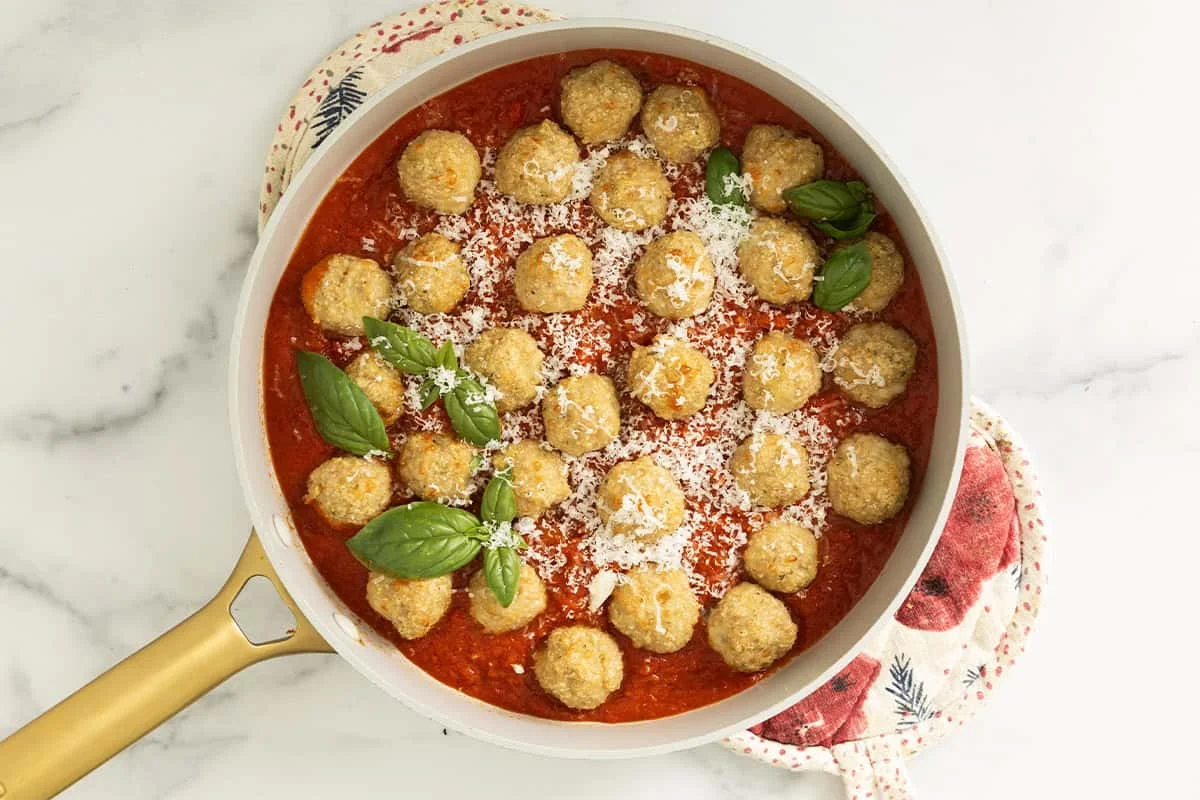
The traditional landscape of Italian-American cuisine has undergone a significant transformation in recent years, moving away from labor-intensive, multi-step preparations toward streamlined, nutrient-dense alternatives that cater to the fast-paced demands of modern households. Central to this culinary evolution is the adaptation of the classic Chicken Parmesan—a dish historically characterized by breaded, fried cutlets smothered in marinara and molten mozzarella—into a more versatile and efficient format: the Chicken Parmesan Meatball. This shift reflects broader trends in the global food industry, where convenience, portion control, and nutritional density are becoming the primary drivers of consumer behavior. By distilling the essential flavor profile of a complex entree into a singular, bite-sized unit, culinary experts have developed a solution that bridges the gap between gourmet expectations and the logistical realities of weeknight meal preparation.
The Historical Trajectory and Culinary Context
To understand the significance of the Chicken Parmesan Meatball, one must first examine the origins of its predecessor. Chicken Parmesan, or Chicken Parmigiana, is a quintessential example of the Italian diaspora’s influence on North American gastronomy. While its roots are often traced back to the Southern Italian dish Parmigiana di melanzane (Eggplant Parmesan), the substitution of poultry for eggplant was an innovation largely credited to Italian immigrants in the United States during the early to mid-20th century. As meat became more accessible in the New World, the dish evolved into a heavy, fried staple of "Red Sauce" joints across the Northeast.
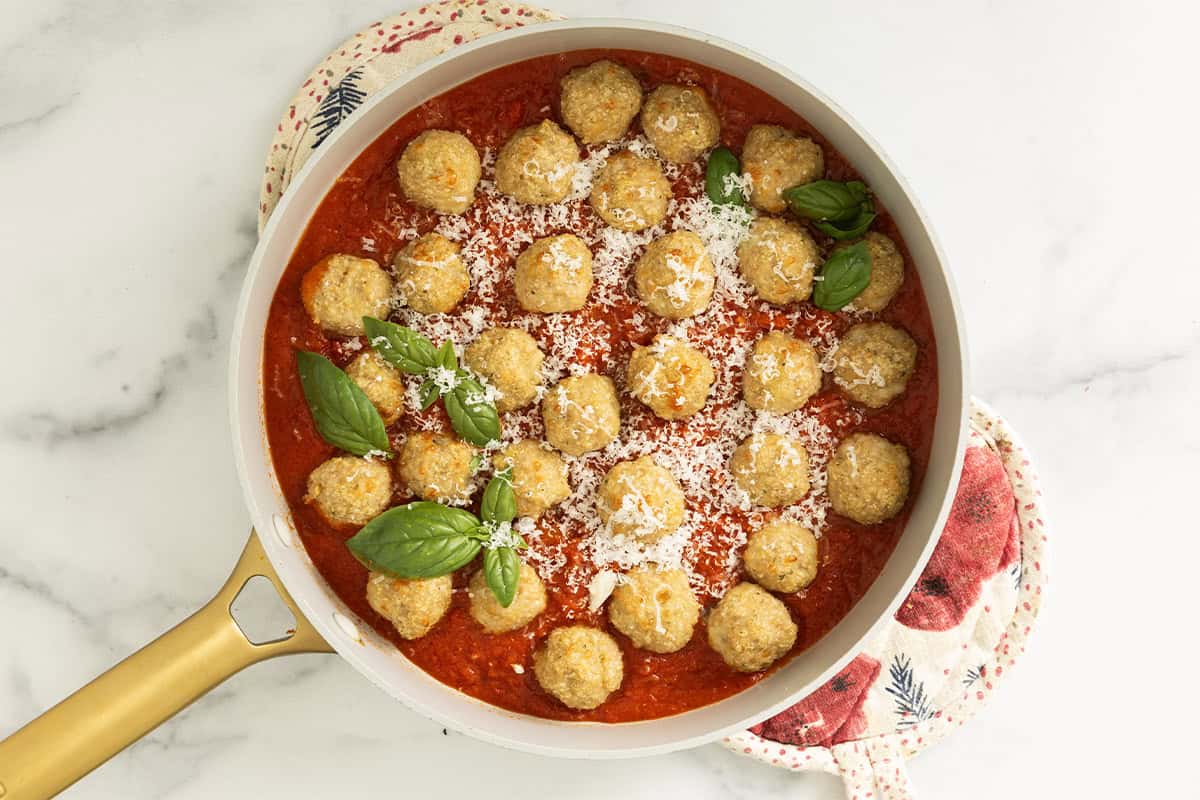
However, the 21st-century kitchen has seen a pivot. Modern dietary guidelines and the rise of the "efficiency-first" cooking movement have prompted a re-evaluation of traditional frying methods. The transition to a meatball format represents a strategic move to maintain the beloved flavor profile—savory chicken, acidic tomato, and salty Parmesan—while eliminating the tedious process of individual breading and pan-frying. This adaptation is part of a wider "meatballization" trend in the culinary world, where complex dishes like Buffalo chicken, Swedish meatballs, and even deconstructed cheeseburgers are being reimagined as spheres to improve cook times and storage capabilities.
Technical Analysis of Preparation and Composition
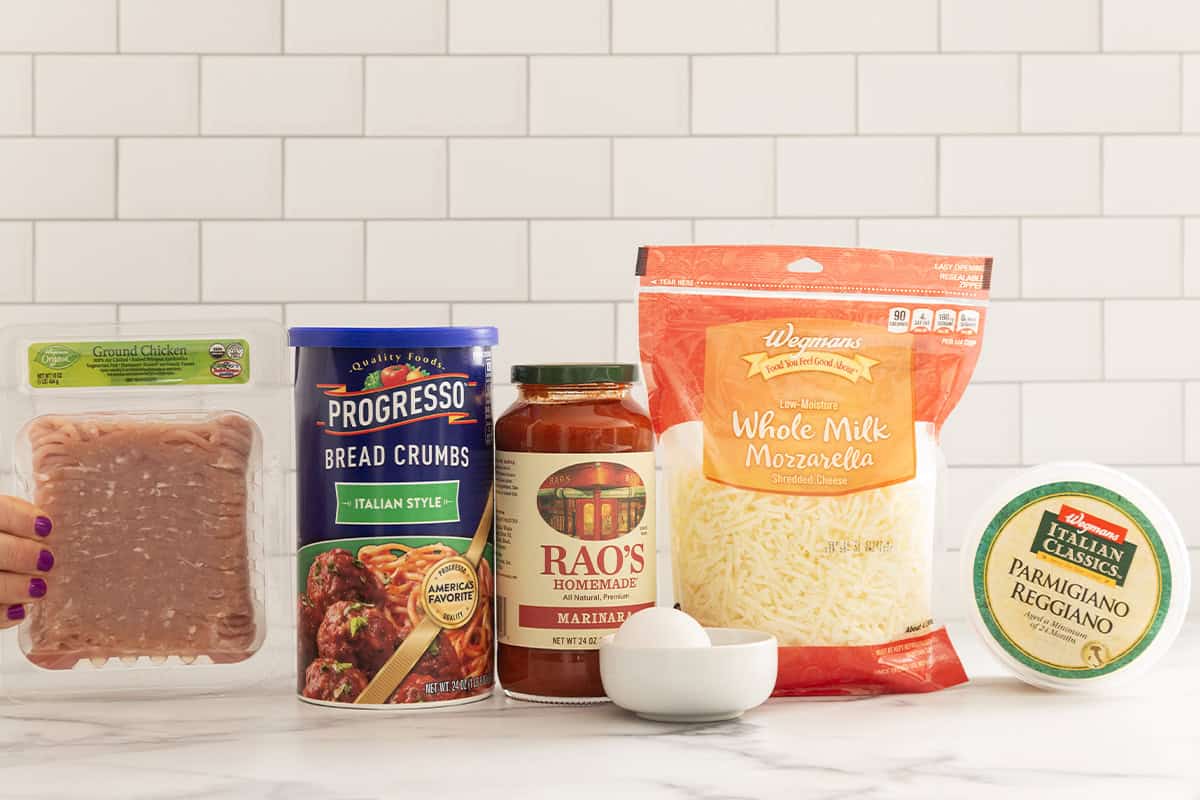
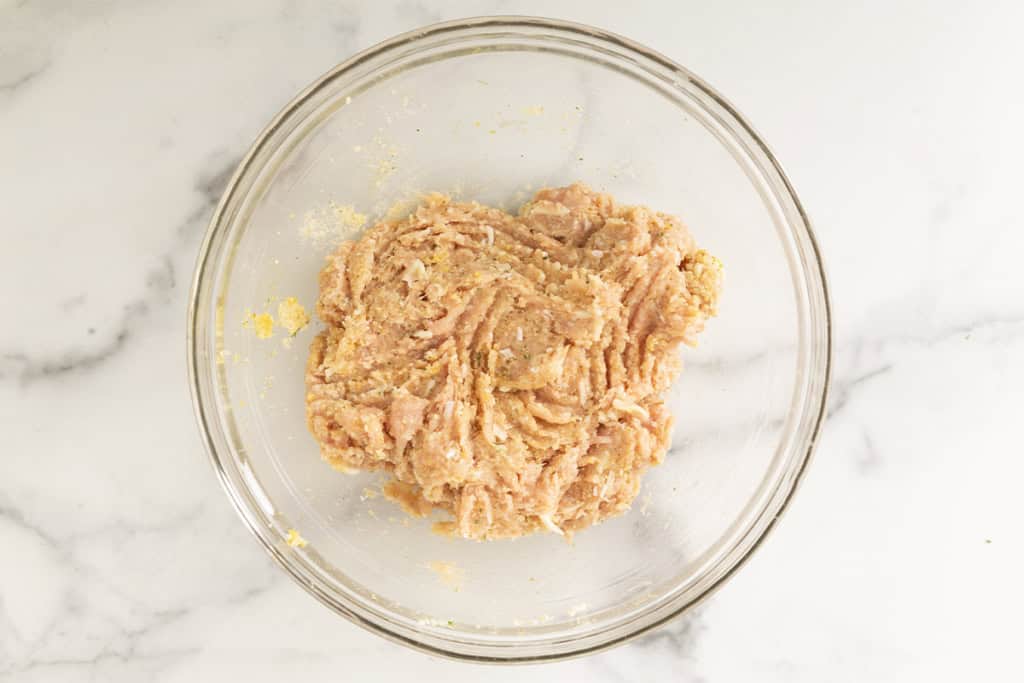
The Chicken Parmesan Meatball is defined by its minimalist ingredient list, typically requiring only five core components: ground chicken, Parmesan cheese, breadcrumbs, eggs, and marinara sauce. This simplicity is deceptive, as each ingredient serves a dual functional and flavor role.
- Ground Chicken: Unlike beef or pork, ground chicken offers a leaner protein base, though it requires careful handling to prevent dryness. The use of both breast and thigh meat is often recommended by culinary professionals to ensure a balance of moisture and structural integrity.
- Parmesan Cheese: Beyond its role as a primary seasoning agent, the high fat and protein content of Parmesan contributes to the "binding" of the meatball, creating a savory crust when exposed to the dry heat of an oven.
- Breadcrumbs and Egg: These act as the panade, a critical structural component in meatball construction. The starch in the breadcrumbs traps moisture, while the egg proteins coagulate during the cooking process to hold the sphere together.
- Marinara Sauce: Serving as both a cooking medium and a finishing glaze, the sauce provides the necessary acidity to cut through the richness of the poultry and cheese.
The methodology favored in contemporary professional recipes involves oven-baking rather than stove-top frying. This choice is supported by thermal dynamics; the consistent, circulating heat of an oven ensures that the meatballs reach a safe internal temperature of 165°F (74°C) without the risk of exterior charring or the addition of excess fats from frying oils.
Nutritional Data and Health Implications
From a clinical nutrition perspective, the Chicken Parmesan Meatball offers a balanced profile suitable for a variety of demographics, including pediatric and geriatric populations. Based on standardized recipe data, a single serving of two meatballs yields approximately 178 calories. The macronutrient distribution is notably high in protein, providing 16 grams per serving, which is essential for muscle repair and satiety.
The fat content remains moderate at 9 grams, with only 4 grams of saturated fat, making it a heart-healthy alternative to traditional beef-based meatballs or deep-fried chicken cutlets. Furthermore, the inclusion of Parmesan cheese contributes to a significant calcium intake (138 mg), while the chicken provides essential minerals such as potassium (514 mg) and iron (2 mg).
For families managing the dietary needs of toddlers or young children, this format is particularly advantageous. The soft texture of a baked meatball reduces choking hazards compared to whole chicken breasts, and the integration of cheese and sauce within the meatball itself ensures that children receive a complete flavor experience in every bite, potentially reducing selective eating behaviors.
Chronology of Production and Storage Efficiency
The logistical appeal of this dish is rooted in its timeline of production. Unlike traditional Chicken Parmesan, which can take upwards of 60 to 90 minutes to prepare from scratch, the meatball variant follows a condensed chronology:
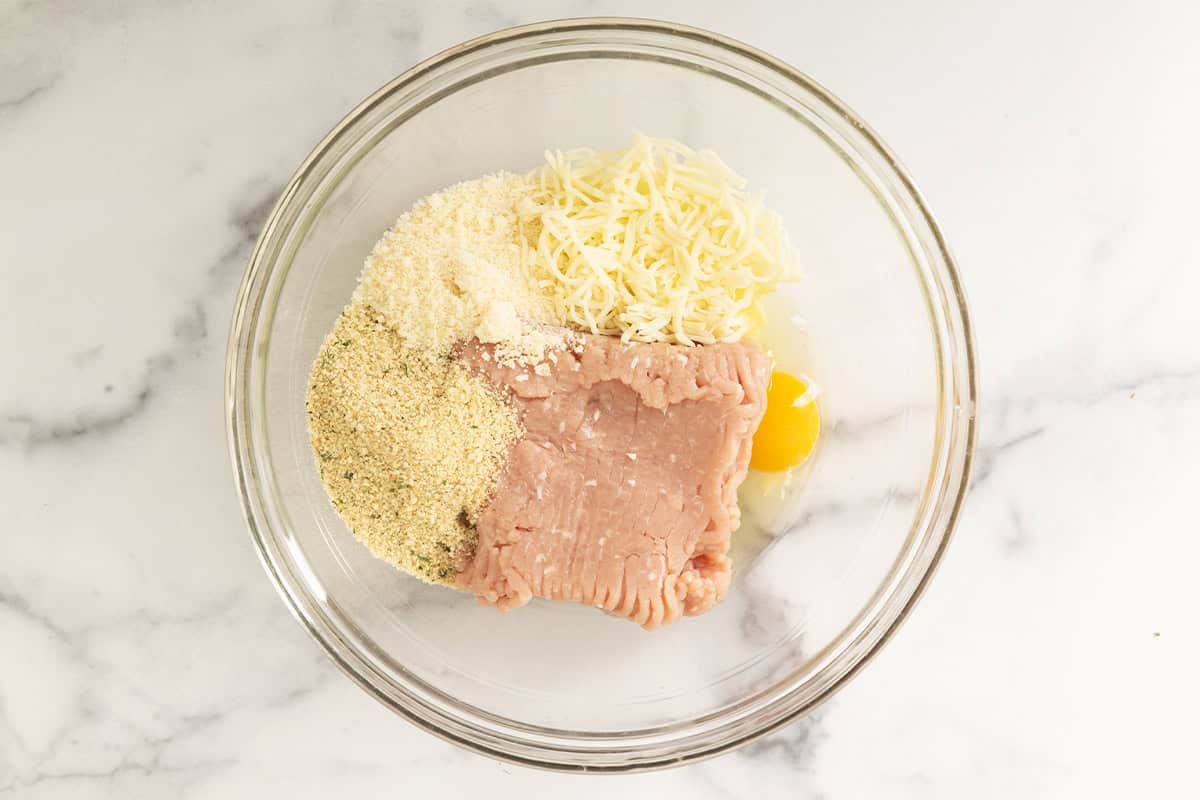
- T-Minus 10 Minutes: Assembly of the meat mixture. The process is accelerated by the use of a single bowl for mixing all ingredients, reducing post-cooking sanitation requirements.
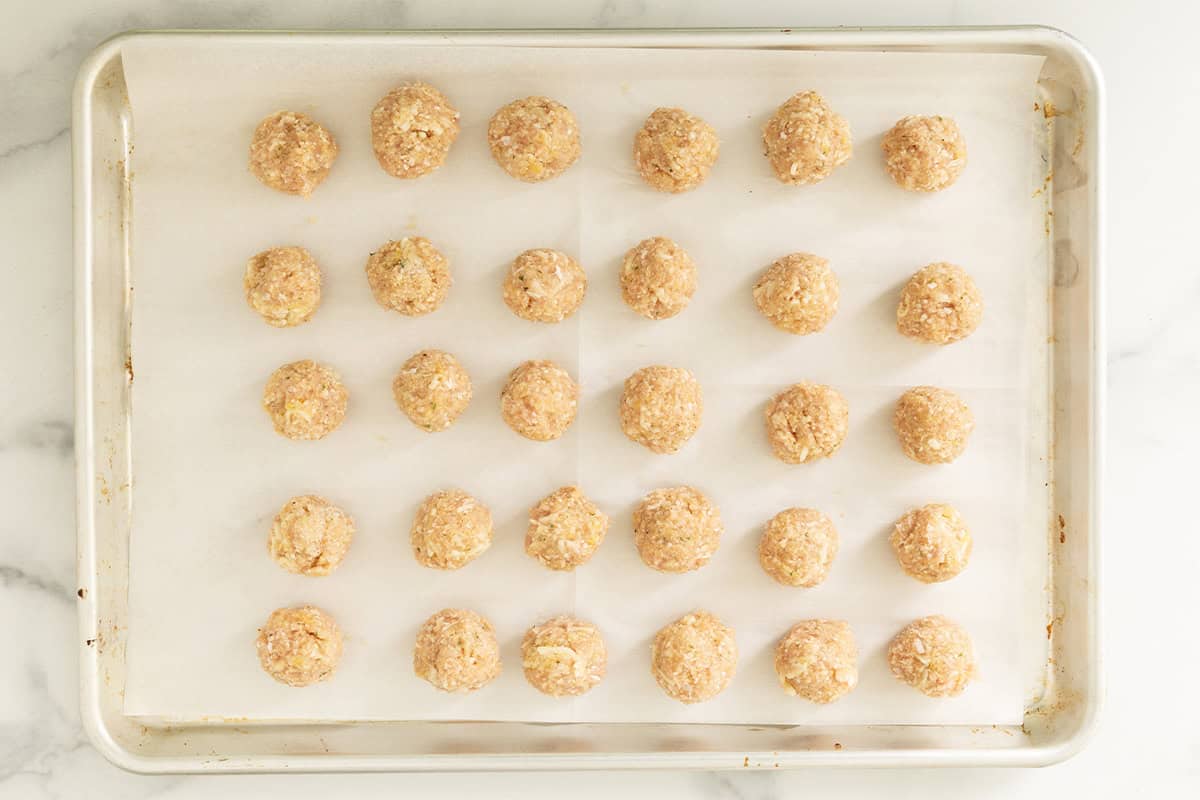
- T-Minus 5 Minutes: Shaping and placement. Utilizing parchment-lined baking sheets allows for rapid cleanup and prevents sticking without the need for additional grease.
- Cooking Phase (20 Minutes): The meatballs are baked at high heat, allowing the chef to prepare side dishes such as pasta, Caesar salad, or roasted vegetables simultaneously.
- Finishing Phase (5 Minutes): Tossing the cooked meatballs in warmed marinara sauce to allow for flavor infusion.
Furthermore, the "store-and-save" capability of this recipe aligns with the burgeoning freezer-meal industry. Data suggests that precooked poultry meatballs can be safely refrigerated for up to five days or frozen for up to three months without significant degradation of texture or flavor. This makes them an ideal candidate for "batch cooking," a practice increasingly adopted by working professionals to mitigate the stress of daily meal preparation.
Market Trends and Industry Responses
The rise of specialized meatball recipes reflects broader shifts in the global meat industry. According to market research, the global processed poultry market is expected to grow significantly through 2030, driven by consumer preference for white meat over red meat due to health concerns and environmental impact. Chicken-based products are often viewed as having a lower carbon footprint than beef, making the Chicken Parmesan Meatball a choice that resonates with environmentally conscious consumers.
Food industry analysts have noted a surge in "hybrid" recipes that combine comfort food nostalgia with modern health standards. Leading culinary publications and digital platforms have responded by featuring "one-bowl" or "sheet-pan" versions of classic Italian dishes. The response from home cooks has been overwhelmingly positive, with social media metrics indicating that "easy weeknight dinners" and "kid-friendly recipes" are among the most searched and shared categories in the food and beverage sector.
Broader Implications for Culinary Education and Home Economics
The adoption of the Chicken Parmesan Meatball carries implications beyond the dinner table; it serves as a tool for culinary education. For novice cooks, the meatball format teaches the fundamentals of seasoning, binding, and thermal control without the intimidation factor of handling large cuts of meat or managing a deep fryer.
In the context of home economics, the dish demonstrates the principle of "ingredient multi-tasking." The same base ingredients used for the meatballs can be pivoted into meatball subs, pizza toppings, or even crumbled into a lasagna, showcasing the economic value of versatile proteins.
Culinary experts also highlight the adaptability of the recipe for various dietary restrictions. The substitution of gluten-free breadcrumbs or the use of ground turkey instead of chicken allows the dish to remain inclusive of diverse nutritional needs. This flexibility is a hallmark of modern recipe development, where the goal is no longer rigid adherence to tradition, but rather the creation of accessible, delicious, and healthy food for all.
Conclusion
The Chicken Parmesan Meatball represents more than just a convenient recipe; it is a symbol of the modern kitchen’s ability to adapt and thrive. By prioritizing efficiency, nutrition, and versatility, this dish has secured its place as a staple of contemporary dining. As the food industry continues to evolve, the success of such adaptations suggests a future where the barriers to healthy, homemade meals are continually lowered, allowing families to enjoy the rich heritage of international cuisine without compromising their time or health. Whether served over a bed of al dente spaghetti, tucked into a toasted roll, or enjoyed as a high-protein snack, the Chicken Parmesan Meatball stands as a testament to the enduring appeal of Italian flavors reimagined for the 21st century.
