

The rise of digital subscription services tailored to family nutrition represents a significant shift in how modern households manage the logistical and nutritional complexities of daily meal preparation. As domestic schedules become increasingly compressed by professional demands and extracurricular activities, platforms such as the YTF Community have emerged to provide structured, data-driven solutions for meal planning. These services aim to mitigate the "mental load" of parenting—a term used by sociologists to describe the invisible labor of organizing and managing a household—by providing pre-curated menus, adjustable serving sizes, and automated grocery lists. The latest iteration of these strategies, exemplified by the July Week 5 meal plan, highlights a growing trend toward seasonal, toddler-friendly nutrition that balances convenience with dietary diversity.
The Socioeconomic Context of Family Meal Planning
The demand for structured meal planning is rooted in broader socioeconomic trends. According to data from the American Psychological Association, "decision fatigue" is a primary contributor to parental stress, particularly during transitional seasons such as summer. When routine structures like school-provided lunches are absent, the responsibility for providing three nutritionally balanced meals plus snacks falls entirely on the caregiver. Research indicates that the average parent spends approximately 40 minutes per day on food preparation, yet a significant portion of the stress associated with this task stems not from the cooking itself, but from the preparatory phases: selection, inventory management, and nutritional vetting.
Digital platforms address this by centralizing the decision-making process. By offering a "Week of Real Life Summer Lunches" and vacation-specific meal plans, these services provide a template that reduces the cognitive burden on the individual. This transition from individual labor to community-supported curation reflects a broader market shift toward the "subscription economy," where consumers trade a monthly fee for time-saving expertise and organized content.
Chronology of Seasonal Nutritional Management
The implementation of a weekly meal plan, such as the one designated for the final week of July, follows a specific chronological workflow designed to align with the rhythms of a modern family.
- Inventory and Assessment (Pre-Week): Users are encouraged to cross-reference digital plans with existing pantry stock. This phase is critical for reducing food waste, which the USDA estimates accounts for 30–40 percent of the food supply in the United States.
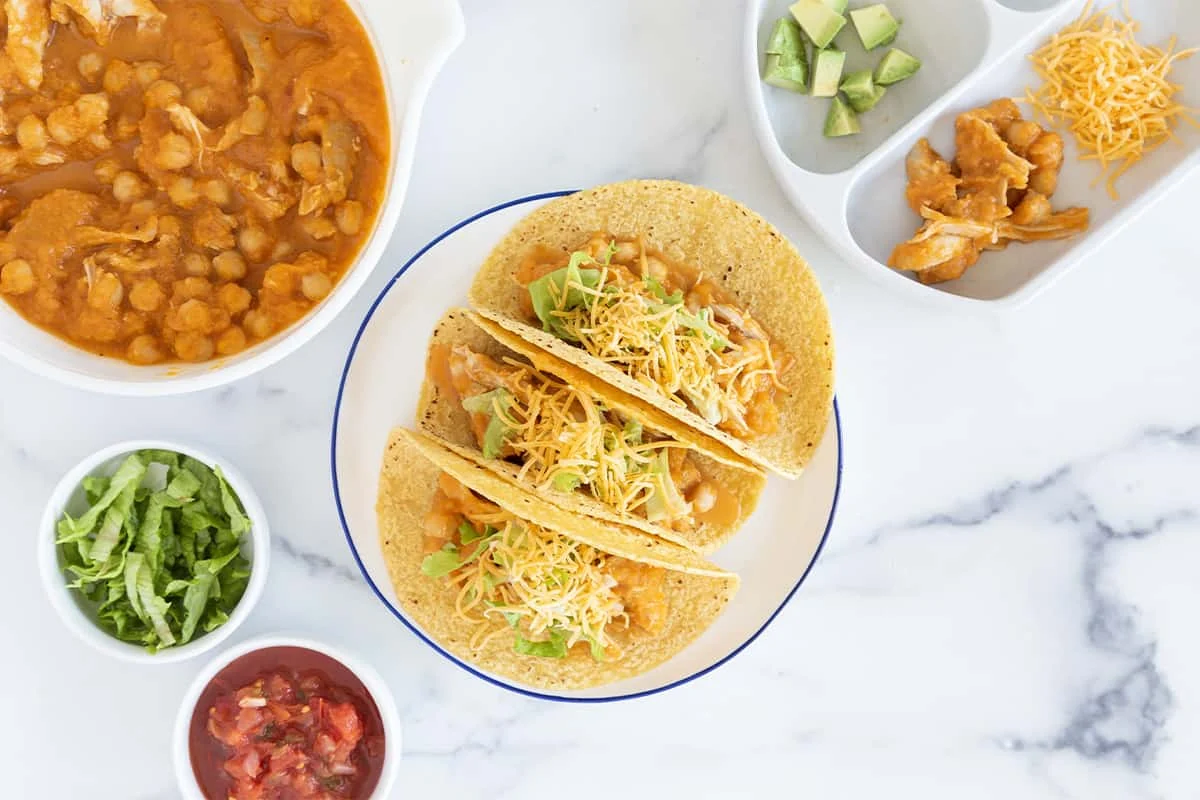
- Customization and List Generation: Using digital tools, caregivers adjust serving sizes to match household size. The automation of the grocery list ensures that all necessary components for recipes—such as Slow Cooker Chicken Tacos or Broccoli Muffins—are acquired in a single logistical outing.
- Preparation and Implementation (The Work Week): The plan utilizes specific cooking methods to accommodate high-temperature months. For instance, the inclusion of slow cooker recipes minimizes the use of ovens, thereby regulating home temperatures during peak summer heat.
- Nutritional Maintenance (Ongoing): Seasonal items like Watermelon Popsicles are integrated into the schedule not merely as treats, but as hydration strategies and sensory exposures for developing palates.
Analytical Breakdown of Nutritional Strategies
The specific recipes highlighted in the July Week 5 plan serve as a case study in pediatric nutritional strategy. Pediatricians often emphasize the importance of "repeated exposure" when introducing vegetables to toddlers. The inclusion of Broccoli Muffins is a tactical application of this principle, incorporating a high-fiber, nutrient-dense vegetable into a familiar, non-threatening format.
Furthermore, the "Slow Cooker Chicken Tacos" represent a balance of macronutrients. Chicken provides a lean protein source essential for muscle development, while the taco format allows for the "deconstructed" serving style often recommended for children with sensory sensitivities or picky eating habits. By separating components—beans, cheese, meat, and vegetables—caregivers empower children to exercise autonomy over their plates, a practice that child psychologists suggest can reduce mealtime power struggles.
The Role of Community and Subscription Models
The YTF Community operates on a tiered access model, a standard in the digital content industry. While foundational content remains accessible to the public, granular tools—such as editable grocery lists and full meal archives—are reserved for paid subscribers. This model ensures the sustainability of the platform while creating a "walled garden" for users who seek a more interactive experience.

Statements from the platform emphasize that this community aspect is vital for "sharing in the challenges and joys of feeding families." From a sociological perspective, these digital communities serve as a modern replacement for the traditional extended family networks that once shared domestic knowledge. In the absence of localized support systems, parents turn to digital forums to validate their experiences and seek professional-grade advice on nutrition.
Supporting Data on Meal Planning Efficacy
Quantitative studies support the benefits of the structured approach offered by such communities. A study published in the American Journal of Preventive Medicine found that individuals who spend more time on meal preparation are more likely to have healthier dietary patterns, including increased fruit and vegetable intake. However, the study also noted that the time required for planning was a significant barrier.
Key data points regarding meal planning include:
- Cost Reduction: Families who utilize a structured grocery list and meal plan report an average of 20 percent savings on their monthly food expenditure due to the elimination of impulse purchases.
- Time Savings: Digital list generation and pre-selected menus can save a caregiver between two to four hours of cognitive labor per week.
- Nutritional Consistency: Children in households that follow a structured meal plan are 24 percent more likely to consume the recommended daily servings of vitamins and minerals compared to those in households with "ad hoc" eating patterns.
Broader Impact and Implications for Public Health
The proliferation of these meal planning platforms has implications that extend beyond individual households. On a macro level, they contribute to public health by standardizing high-quality nutritional information. When experts provide "real-life" lunch ideas and vacation meal plans, they are translating complex nutritional guidelines into actionable steps for the layperson.
Moreover, the emphasis on "customizable" plans allows for the inclusion of various dietary needs, such as gluten-free, dairy-free, or vegetarian options. This inclusivity is essential in a landscape where food allergies among children are on the rise. According to FARE (Food Allergy Research & Education), approximately 1 in 13 children in the U.S. has a food allergy. Digital communities that provide editable templates allow these families to navigate nutritional requirements without the constant fear of accidental exposure.
Official Responses and Industry Outlook
While the YTF Community is a private entity, its operations mirror the recommendations of major health organizations. The World Health Organization (WHO) and the American Academy of Pediatrics (AAP) have long advocated for early childhood nutrition as a cornerstone of lifelong health. Industry analysts suggest that the market for digital meal planning will continue to grow at a compound annual growth rate (CAGR) of over 10 percent through 2030.
The integration of "FAQs" and "custom meal plan" creators within these platforms indicates a move toward more personalized, AI-driven nutritional coaching. As data analytics become more sophisticated, future iterations of these plans may automatically adjust based on a family’s biometric data or specific health goals, further bridging the gap between professional dietetics and daily domestic life.
Conclusion
The July Week 5 meal plan offered by the YTF Community is more than a simple list of recipes; it is a manifestation of a sophisticated approach to modern domestic management. By addressing the psychological, logistical, and nutritional needs of the family unit, such platforms provide a vital service in an era of increasing complexity. As families continue to navigate the challenges of summer schedules and beyond, the reliance on structured, community-supported digital resources is likely to become a permanent fixture of the nutritional landscape. The success of these models underscores a fundamental truth in contemporary parenting: that the optimization of family health requires not just good food, but a robust system of organization and support.
