

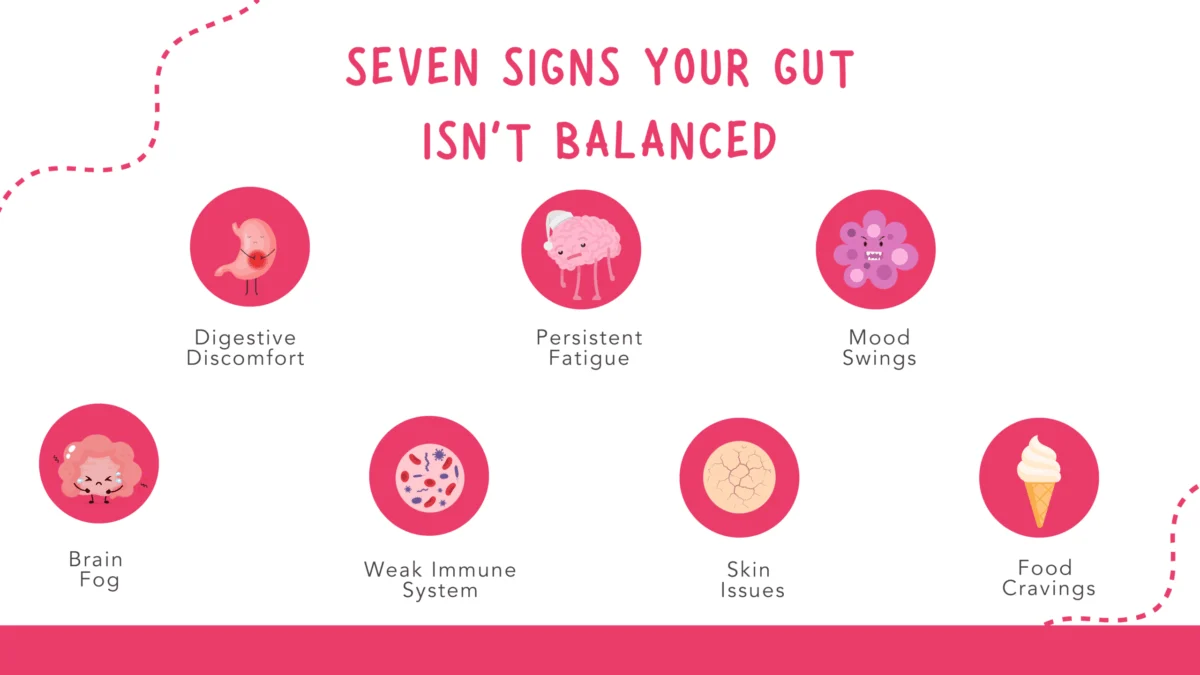
The human gastrointestinal tract, often referred to in medical literature as the "second brain," serves as a complex ecosystem housing trillions of microorganisms, including bacteria, fungi, and viruses. This collective, known as the gut microbiome, is increasingly recognized by the global medical community as a primary driver of systemic health, influencing everything from metabolic rates to neurological function. Recent clinical observations and longitudinal studies suggest that an imbalance in this delicate environment—medically termed dysbiosis—can manifest through a diverse array of physical and psychological symptoms that extend far beyond simple indigestion. As the prevalence of gastrointestinal disorders rises in industrialized nations, understanding the indicators of gut health has become a focal point for preventative medicine and public health initiatives.
The Clinical Significance of the Gut Microbiome
The microbiome is not merely a passive participant in digestion; it is an active endocrine organ. It assists in the synthesis of essential vitamins, such as B12 and K, and facilitates the breakdown of complex carbohydrates that human enzymes cannot process alone. When the ratio of beneficial commensal bacteria to opportunistic pathogens shifts, the body enters a state of physiological stress. This disruption often stems from various factors common in modern environments, including the frequent use of broad-spectrum antibiotics, high-stress lifestyles, and a diet dominated by ultra-processed foods.
Journalistic investigations into current healthcare trends reveal that patients are increasingly reporting non-specific symptoms—ranging from cognitive "fog" to chronic fatigue—that are frequently traced back to intestinal health. To address this, clinicians have identified seven primary indicators that suggest an individual’s gut microbiome may be compromised.
Seven Primary Indicators of Gut Dysbiosis
1. Chronic Gastrointestinal Distress
The most immediate and documented signs of an imbalanced gut are localized digestive issues. Frequent bloating, excessive flatulence, constipation, and diarrhea are hallmark symptoms of an ecosystem in flux. These conditions often indicate that the digestive system is struggling to eliminate waste or that certain bacterial strains are overproducing gas during the fermentation process. Medical professionals often utilize tools like the Bristol Stool Scale to help patients categorize these irregularities, which can serve as early warnings for conditions such as Small Intestinal Bacterial Overgrowth (SIBO) or Irritable Bowel Syndrome (IBS).
2. Persistent Fatigue and Sleep Disturbances
A growing body of evidence links gut health to energy levels. Chronic fatigue is no longer viewed solely through the lens of sleep hygiene or iron deficiency. A study published in ScienceDirect indicated that approximately 60% of individuals suffering from chronic fatigue also presented with symptoms of IBS. The mechanism behind this is multifaceted; dysbiosis can lead to poor nutrient absorption, leaving the body deprived of the fuel necessary for cellular ATP production. Furthermore, an unhealthy gut can disrupt the production of melatonin, the hormone responsible for regulating sleep-wake cycles, as its precursor, serotonin, is heavily synthesized in the gut.
3. Neurological Fluctuations and Mood Disorders
The "gut-brain axis" describes the bidirectional communication network between the central nervous system and the enteric nervous system. Research indicates that approximately 95% of the body’s serotonin—a key neurotransmitter involved in mood regulation—is produced in the gastrointestinal tract. Consequently, an imbalance in gut flora can lead to significant mood swings, heightened anxiety, and depressive symptoms. When the microbial environment is unstable, the production and signaling of these neurotransmitters are hindered, directly impacting mental health and emotional resilience.
4. Pathological Food Cravings
The microbiome has been shown to influence host behavior through the "microbial manipulation" of eating habits. Certain opportunistic bacteria and yeasts, such as Candida albicans, thrive on simple sugars. These organisms can secrete signaling molecules into the bloodstream that mimic hunger hormones, effectively "hijacking" the host’s cravings to ensure their own survival. This creates a cycle where the consumption of processed sugars feeds the harmful bacteria, which in turn triggers further cravings, exacerbating the dysbiosis.
5. Dermatological Manifestations
The "gut-skin axis" is a concept gaining traction in dermatology. Inflammatory skin conditions, including acne, eczema, and psoriasis, are frequently correlated with gut inflammation. When the intestinal barrier becomes overly permeable—a condition often called "leaky gut"—pro-inflammatory cytokines and undigested food particles can enter the bloodstream. The body’s systemic immune response to these "invaders" often manifests as cutaneous inflammation. Clinical data suggests that improving gut transit time and microbial diversity can lead to significant improvements in skin clarity and texture.
6. Compromised Immune Response
The gastrointestinal tract houses an estimated 70% to 80% of the human immune system, specifically within the Gut-Associated Lymphoid Tissue (GALT). Beneficial bacteria train the immune system to distinguish between harmless antigens and dangerous pathogens. When the microbiome is depleted, the body’s primary defense mechanism is weakened, making the individual more susceptible to seasonal illnesses, respiratory infections, and prolonged recovery times.
7. Cognitive Impairment or "Brain Fog"
Cognitive symptoms such as confusion, forgetfulness, and a lack of mental clarity are increasingly associated with gut health. Metabolic byproducts from certain harmful bacteria can cross the blood-brain barrier, leading to neuroinflammation. Furthermore, the lack of short-chain fatty acids (SCFAs) like butyrate, which are produced by healthy bacteria during the fermentation of fiber, can deprive the brain of neuroprotective benefits, resulting in diminished focus and cognitive performance.
A Chronology of Microbiome Research and Understanding
The shift toward prioritizing gut health is a relatively recent phenomenon in modern medicine. For much of the 20th century, the gut was viewed primarily as a mechanical system for waste disposal.
- The Early 1900s: Nobel laureate Élie Metchnikoff first proposed that "putrefactive" bacteria in the gut contributed to aging and that consuming fermented milk could counteract these effects.
- The 1990s: The emergence of molecular sequencing allowed scientists to identify bacteria that could not be grown in a lab, revealing the sheer scale of the microbiome.
- 2007: The National Institutes of Health (NIH) launched the Human Microbiome Project, a major initiative to characterize the microbial communities found at several different sites on the human body.
- The 2010s-Present: Extensive research into the gut-brain axis and the gut-skin axis has moved microbiome health from the fringes of "alternative medicine" into the mainstream of clinical practice.
Evidence-Based Strategies for Restoring Gut Equilibrium
Addressing gut dysbiosis requires a multi-pronged approach focusing on nutrition, lifestyle, and targeted supplementation.
Dietary Fiber Integration
Fiber serves as the primary fuel source (prebiotic) for beneficial gut bacteria. Clinical guidelines suggest that women should aim for 22 to 25 grams of fiber daily, yet data shows that the average Western diet provides less than half of that amount. Professionals recommend a balance of soluble fiber (found in oats and legumes) to slow digestion and insoluble fiber (found in whole grains and vegetables) to assist in waste elimination. Emerging "superfoods" like baobab fruit have also gained attention for their high prebiotic content and antioxidant properties, which support the mucosal lining of the gut.
The Role of Fermentation
Fermented foods act as natural probiotics, introducing live, beneficial cultures into the digestive system. Historical data from cultures with high longevity rates often show a consistent intake of fermented staples such as kimchi, sauerkraut, kefir, and miso. Regular consumption of these foods can help maintain the "competitive exclusion" principle, where beneficial bacteria occupy space and resources, preventing the overgrowth of pathogens.
Hydration and Intestinal Integrity
Water is essential for the movement of fiber through the digestive tract. Furthermore, proper hydration supports the mucosal lining of the intestines, which acts as a barrier against pathogens. Experts often suggest that individuals consume half their body weight in ounces of water daily, with adjustments for physical activity and climate.
Targeted Probiotic Supplementation
While whole foods are foundational, certain life events—such as a course of antibiotics, bouts of illness, or significant hormonal shifts like those occurring postpartum—may necessitate the use of high-quality probiotic supplements. Professional-grade supplements are evaluated based on Colony Forming Units (CFUs) and strain specificity. Strains such as Lactobacillus rhamnosus and Bifidobacterium lactis are particularly well-studied for their roles in supporting immune function and vaginal health in women.
Industry Response and Market Trends
The global probiotics market is projected to grow significantly as consumers move away from reactive healthcare toward proactive wellness. Pharmaceutical and nutraceutical companies are responding by developing "shelf-stable" formulas that do not require refrigeration and are encapsulated to survive the acidic environment of the stomach. This ensures that the live cultures reach the lower intestine, where they can effectively colonize.
Broader Implications for Public Health
The implications of widespread gut dysbiosis are significant for public health policy. Chronic conditions linked to the microbiome, such as obesity, type 2 diabetes, and certain autoimmune diseases, account for a substantial portion of healthcare expenditures. By educating the public on the early signs of gut imbalance and the importance of dietary fiber and fermented foods, health authorities may be able to reduce the burden of these non-communicable diseases.
The integration of microbiome science into standard medical check-ups marks a turning point in how we view human biology. As research continues to unveil the intricacies of the gut-brain-skin connection, the "second brain" will likely remain at the forefront of medical innovation, shifting the focus of health from the suppression of symptoms to the cultivation of a thriving internal ecosystem. Your body’s subtle signals—from a midday energy crash to a persistent skin breakout—are not isolated incidents but are often the whispers of a microbiome seeking balance. Addressing these signs through evidence-based dietary and lifestyle changes remains one of the most effective ways to ensure long-term systemic health.
