

The landscape of maternal healthcare is undergoing a significant shift as expectant parents increasingly adopt streamlined, visual tools to communicate their delivery preferences to medical staff. At the forefront of this movement is the release of the 2025 visual birth plan template, a tool designed to bridge the communication gap between patients and healthcare providers through iconography and concise formatting. This development reflects a broader trend in obstetrics toward patient-centered care and shared decision-making, aiming to reduce the friction often associated with traditional, multi-page written birth plans.
The Rise of the Visual Birth Plan: A Chronological Shift
Historically, birth plans emerged in the late 1970s and early 1980s as a response to the increasing medicalization of childbirth. Originally conceived as a way for women to regain agency during labor, these documents often evolved into lengthy, text-heavy manifestos. By the early 2000s, medical professionals frequently reported that these detailed documents were difficult to review during the fast-paced environment of active labor, leading to a disconnect between patient expectations and clinical execution.
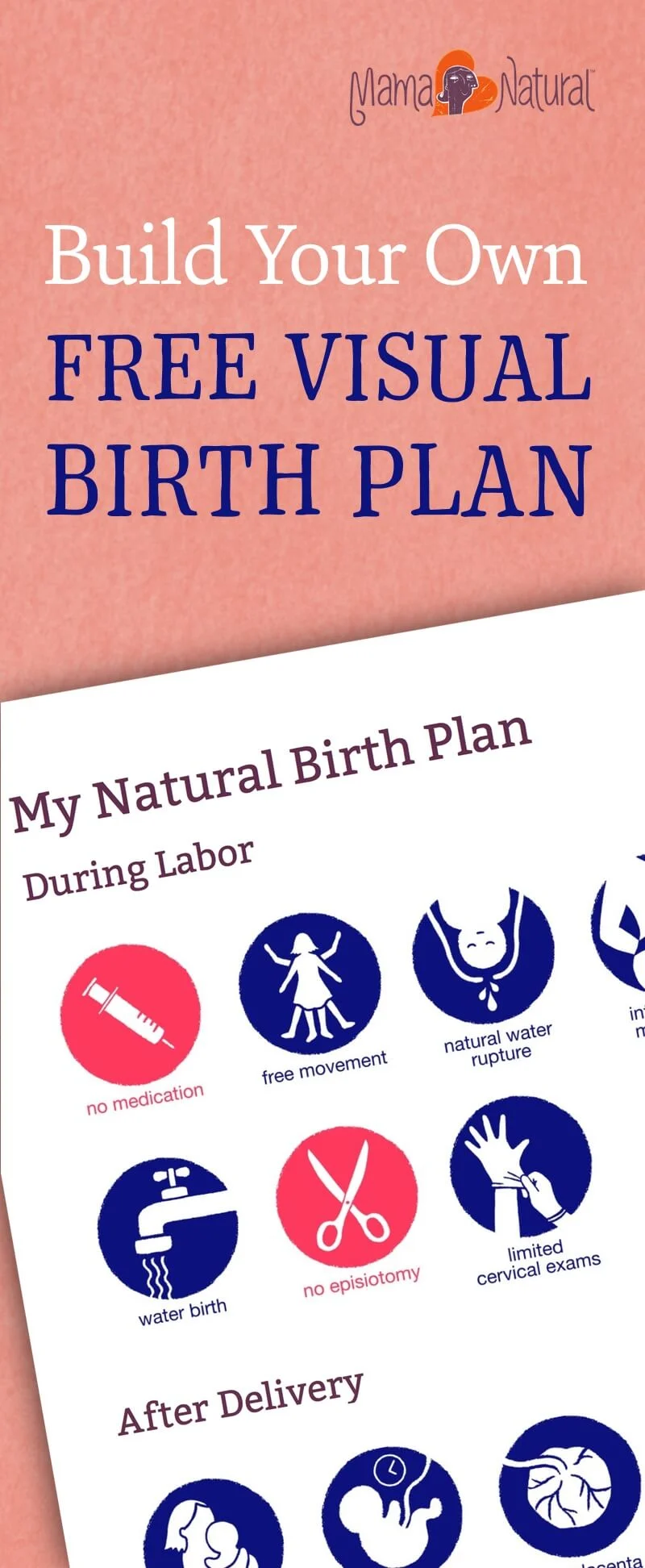
The transition to visual birth plans began in earnest over the last decade. Recognizing that labor and delivery nurses often have only seconds to scan a patient’s chart, advocates began developing icon-based templates. The 2025 update to the Mama Natural visual birth plan represents the latest iteration of this evolution. By utilizing a "drag-and-drop" interface in standard word processing software, the template allows parents to create a one-page "blueprint" of their choices. This chronological shift from verbal instruction to exhaustive text, and finally to intuitive iconography, marks a significant milestone in maternal health communication.
Technical Specifications and Customization Features
The current iteration of the visual birth plan is distributed as a customizable digital package, typically including an editable document and a library of standardized icons. The 2025 updates have expanded this library to include over a dozen new symbols, reflecting emerging trends in neonatal care and maternal preferences.
One of the most significant additions to the modern template is the dedicated section for "Gentle Cesarean" icons. A gentle cesarean, or family-centered cesarean, is a surgical birth that incorporates elements of a vaginal delivery, such as clear drapes for viewing the birth, immediate skin-to-skin contact, and the delayed clamping of the umbilical cord. By including these specific icons, the template acknowledges the reality that nearly one-third of births in the United States occur via cesarean section, ensuring that even surgical births can align with a parent’s foundational values.
The template utilizes a color-coded system to further enhance rapid comprehension. Blue icons are designated for positive preferences—actions the birthing team is encouraged to take, such as "free movement during labor" or "delayed cord clamping." Red icons represent negative preferences or interventions the patient wishes to avoid, such as "no episiotomy" or "no routine Pitocin." This binary visual system is designed to minimize cognitive load for medical staff during critical moments.
Supporting Data and Clinical Implications
Research into the efficacy of birth plans suggests that while they do not always guarantee a specific medical outcome, they significantly impact maternal satisfaction. A study published in the Journal of Perinatal Education indicated that women who feel their birth plans were respected report higher levels of psychological well-being postpartum, regardless of whether medical interventions were ultimately required.
Furthermore, the "communication gap" in high-pressure medical environments is a documented factor in patient safety. According to the World Health Organization (WHO), respectful maternity care is a fundamental human right. The use of a visual birth plan aligns with the WHO’s recommendations for "effective communication between healthcare providers and women in labor," which includes using simple, non-clinical language and ensuring the woman’s preferences are known to all staff members involved in her care.
In the context of health equity, tools like the visual birth plan are increasingly seen as a means of empowerment for marginalized groups. Organizations such as the National Association to Advance Black Birth (NAABB) have introduced the "Black Birthing Bill of Rights," which emphasizes the right to informed consent and respectful treatment. For women of color, who face disproportionately higher rates of maternal mortality and morbidity in the United States, a clear, professional birth plan can serve as a critical advocacy tool in a system where their concerns are historically more likely to be dismissed.

Professional Reactions and the "High Maintenance" Stigma
Despite the benefits, the implementation of birth plans has faced cultural resistance within some hospital settings. Clinical staff have occasionally characterized patients with birth plans as "high maintenance" or "inflexible." This stigma often stems from plans that are perceived as overly demanding, unrealistic, or adversarial in tone.
Medical professionals, particularly labor and delivery nurses, have expressed that the primary challenge with traditional birth plans is their length and the inclusion of "standard of care" items that are already routine in many modern facilities. For example, if a hospital already practices delayed cord clamping as a default, its inclusion in a birth plan may be seen as redundant.
The move toward a visual, one-page template is a direct response to this professional feedback. By keeping the document "nice, clean, and concise," as described by early adopters, the template seeks to mitigate the "inflexible" stereotype. Stephanie, a recent user of the visual template, noted that her midwife described the format as the "best and clearest way to keep everyone on the same page." This reaction suggests that when the format respects the time and workflow of the clinical team, the birth plan is transformed from a point of contention into a collaborative tool.
Informed Consent and Labor Interventions
A central function of the birth plan is to address labor interventions before the onset of the "labor brain"—the altered state of consciousness that occurs during intense physical exertion. Standard interventions that the template allows parents to pre-screen include:
- Vaginal Exams: Preferences regarding the frequency and necessity of cervical checks.
- Fetal Monitoring: Choices between continuous electronic monitoring and intermittent auscultation, which allows for greater mobility.
- Pain Management: Explicit instructions regarding the use of epidurals, nitrous oxide, or natural coping techniques.
- Amniotomy: Preferences regarding the artificial rupture of membranes (breaking the water).
By documenting these choices in advance, the birth plan facilitates informed consent. It ensures that the "default" hospital protocols do not override the patient’s individual health goals without a specific medical necessity.
Broader Impact on the Healthcare System
The adoption of visual birth plans has implications that extend beyond the individual delivery room. As more patients present these documents, hospitals are being pushed to re-evaluate their standard operating procedures. The presence of a birth plan often prompts a dialogue during prenatal visits, allowing providers to explain why certain preferences may or may not be feasible given the patient’s health profile or the facility’s capabilities.
This dialogue is essential for managing expectations. When a healthcare provider reviews a birth plan at 36 weeks, they can identify potential areas of conflict before labor begins. This proactive approach reduces the likelihood of emergency-room disputes and fosters a more trusting relationship between the patient and the medical institution.
Final Analysis: The Future of Birth Advocacy
As we move further into 2025, the integration of technology and maternal advocacy is expected to continue. The visual birth plan template is a precursor to more integrated digital health records where patient preferences are embedded directly into the electronic medical record (EMR) system. Until such systems are universal and user-friendly, the printed, one-page visual birth plan remains the most reliable method for ensuring a patient’s voice is heard in the delivery room.
The ultimate goal of these templates is not to provide a rigid script for birth—which is inherently unpredictable—but to provide a framework for respectful, informed care. By simplifying complex desires into a series of recognizable icons, the visual birth plan empowers parents to participate actively in their care while providing medical staff with the clarity they need to perform their duties safely and effectively. In the high-stakes environment of maternity care, this clarity is not merely a convenience; it is a vital component of a safe and positive birthing experience.
