

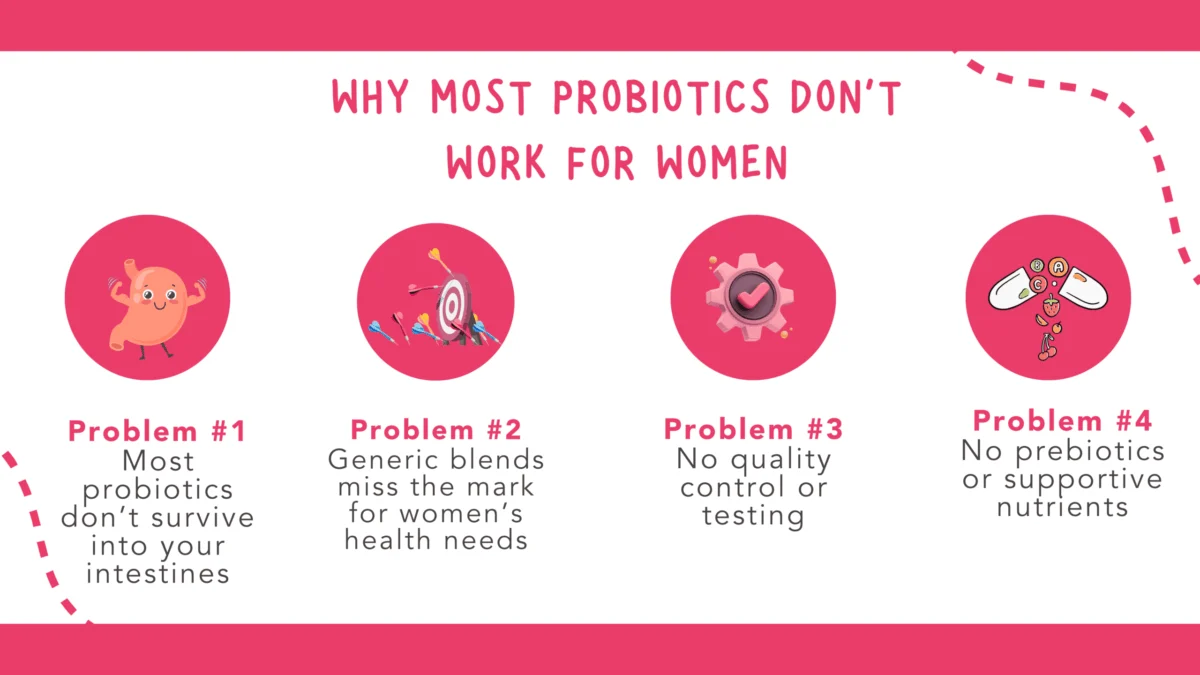
The global probiotic market has experienced an unprecedented surge over the last decade, with market analysts projecting the industry to exceed $100 billion by 2030. Despite this exponential growth and the proliferation of "gut-friendly" products on retail shelves, a significant portion of consumers—particularly women—report a lack of tangible health improvements after consistent supplementation. Scientific inquiry into this discrepancy reveals a multifaceted issue involving gastric survivability, gender-specific biological requirements, and a lack of rigorous quality control within the supplement industry.
As the medical community places increasing emphasis on the gut-brain axis and the microbiome’s role in systemic health, the demand for high-efficacy, targeted formulations has never been higher. However, the gap between marketing promises and clinical results remains wide. Understanding why standard probiotics often fail women requires a deep dive into the physiological hurdles of the digestive tract and the specific microbial needs of the female body.
The Physiological Barrier: Gastric Acid and Microbial Survivability
The primary challenge facing any oral probiotic is the journey through the human digestive system. The stomach is a highly acidic environment, with a pH typically ranging from 1.5 to 3.5. This acidity serves as a critical biological defense mechanism, designed to denature proteins and neutralize potentially harmful pathogens ingested through food.
However, this same defense mechanism is often the downfall of poorly formulated probiotic supplements. Most generic probiotic strains are highly sensitive to low pH levels. Research indicates that without protective measures, a vast majority of live cultures are destroyed in the stomach before they can reach the small and large intestines, where they are intended to colonize and exert their beneficial effects.
To combat this, advanced formulations have shifted toward the concept of "potent overage." This manufacturing strategy involves including a significantly higher number of colony-forming units (CFUs) at the time of production than what is stated on the label for the expiration date. By "over-packing" the capsules with extra bacteria, manufacturers can ensure that even after the inevitable attrition caused by stomach acid and shelf-life degradation, a therapeutic dose remains viable upon reaching the intestinal tract. Unlike traditional enteric coatings, which can sometimes fail to dissolve at the correct physiological point, smart formulation using resilient strains and high-density CFUs provides a more reliable delivery method.
The Gender Gap in Microbiome Research
Historically, medical research has often defaulted to a male-centric model, a trend that has extended into the development of nutritional supplements. Many probiotics on the market utilize "generalist" strains that, while beneficial for basic digestive regularity, do not address the complex interplay between the female microbiome and the endocrine system.
Women’s health requirements are uniquely influenced by hormonal fluctuations. The female microbiome is not limited to the gut; the vaginal microbiome (VMB) is a distinct and vital ecosystem that requires specific microbial support. A healthy VMB is typically dominated by Lactobacillus species, which produce lactic acid to maintain a low pH, thereby inhibiting the growth of pathogenic bacteria and yeast.
Generic blends often omit the specific strains necessary for this balance. Clinical studies have highlighted several strains that are particularly efficacious for women:
- Lactobacillus rhamnosus: Extensively studied for its ability to survive the transit to the vaginal tract and support immune function.
- Lactobacillus reuteri: Known for its role in inhibiting the colonization of harmful bacteria and supporting both gut and vaginal health.
- Lactobacillus gasseri: Linked to the maintenance of a healthy vaginal pH and potential benefits in weight management and metabolic health.
- Bifidobacterium longum: A key player in strengthening the intestinal barrier and modulating the stress response.
By failing to include these targeted strains in sufficient concentrations, many standard probiotics miss the mark for women seeking support for issues such as urinary tract health, yeast balance, and hormonal skin concerns.
Transparency and the Crisis of Quality Control
The supplement industry operates under a different regulatory framework than pharmaceutical drugs. In many jurisdictions, including the United States under the DSHEA (Dietary Supplement Health and Education Act of 1994), the burden of proof regarding safety and labeling accuracy rests largely with the manufacturer rather than a central regulatory body like the FDA.
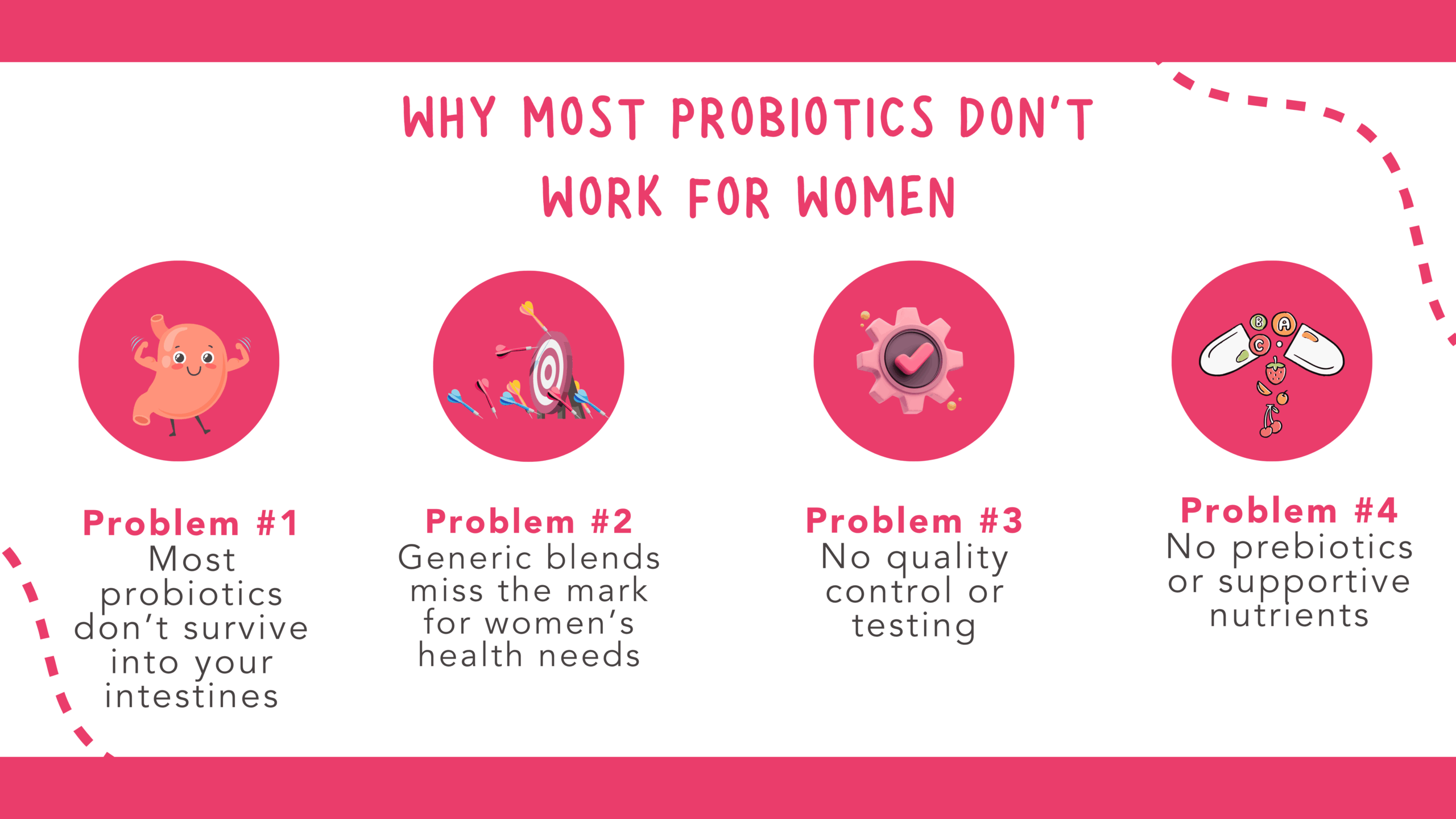
This has led to a significant "labeling gap." An independent study published in the journal Nutrients and archived by the National Institutes of Health (NIH) found that a startling percentage of probiotic supplements did not contain the quantity or diversity of live bacteria claimed on their packaging. In some instances, products were found to contain zero live cultures by the time they reached the consumer.
Furthermore, the lack of third-party testing—such as certification from organizations like NSF International or the USP (U.S. Pharmacopeia)—means that consumers often have no way to verify if a product is free from contaminants or if the strains listed are actually present. High-quality probiotic manufacturers are now moving toward "strain-specific" labeling. Rather than simply listing Lactobacillus, a transparent label will list the specific designation, such as Lactobacillus rhamnosus GG, allowing consumers and healthcare providers to reference specific clinical trials associated with that exact strain.
The Symbiotic Relationship: Why Prebiotics are Non-Negotiable
A common reason for probiotic failure is the lack of a "fuel source" for the introduced bacteria. Probiotics are living organisms that require specific types of fiber, known as prebiotics, to thrive and colonize the gut effectively. Without prebiotics, newly introduced beneficial bacteria may pass through the system without ever establishing a presence.
Most commercial probiotics exclude prebiotics to save on manufacturing costs or capsule space. However, the inclusion of a whole-food prebiotic can significantly enhance the efficacy of the supplement. One such emerging prebiotic is derived from the fruit of the Baobab tree (Adansonia), often referred to as the "Tree of Life."
Baobab fruit fiber is a potent, natural source of soluble fiber and antioxidants. It acts as a specialized food source for Bifidobacteria and Lactobacilli. According to nutritional data, the average woman requires approximately 25 grams of fiber daily, yet a vast majority of the population consumes less than half of that amount. By integrating a prebiotic like baobab directly into the probiotic capsule, manufacturers create a "synbiotic" effect—providing both the seeds and the fertilizer for a healthy gut garden.
Timeline of Gut Rebalancing: The Requirement of Consistency
The expectation of overnight results is another factor in perceived probiotic failure. The human microbiome is a complex, established ecosystem; rebalancing it is a biological process that occurs in phases.
- Phase 1: Introduction (Days 1-7): The body adjusts to the new microbial strains. Some individuals may experience mild bloating or changes in digestion as the "good" bacteria begin to compete with existing flora.
- Phase 2: Colonization (Weeks 2-3): Beneficial strains begin to take hold in the intestinal lining. During this period, improvements in regularity and a reduction in digestive discomfort are typically noted.
- Phase 3: Systemic Impact (Week 4 and beyond): As the gut environment stabilizes, the secondary benefits—such as improved immune response, clearer skin, and vaginal health support—become more apparent.
Clinical experts emphasize that consistency is paramount. Skipping doses or terminating use after one week prevents the bacteria from reaching the threshold necessary for long-term colonization.
Broader Implications and the Future of Personalized Nutrition
The shift toward gender-specific, high-viability probiotics represents a broader trend in the medical field: the move toward personalized nutrition. As researchers continue to map the human microbiome, the "one-size-fits-all" approach to supplementation is becoming obsolete.
For women, the implications of an effective probiotic go beyond simple digestion. There is growing evidence that the microbiome plays a role in the metabolism of estrogen (the "estrobolome"). An imbalanced gut can lead to the recirculation of estrogen, potentially exacerbating conditions like PCOS, endometriosis, and severe PMS symptoms.
The industry is now being pushed toward a higher standard of "clean label" manufacturing. This involves removing common allergens and fillers—such as soy, gluten, dairy, and synthetic binders—that can trigger inflammation and counteract the benefits of the probiotic. As consumers become more educated, the demand for non-GMO, vegan, and third-party-verified formulations is expected to drive the next generation of women’s health products.
In conclusion, the efficacy of a probiotic is not determined by the marketing claims on the front of the bottle, but by the science of the formulation inside. For a probiotic to work for the female body, it must survive the gastric environment, provide gender-specific strains, maintain strict quality control, and include the necessary prebiotic fuel. By adhering to these standards, the gap between probiotic potential and real-world results can finally be closed.
