

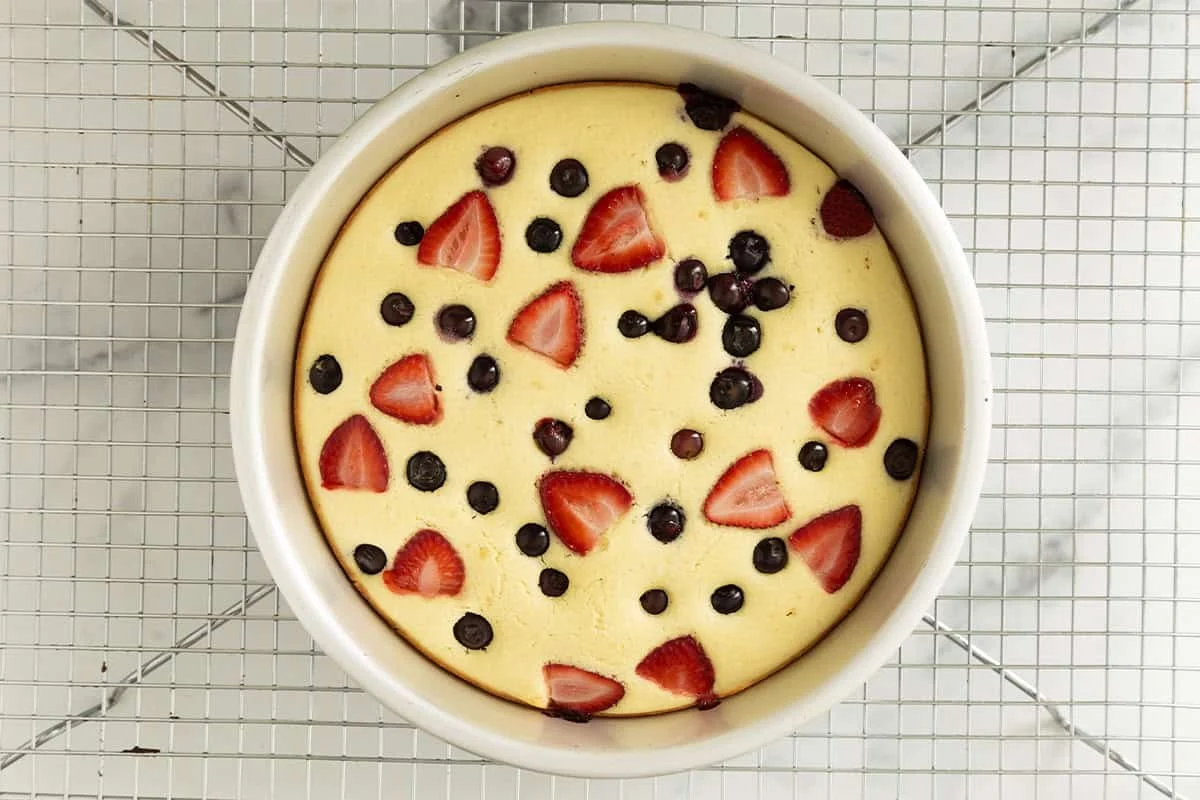
The culinary landscape for domestic breakfast preparation is undergoing a significant transformation as families increasingly prioritize efficiency without compromising nutritional integrity. Central to this shift is the "Pancake Cake," a consolidated baking method that reimagines the traditional pancake as a singular, shareable unit. This approach, characterized by its use of shortcut ingredients and a simplified baking process, has gained traction among parents and caregivers seeking to streamline morning routines. By transitioning from the labor-intensive practice of individual flipping to a "one-pan" oven-baked strategy, the Pancake Cake represents a broader trend in culinary science aimed at optimizing household labor while maintaining the sensory appeal of classic comfort foods.
The Evolution of the Breakfast Shortcut
For decades, the traditional pancake has remained a staple of the Western breakfast, valued for its soft texture and versatility. However, the requirement for constant supervision and sequential cooking has often rendered it impractical for large families or busy weekday mornings. The development of the Pancake Cake addresses these logistical challenges. By utilizing pre-formulated pancake mixes as a base, the method significantly reduces the "mise en place" time—the period required for ingredient preparation and measurement.
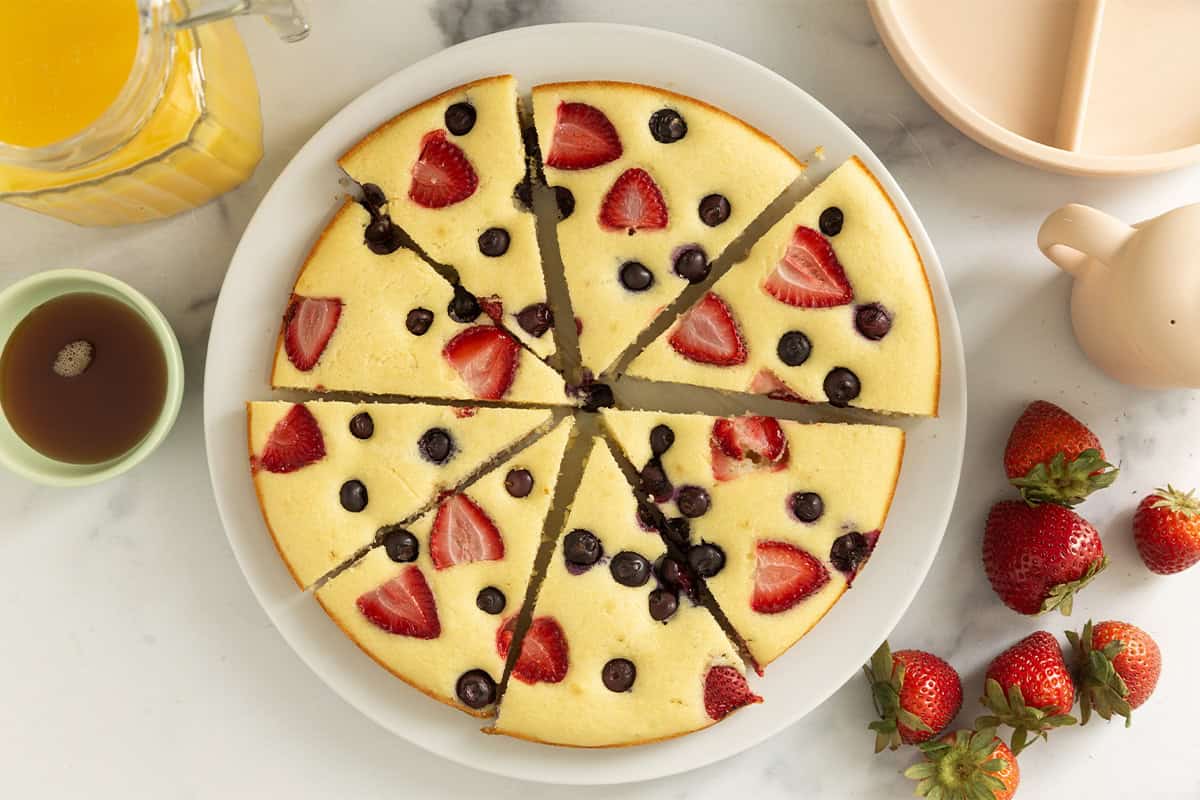
This "shortcut method" does not merely serve as a time-saving device; it also ensures a degree of consistency that is often difficult to achieve with traditional stovetop methods. The baked format allows for a uniform rise and a consistent internal crumb, described by proponents as the "fluffiest texture" currently achievable in a home kitchen. The shift from a skillet to a baking pan effectively converts a high-maintenance dish into a "set and forget" operation, allowing caregivers to attend to other morning responsibilities while the meal cooks.
Detailed Chronology of the Baking Process
The production of a Pancake Cake follows a rigorous four-stage timeline designed to maximize efficiency and ensure structural integrity. Unlike traditional batter, which must be handled delicately to prevent the deflation of leavening agents, the Pancake Cake batter is formulated to withstand the longer duration of oven baking.
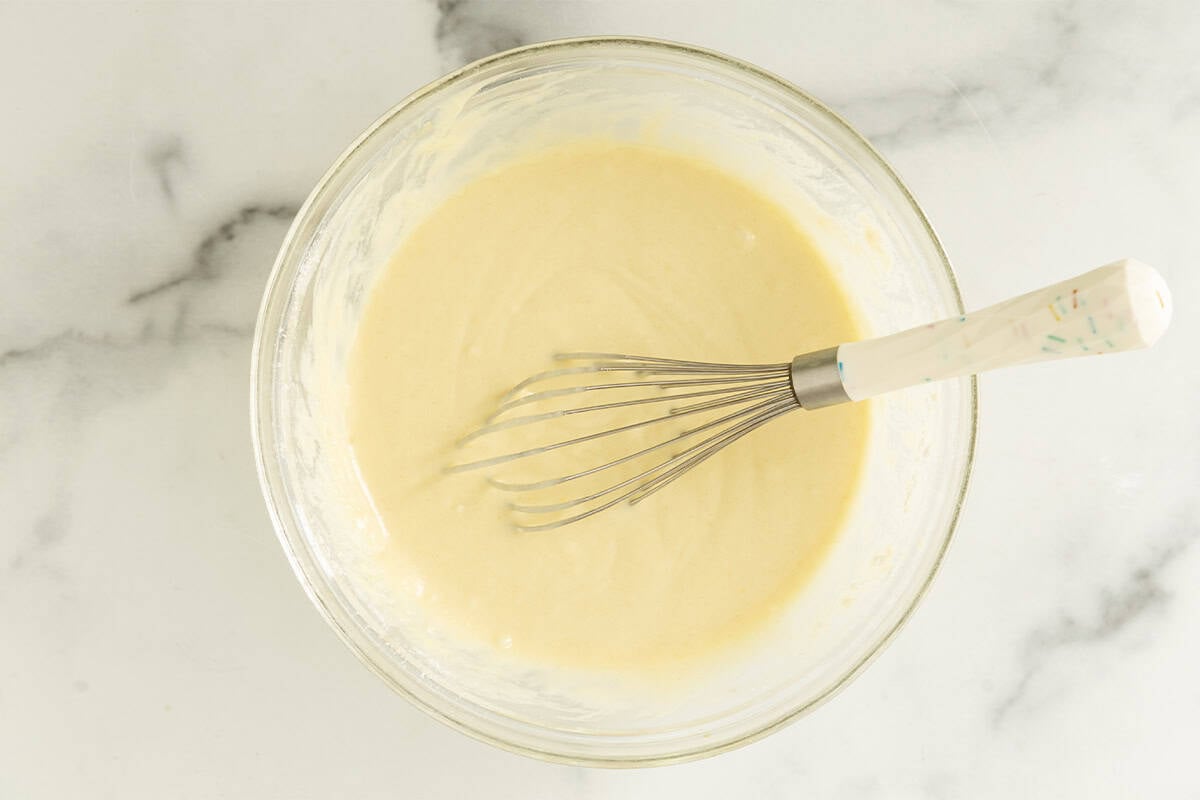
The first phase involves the integration of dry and wet ingredients. In a controlled laboratory or home kitchen setting, the components—typically consisting of a high-quality pancake mix, eggs, and often a dairy or non-dairy liquid—are whisked in a medium-sized vessel. This stage is critical for aerating the batter, which contributes to the final "cake-like" loft.
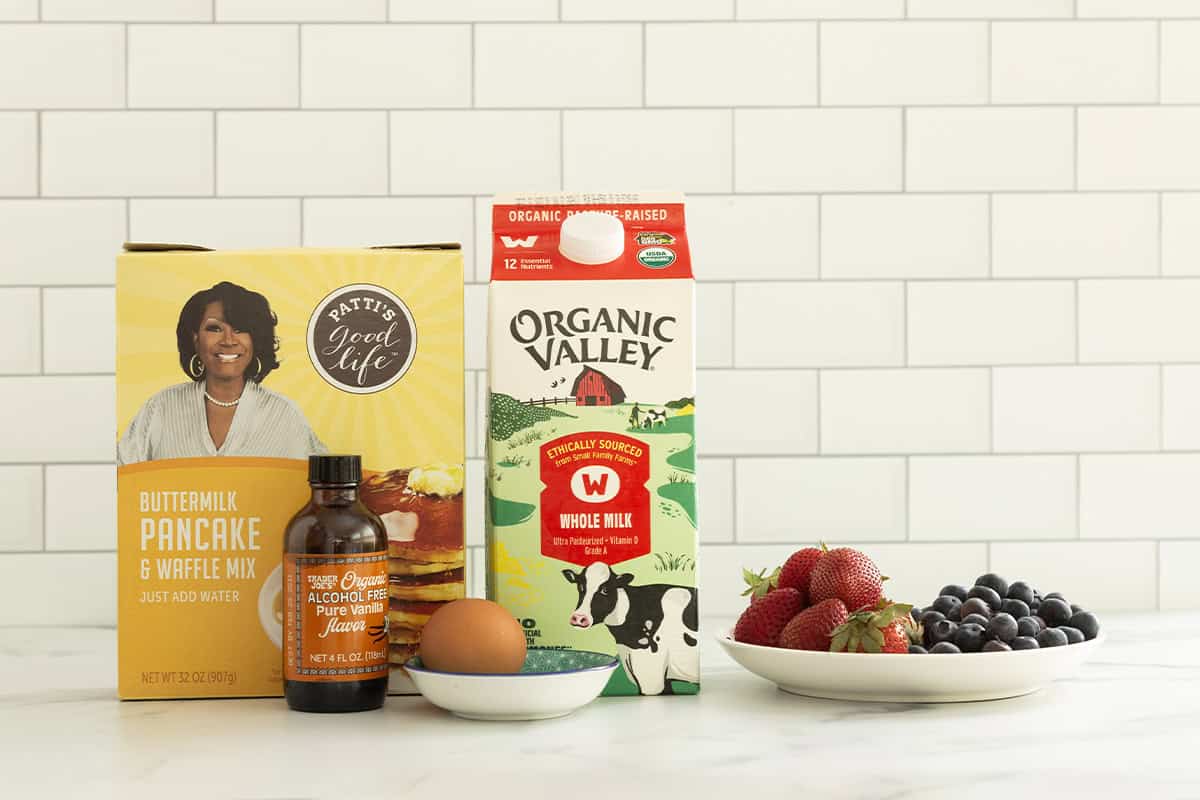
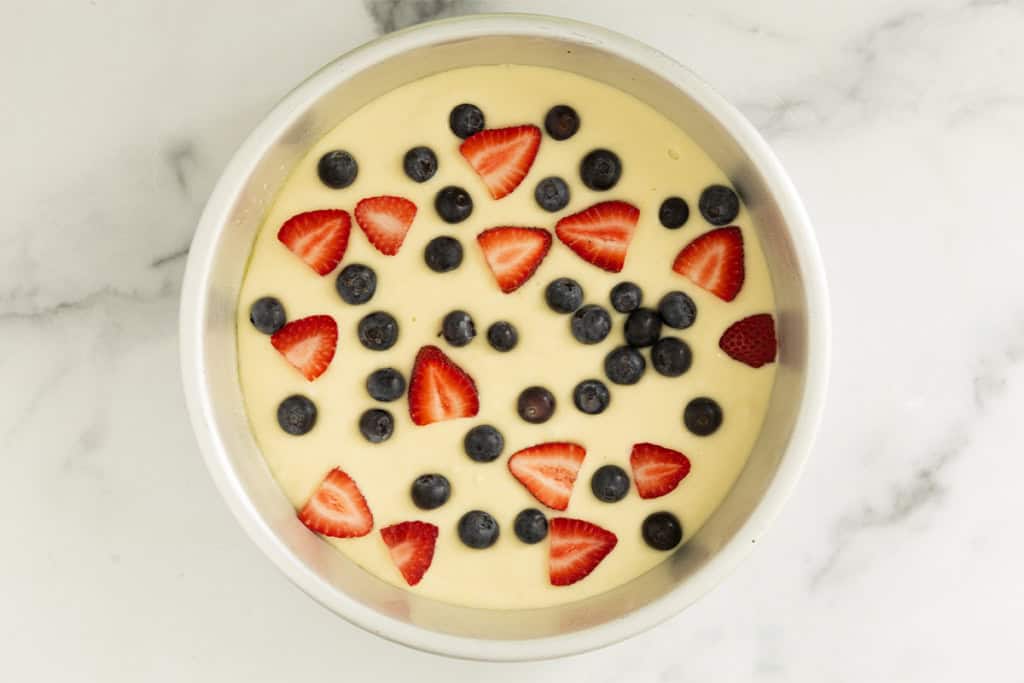
In the second phase, additional nutrients and flavors, such as fresh or frozen berries, are folded into the mixture. This step is conducted manually to prevent the crushing of the fruit, which would otherwise lead to "bleeding" and discoloration of the crumb. The batter is then transferred to a prepared baking pan, where it is leveled to ensure even heat distribution.
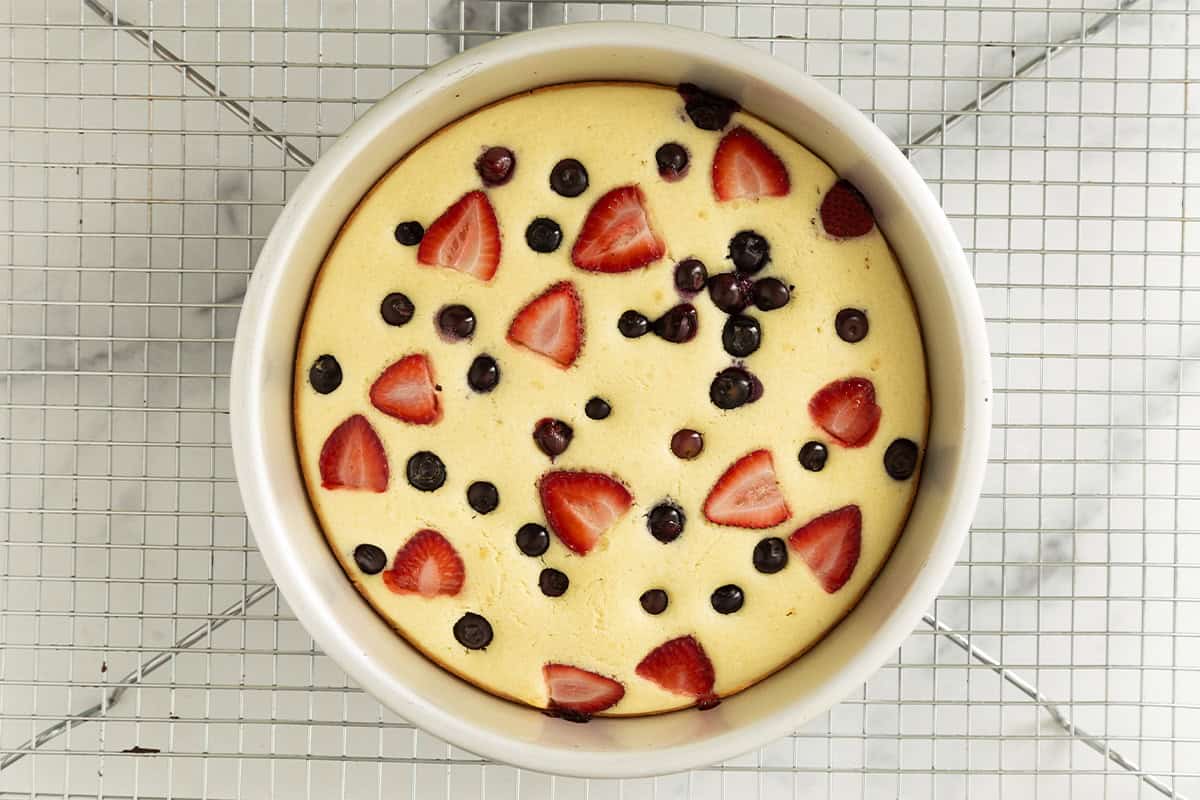
The third phase is the thermal processing. The cake is baked in a preheated oven until a standardized "cake tester" or toothpick inserted into the geometric center of the pan emerges without residue. This indicates that the internal temperature has reached the point of protein coagulation and starch gelatinization, ensuring the cake is safe for consumption and structurally sound.
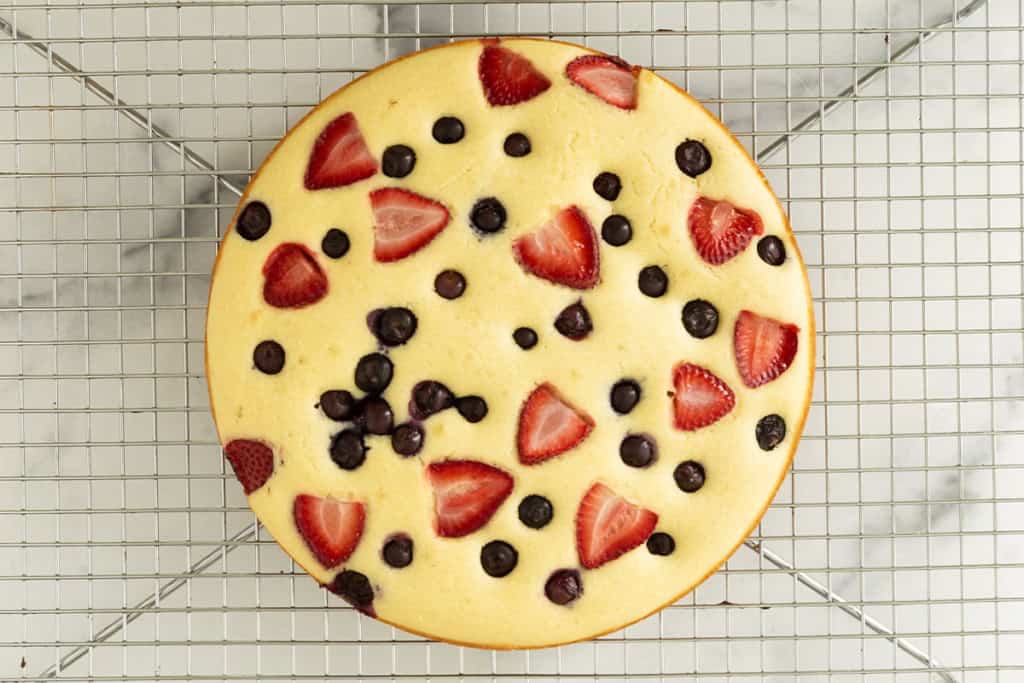
The final phase is the cooling and portioning period. Allowing the Pancake Cake to rest before slicing is essential for moisture retention. Once cooled, the product can be divided into wedges or squares, facilitating ease of service for children and adults alike.
Nutritional Composition and Dietary Implications
A primary driver for the adoption of the Pancake Cake among pediatric nutritionists and parents is its measurable caloric and macronutrient profile. Based on a standard formulation yielding eight servings, the nutritional data reflects a balanced profile suitable for growing children.
According to analyzed data, a single serving of Pancake Cake contains approximately 101 calories. The macronutrient breakdown is as follows:
- Carbohydrates: 11 grams, providing the primary energy source for morning activity.
- Protein: 3 grams, essential for tissue repair and growth.
- Total Fat: 5 grams, including 2 grams of saturated fat and negligible trans fats.
- Fiber: 1 gram, contributing to digestive health.
- Sugars: 4 grams, a relatively low figure compared to processed breakfast cereals.
Furthermore, the inclusion of eggs and fortified mixes provides essential micronutrients. A single serving offers 224 IU of Vitamin A, 2 mg of Vitamin C, 81 mg of Calcium, and 1 mg of Iron. These figures suggest that the Pancake Cake, when served alongside protein sources such as sausage or yogurt, constitutes a nutritionally dense start to the day.
Market Trends and Consumer Feedback
The rise of the Pancake Cake aligns with the growing "meal prep" industry, which is projected to see continued growth as consumers look for ways to reduce food waste and save time. Unlike traditional pancakes, which can become rubbery upon reheating, the Pancake Cake maintains its textural integrity when stored in an airtight container for up to five days in a refrigerated environment. For long-term logistics, the cake can be frozen for up to three months, making it a viable option for bulk preparation.
Consumer testimonials indicate that the appeal of the Pancake Cake extends beyond the toddler demographic. A featured review from a consumer identified as "KG" noted that the dish was a "big hit" even among teenagers, suggesting that the novelty of a "giant pancake" has a cross-generational appeal. This versatility is a key factor in its marketability, as it functions equally well as a celebratory holiday brunch item or a utilitarian weekday staple.
Technical Variations and Troubleshooting
As with any standardized culinary process, the Pancake Cake allows for several modifications based on dietary needs or flavor preferences. Industry experts suggest that the addition of cinnamon (approximately one teaspoon) can enhance the aromatic profile without significantly altering the chemistry of the bake.
There has also been inquiry regarding the feasibility of cooking this "giant pancake" in a skillet rather than an oven. While possible, culinary analysts warn that this requires a high degree of technical skill. To achieve a thorough cook without burning the exterior, a skillet must be well-coated in butter and maintained at a medium-low temperature. Furthermore, the pan must be covered to trap steam, aiding in the cooking of the dense center. However, the oven-baked method remains the recommended standard for consistency and ease of use.
Broader Impact on Household Management
The implications of the Pancake Cake extend into the realm of family dynamics and household management. By creating a "shared" breakfast item, the meal encourages communal eating habits. The psychological impact of sharing a single "cake" rather than receiving individual, often unequal, portions can foster a sense of unity at the breakfast table.
Moreover, the recipe’s compatibility with other "toddler-friendly" staples—such as vanilla or lemon yogurt and fruit smoothies—allows parents to create a comprehensive breakfast spread with minimal additional labor. This "modular" approach to breakfast preparation is becoming the gold standard for modern parenting, where the goal is to provide a variety of nutrients through simple, interchangeable components.
Conclusion: The Future of Breakfast
The Pancake Cake is more than a simple recipe; it is a manifestation of the "efficiency-first" movement in domestic science. By analyzing the time-motion requirements of traditional cooking and replacing them with a streamlined, oven-based alternative, creators have provided a solution to the perennial problem of the morning rush.
As nutritional awareness continues to rise and the demand for "meal prep" solutions grows, it is likely that the Pancake Cake will remain a prominent fixture in the repertoire of caregivers worldwide. Its combination of shortcut convenience, fluffy texture, and balanced nutritional profile ensures its place as a cornerstone of the modern family breakfast. Whether served plain, studded with seasonal berries, or topped with a modest amount of maple syrup, the Pancake Cake represents a successful fusion of culinary tradition and contemporary pragmatism.
