

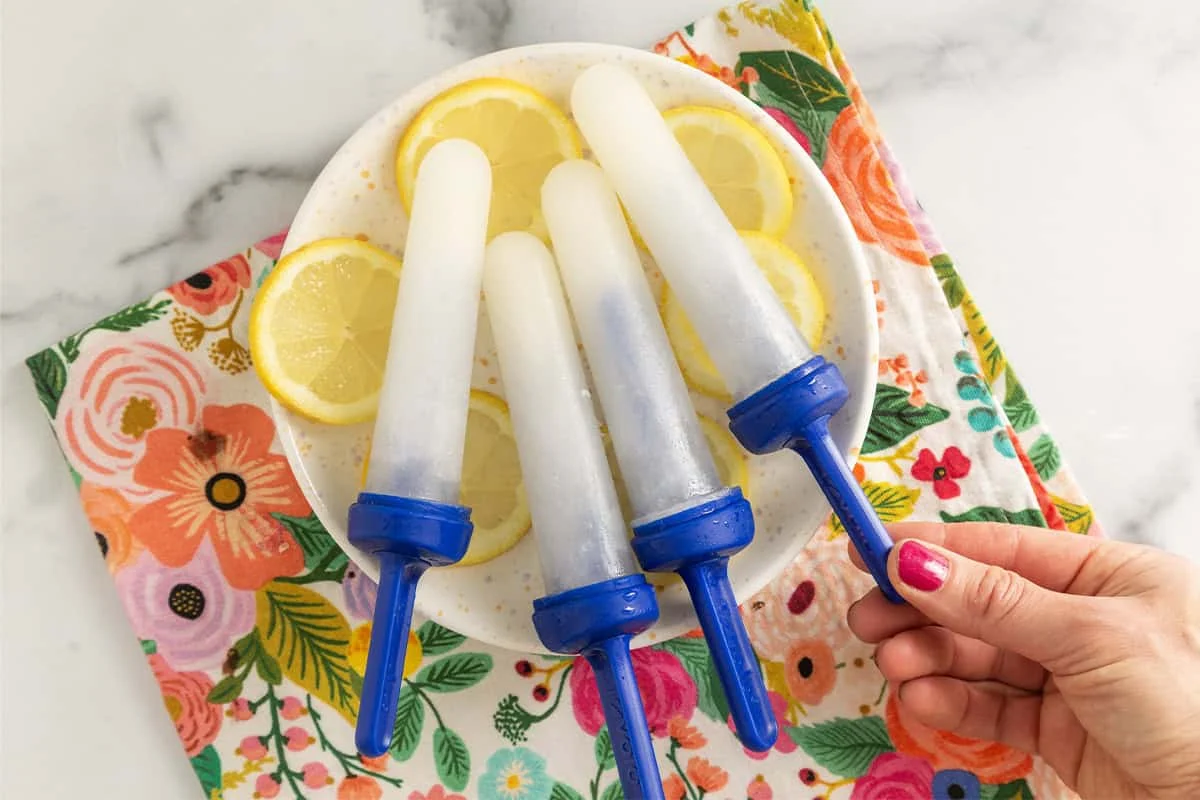
As global temperatures continue to fluctuate and summer heatwaves become a more frequent concern for parents, the demand for effective, low-sugar hydration strategies for children has reached a new peak. Amidst a marketplace saturated with high-fructose corn syrup-laden frozen treats and artificially colored "ice pops," a minimalist approach to homemade snacks is gaining significant traction. The "Lemon Popsicle," a recipe characterized by its extreme simplicity—requiring as few as one or two ingredients—has emerged as a leading example of the "clean label" movement within the domestic kitchen. This trend reflects a broader shift in consumer behavior, where parents prioritize nutritional transparency, cost-effectiveness, and ease of preparation without sacrificing the sensory appeal necessary to engage young children.
The Rise of Minimalist Pediatric Nutrition
The contemporary parenting landscape is increasingly defined by a desire to reduce ultra-processed foods (UPFs) in the diets of toddlers and school-aged children. Recent pediatric nutritional studies have highlighted the importance of controlling added sugar intake during the formative years to prevent early-onset metabolic issues and dental carries. In this context, the lemon popsicle serves as a strategic tool for caregivers. By utilizing a high-quality, store-bought lemonade or a homemade citrus base, parents can dictate the exact caloric and sugar content of the snack.
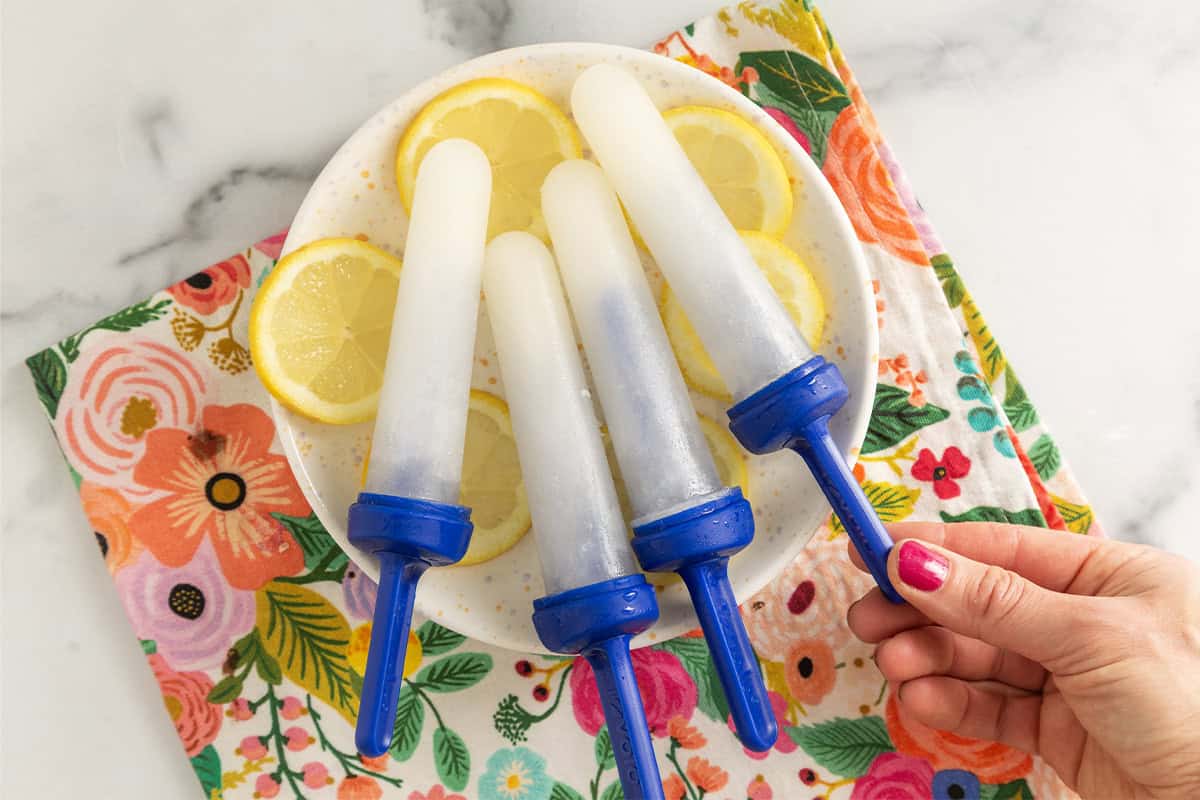
Industry analysts note that the "DIY" frozen treat sector has seen a 15% uptick in mold sales over the last three fiscal quarters, suggesting that families are moving away from pre-packaged convenience items in favor of controlled home production. The lemon popsicle, specifically, bypasses the need for complex machinery like high-speed blenders, making it an accessible entry point for families who may be traveling or who possess limited kitchen equipment.
Strategic Hydration and the "Picky Eater" Variable
One of the primary challenges in pediatric wellness is maintaining adequate fluid intake, particularly for "picky eaters" who may refuse plain water. The citrus profile of lemon provides a sharp, refreshing flavor that stimulates the palate and encourages consumption. Culinary experts and child nutritionists often recommend frozen delivery systems for hydration because the cold temperature can soothe teething gums and provide a novelty factor that liquid beverages lack.
The versatility of the lemon popsicle allows it to function as more than just a dessert. When formulated with a base of lemonade and augmented with yogurt or coconut cream, the snack transitions into a functional food. This "creamy" variation introduces proteins and healthy fats, which slow the absorption of sugars into the bloodstream, providing a more sustained energy release compared to traditional water-based ice pops.
Component Analysis: The Role of Ingredients in Frozen Confections
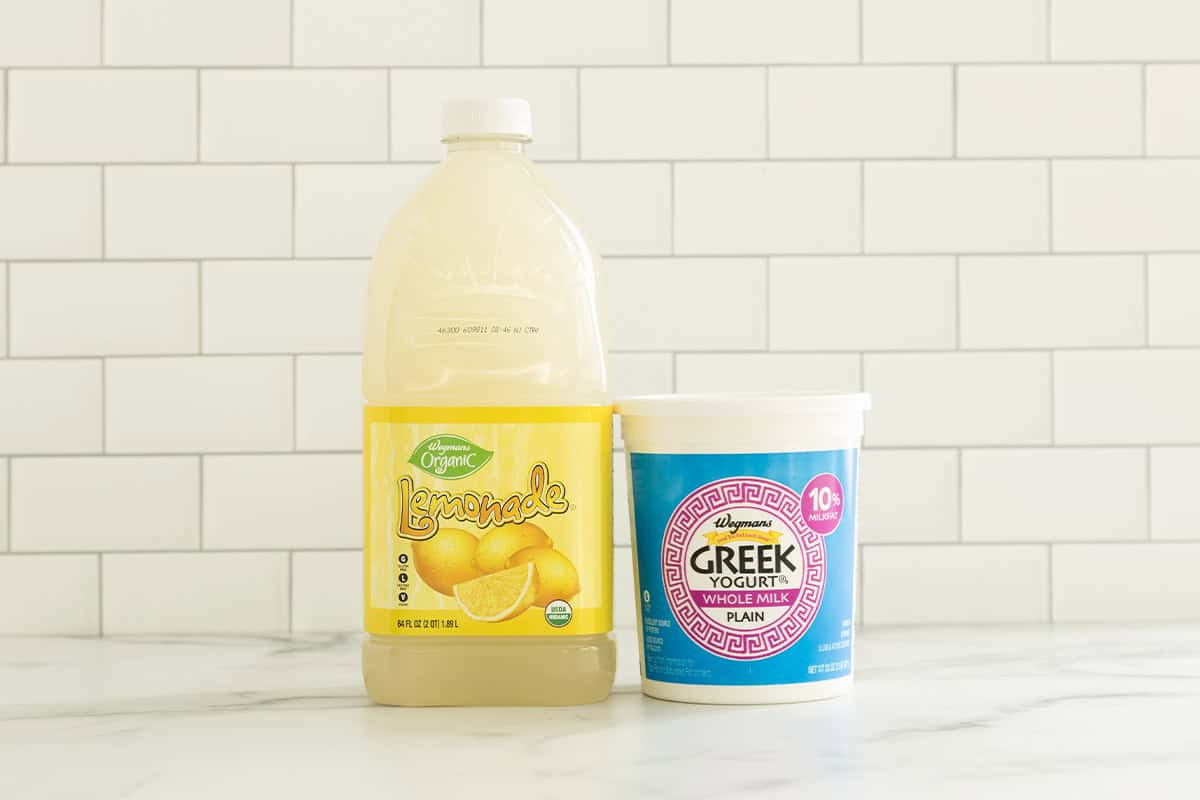
To understand why this specific recipe has become a staple for health-conscious households, one must analyze the chemical and nutritional components of the ingredients involved.
- The Primary Base (Lemonade): Whether store-bought or freshly squeezed, the lemonade provides the essential vitamin C and citric acid. Journalistic investigations into "lower-added-sugar" versions of commercial lemonade reveal a significant reduction in caloric density, often replacing cane sugar with stevia or monk fruit, or simply increasing the water-to-lemon ratio.
- The Texturizing Agents (Optional): The inclusion of Greek yogurt or full-fat coconut cream serves a dual purpose. From a culinary standpoint, these lipids interfere with the formation of large ice crystals, resulting in a smoother, "sorbet-like" mouthfeel. Nutritionally, yogurt adds a probiotic element and calcium, while coconut cream offers a dairy-free alternative rich in medium-chain triglycerides (MCTs).
Procedural Standards: From Liquid to Solid State
The production of lemon popsicles follows a rigorous yet simple chronological path that ensures food safety and optimal texture.
- Preparation Phase: Caregivers select a lemonade base. For those seeking an artisanal touch, adding lemon zest or a squeeze of fresh juice can enhance the volatile aromatic compounds that are often lost in pasteurized, store-bought products.
- Integration Phase (Optional): If a creamy texture is desired, the lemonade is whisked with the dairy or plant-based cream until an emulsion is formed. This step is critical; failure to properly integrate the ingredients can lead to "layering," where the heavier solids settle at the bottom of the mold.
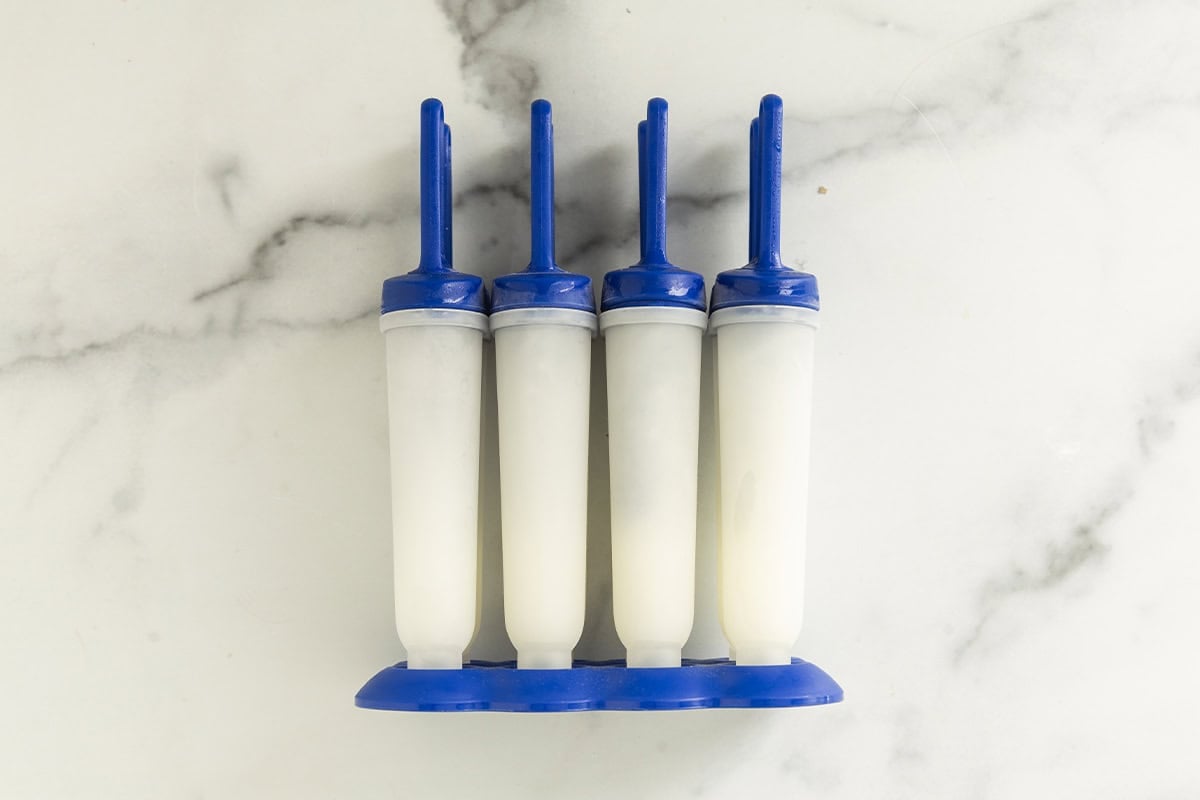
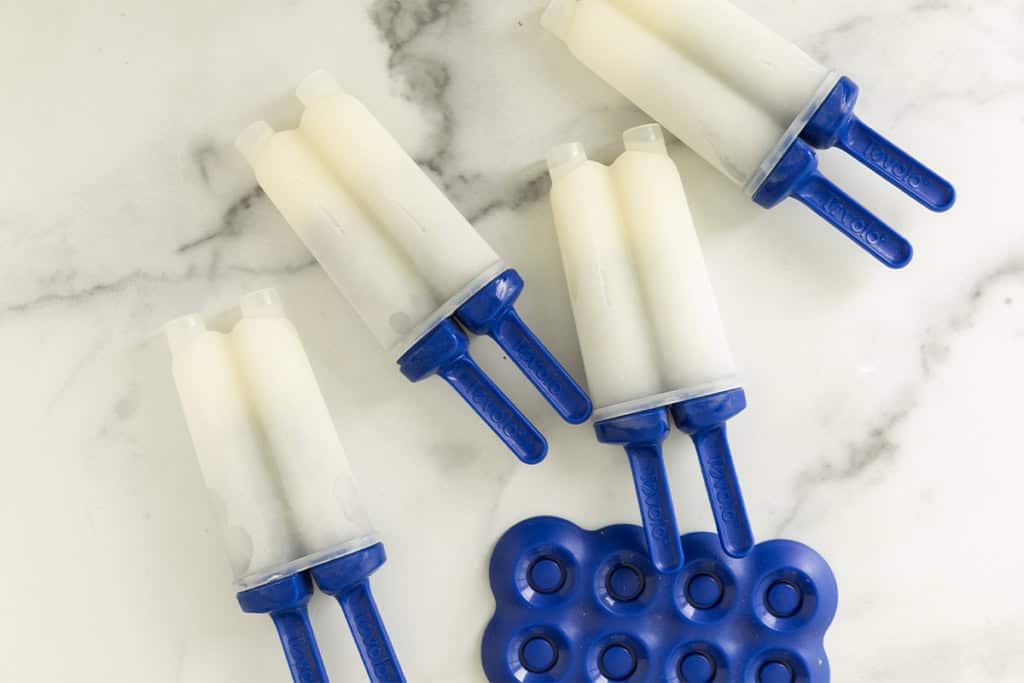
- Thermal Stabilization: The mixture is poured into molds—or, in the absence of specialized equipment, four-ounce paper cups—and placed in a freezer set to at least 0°F (-18°C).
- The Four-Hour Threshold: Data indicates that a minimum of four hours is required for the popsicle to reach a structural integrity sufficient for extraction. However, an overnight freeze is recommended for long-term stability.
Nutritional Deep Dive: A Quantitative Review
Based on standard formulations for a six-serving batch, the lemon popsicle presents a profile that is highly competitive with commercial health snacks. A single serving (one popsicle) typically contains:
- Calories: 35 kcal
- Carbohydrates: 7g
- Sugars: 6g
- Protein: 2g (when including yogurt)
- Calcium: 19mg
- Sodium: 9mg
With zero grams of trans fats and negligible saturated fats, the snack aligns with the American Heart Association’s guidelines for supplemental childhood nutrition. The low sodium content is particularly noteworthy, as many processed snacks use salt as a preservative, which can contribute to dehydration—the very issue these popsicles aim to solve.
Comparative Analysis: Domestic vs. Industrial Production
When comparing the homemade lemon popsicle to a standard industrial "lemon ice," the differences in ingredient architecture are stark. Industrial versions frequently list "Yellow 5" or "Yellow 6" dyes to simulate a citrus hue, along with stabilizers like guar gum or carrageenan to maintain shelf life during the global supply chain process.
In contrast, the domestic lemon popsicle relies on the natural opacity of lemon juice and the structural support of the freezing process. Furthermore, the cost-benefit analysis is favorable for the consumer. A gallon of premium lemonade, which can produce upwards of 30 popsicles, typically costs less than a single 12-pack of high-end organic store-bought pops.
Versatility and Culinary Innovation
While the basic 1-to-2 ingredient model is the foundation of this trend, the recipe serves as a "blank canvas" for further nutritional enhancement. Parents and culinary influencers have reported several successful iterations:
- Antioxidant Boost: Dropping whole blueberries, sliced strawberries, or raspberries into the mold before freezing adds fiber and phytonutrients.
- Natural Sweeteners: For children over the age of one, the addition of honey or maple syrup can replace refined sugars, providing a more complex flavor profile and trace minerals.
- Herbal Infusions: Mint or basil-infused lemonade popsicles are gaining popularity among adult consumers, signaling that this "toddler snack" has cross-generational appeal.
Economic and Environmental Implications
The environmental impact of home-based popsicle production cannot be overlooked. The commercial frozen treat industry is a major contributor to single-use plastic waste, with each individual pop typically wrapped in non-recyclable film. By utilizing reusable silicone or stainless-steel molds, families significantly reduce their plastic footprint.
Economically, the "Lemon Popsicle" model supports the "pantry-staple" philosophy. Because it uses ingredients that are often already present in the refrigerator—lemonade and yogurt—it reduces the need for dedicated grocery trips, thereby lowering the carbon footprint associated with consumer transport.
Safety Protocols and Storage Longevity
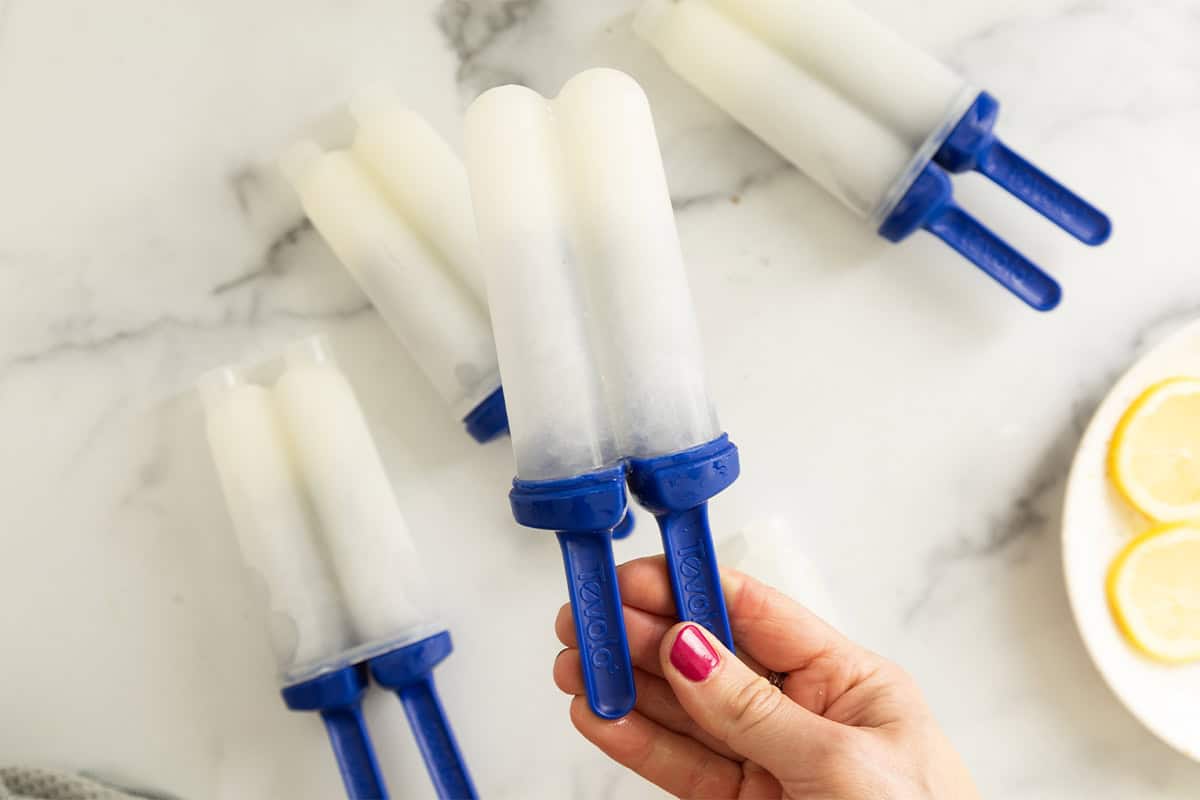
To maintain the highest standards of quality, experts recommend storing the frozen popsicles in airtight containers or freezer bags once they have been removed from their initial molds. This prevents "freezer burn," a process of dehydration and oxidation that occurs when food is exposed to air in sub-zero temperatures. Properly stored, these popsicles retain their peak flavor and nutritional value for up to four weeks.
For households without professional molds, the use of small paper cups and wooden sticks remains a viable and safe alternative. However, caregivers are cautioned to ensure that sticks are centered to prevent a choking hazard should the popsicle break unevenly during consumption.
Conclusion: The Future of Functional Home Snacking
The Lemon Popsicle represents more than just a simple recipe; it is a manifestation of a broader movement toward food sovereignty and health-conscious living. By stripping away the complexities of modern food manufacturing, families are reclaiming control over their nutrition. As we look toward future summers, the integration of simple, hydrating, and customizable snacks like these will likely remain a cornerstone of pediatric wellness and domestic efficiency. The data is clear: when it comes to childhood nutrition, often the most effective solutions are the ones that require the fewest ingredients.
