

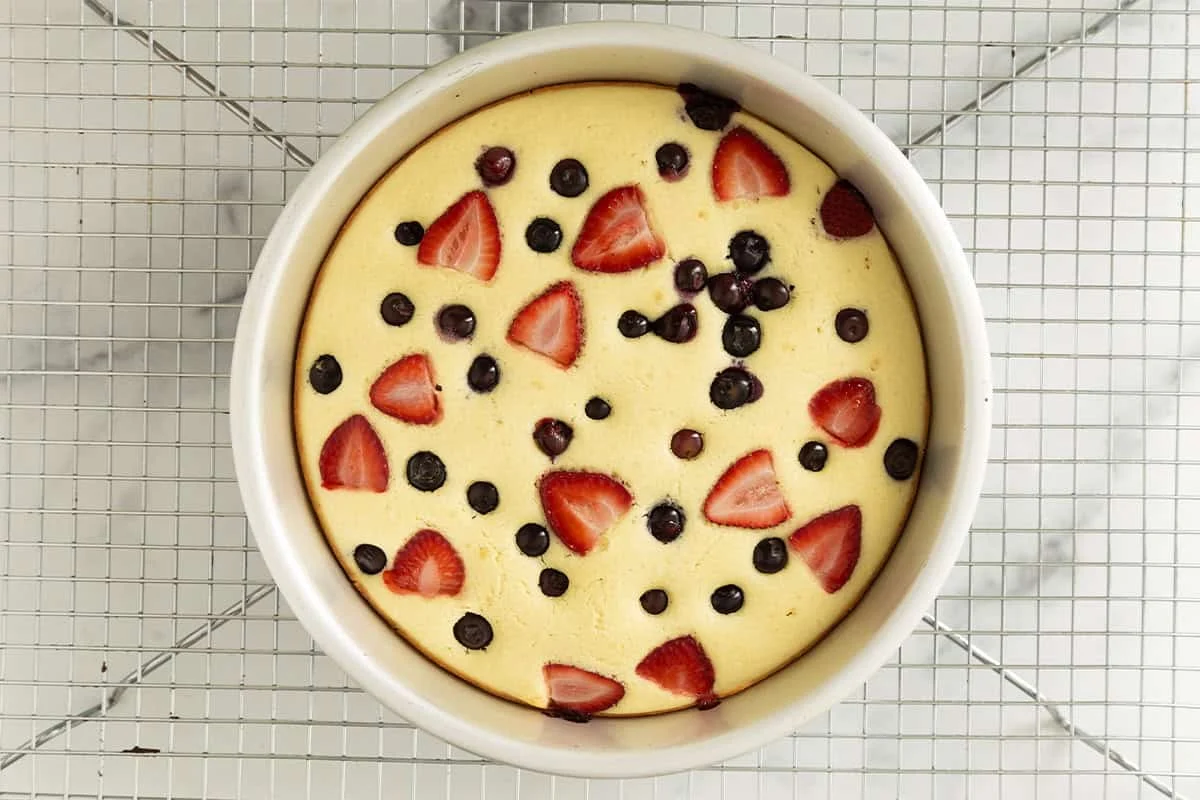
The domestic landscape of morning meal preparation has undergone a significant transformation over the last decade, moving away from labor-intensive stovetop methods toward streamlined, oven-centric solutions. Central to this shift is the emergence of the "Pancake Cake," a culinary innovation that reimagines the traditional individual pancake as a singular, voluminous baked entity. This method addresses the primary pain points of family breakfast preparation: the time-consuming nature of flipping individual cakes and the difficulty of ensuring all family members eat simultaneously. By utilizing a shortcut approach that incorporates pre-formulated pancake mixes with fresh additions such as seasonal berries, the Pancake Cake has established itself as a versatile tool for parents, meal-preppers, and brunch enthusiasts alike.
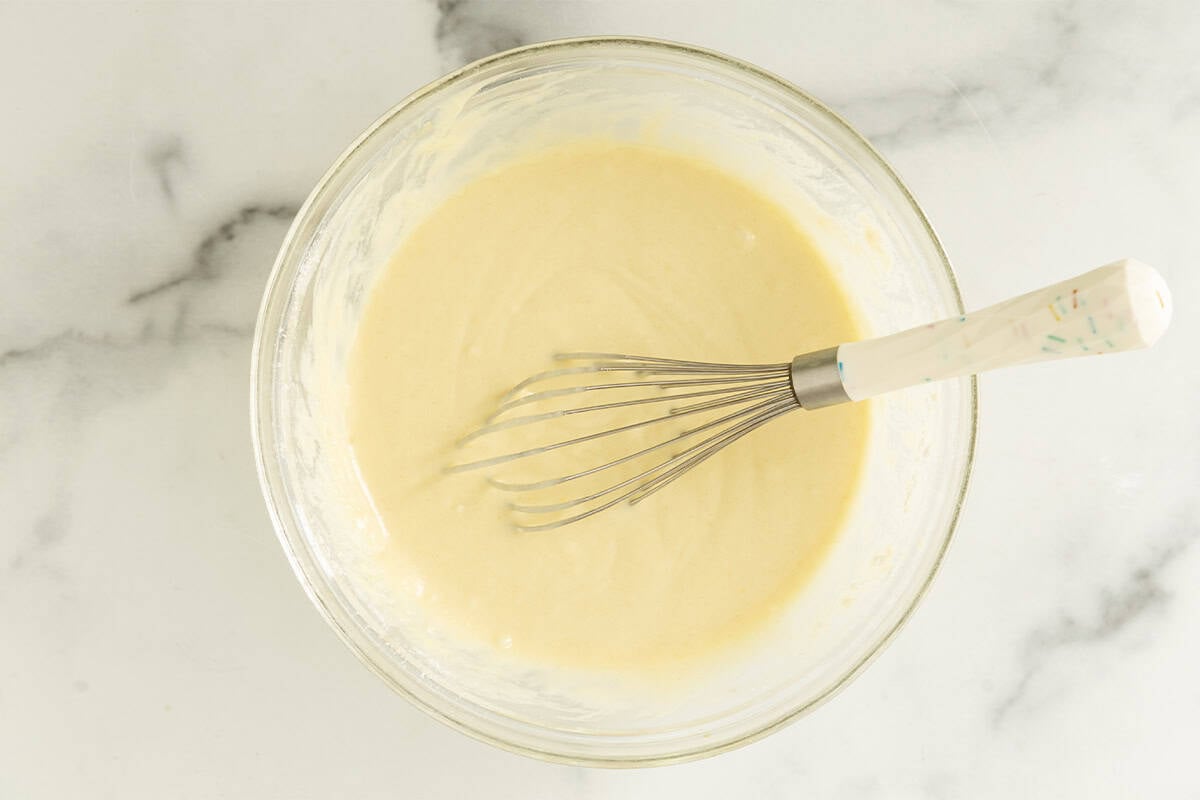
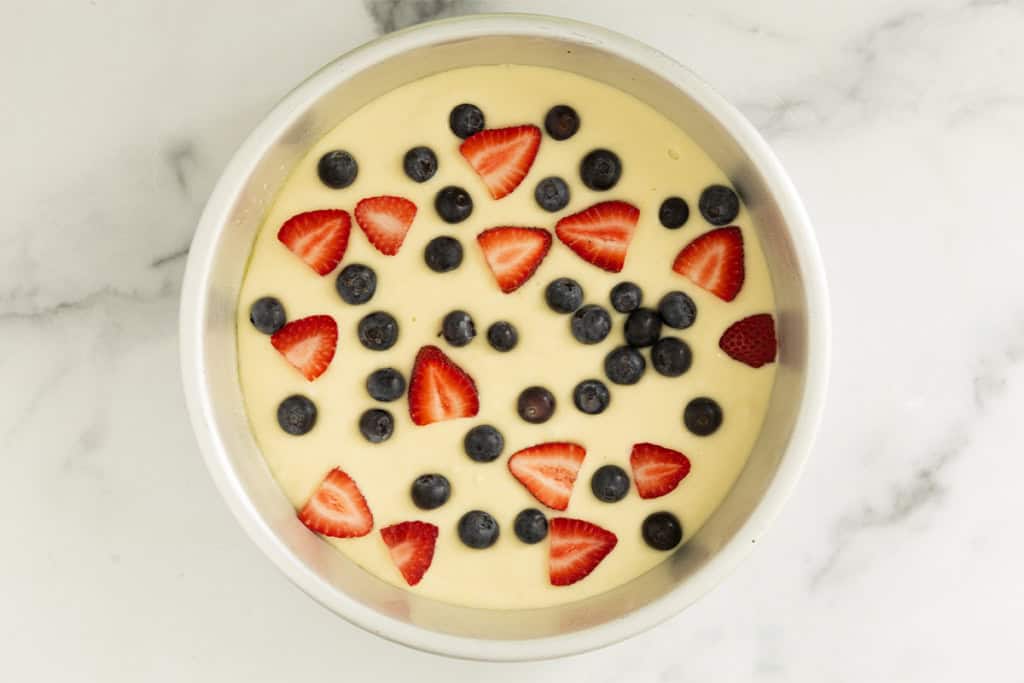
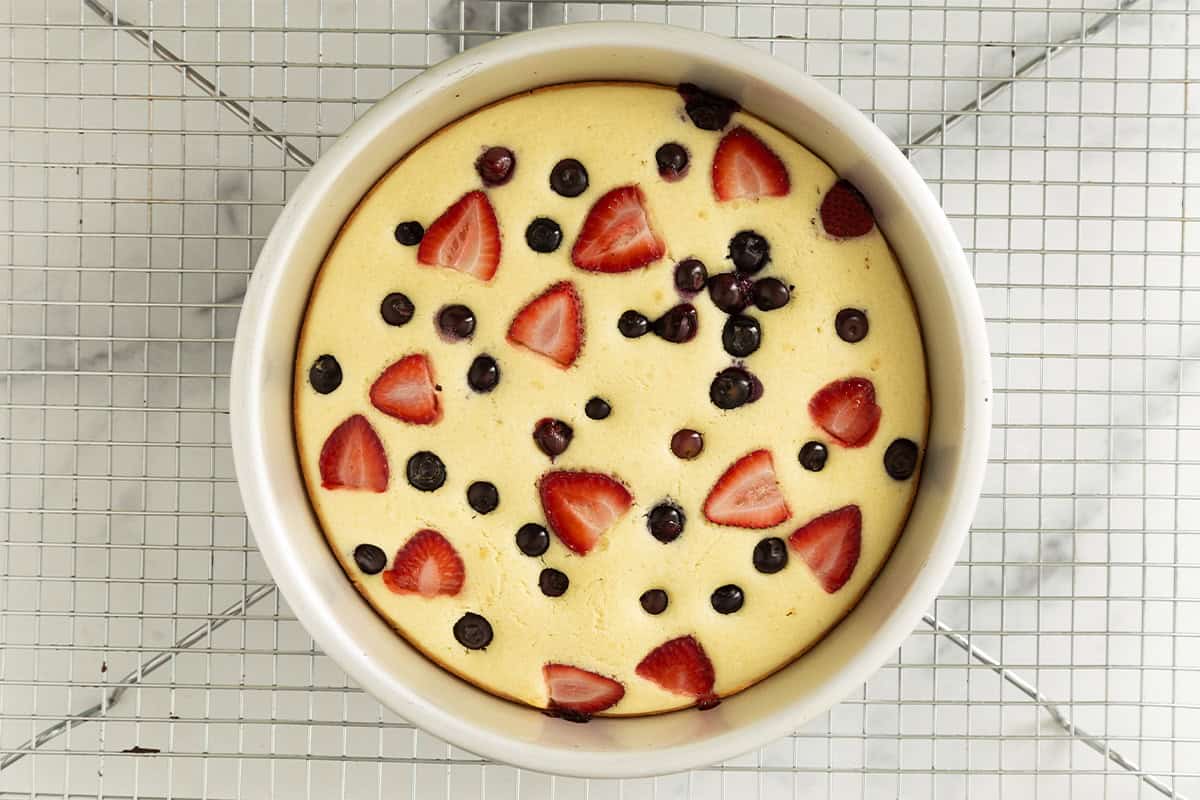
The methodology behind the Pancake Cake relies on the principles of thermal consistency provided by the oven environment. Unlike the variable heat of a griddle or skillet, an oven offers a stable temperature that allows for even rising and a uniform crumb structure. This result, often described as having the fluffiest texture achievable with standard ingredients, represents a departure from the denser profiles of traditional flapjacks. The process typically involves whisking a base of pancake mix with eggs, milk, and fat, then folding in fruit before transferring the batter to a prepared cake pan. This transition from "pancake" to "cake" is more than a semantic change; it reflects a broader trend in domestic science toward maximizing output while minimizing active labor.
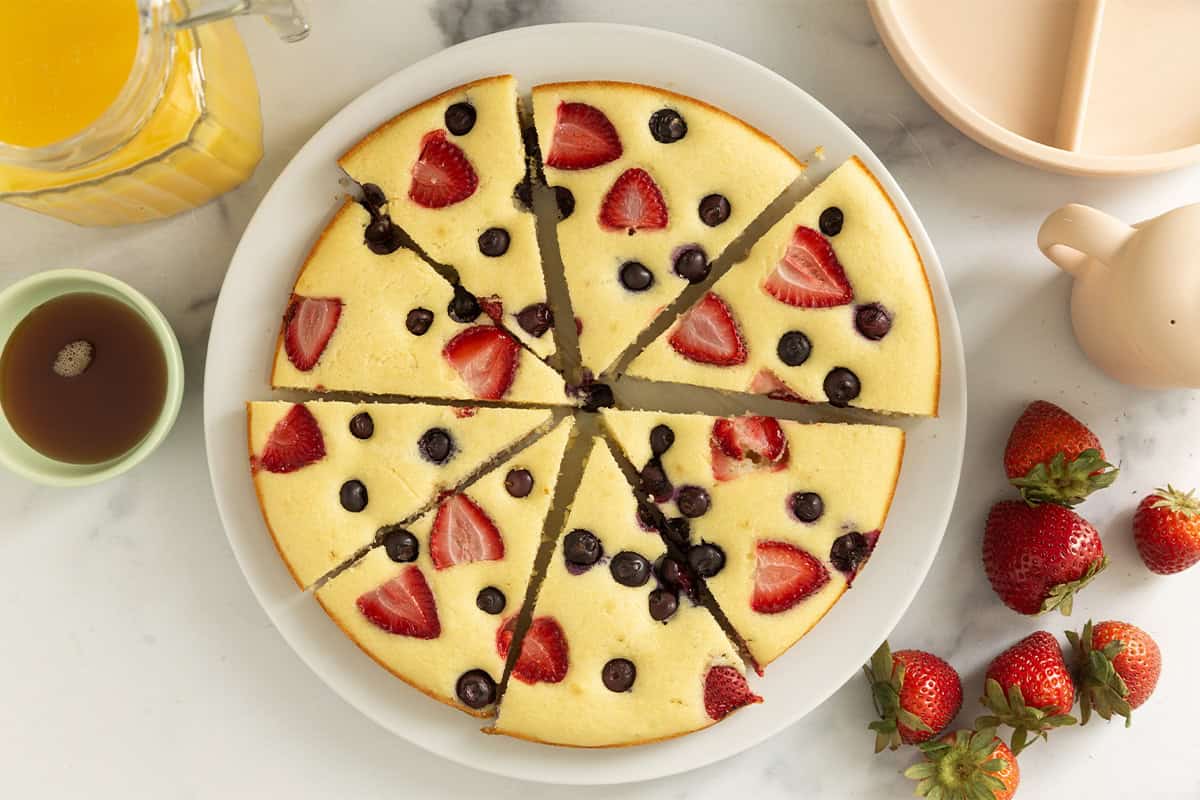
Historical Context and the Chronology of the Sheet-Pan Revolution
To understand the current popularity of the Pancake Cake, one must look at the chronology of breakfast evolution. For centuries, pancakes remained a stovetop staple, with variations like the French crêpe, the Russian blini, and the American flapjack all requiring individual attention and manual flipping. The first major shift occurred in the mid-20th century with the introduction of commercial pancake mixes, which simplified the chemistry of leavening. However, the cooking method remained stagnant until the early 2010s, when "sheet pan" cooking began to dominate digital food media.
By 2015, the concept of the "Sheet Pan Pancake" gained traction among large families. This allowed for a dozen or more servings to be prepared in a single 15-minute window. The Pancake Cake represents the next logical step in this evolution, moving from the thin, rectangular dimensions of a sheet pan to the deeper, more celebratory dimensions of a round cake pan or skillet. This change in geometry allows for a more significant moisture retention in the center of the dish, resulting in a product that bridges the gap between a traditional breakfast and a sponge cake.
Nutritional Profile and Quantitative Data Analysis
The Pancake Cake is not merely a convenience food but a calculated dietary option for specific demographics, particularly toddlers and school-aged children. Based on standardized recipe data, a single serving of a basic Pancake Cake (calculated as one-eighth of a standard 9-inch round) contains approximately 101 calories. The macronutrient breakdown is tailored for early morning energy requirements: 11 grams of carbohydrates for immediate glucose supply, 3 grams of protein for satiety, and 5 grams of fat to facilitate the absorption of fat-soluble vitamins.
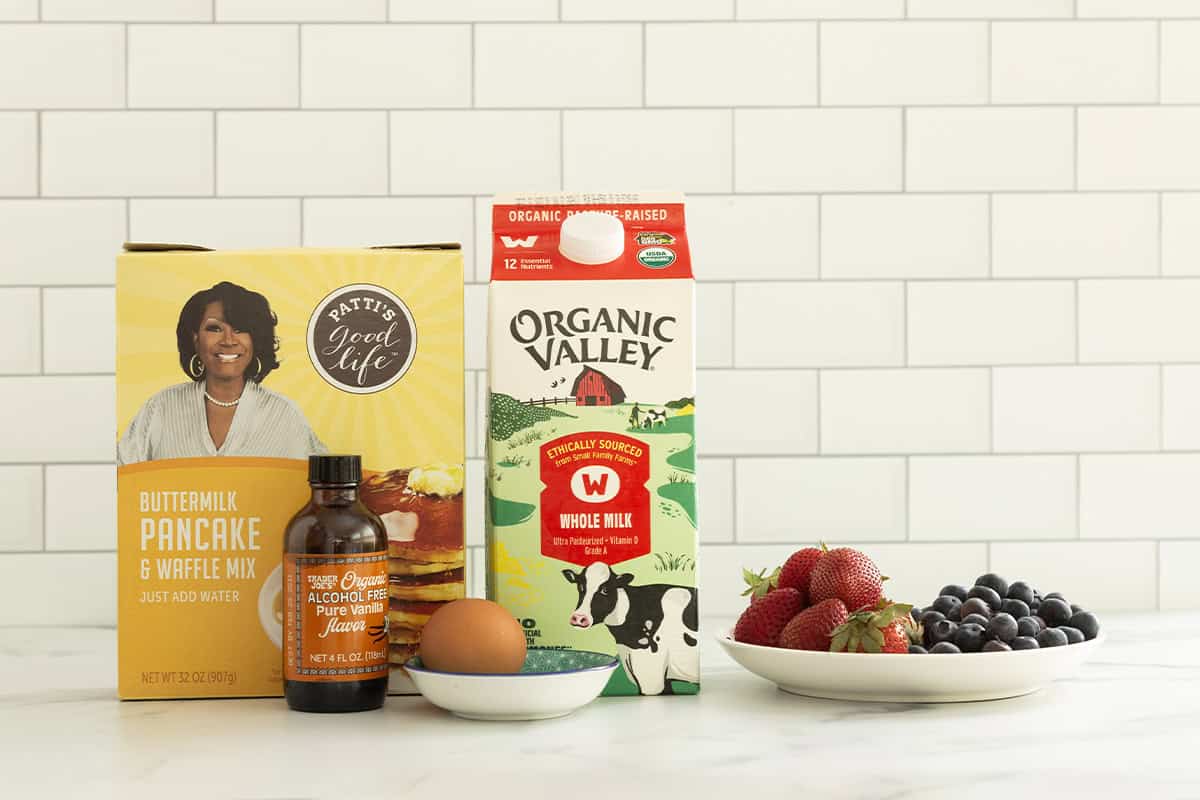
Further analysis of the micronutrient content reveals a profile that supports developmental health. A standard serving provides approximately 81 milligrams of calcium and 1 milligram of iron, essential minerals for bone density and oxygen transport in growing children. Furthermore, the inclusion of berries introduces Vitamin C (approximately 2 milligrams per serving) and antioxidants, which are often lacking in traditional "white flour" breakfast options. The sodium content, measured at 122 milligrams, remains within acceptable limits for a single meal component when balanced with low-sodium sides like fresh fruit or plain yogurt.
Comparative Efficiency: Stovetop vs. Oven-Baked Methods
The primary argument for the adoption of the Pancake Cake over traditional methods is rooted in the economics of time. In a traditional stovetop scenario, preparing 24 individual pancakes for a family of four requires approximately 20 to 30 minutes of constant supervision and manual labor. Conversely, the Pancake Cake requires only five minutes of active preparation time, with the remaining 15 to 20 minutes being passive baking time. This allows the caregiver to engage in other essential morning tasks, such as packing lunches or preparing children for school.
Technically, the Pancake Cake also solves the issue of "first-pancake syndrome," where the initial items cooked on a griddle are often subpar due to uneven heat distribution. By using a preheated oven, the entire mass of batter is subjected to the same caloric energy simultaneously. While some traditionalists argue for the specific Maillard reaction (browning) achieved only on a hot griddle, the Pancake Cake achieves a uniform golden-brown exterior through convection, which many consumers find more aesthetically pleasing and consistent in flavor.
Consumer Reception and Demographic Crossover
While the Pancake Cake was initially marketed as a "toddler breakfast," market feedback suggests a significant crossover into other age groups. A review from a consumer identified as "KG" highlighted this trend, stating that the recipe was a "big hit" even in a household with teenagers. This suggests that the appeal of the Pancake Cake lies not just in its ease of consumption for small children, but in its novelty and shared-experience format. The act of slicing a "cake" for breakfast adds a celebratory element to a standard weekday routine, which has psychological benefits for family cohesion.
Culinary experts and pediatric nutritionists have noted that the Pancake Cake format also encourages the consumption of various food groups. By serving a slice alongside eggs, sausage, or yogurt, parents can present a balanced plate that feels cohesive. The "shortcut" method, which often involves high-quality store-bought mixes, also lowers the barrier to entry for parents who may not feel confident in their baking abilities but wish to provide a home-cooked meal.
Strategic Meal Prep and Long-Term Storage Implications
In the context of the modern "meal prep" movement, the Pancake Cake offers superior performance compared to its individual counterparts. Traditional pancakes tend to become rubbery or dry when reheated due to their high surface-area-to-volume ratio. The Pancake Cake, by virtue of its thickness, retains internal moisture more effectively. Data indicates that the cake can be stored in an airtight container in a refrigerated environment for up to five days without significant degradation of texture.
For long-term storage, the Pancake Cake can be frozen for up to three months. When sliced prior to freezing, it becomes a "grab-and-go" option that can be reheated in a microwave or toaster oven in under 90 seconds. This utility is particularly relevant for dual-income households where time is a premium commodity. The ability to prepare a week’s worth of breakfast in a single 25-minute session on a Sunday evening represents a significant increase in household operational efficiency.
Broader Implications for the Food and Beverage Industry
The rise of "giant" or "baked" versions of traditional stovetop foods has not gone unnoticed by the food industry. Major manufacturers of pancake mixes have begun to adjust their packaging instructions to include oven-baked variations, acknowledging the shift in consumer behavior. This trend also impacts the kitchenware market, with an increased demand for high-quality non-stick cake pans and cast-iron skillets that can transition from stovetop to oven.
Furthermore, the Pancake Cake phenomenon is part of a larger movement toward "deconstructed" or "reconstructed" classic dishes. By changing the form factor of a familiar food, developers can revitalize interest in legacy products. The Pancake Cake serves as a case study in how simple modifications to cooking techniques can lead to a widespread adoption of a "new" category of food that is essentially a reconfiguration of existing staples.
Conclusion and Future Outlook
The Pancake Cake represents a successful synthesis of convenience, nutrition, and domestic efficiency. As households continue to seek ways to balance nutritional requirements with increasingly compressed schedules, the reliance on oven-baked, multi-serving breakfast solutions is expected to grow. The transition from individual pancakes to a shared Pancake Cake reflects a broader societal move toward communal eating and simplified preparation.
Looking forward, it is likely that the Pancake Cake will see further iterations, including high-protein versions utilizing pulse-based flours or savory versions incorporating vegetables and cheeses. As the boundaries between breakfast and other meals continue to blur, the Pancake Cake stands as a versatile, reliable, and highly efficient cornerstone of the modern kitchen. Its success underscores a fundamental truth in contemporary culinary trends: that the most enduring innovations are those that provide the greatest return on the investment of time without compromising the quality of the final result.
