

The rise of the "clean label" movement and an increasing focus on pediatric nutrition have led to a significant shift in how modern households approach snack time, with homemade frozen fruit bars emerging as a primary alternative to commercial frozen novelties. As grocery prices continue to fluctuate and consumers become more wary of hidden additives in processed foods, the ability to replicate premium products, such as the popular Outshine brand, at a fraction of the retail cost has become a focal point for budget-conscious families. These frozen fruit bars, characterized by their high fruit content and simplified preparation methods, offer a refreshing solution for hydration and nutrition that appeals to all age groups, particularly toddlers and school-aged children.
The Market Context: Commercial vs. Homemade
The global frozen dessert market has seen a marked increase in demand for fruit-based snacks, driven by a consumer preference for "better-for-you" options. Commercial brands have capitalized on this by marketing fruit bars as a healthy alternative to traditional ice cream. However, a comparative analysis of retail prices reveals a substantial disparity between store-bought products and their homemade counterparts. While a standard box of premium frozen fruit bars may retail between $5.00 and $7.00 for a pack of six, the cost of producing an equivalent volume at home using seasonal fresh fruit or bulk frozen fruit is estimated to be 60% to 75% lower.
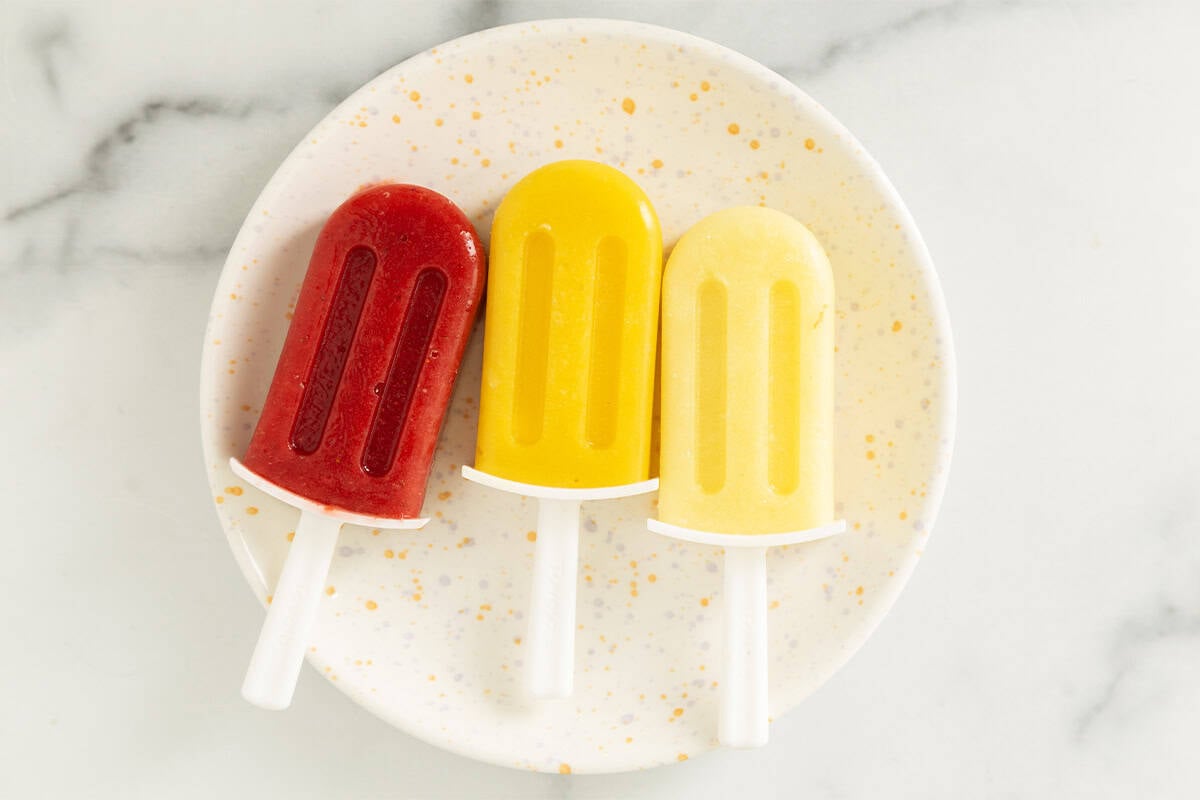
Beyond the financial implications, the nutritional profile of homemade bars offers a level of transparency that commercial products often lack. Even high-end retail brands frequently utilize stabilizers such as guar gum, carob bean gum, or added cane sugar to maintain texture and shelf life. By contrast, the homemade method relies on the natural pectins and sugars found within the fruit itself, supplemented only by the user’s choice of sweetener, such as honey or maple syrup, or omitted entirely for a whole-food approach.
Technical Methodology and Preparation
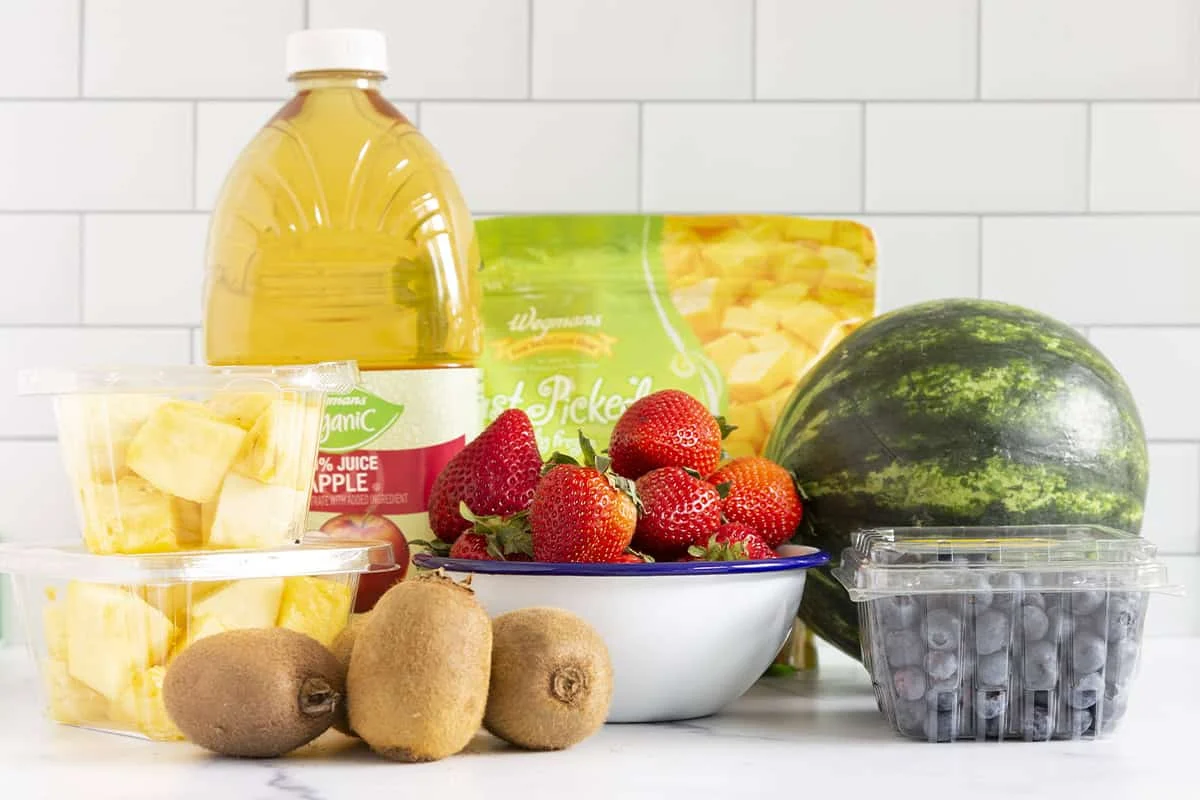
The process of creating these frozen fruit bars is rooted in a four-step methodology designed for maximum efficiency and consistency. The process begins with the selection of fruit, which can range from fresh seasonal produce to thawed frozen varieties. This versatility allows households to utilize fruit that may be slightly overripe—and therefore higher in natural sugar—which might otherwise be discarded, thus reducing domestic food waste.
In Step 1, the primary ingredients, which typically include three to four cups of fruit and an optional liquid base or sweetener, are added to a high-speed blender. The choice of fruit dictates the final texture; for instance, fibrous fruits like mango or pineapple provide a creamier, more substantial "bite," while water-heavy fruits like watermelon or cantaloupe result in a more traditional "ice pop" consistency.
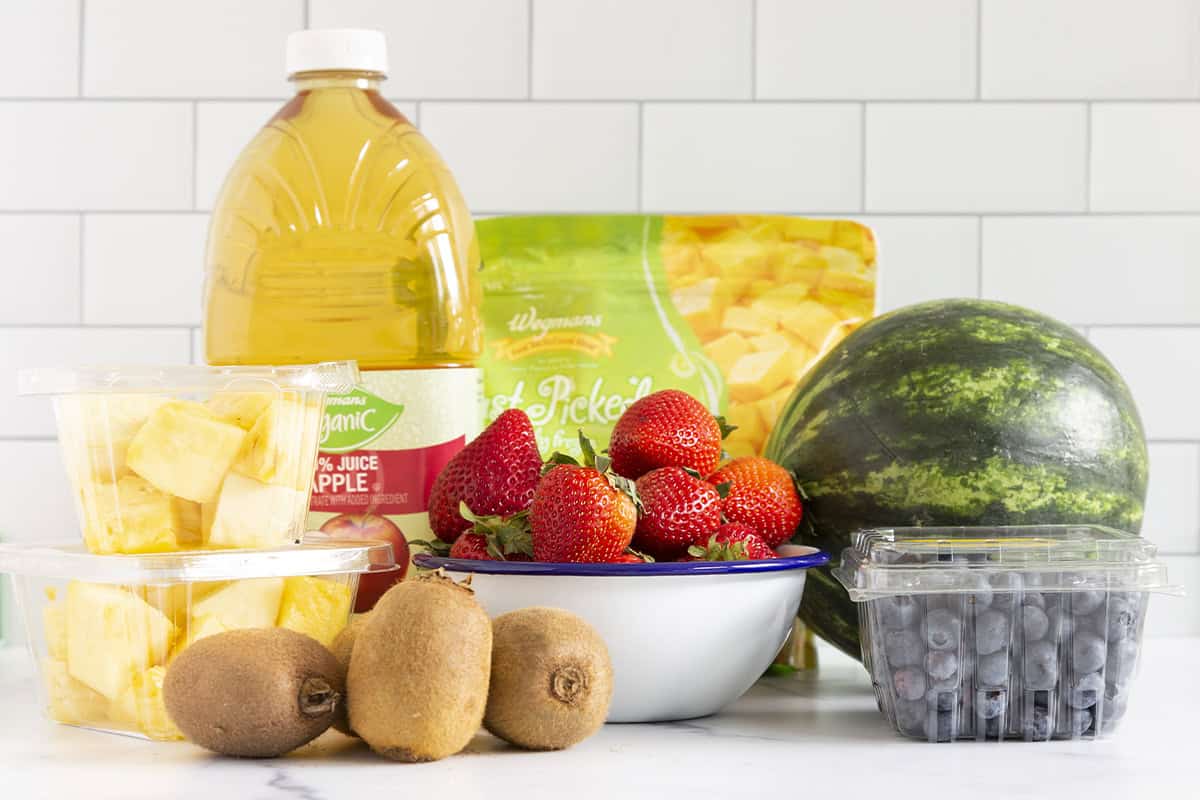
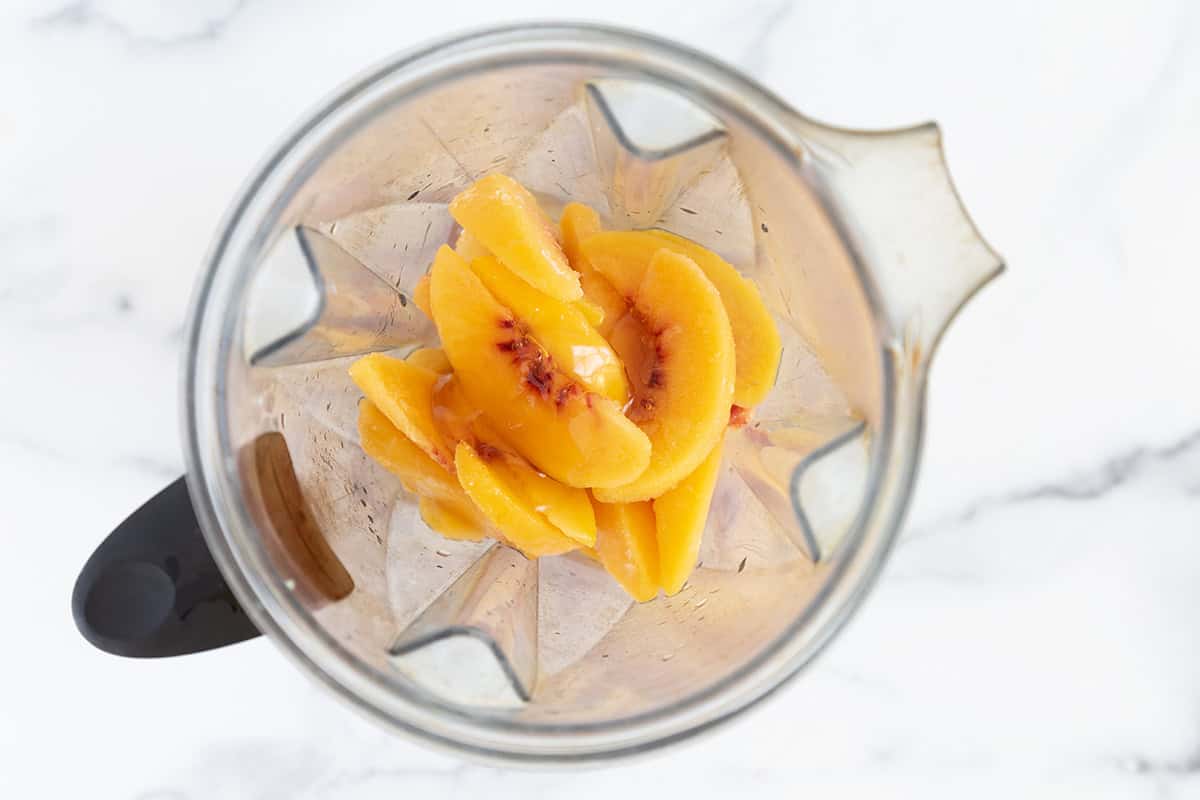
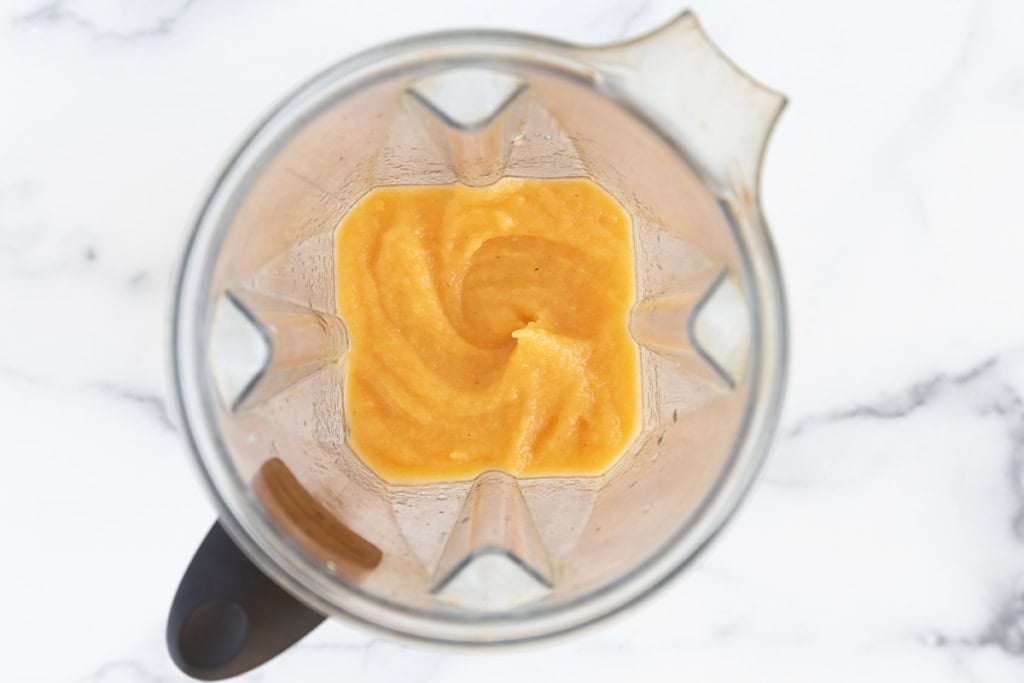
Step 2 involves blending the mixture until a completely smooth purée is achieved. This stage is critical for pediatric consumption, as a uniform texture ensures that the bars are easy for toddlers to navigate. During this phase, the flavor profile is adjusted. Culinary experts suggest tasting the purée before freezing, as the perception of sweetness is slightly dulled once the mixture is frozen.
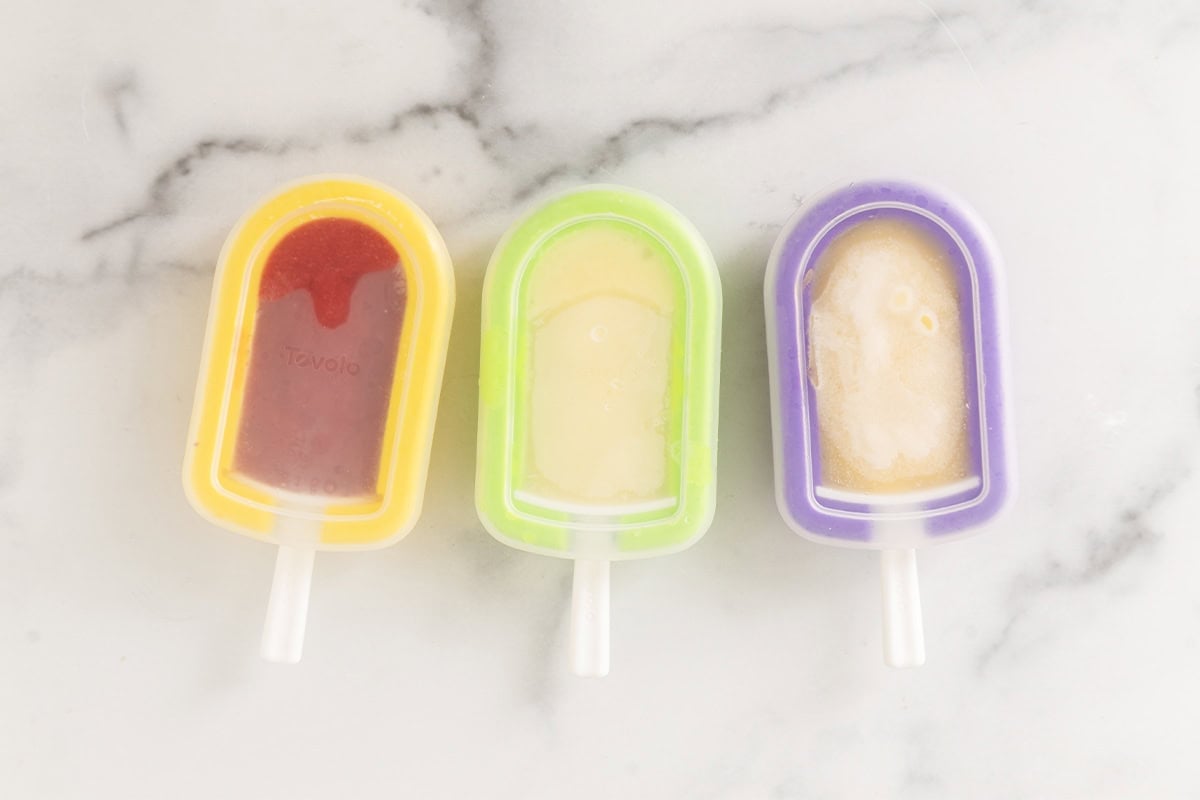
Step 3 focuses on the molding process. The liquid mixture is poured into either reusable silicone popsicle molds or disposable ice pop sleeves. The latter is often preferred for portability and ease of storage. The bars require a minimum of four hours to reach a solid state, though an overnight freeze is recommended to ensure structural integrity.
Step 4 is the service phase. The bars are best served immediately upon removal from the freezer, though their high fruit-fiber content allows them to soften slightly faster than water-and-syrup-based popsicles, making them easier for young children to consume without the risk of dental discomfort.
Nutritional Data and Health Implications
A standard serving of a homemade frozen fruit bar contains approximately 30 calories, making it an exceptionally low-calorie snack. More importantly, the nutritional density is high relative to its caloric value. Data indicates that a single bar can provide up to 43mg of Vitamin C, fulfilling a significant portion of the daily recommended intake for a child. Furthermore, because the recipe utilizes the entire fruit rather than just the juice, each bar retains roughly one gram of dietary fiber.
Health advocates point out that these bars serve a dual purpose as "hydration foods." For children who are reluctant to drink plain water or those recovering from minor illnesses where fluid retention is vital, the high water content of fruits like watermelon (92% water) or pineapple (86% water) provides a palatable way to maintain electrolyte balance.
Comparative Ingredient Analysis
To understand the appeal of the DIY fruit bar, one must look at the common flavor variations and their specific benefits:
- Pineapple and Mango: These tropical options are naturally high in bromelain and Vitamin A. Their dense pulp creates a texture that mimics dairy-based ice cream without the allergen risks associated with milk.
- Watermelon and Honeydew: High in lycopene and potassium, these are the most refreshing options for peak summer months, though they require careful blending to avoid separation.
- Berry Varieties (Strawberry, Blueberry, Cherry): These are rich in antioxidants. When using berries with small seeds, some preparers choose to strain the purée, though keeping the seeds intact maximizes fiber content.
- Stone Fruits (Peach, Nectarine): These provide a delicate flavor and are excellent when paired with a small amount of lemon juice to prevent oxidation and maintain a vibrant color.
Environmental and Sustainability Factors
The shift toward homemade snacks also carries environmental implications. Commercial frozen treats generate significant packaging waste, including cardboard boxes, plastic wrappers, and treated wooden sticks. By utilizing reusable silicone molds, households can significantly reduce their plastic footprint. Furthermore, the ability to buy fruit in bulk or use "ugly" produce that might not be aesthetically pleasing enough for fresh consumption aligns with broader global goals regarding sustainable food systems and the reduction of post-consumer waste.
Reaction from the Parenting and Nutrition Communities
Early adopters of the homemade fruit bar trend have reported high levels of satisfaction, particularly regarding the "stealth health" aspect of the snack. Nutritionists have noted that involving children in the process—allowing them to choose the fruit and pour the mixture into molds—can decrease food neophobia (the fear of new foods) and encourage a more adventurous palate.
"The psychological impact of ‘making your own’ cannot be overstated," says a child nutrition specialist. "When a child sees a strawberry transformed into a popsicle, they develop a positive association with the raw ingredient. It bridges the gap between whole produce and the processed treats they see in advertisements."
Storage and Longevity
One of the logistical advantages of this recipe is its longevity. Once fully frozen, the bars can be stored for up to six months. To prevent the common issue of freezer burn, which occurs when air reaches the surface of the food, experts recommend transferring the frozen bars from their molds into a vacuum-sealed or high-quality freezer bag. Removing as much air as possible preserves the cellular structure of the fruit and ensures the flavor remains vibrant over time.
Conclusion: The Broader Impact on Household Wellness
The transition from purchasing commercial frozen novelties to producing them at home represents a broader trend of "domestic reclamation," where consumers take back control over their food supply chains. By mastering the simple technique of the frozen fruit bar, families are able to mitigate the rising costs of living while simultaneously improving the nutritional quality of their diets.
As the culinary landscape continues to evolve, the frozen fruit bar stands as a testament to the fact that the most effective health solutions are often the simplest. With minimal ingredients, a low barrier to entry, and significant economic rewards, the DIY frozen fruit bar is likely to remain a staple of the modern kitchen, providing a blueprint for how other commercial snacks might be successfully deconstructed and improved upon in the home environment. The result is a more resilient household economy and a healthier generation of young consumers.
