

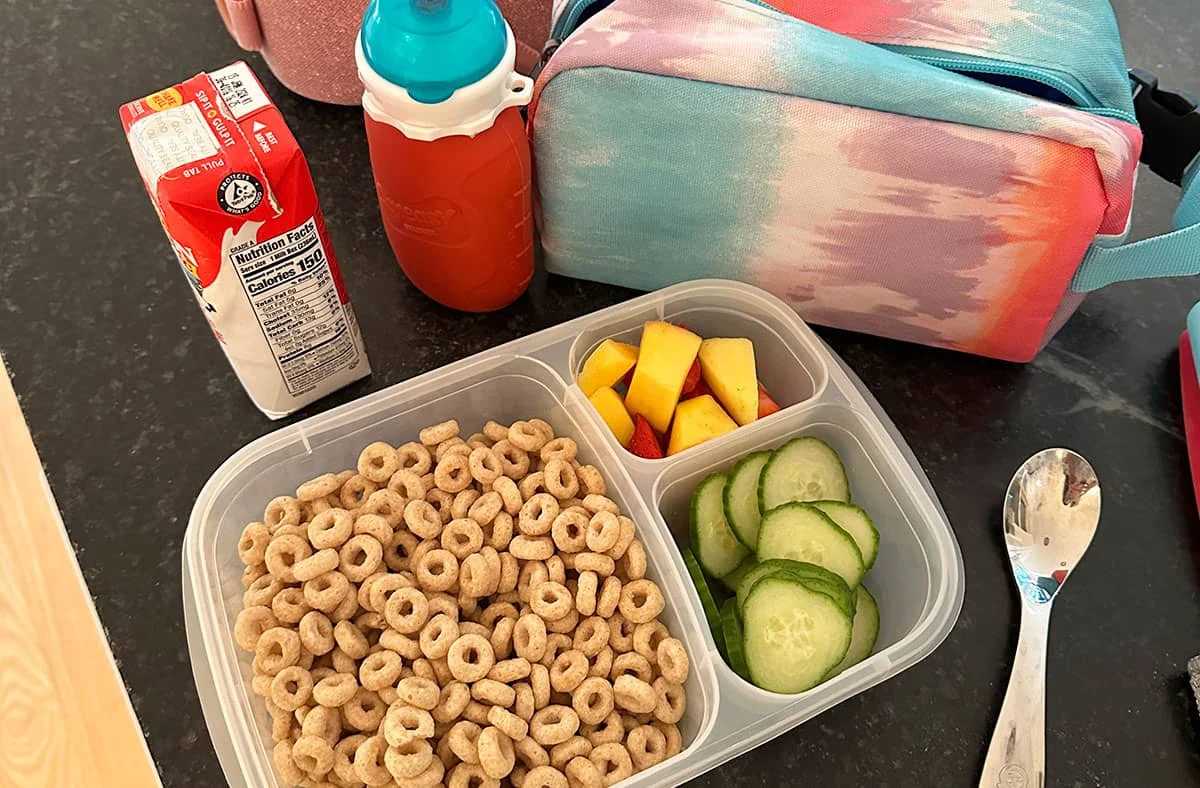
The YTF Community, a digital platform dedicated to the practicalities of pediatric nutrition and family meal management, has launched a new editorial series titled Real Life Summer Lunches, designed to provide parents with realistic, achievable meal options during the high-activity summer months. This initiative marks a strategic shift in the platform’s content delivery, emphasizing authentic, "unfiltered" depictions of daily toddler meals to counter the pervasive influence of highly stylized and often unattainable food imagery found on social media. The series is part of a broader expansion of the YTF Community’s membership-based model, which offers tiered access to specialized resources including customizable meal plans, bonus recipes, and peer-to-peer discussion forums.
The Shift Toward Authentic Representation in Pediatric Nutrition
The introduction of the Real Life Summer Lunches series highlights a growing movement within the digital parenting space to prioritize functional nutrition over aesthetic perfection. For over a decade, social media platforms have been dominated by "Pinterest-perfect" lunchboxes, often featuring intricate fruit carvings and complex, multi-component meals. While visually appealing, child development experts and parental mental health advocates have noted that these depictions can contribute to "parental burnout," a phenomenon characterized by exhaustion and a sense of inadequacy regarding domestic responsibilities.
By showcasing meals such as "cereal lunches"—a concept featured in the series’ inaugural imagery—the YTF Community aims to normalize the use of quick, nutrient-dense staples. This approach aligns with current pediatric advice that emphasizes the importance of a low-stress feeding environment. According to data from the American Academy of Pediatrics (AAP), the psychological atmosphere of a meal is as critical to a child’s development as the nutritional content of the food itself. High parental stress during meal preparation can lead to "pressure feeding," which has been linked to increased picky eating and poor self-regulation in children.
Chronology of the YTF Community and the Subscription Pivot
The evolution of Yummy Toddler Food (YTF) from a standard recipe blog to a comprehensive membership community reflects broader trends in the digital media landscape.
- The Blog Era (Initial Launch): Originally founded as a resource for accessible recipes, the platform initially relied on a traditional ad-supported model. Content was primarily optimized for search engines, focusing on specific keywords like "toddler snacks" or "easy dinners."
- The Social Media Expansion: As visual platforms like Instagram and Pinterest grew, the brand expanded into short-form video and high-resolution photography. During this phase, the tension between "Instagrammable" content and the reality of toddler feeding began to emerge as a central theme in follower feedback.
- The Community Integration (2023-2024): Recognizing a demand for deeper engagement and more personalized tools, the YTF Community was established. This move transitioned the brand into the "creator economy" 2.0, where value is derived from community interaction and utility-based tools rather than just passive content consumption.
- The "Real Life" Initiative (July 2024): The launch of the summer lunch series represents the latest iteration of this strategy. By gating this specific, high-value "real-life" content behind a subscription, the platform is betting on the fact that parents are willing to pay for authenticity and time-saving resources.
Supporting Data: The Challenges of Summer Feeding
Data suggests that the summer months present unique nutritional challenges for families with young children. A study published in the Journal of School Health indicates that children often experience accelerated weight gain during the summer break, partly due to the loss of structured meal times provided by schools or daycares and an increase in the consumption of processed snacks.
Furthermore, a 2023 survey on parental labor found that "cognitive labor"—the mental effort required to plan, shop for, and prepare meals—is one of the most significant contributors to household stress. The YTF Community’s focus on customizable meal plans and automated shopping lists directly addresses this data point. By providing a framework for summer lunches that requires minimal preparation, the platform seeks to reduce the "decision fatigue" that typically peaks during the unstructured summer months.
The Economics of the Membership Model
The YTF Community’s transition to a paid subscription model for its premium content is a microcosm of the current shift in digital publishing. As traditional advertising revenue becomes more volatile due to algorithm changes and privacy regulations, niche content creators are increasingly turning to direct-to-consumer (DTC) revenue models.
The YTF membership offers several key features designed to provide a high return on investment (ROI) for parents:
- Customizable Meal Plans: Users can tailor weekly menus to their specific dietary needs and family size.
- Integrated Shopping Lists: These tools are designed to reduce food waste, which the USDA estimates accounts for 30-40% of the food supply in the United States.
- Peer Commenting and Forums: This creates a "community of practice" where parents can share troubleshooting tips for common issues such as food refusal or sensory processing sensitivities.
Industry analysts suggest that this "SaaS-lite" (Software as a Service) approach to home management is a growing sector. Parents are increasingly seeking "concierge-style" digital tools that don’t just provide information but also facilitate the execution of daily tasks.
Official Responses and Community Reception
While the full details of the Real Life Summer Lunches series are reserved for paid members, the initial response from the community has been largely positive. In public-facing comments, users have expressed relief at seeing "normal" meals represented. One user noted, "Seeing a cereal lunchbox makes me feel like I’m doing a good job even on the days when I don’t have it all together."
The YTF editorial team has responded to this feedback by reinforcing their commitment to accessibility. In a statement accompanying the series launch, the organization noted that while the majority of their content remains free, the paid membership allows for the development of more intensive, utility-focused tools that help families "make all of it easier." This dual-track strategy—free content for reach and paid content for depth—is becoming the gold standard for successful digital communities.
Broader Impact and Implications for Parental Mental Health
The broader implications of the "real-life" movement in parenting media extend into the realm of public health. By deconstructing the myth of the perfect parent, digital communities like YTF may play a role in mitigating the "perfectionism" that is often linked to postpartum depression and anxiety.
The focus on "real-life" lunches also has socio-economic implications. Highly complex, aesthetic lunches often require expensive ingredients and specialized equipment (e.g., specific bento box brands, food cutters). By validating simpler meals, the YTF Community promotes a more inclusive definition of "good" parenting that is not tied to disposable income or free time.
From a nutritional standpoint, the emphasis on "real-life" meals does not mean a compromise on health. The series continues to advocate for a balance of macronutrients—proteins, healthy fats, and complex carbohydrates—but presents them in forms that are familiar and manageable. This pragmatic approach to nutrition education is often more effective for long-term habit formation than the pursuit of idealized, unsustainable dietary patterns.
Conclusion and Future Outlook
As the YTF Community continues to roll out its summer programming, the success of the Real Life Summer Lunches series will likely serve as a case study for other creators in the parenting and nutrition space. The move toward gated, high-utility content reflects a maturing digital landscape where "community" is more than a buzzword—it is a sustainable business model centered on solving the specific, everyday problems of its members.
For parents, the takeaway is clear: the digital resources of the future are moving away from the "aspirational" and toward the "operational." By providing tools that acknowledge the messy reality of raising children, platforms like YTF are helping to redefine the relationship between digital media and domestic life, one "real-life" lunch at a time. The ongoing expansion of these communities suggests that the demand for authenticity, coupled with practical functionality, will continue to drive the evolution of pediatric nutritional resources for the foreseeable future.
