


In the contemporary landscape of domestic culinary practices, the challenge of balancing nutritional density with the time constraints of modern parenting has led to a surge in innovative, simplified recipes. Among these, the emergence of high-protein, no-knead broccoli pizza has gained significant traction as a viable solution for family meal planning. This dish, characterized by its use of alternative dough bases such as Greek yogurt or cottage cheese, represents a broader shift toward "functional comfort foods"—dishes that retain traditional appeal while optimizing for pediatric health requirements. By integrating cruciferous vegetables into a familiar format, this recipe addresses the dual needs of convenience and dietary excellence.
The Evolution of the Pizza Crust: A Nutritional Pivot
Traditional pizza dough relies on yeast-based fermentation, a process that, while historically significant, requires several hours of proofing and manual labor. For the modern household, this timeframe is often prohibitive. The development of the "two-ingredient" or "high-protein" dough—typically a combination of self-rising flour and Greek yogurt—has revolutionized the home-cooking sector.

According to nutritional data provided by the recipe’s developers, a single serving of this broccoli pizza contains approximately 281 calories and 13 grams of protein. This protein density is significantly higher than that of standard commercial frozen pizzas or traditional delivery options, which often rely on refined carbohydrates and high-fat meats. The inclusion of Greek yogurt or cottage cheese into the crust not only increases the protein count but also provides a substantial boost in calcium, with a reported 184 milligrams per serving. For toddlers aged one to three, who require approximately 700 milligrams of calcium daily, one serving of this pizza fulfills nearly 25% of their Recommended Dietary Allowance (RDA).
Culinary Chronology and Development
The concept of "White Pizza with Broccoli" (Pizza Bianca con Broccoli) finds its origins in Italian-American culinary traditions, particularly in the Northeastern United States. Historically, these pizzas omitted the tomato-based sauce in favor of olive oil, garlic, and ricotta or mozzarella. The modern adaptation for toddlers streamlines this tradition by focusing on a "no-knead" methodology.
- Phase I: Dough Formulation (0-10 Minutes): The process begins with the integration of flour and a protein-rich dairy base. Unlike traditional doughs that require gluten development through intensive kneading, these high-moisture doughs are brought together until just combined, preserving a tender crumb suitable for younger children.
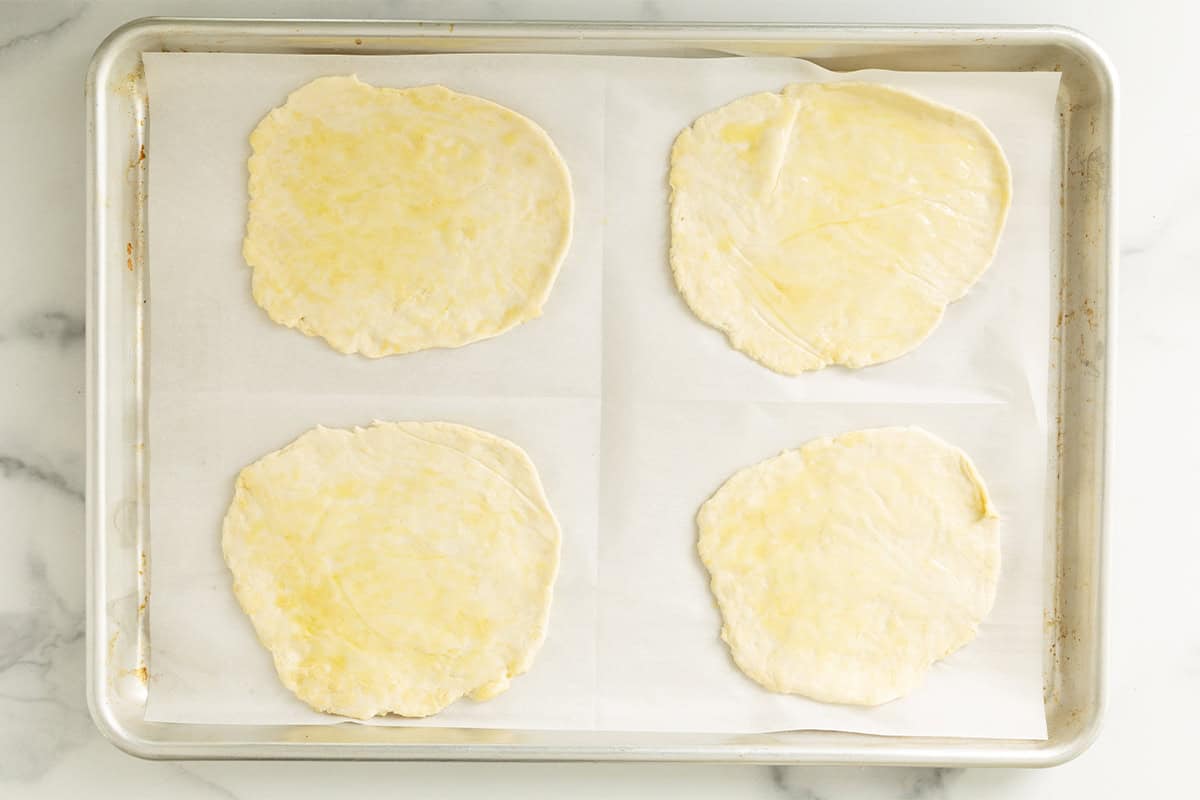
- Phase II: Structural Preparation (10-15 Minutes): The dough is segmented into smaller portions, allowing for individual servings that cook faster and more evenly. This "mini-pizza" approach also facilitates portion control and ease of handling for small hands.
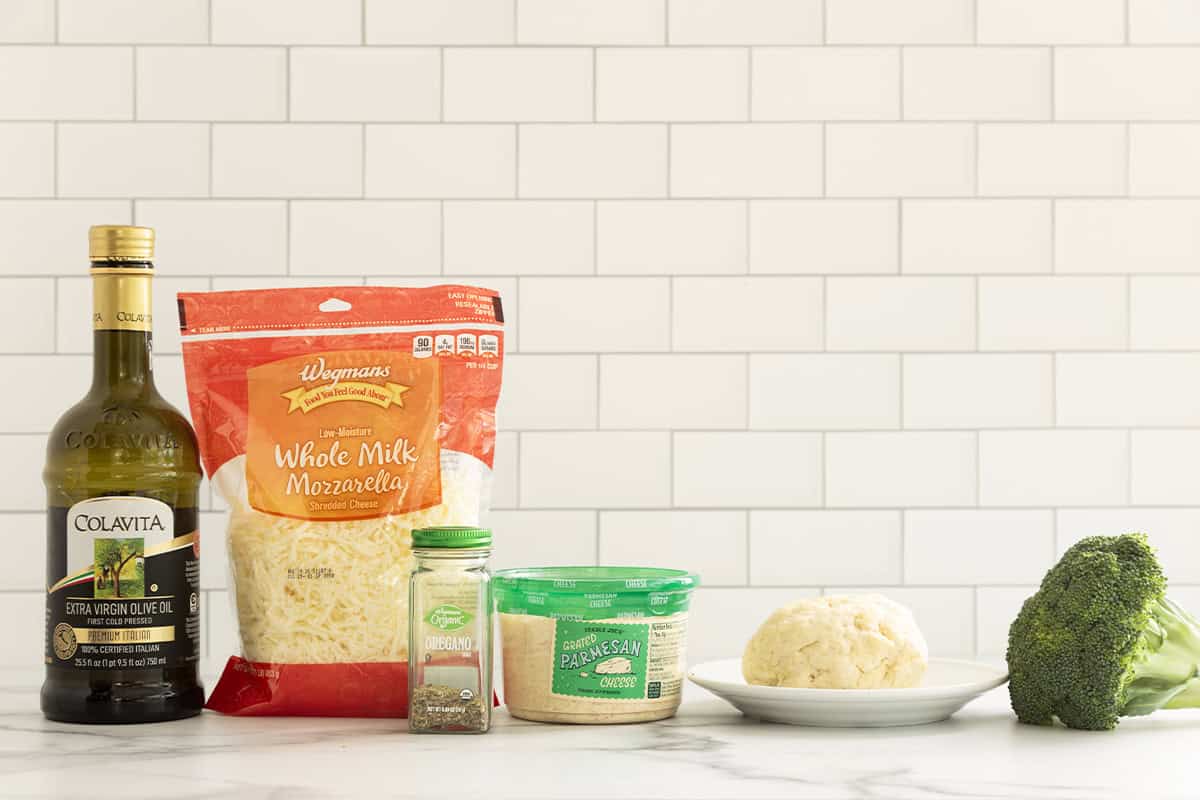
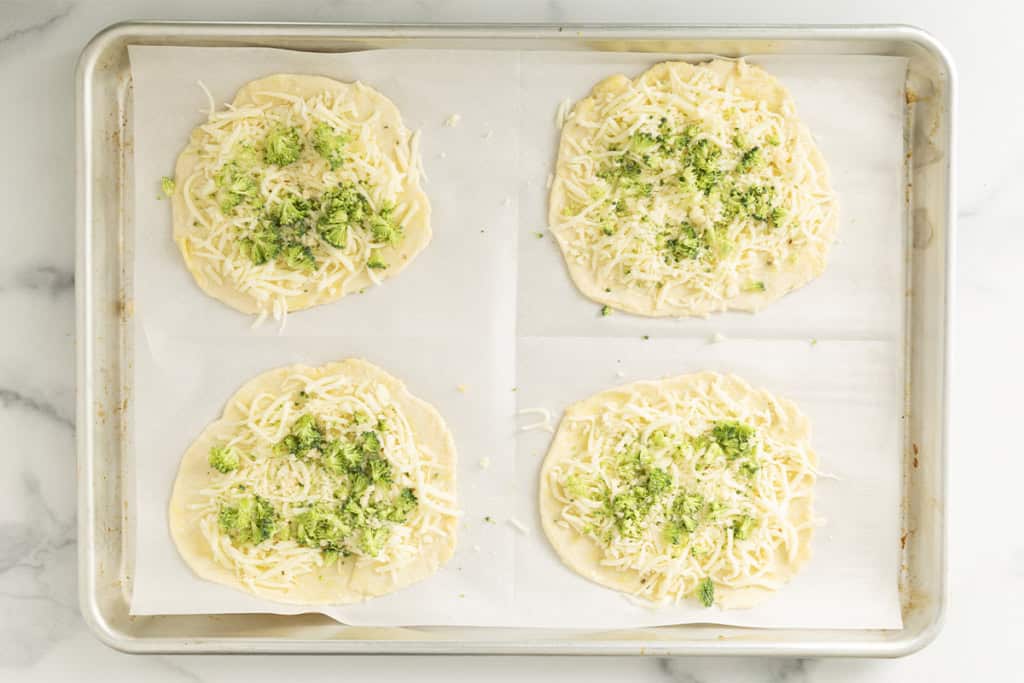
- Phase III: Topping and Baking (15-25 Minutes): The application of olive oil, cheese, and finely chopped broccoli ensures that the vegetables are cooked thoroughly within the short window required to crisp the crust. The use of dried oregano provides aromatic complexity without the bitterness sometimes associated with fresh herbs when subjected to high heat.
Nutritional Analysis and Pediatric Implications
Pediatric nutritionists frequently highlight the "exposure effect" as a critical tool in overcoming food neophobia, or the fear of new foods, which is common in toddlers. By placing broccoli—a vegetable often rejected in its steamed or raw form—atop a safe, familiar food like pizza, parents can increase the likelihood of consumption.
The inclusion of fiber is another significant factor. While the recipe provides approximately 1 gram of fiber per serving, the use of whole-wheat flour or the addition of extra finely chopped broccoli can further enhance this profile. Fiber is essential for maintaining gastrointestinal health in developing children, an area often neglected in standard "kid-menu" items like chicken nuggets or plain pasta.
Furthermore, the caloric distribution of the recipe is noteworthy:
- Total Calories: 281 kcal
- Protein: 13g (High for a vegetable-based meal)
- Fat: 14g (Primarily monounsaturated and polyunsaturated fats from olive oil and dairy)
- Carbohydrates: 26g (Complex carbohydrates from the flour base)
- Micronutrients: Significant levels of Vitamin A (328 IU) and Vitamin C (20 mg), the latter being crucial for immune function and iron absorption.
Professional Feedback and Consumer Response
The efficacy of this recipe is reflected in consumer testimonials. Angela, a home cook who recently tested the method, noted, "The dough texture was perfect and it was really quick and easy to put together." Such feedback underscores the importance of "texture-matching" in pediatric recipes; toddlers are often sensitive to the "mouthfeel" of crusts that are either too tough or too soggy.
From a culinary standpoint, the versatility of the dough is a primary selling point. The recipe is compatible with Greek yogurt dough, cottage cheese dough, and traditional yeast-based dough. This flexibility allows parents to adjust the recipe based on current pantry inventory or specific dietary restrictions, such as the need for dairy-free alternatives. For instance, those requiring a dairy-free option can pivot to a standard no-knead yeast dough while maintaining the broccoli-centric topping profile.
Strategic Implementation: Meal Prepping and Storage
In the context of food logistics, the broccoli pizza is designed for longevity. The ability to store leftovers in an airtight container for up to five days, or to freeze them for up to six months, aligns with the growing trend of "batch cooking."
Storage Protocol:
- Refrigeration: 5 days in a sealed environment to prevent the crust from absorbing ambient odors.
- Freezing: After cooling, slices should be transferred to a freezer-safe bag with air removed to prevent freezer burn.
- Reheating: A toaster oven is recommended over a microwave to maintain the structural integrity of the crust, though a microwave is sufficient for rapid preparation.
Broader Market Trends and Social Impact
The popularity of recipes like the Broccoli Pizza reflects a larger societal shift toward health-conscious home cooking. Market research indicates that the "healthy-at-home" segment has seen sustained growth since 2020, with a specific focus on "stealth health"—the practice of incorporating vegetables into popular dishes.
Moreover, the economic implications are relevant. Making pizza at home is significantly more cost-effective than ordering from a restaurant. With the average price of a delivered pizza rising due to inflation and delivery fees, a homemade version using staple ingredients like flour, yogurt, and frozen or fresh broccoli offers a high-value alternative for budget-conscious families.
Practical Tips for Culinary Success
To ensure the best results, culinary experts suggest several technical adjustments:

- Broccoli Moisture Control: If using frozen broccoli, it must be cooked and patted dry before being added to the pizza. Excess moisture can lead to a "soggy bottom," a common failure in vegetable-topped pizzas.
- Cheese Selection: A low-moisture mozzarella or a blend of Italian cheeses provides the best "melt" without releasing excess oil or water during the baking process.
- Heat Management: Baking at a higher temperature (typically 400°F to 425°F) ensures that the crust develops a golden-brown exterior while the broccoli remains vibrant and tender.
Conclusion: The Future of Family Dining
The broccoli pizza recipe is more than a simple meal; it is a manifestation of modern nutritional strategies. It recognizes that for a meal to be successful in a family setting, it must be accessible to the cook and appealing to the consumer. By leveraging high-protein dairy bases and simplifying the dough-making process, this dish lowers the barrier to entry for healthy eating.
As families continue to navigate the complexities of nutrition and time management, the reliance on such versatile, nutrient-dense, and time-efficient recipes is expected to increase. The broccoli pizza stands as a benchmark for how traditional comfort foods can be reimagined to meet the rigorous demands of 21st-century health and lifestyle standards. It offers a blueprint for future culinary developments where the "bonus" is no longer just the taste, but the sustained health and well-being of the next generation.
