

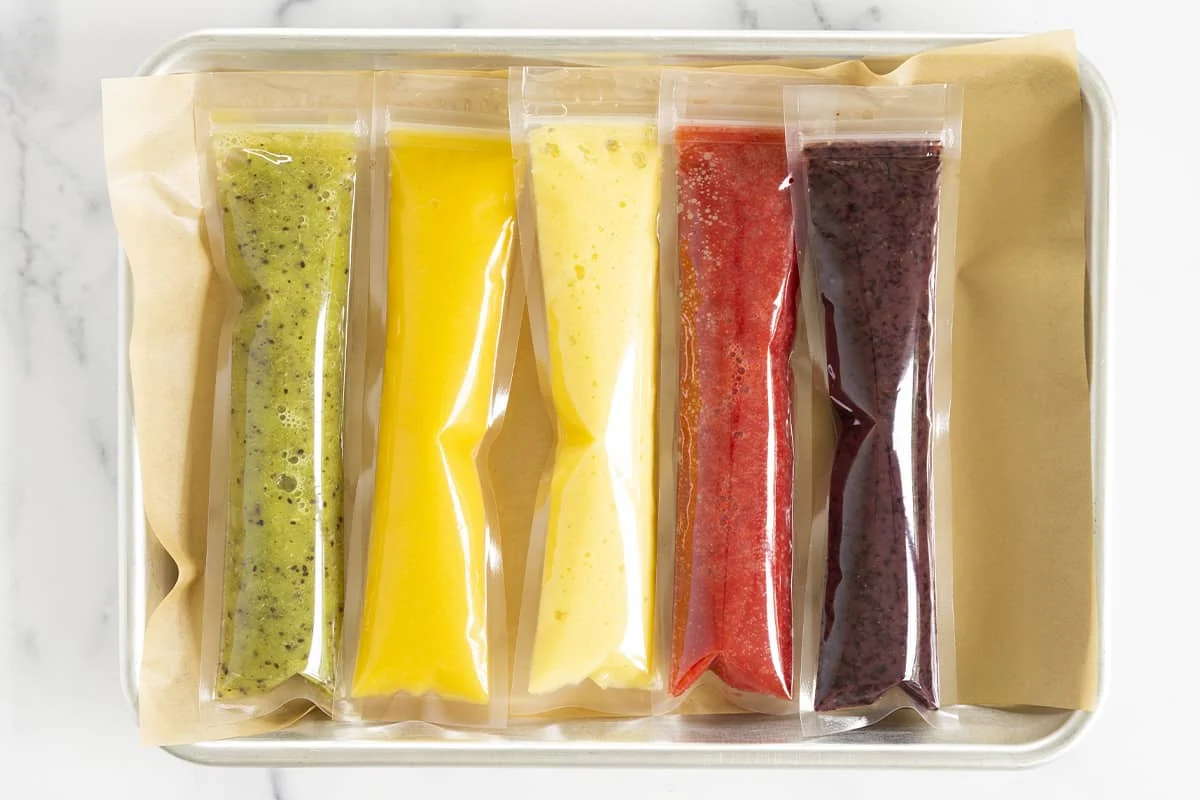
The release of the July Meal Plan Week 3 marks a significant expansion in the digital resources available to modern families seeking to balance nutritional requirements with the logistical constraints of summer schedules. Developed as part of the YTF Community initiative, this latest iteration of the weekly planning series focuses on minimizing the daily labor of food preparation through a philosophy of "make-ahead" cooking and reheating strategies. By prioritizing recipes that maintain quality upon refrigeration or freezing, the plan addresses a critical pain point for households that experience increased outdoor activity and reduced kitchen time during the peak summer months. Central to this week’s curriculum are several high-utility recipes, including Pizza Cups, Spinach Eggs, Orzo Pasta Salad, and Peach Crumb Bars, each designed to function as both standalone meals and versatile components of a broader nutritional strategy.
The Seasonal Cooking Dilemma and the Rise of Structured Planning
The introduction of the July Week 3 plan occurs against a backdrop of shifting household dynamics. Market research into domestic labor indicates that during the summer season, the time allocated to meal preparation often conflicts with extended daylight hours and increased travel. This phenomenon, frequently described by domestic experts as the "summer cooking fatigue," results in a higher reliance on ultra-processed convenience foods. The YTF Community’s structured approach serves as a counter-intervention, providing a roadmap that transitions the heavy lifting of cooking to cooler morning hours or designated prep days.
This strategic shift is not merely a matter of convenience but a response to the "decision fatigue" that often plagues parents. By providing a "rough plan" that allows for adjustments based on schedule volatility or the presence of leftovers, the framework acknowledges the non-linear nature of family life. The inclusion of a specialized "Vacation Meal Plan" within the ecosystem further highlights the demand for portable, low-stress nutritional solutions that can be executed outside of a primary residence.
Chronology of the YTF Community Development
The evolution of the YTF Community from a standard culinary blog to a comprehensive subscription-based utility reflects a broader trend in the digital creator economy.
- Initial Phase: The platform began by offering standalone recipes focused on the specific physiological needs of toddlers and young children, addressing issues such as texture aversion and nutrient density.
- The Integration Period: Recognizing that isolated recipes did not solve the systemic problem of daily meal management, the platform introduced basic weekly menus.
- Digital Transformation: The current phase involves the deployment of interactive tools, including adjustable serving sizes and editable grocery lists. These features allow for a level of customization that traditional cookbooks cannot provide, catering to families ranging from single-child households to larger multi-generational units.
- Community-Centric Expansion: The transition to a paid membership model—the YTF Community—facilitates a two-way dialogue between the developer and the end-user. This feedback loop ensures that the meal plans, such as the July Week 3 release, remain grounded in the practical realities of contemporary parenting.
Supporting Data: The Economics and Logistics of Meal Planning
The efficacy of structured meal planning is supported by significant economic and nutritional data. According to reports from the United States Department of Agriculture (USDA), the average American household wastes approximately 30% to 40% of its food supply. Much of this waste is attributed to "impulse buying" and a lack of clear utilization plans for fresh produce. By utilizing the YTF Community’s editable grocery lists, families can align their purchasing habits with specific recipe requirements, potentially reducing food waste by an estimated 25% per week.
Furthermore, a study published in the Journal of Nutrition Education and Behavior found that households that engage in meal planning are more likely to have a higher variety of food intake and are less likely to be overweight. For families with toddlers, the "make-ahead" nature of the July Week 3 plan is particularly beneficial. Recipes like the Spinach Eggs and Pizza Cups allow for the "hidden" integration of leafy greens and proteins in formats that are familiar and acceptable to children in the 1-to-5-year-old age bracket.
Technical Analysis of Key Recipes
The July Week 3 plan is anchored by four primary recipes that exemplify the "prep-once, eat-twice" methodology:
Pizza Cups
These represent a reimagining of traditional pizza in a handheld, portion-controlled format. From a logistical standpoint, Pizza Cups are superior to traditional slices for toddlers due to their structural integrity and ease of reheating. They serve as a vehicle for diverse toppings, allowing parents to introduce various vegetables within a high-acceptance "crust" framework.
Spinach Eggs
Addressing the common challenge of protein and iron intake in the morning, Spinach Eggs utilize a blending or fine-chopping technique that incorporates significant vegetable volume without altering the fundamental appeal of the dish. This recipe is specifically highlighted for its ability to be batch-cooked and served throughout the week, either cold or slightly warmed.
Orzo Pasta Salad
The inclusion of a chilled pasta salad aligns with the thermal realities of July. Orzo, due to its rice-like shape, is often more manageable for young children using cutlery than larger pasta shapes. The salad format allows for the use of seasonal produce—such as cucumbers, tomatoes, and herbs—ensuring high micronutrient content while minimizing the need for stovetop heat during the hottest parts of the day.
Peach Crumb Bars
Utilizing peak-season stone fruit, these bars provide a controlled alternative to high-sugar processed snacks. The use of whole grains in the crumb structure offers a slower release of energy, which is critical for maintaining stable blood sugar levels in active children.
Industry Implications and the Freemium Model
The YTF Community’s decision to place the full July Week 3 plan behind a paywall reflects the maturing landscape of digital publishing. While the "vast majority" of content remains free, the premium tier offers high-utility tools that transform information into action. This "freemium" model is becoming standard for niche culinary platforms that provide specialized value, such as customized grocery lists and peer-to-peer commenting systems.
This shift has broader implications for the meal-kit industry. While companies like HelloFresh and Blue Apron provide physical ingredients, digital planning services like YTF offer a lower-cost, more flexible alternative. Families retain the agency to shop at their preferred retailers—potentially taking advantage of local sales or bulk pricing—while still benefiting from the professional curation and nutritional oversight of a structured plan.
Official Responses and User Experience
While formal corporate statements are absent in this community-driven model, the "Member Only" section of the July Week 3 release serves as the primary channel for official communication. The platform emphasizes that the plan is "simply a way to make food and feeding a little easier," rather than a rigid set of rules. This empathetic approach to "haywire" schedules has garnered positive engagement within the community, as evidenced by the high demand for customizable features.
Technical support for the meal plans is managed through a comprehensive FAQ system, addressing common issues such as ingredient substitutions for allergies and storage guidelines for make-ahead meals. The platform’s insistence on "adjusting it as you like" reflects a move toward "intuitive parenting," where expert guidance is used as a foundation rather than a strict mandate.
Broader Impact on Public Health and Parenting
The long-term impact of initiatives like the YTF Meal Plan series extends into the realm of public health. By lowering the barrier to home-cooked meals, these resources combat the rising rates of childhood obesity and nutrient deficiencies. The focus on "joy" and "sharing in the challenges" of feeding a family also addresses the mental health aspect of parenting. The social isolation often felt by primary caregivers is mitigated through the "commenting with peers" feature, creating a virtual support network centered around the universal task of nourishment.
As the July Week 3 plan enters circulation, it serves as a case study in how technology can be leveraged to simplify domestic labor. By integrating seasonal ingredients, economic efficiency, and child-specific nutritional science, the YTF Community is redefining the "weekly menu" for a new generation of families. The move toward editable, scalable, and interactive planning tools suggests a future where the digital and physical kitchens are seamlessly integrated, allowing parents to reclaim time without compromising on the quality of their family’s diet.
