

The rising cost of consumer packaged goods, coupled with an increasing parental focus on "clean label" ingredients, has led to a significant surge in the popularity of homemade frozen fruit bars. These domestic alternatives, which utilize whole fruit and minimal additives, are emerging as a preferred method for ensuring child hydration and nutritional intake. As grocery prices for premium frozen treats continue to escalate, the shift toward DIY fruit-based snacks represents both a health-conscious movement and a strategic economic choice for modern households. By leveraging simple blending and freezing techniques, families can replicate the flavor profiles of major commercial brands at a fraction of the retail cost.
The Nutritional Landscape and Consumer Shift
The demand for transparent ingredient lists has transformed the snack food industry over the last decade. Commercial fruit bars, while marketed as healthy, frequently contain stabilizers such as guar gum, locust bean gum, and added sugars or high-fructose corn syrup to maintain texture during long-term freezer storage. In contrast, the homemade frozen fruit bar relies on the natural pectin and fiber found within the fruit itself to provide structure.
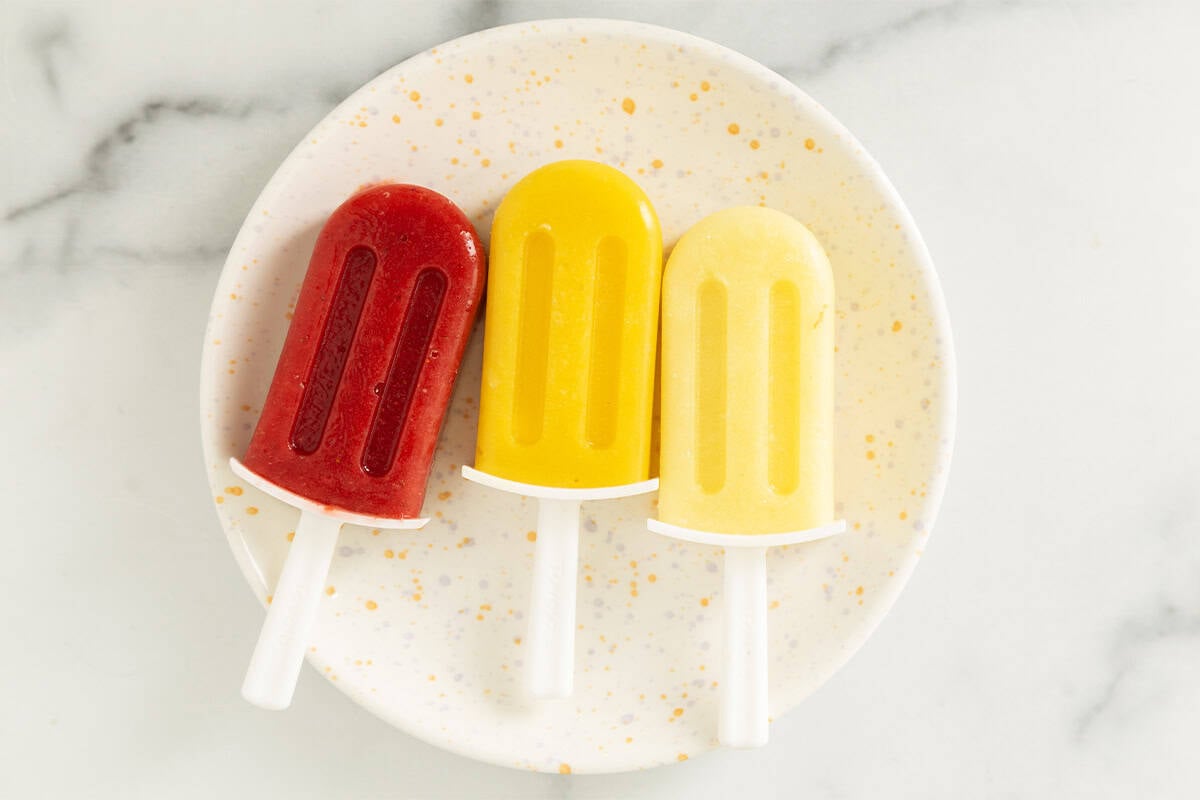
Nutritional analysis of a standard homemade fruit pop reveals a profile high in essential micronutrients. A single serving typically contains approximately 30 calories, 7 grams of carbohydrates, and 5 grams of natural sugars. Most notably, these bars can provide up to 43 milligrams of Vitamin C, depending on the fruit used, representing a significant portion of the Recommended Dietary Allowance (RDA) for toddlers and young children. The inclusion of whole fruit ensures that dietary fiber remains present, which slows the absorption of fructose and provides a more stable energy release compared to juice-based popsicles.
Economic Implications of Homemade Alternatives
Market data indicates that premium frozen fruit bars, such as the widely recognized Outshine brand, have seen price increases ranging from 15% to 25% in various regional markets over the past 24 months. A standard retail pack often contains six to twelve bars, with prices frequently exceeding $5.00 or $6.00 per box.
An economic analysis of the homemade method suggests substantial savings. A 16-ounce bag of frozen fruit, often priced between $2.50 and $4.00, can produce upwards of 10 to 12 fruit bars when blended with a small amount of water or natural juice. This reduces the per-unit cost by nearly 50%. Furthermore, the ability to utilize overripe fresh fruit that might otherwise be discarded addresses the issue of household food waste, further enhancing the cost-efficiency of the practice. For families with multiple children, the cumulative annual savings of transitioning from store-bought to homemade snacks can be significant.
Technical Process and Flavor Versatility
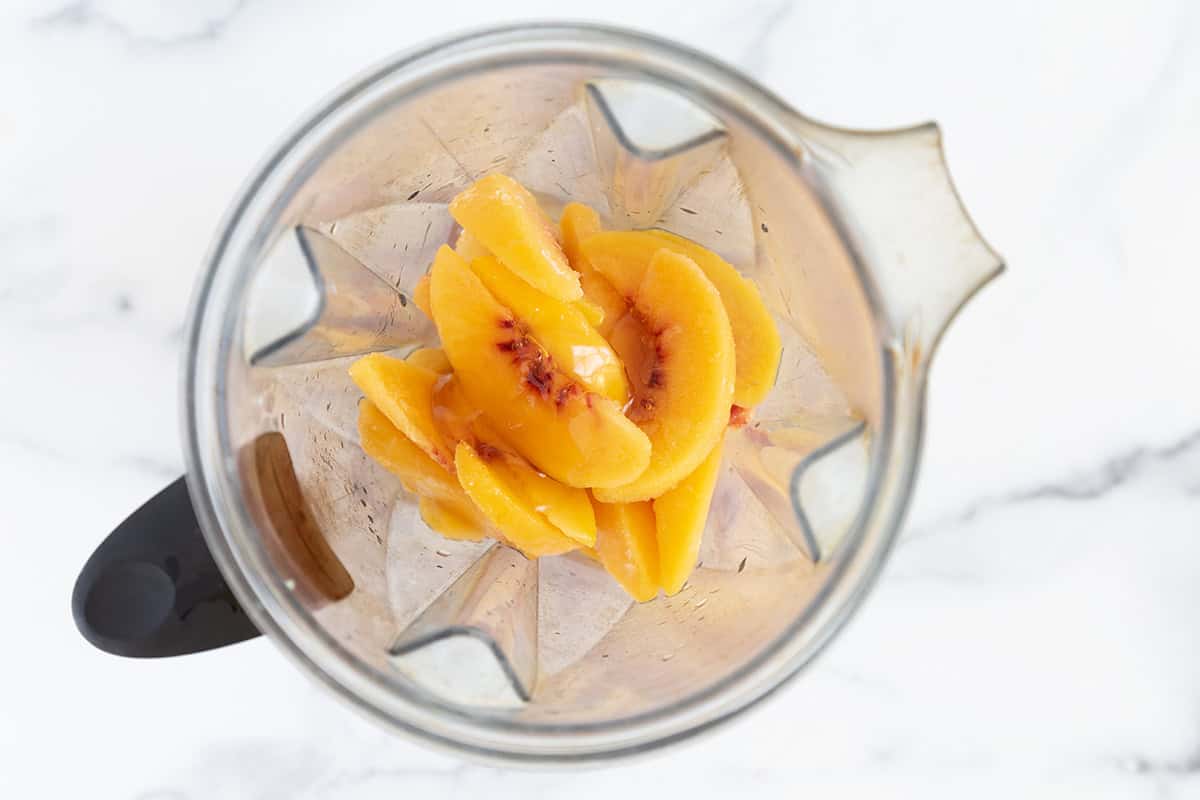
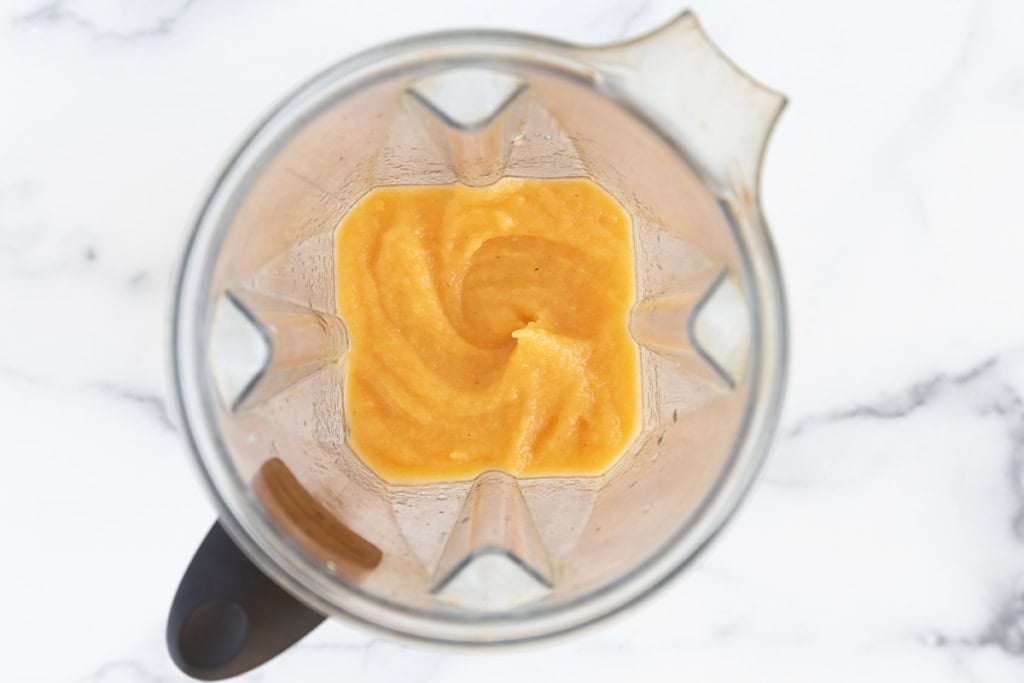
The production of frozen fruit bars at home involves a streamlined mechanical process: pureeing, adjusting, and tempering. The method requires only a high-speed blender and food-grade molds or silicone sleeves.
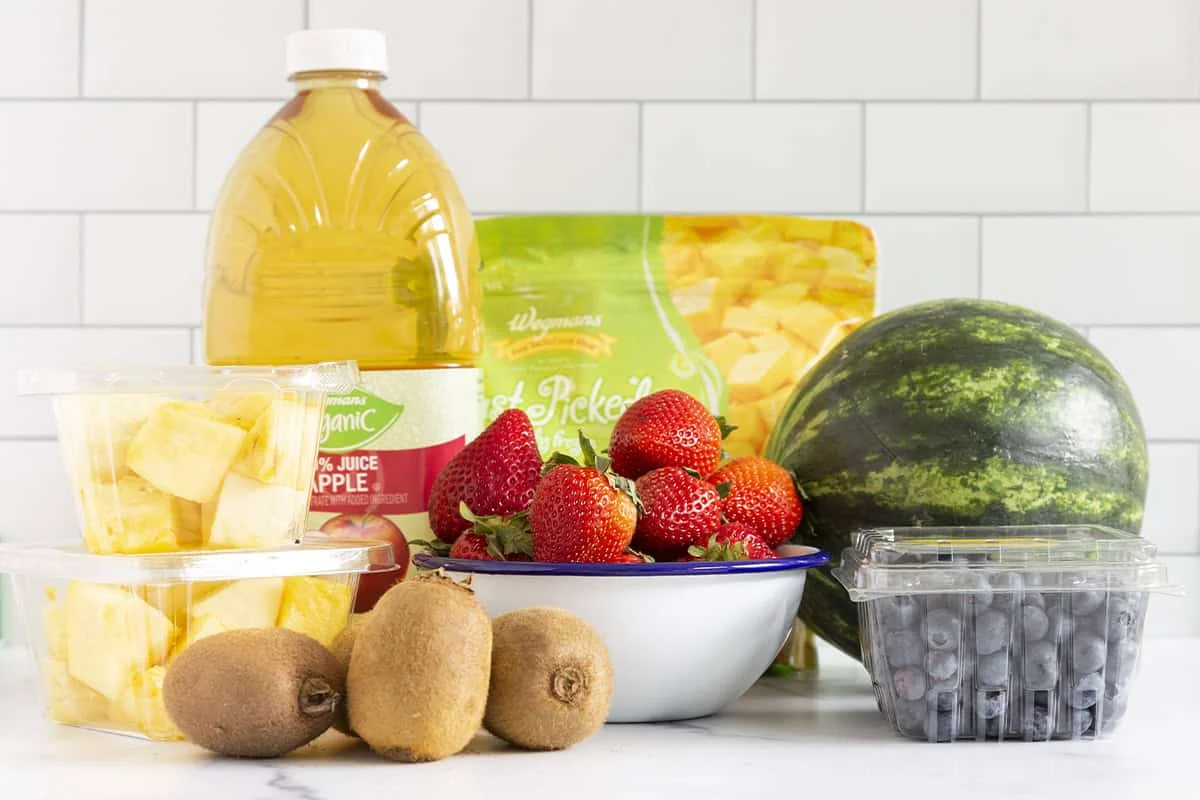
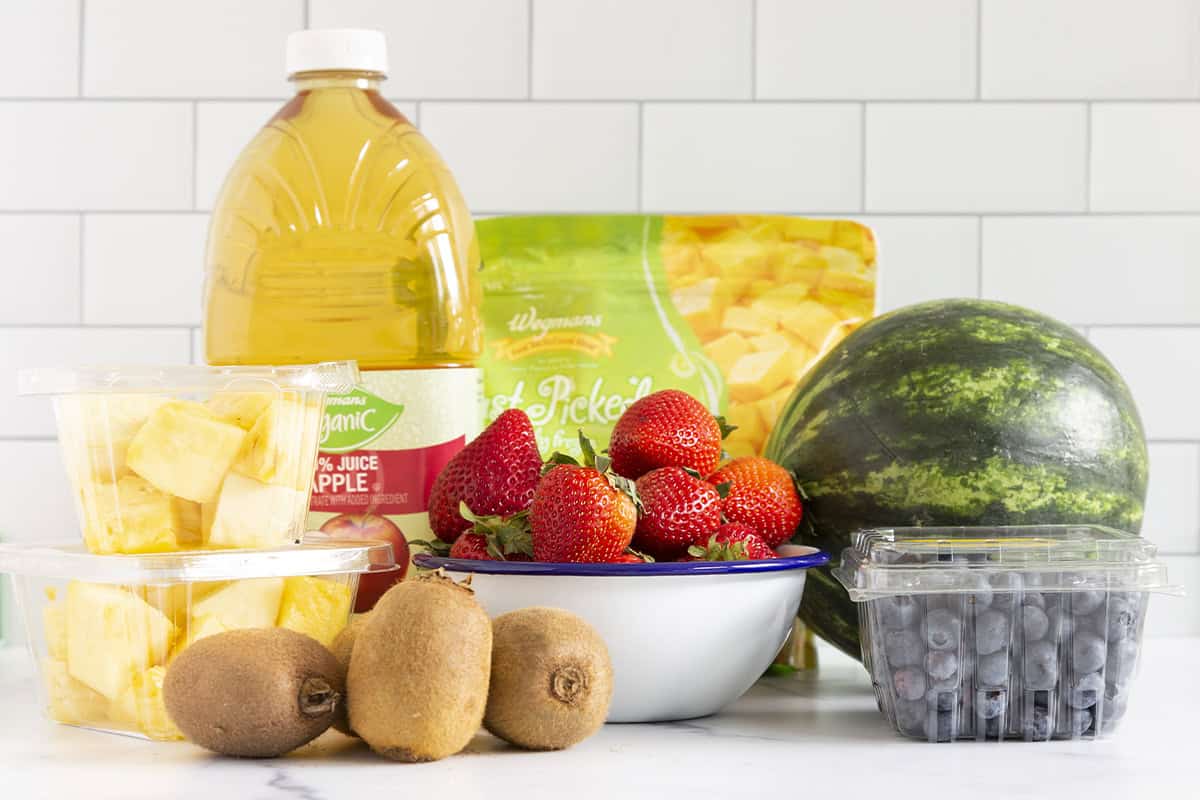
- Selection and Preparation: The process begins with the selection of fruit, which can be fresh or thawed from frozen. Popular varieties include pineapple, watermelon, mango, strawberry, and blueberry. The use of thawed frozen fruit is often recommended by culinary experts because the freezing process breaks down cellular walls, resulting in a smoother puree.
- Emulsification: The fruit is blended with a liquid base—typically water, coconut water, or a small amount of fruit juice—until a homogenous mixture is achieved. This step is critical for ensuring a consistent texture that avoids the "icy" mouthfeel associated with poor-quality popsicles.
- Sweetening and Balancing: Depending on the ripeness of the fruit, a natural sweetener like honey or maple syrup may be added. However, nutritionists note that for most ripe fruits, additional sugar is unnecessary.
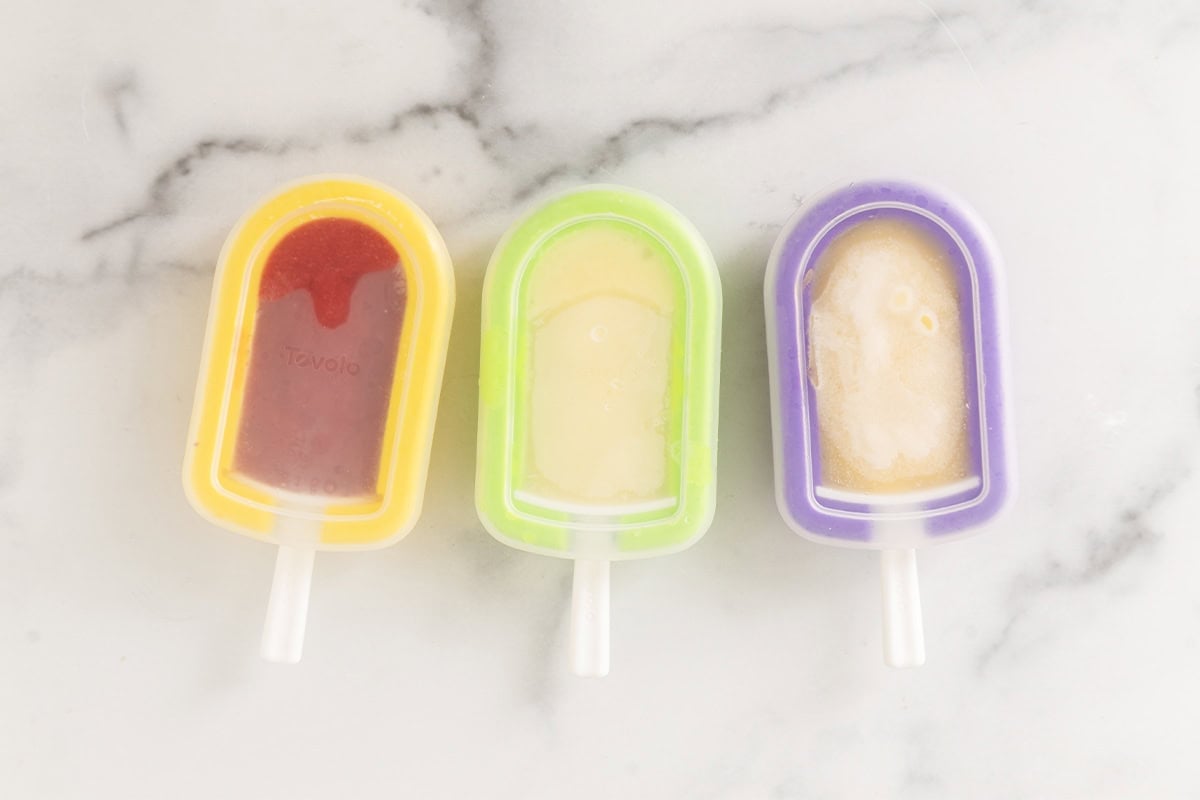
- Cryogenic Solidification: The mixture is poured into molds and frozen for a minimum of four hours. During this time, the water molecules form a crystalline structure around the fruit fibers.
The versatility of this method allows for endless variations. Beyond standard berries, more exotic options like cantaloupe, kiwi, honeydew, and cherries are being utilized to broaden the palate of young consumers. Some variations incorporate Greek yogurt or spinach to add protein and phytonutrients, respectively, without compromising the primary fruit flavor.
A Chronology of the Frozen Treat Evolution
The history of the frozen fruit bar is rooted in the early 20th century, but its current iteration reflects modern nutritional science.
- 1905: The accidental invention of the "Epsicle" by Frank Epperson introduced the concept of frozen soda water on a stick.
- 1920s-1970s: The commercialization of the Popsicle brand focused primarily on flavored sugar water and artificial dyes.
- 1980s-1990s: A shift toward "real fruit juice" popsicles began as health consciousness entered the mainstream, though these products remained high in processed sugars.
- 2010s: Brands like Outshine and Chloe’s popularized the "fruit-first" model, using fruit puree as the primary ingredient.
- 2020-Present: The DIY movement, fueled by social media and economic pressures, has moved the production of fruit-first bars back into the home kitchen, prioritizing whole-food ingredients and zero additives.
Expert Perspectives on Hydration and Health
Pediatric nutritionists have highlighted the role of frozen fruit bars in maintaining hydration, particularly during the summer months or during periods of illness. "Children are often reluctant to consume adequate amounts of plain water," states a consensus report on childhood nutrition. "Frozen delivery systems that utilize high-water-content fruits like watermelon or pineapple serve as an effective tool for fluid intake while providing antioxidants and vitamins."
Furthermore, dental professionals have weighed in on the benefits of homemade versions over commercial counterparts. By controlling the sugar content and avoiding the sticky syrups found in many processed treats, parents can reduce the risk of dental caries. The fibrous texture of whole-fruit popsicles also requires more active engagement from the jaw and tongue, which can be beneficial for sensory development in toddlers.
Storage and Quality Control Standards
To maintain the integrity of homemade frozen fruit bars, specific storage protocols are recommended. While commercial bars contain chemical preservatives to prevent "freezer burn" (the dehydration and oxidation of food due to air exposure), homemade bars require physical barriers.
Once the bars are fully solidified in their molds, experts recommend transferring them to airtight, BPA-free freezer bags. Removing as much air as possible before sealing can extend the shelf life of the bars up to six months. If the bars are stored in open molds, they are susceptible to absorbing odors from other freezer items, which can degrade the flavor profile.
For optimal consumption, a brief "tempering" period of one to two minutes at room temperature is advised. This allows the exterior of the bar to soften slightly, enhancing the flavor perception and making the texture more palatable for younger children.
Broader Societal and Environmental Impact
The move toward homemade snacks also carries environmental implications. Commercial frozen treats generate significant plastic and cardboard waste through individual wrappers and multi-pack boxing. By using reusable silicone molds and bulk-purchased fruit, households can drastically reduce their contribution to single-use plastic pollution.
Additionally, the practice of making fruit bars serves as an educational opportunity for children. Engaging toddlers in the process of selecting fruit, blending it, and pouring it into molds fosters a positive relationship with whole foods. This "food literacy" is linked to better eating habits later in life, as children who understand how their food is prepared are more likely to try new fruits and vegetables.
Conclusion: The Future of Domestic Food Production
The rise of the homemade frozen fruit bar is more than a culinary trend; it is a reflection of a changing consumer landscape where health, economy, and sustainability intersect. As analytical tools and nutritional information become more accessible to the average parent, the reliance on ultra-processed snacks is likely to continue its decline.
By prioritizing whole ingredients and simple preparation methods, the domestic kitchen is reclaiming its role as the primary provider of nutritious snacks. The frozen fruit bar stands as a testament to the fact that high-quality, delicious, and healthy food does not require a premium price tag or a complex industrial supply chain. As long as the dual pressures of health concerns and inflation persist, the DIY fruit bar will remain a staple of the modern household freezer.
