

The Nutritional and Culinary Evolution of Zucchini Rice as a Staple in Modern Pediatric Nutrition and Seasonal Home Cooking has emerged as a significant development in the landscape of domestic meal preparation, particularly as families seek to integrate nutrient-dense vegetables into standard dietary staples. This culinary innovation, characterized by its fluffy texture and rapid preparation time, represents a broader shift toward "hidden vegetable" strategies designed to improve pediatric health outcomes while managing the seasonal abundance of summer produce. As zucchini harvests reach their peak during the summer months, the integration of this squash into rice dishes has moved from a niche home-cooking hack to a recognized method for enhancing the nutritional profile of common side dishes.
The dish serves as a versatile foundation in contemporary kitchens, functioning either as a nutrient-fortified side or, with the addition of proteins such as legumes or poultry, a comprehensive vegetarian main course. This adaptability is critical in the context of modern household management, where time constraints and nutritional requirements often collide. By utilizing a specific preparation method that involves moisture control and residual heat, home cooks are able to produce a dish that maintains the structural integrity of the rice while ensuring the zucchini is seamlessly incorporated without compromising the meal’s overall texture.
Technical Methodology and Culinary Chronology
The success of zucchini rice is predicated on a specific chronological sequence that prioritizes temperature control and moisture management. Culinary experts emphasize that the preparation of this dish is not merely about mixing ingredients but rather about a staged integration that preserves the nutritional value of the vegetable while optimizing the starch characteristics of the rice.
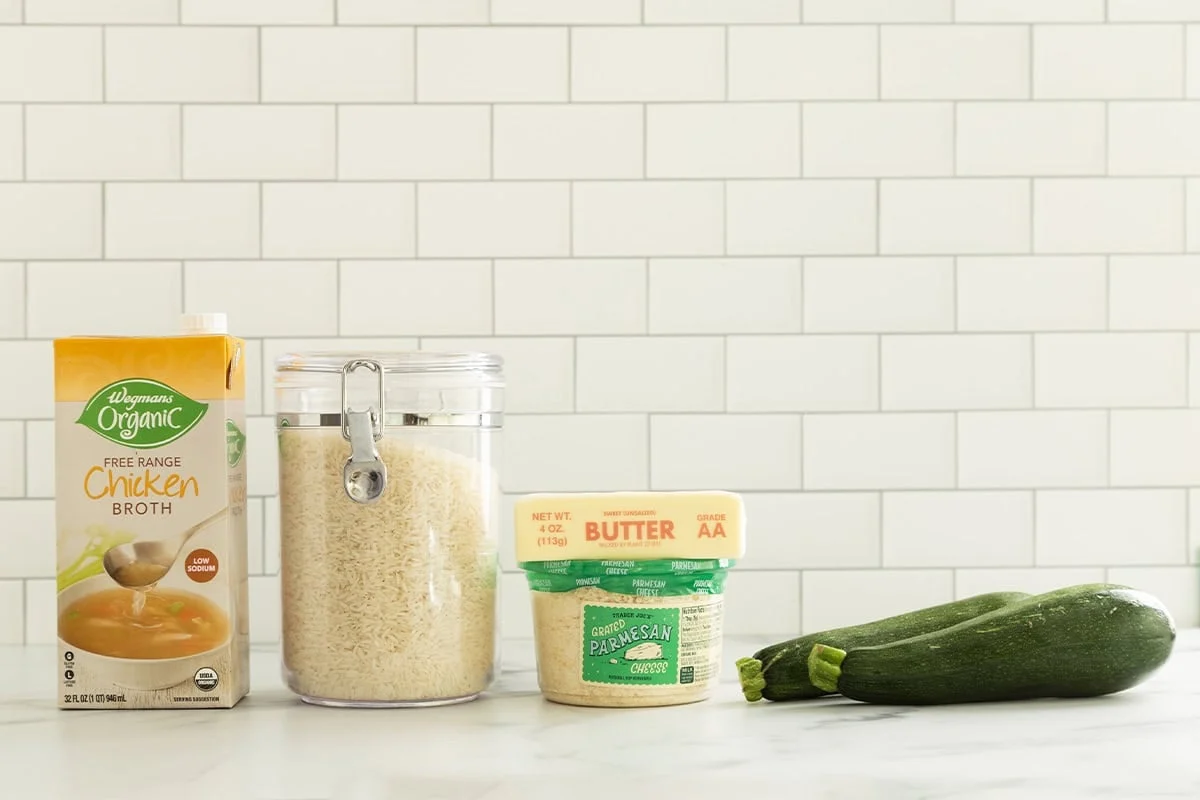
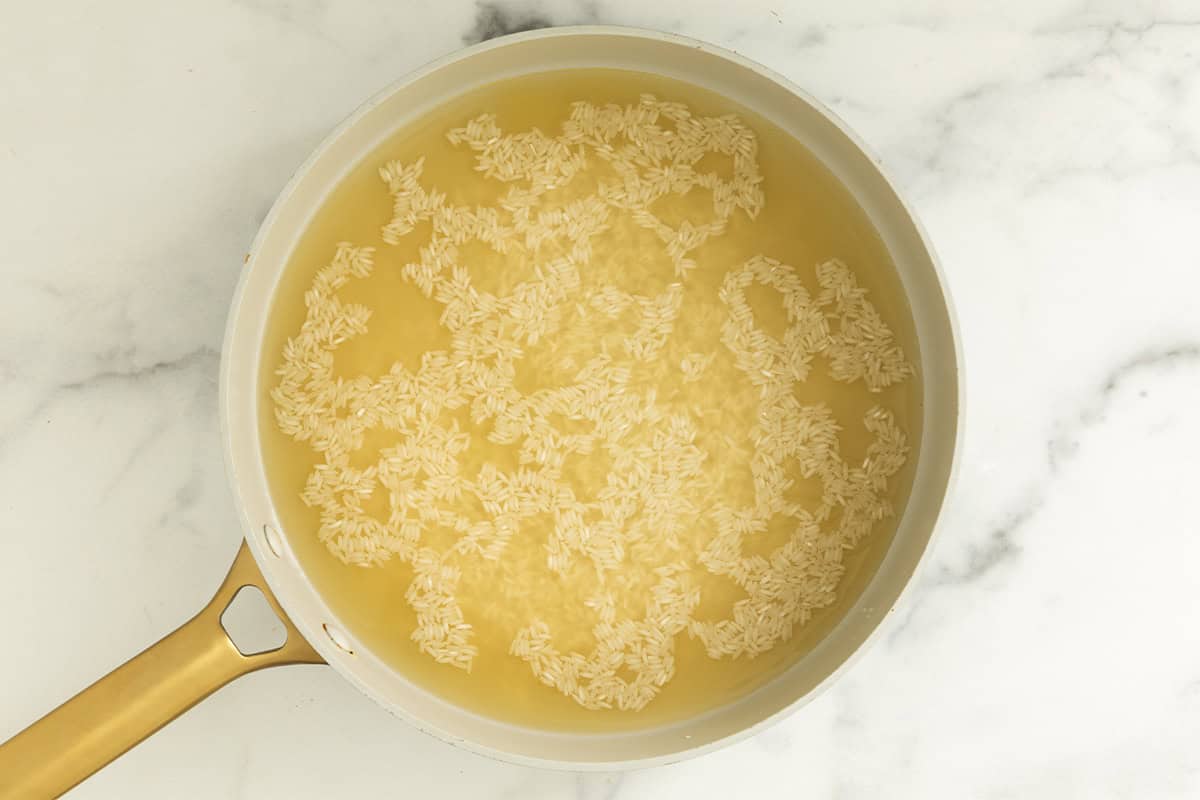
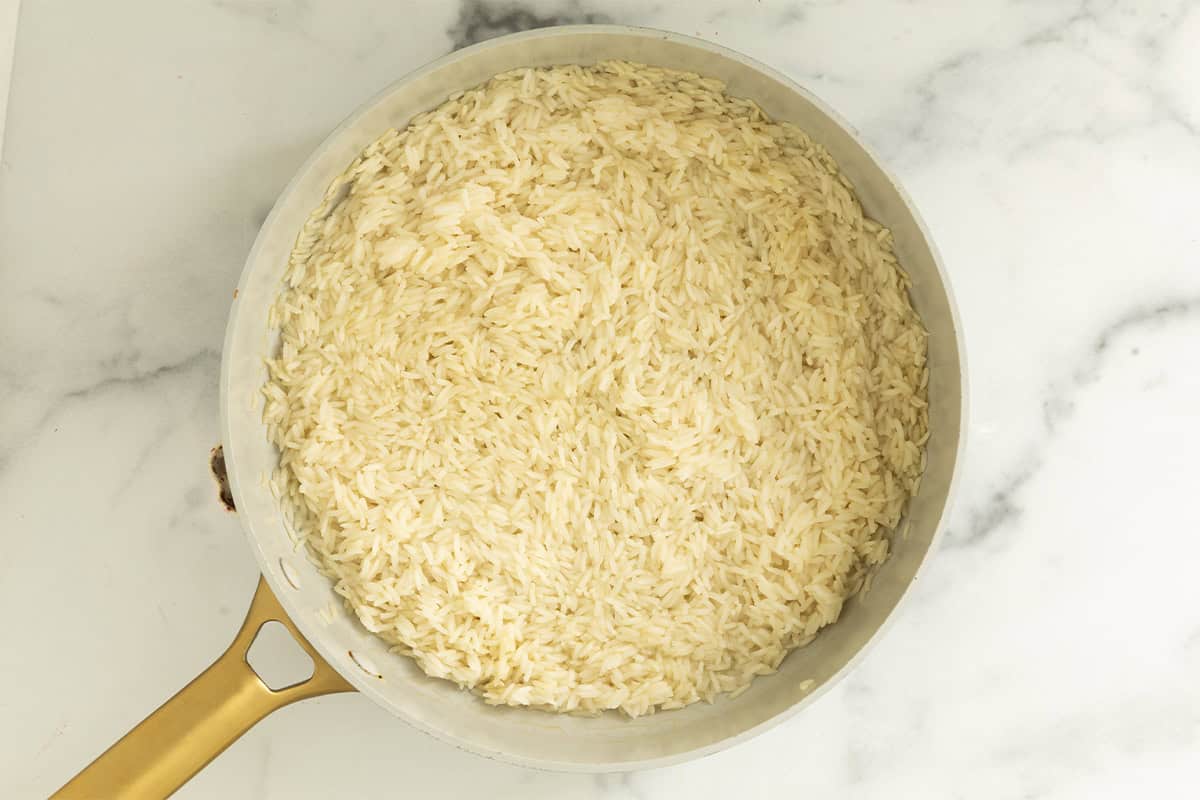
The process begins with the preparation of the cooking medium. Rather than using plain water, the methodology utilizes broth—typically vegetable or chicken—to provide a foundational savory profile. The broth is brought to a simmer over medium heat before the rice is introduced. Once the rice is added, the thermal intensity is reduced to a medium-low setting to facilitate a slow absorption of liquid, which prevents the grains from bursting or becoming overly glutinous.
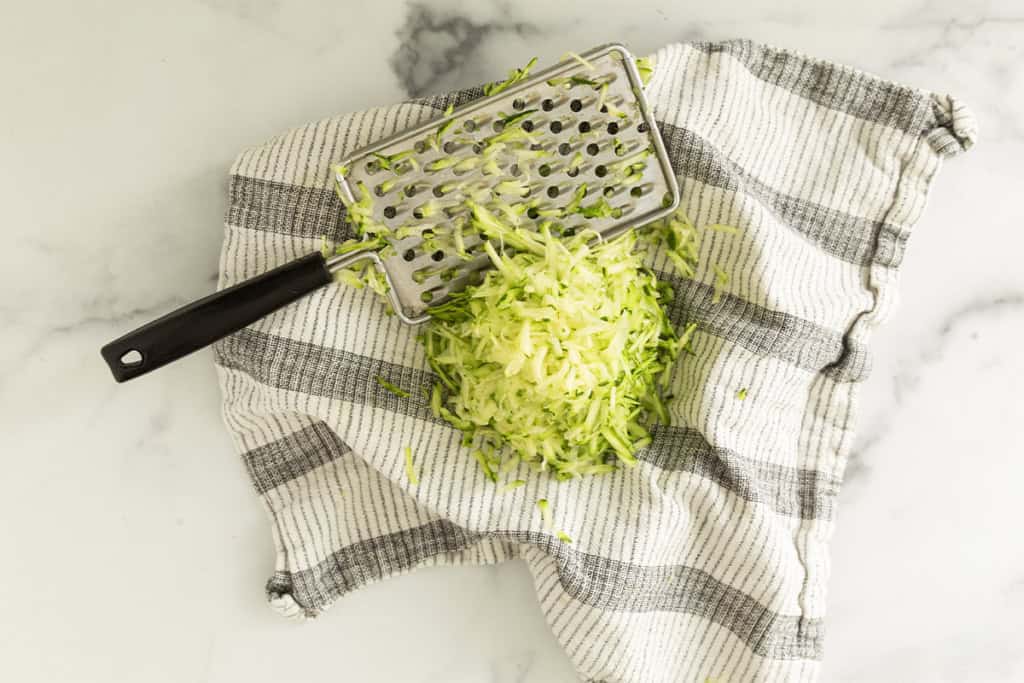
Simultaneously, the preparation of the zucchini requires a distinct technical step: the extraction of excess moisture. Zucchini, scientifically known as Cucurbita pepo, is composed of approximately 95% water. If added directly to the rice without preparation, this internal liquid would be released during the cooking process, resulting in a soggy or "mushy" final product. To mitigate this, the vegetable is shredded and then subjected to light mechanical pressure—usually via a clean kitchen towel—to remove the majority of its aqueous content.
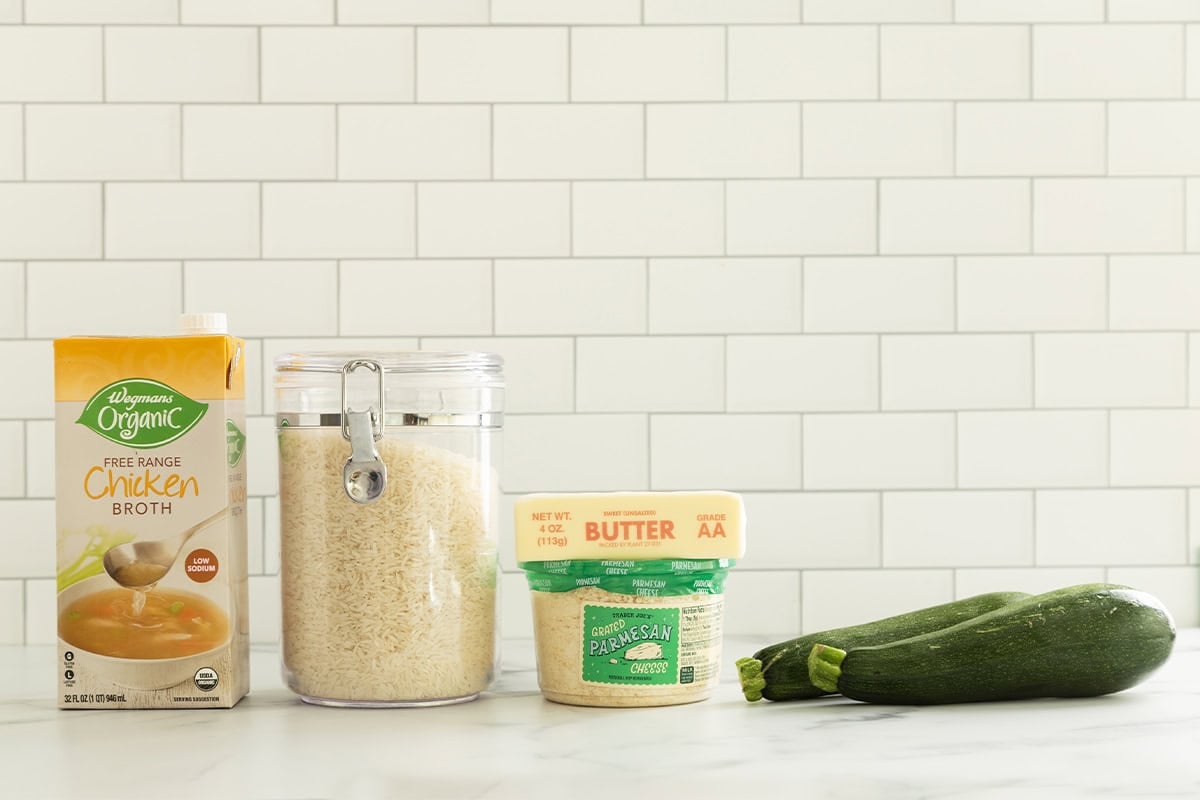
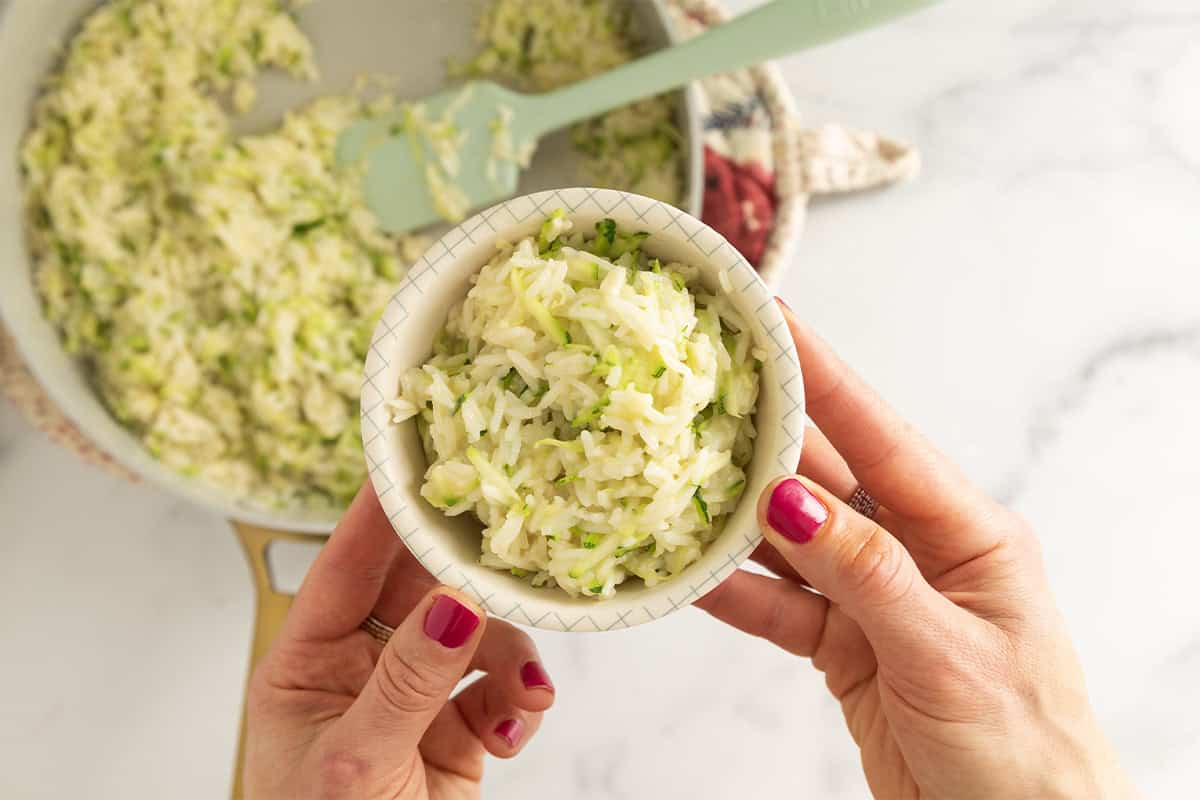
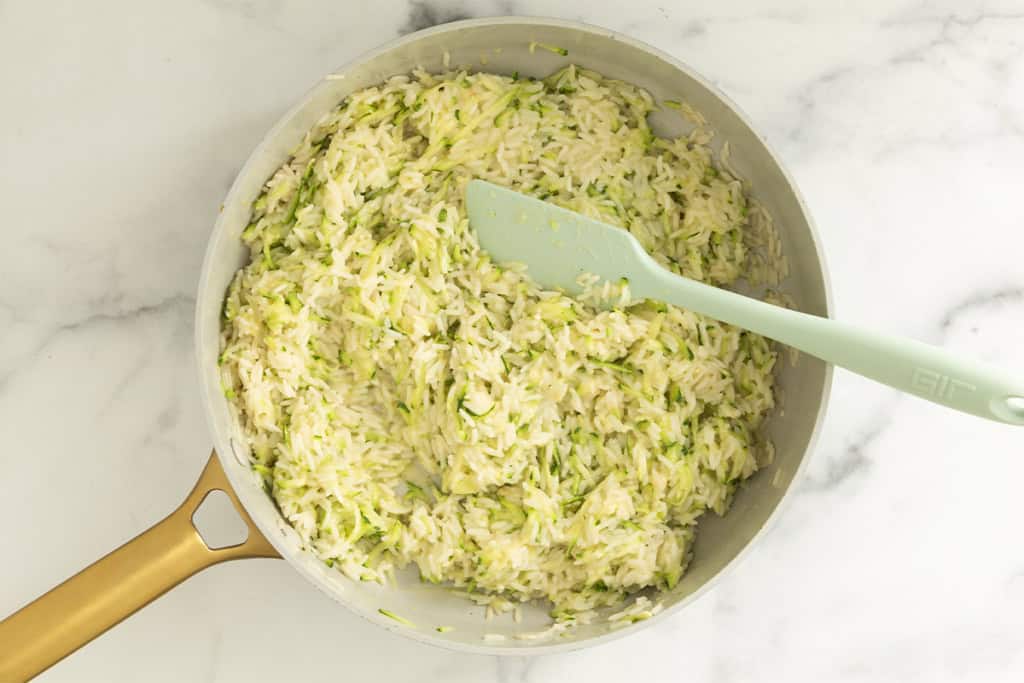
The final stage of the chronology occurs once the rice has reached the desired level of softness. At this juncture, the pot is removed from the heat source. The prepared zucchini is then folded into the rice along with specific flavor enhancers: Parmesan cheese, butter, and salt. The dish is then covered and allowed to undergo a five-minute "resting period." This stage is crucial; the residual heat of the rice gently steams the finely shredded zucchini, ensuring it is cooked through without losing its vibrant color or becoming limp. The process concludes with a "fluffing" of the grains, which aerates the mixture and ensures an even distribution of the vegetable and cheese.
Nutritional Analysis and Supporting Data
From a nutritional standpoint, the fortification of rice with zucchini offers several quantifiable benefits. According to USDA nutritional data, zucchini is a significant source of Vitamin A, Vitamin C, and potassium. By integrating approximately one to two cups of shredded zucchini into a standard four-serving rice recipe, the dietary fiber content of the meal is increased without significantly raising the caloric density.
A standard serving of this zucchini rice preparation contains approximately 293 calories. The macronutrient breakdown is particularly favorable for growing children: 42 grams of carbohydrates provide essential energy, while 10 grams of protein and 10 grams of fat (including 5 grams of saturated fat from the butter and Parmesan) offer a balanced profile for satiety and brain development. Furthermore, the dish provides 105 mg of calcium—largely derived from the Parmesan cheese—and 384 mg of potassium, which is vital for maintaining healthy blood pressure and nerve function in both adults and children.
The inclusion of Parmesan cheese serves a dual purpose. Beyond its calcium contribution, it provides umami—a savory taste profile that has been shown in various sensory studies to increase the palatability of green vegetables for "picky eaters." By pairing the somewhat bitter or neutral notes of zucchini with the salty, savory notes of aged cheese, the dish leverages flavor-flavor learning, a psychological mechanism where a familiar, liked flavor (cheese) helps facilitate the acceptance of a new or less-liked food (zucchini).
Agricultural Context and the Seasonal Surplus Factor
The rise of zucchini-based recipes is inextricably linked to the agricultural cycles of North America and Europe. Zucchini is one of the most prolific producers in the home garden and small-scale farm. A single zucchini plant can produce between 6 and 10 pounds of fruit over a growing season. This high yield often leads to a seasonal surplus, creating a demand for diverse recipes that can utilize large quantities of the squash in ways that remain appealing to household members over several weeks.
Agricultural economists note that during the peak months of July and August, the retail price of zucchini often drops to its annual low, making it one of the most cost-effective vegetables for families on a budget. The development of "Zucchini Rice" reflects a pragmatic response to this abundance. It allows for the high-volume consumption of the vegetable in a format that is more shelf-stable and versatile than traditional preparations like sautéed squash or zucchini bread.
Expert Perspectives and Pediatric Dietary Strategies
Pediatric nutritionists and child development experts have long advocated for the "normalization" of vegetables in every meal. The strategy employed in zucchini rice—where the vegetable is visible but integrated into a familiar starch—is often preferred over "stealth health" tactics where vegetables are completely hidden (such as pureeing them into sauces).
"Visible integration helps children build a visual and textural familiarity with vegetables," states one nutritional consultant. "When a child sees green flecks in their rice and finds the taste pleasant, it reduces the neophobia—the fear of new foods—that often peaks between the ages of two and five."
Furthermore, the versatility of the dish allows it to be paired with various proteins, which is essential for meeting the protein requirements of developing toddlers. The recommendation to serve zucchini rice alongside fish nuggets, baked chicken, or salmon cakes aligns with the "MyPlate" guidelines issued by the USDA, which suggest that half of a child’s plate should consist of fruits and vegetables, with the remainder split between grains and protein.
Broader Implications for Domestic Food Security and Health
The adoption of recipes like zucchini rice has broader implications for public health and domestic food security. As childhood obesity rates remain a concern globally, finding ways to decrease the caloric density of meals while increasing nutrient density is a primary goal for health officials. By substituting a portion of a high-carb grain with a low-calorie vegetable, families can maintain meal volume—which is important for satiety—while improving the overall health profile of the diet.
Additionally, the storage and longevity of the dish contribute to its utility in reducing food waste. Leftover zucchini rice can be stored in an airtight container for up to five days, according to food safety standards. This longevity is particularly important for busy households that rely on "meal prepping" to ensure nutritious food is available throughout the work week. The ability to reheat the dish without a significant loss of quality makes it a viable option for school lunches or quick midday meals for parents.
Future Culinary Trends and Adaptations
As dietary preferences continue to evolve, the zucchini rice model is being adapted for various specialized diets. For those seeking dairy-free alternatives, the Parmesan cheese is frequently replaced with nutritional yeast or dairy-free shreds, which provide a similar savory profile without the lactose. For those managing glycemic levels, the recipe is easily adapted for brown rice or quinoa, though these grains require adjustments in liquid ratios and cooking times—typically 2 cups of liquid per 1 cup of grain for brown rice, compared to the 1.5:1 ratio often used for white rice.
The addition of aromatics, such as minced garlic sautéed in olive oil prior to the addition of broth, or the inclusion of fresh herbs like basil and parsley, indicates a trend toward more sophisticated flavor profiles in pediatric cooking. This suggests that the "toddler food" category is moving away from bland, processed options and toward fresh, garden-to-table preparations that mirror adult meals.
In conclusion, Zucchini Rice represents more than just a convenient summer side dish. It is a manifestation of modern culinary priorities: efficiency, nutritional fortification, and the strategic use of seasonal produce. By understanding the technical requirements of the dish—specifically the management of the zucchini’s water content and the use of residual heat—home cooks can significantly enhance the dietary quality of their family’s meals. As this dish continues to gain popularity, it serves as a template for how other vegetables might be integrated into the global diet, one grain at a time.
