

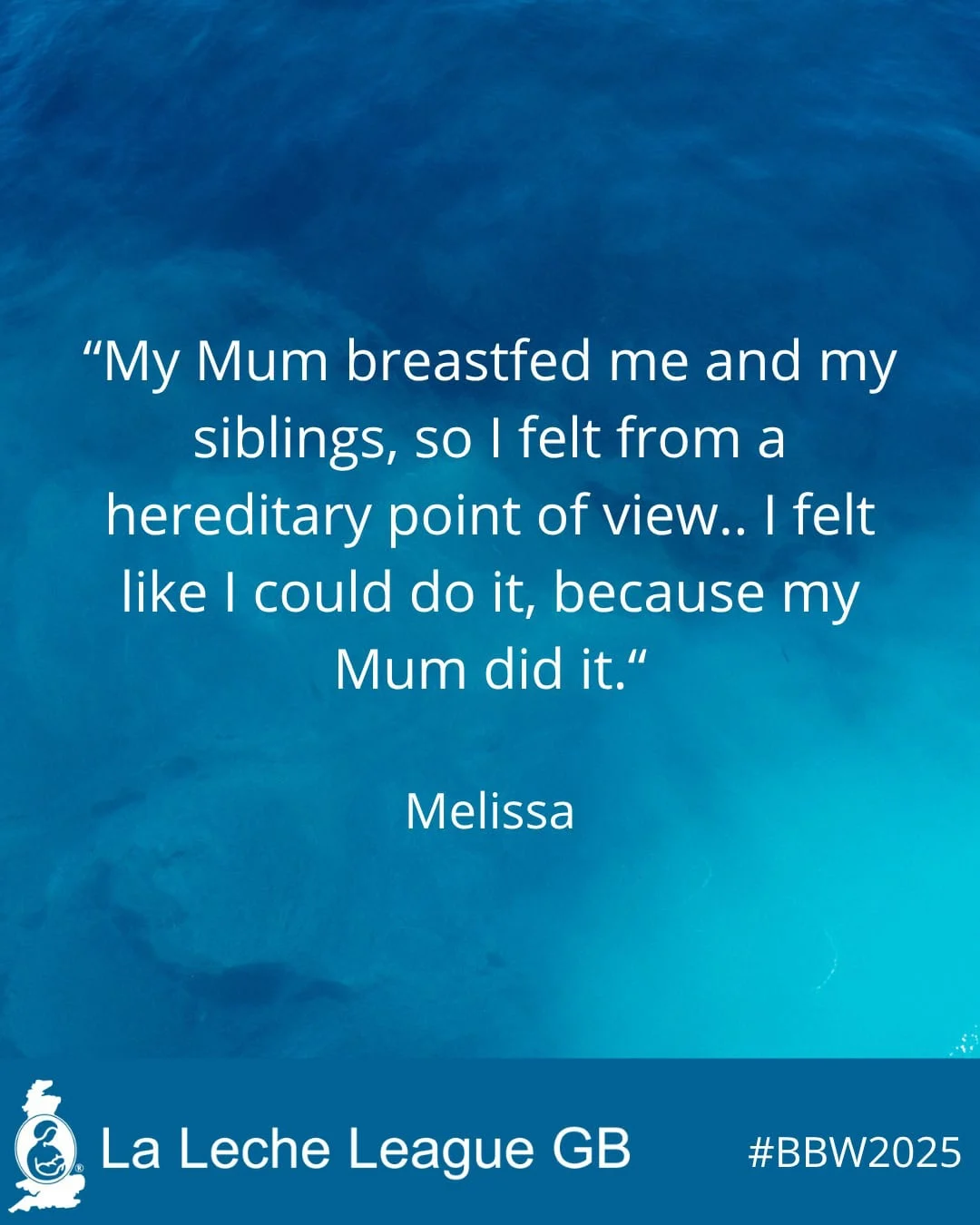
The final week of August annually marks Black Breastfeeding Week (BBW), a critical observance dedicated to elevating the voices and lived experiences of Black women in the breastfeeding community, which have historically been marginalized and underrepresented. This initiative serves as a vital platform to celebrate the unique journey of Black mothers, acknowledge the challenges they face, and advocate for equitable support and resources within the broader public health landscape. La Leche League (LLL), an international non-governmental organization that distributes information about breastfeeding, emphasizes the profound power of storytelling as a means of connection and collective learning. Sharing personal narratives, like that of Melissa from London, fosters a sense of global community among mothers and peers, offering invaluable support and shared wisdom.
The Genesis and Imperative of Black Breastfeeding Week
Black Breastfeeding Week was established in 2012 by a collective of Black lactation advocates, including Kimberly Seals Allers, Kiddada Green, and Anayah Sangodele-Ayoka. Its creation was a direct response to the glaring racial disparities in breastfeeding rates and the urgent need for a culturally specific conversation around Black maternal and infant health. For decades, national data consistently revealed that Black women had the lowest breastfeeding initiation and duration rates compared to other racial and ethnic groups in the United States, a trend observed in other Western countries as well. This disparity is not merely a statistical anomaly but a complex issue rooted in a confluence of historical, socio-economic, and systemic factors.
Historically, the legacy of slavery in the United States profoundly impacted Black women’s relationship with breastfeeding. Enslaved Black women were often forced to wet-nurse the children of their enslavers, while their own infants were denied their mothers’ milk, creating a painful disconnect and trauma that has reverberated through generations. Post-slavery, the aggressive marketing of infant formula disproportionately targeted Black communities, further embedding formula feeding as a norm and eroding traditional breastfeeding practices. This historical context, combined with contemporary challenges, necessitated a dedicated week to reclaim and celebrate Black women’s agency and resilience in their feeding choices. BBW aims to raise awareness, build a supportive community, and advocate for policy changes that address systemic inequities, ensuring that Black families receive the culturally competent care and encouragement they deserve.
Understanding the Disparities: Data and Systemic Barriers
Statistical evidence underscores the persistent disparities in breastfeeding. According to the Centers for Disease Control and Prevention (CDC), while overall breastfeeding rates have improved, significant racial and ethnic differences persist. For instance, data often show that Black infants have lower rates of breastfeeding initiation and are less likely to be exclusively breastfed for the recommended six months compared to white infants. A 2019 CDC report indicated that only 69% of Black infants were ever breastfed, compared to 86% of white infants and 85% of Hispanic infants. These gaps widen further when examining duration and exclusivity.
The reasons behind these disparities are multi-faceted:
- Lack of Culturally Competent Support: Many Black mothers report feeling unsupported or misunderstood by healthcare providers who lack cultural humility or understanding of their unique experiences and concerns. The lactation profession has historically lacked diversity, leading to a shortage of Black lactation consultants who can provide relatable and culturally sensitive guidance.
- Socioeconomic Factors: Black women are disproportionately affected by poverty, limited access to paid family leave, and inflexible work environments that do not accommodate pumping or breastfeeding breaks. Returning to work early often makes sustained breastfeeding challenging or impossible.
- Historical Trauma and Mistrust: Generations of medical racism and discriminatory practices have fostered a deep-seated mistrust of the healthcare system within Black communities, making mothers hesitant to seek or fully engage with available support.
- Aggressive Formula Marketing: Formula companies have historically and continue to aggressively market their products in Black communities, often through hospitals and clinics, which can undermine breastfeeding efforts and create a perception that formula is an equally valid or even superior option.
- Lack of Representation: The absence of positive, relatable images of Black breastfeeding mothers in mainstream media, educational materials, and healthcare settings can contribute to feelings of isolation and a lack of role models.
- Family and Community Support: While family support is crucial, historical factors can sometimes lead to less intergenerational knowledge transfer or even discouraging advice if previous generations faced significant barriers or negative experiences with breastfeeding.
Melissa’s Journey: A Personal Lens on Universal Challenges
Melissa, a mother from London, shared audio notes of her breastfeeding experience while soothing her five-month-old. Her narrative, captured in real-time, offers a poignant glimpse into the realities faced by many Black mothers. While the specific contents of her audio are not transcribed, the questions posed to her by La Leche League provide a framework to understand the types of insights she likely shared, reflecting both personal triumphs and systemic hurdles.
-
Why Breastfeeding Matters: Melissa’s commitment to breastfeeding likely stemmed from a profound understanding of its health benefits for both her child and herself, including enhanced immunity, reduced risk of chronic diseases, and a unique bonding experience. For many Black mothers, breastfeeding is also an act of reclamation—reasserting agency over their bodies and their children’s well-being, countering historical narratives of control and deprivation. It can be a powerful symbol of health equity and cultural pride.
-
Perception Prior to Motherhood: Before having her own children, Melissa’s perception of breastfeeding might have been shaped by her family’s experiences or the general societal attitudes she encountered. It’s plausible that she had limited exposure to breastfeeding, or perhaps witnessed challenges faced by family members who lacked adequate support. The absence of visible breastfeeding within her immediate family or community could have meant that her understanding was largely theoretical or influenced by media portrayals, which often fall short in representing diverse breastfeeding realities. Her journey might have involved navigating preconceived notions or discovering the true complexity of breastfeeding for the first time.
-
Family and Friends’ Attitudes: The attitudes of friends and family can significantly impact a mother’s breastfeeding journey. Melissa likely encountered a spectrum of responses, from unwavering support to well-meaning but misinformed advice, or even outright discouragement. Some family members might have championed her choice, having themselves breastfed or understood its importance. Others, particularly those from older generations or those who formula-fed, might have expressed concerns about convenience, supply, or societal norms, potentially creating moments of doubt or requiring Melissa to firmly assert her feeding decisions. Navigating these varied perspectives is a common challenge for new mothers, especially within communities where breastfeeding has faced historical disruption.
-
Unforeseen Challenges and Desired Knowledge: The reality of breastfeeding often differs from expectations. Melissa’s insights into what she wished she had known likely touched upon common barriers such as the intensity of the initial weeks, unexpected pain or latch difficulties, concerns about milk supply, sleep deprivation, and the sheer time commitment. Many mothers are unprepared for the physical and emotional demands, the lack of consistent, accurate information, or the societal pressures that can undermine their confidence. For Black mothers, these challenges can be compounded by a lack of access to diverse lactation professionals, making it harder to find someone who understands their specific cultural context or physiological needs. She might have wished for more anticipatory guidance on problem-solving, emotional support, and the importance of self-care.
-
Sources of Help and Support: Identifying useful sources of help is crucial for navigating breastfeeding challenges. Melissa’s journey likely benefited from diverse forms of support. She might have found invaluable assistance from lactation consultants, particularly those who were culturally sensitive. Peer support groups, like those offered by La Leche League, would have provided a safe space for sharing experiences, gaining practical advice, and feeling understood. Online communities, helplines, and supportive healthcare providers could also have played a significant role. The ability to connect with others who had similar experiences, validating her struggles and celebrating her successes, would have been a cornerstone of her support system.
-
Building a Supportive Community: The original article’s implied title, "I needed a likeminded community," directly speaks to this point. Melissa’s experience underscores the critical need for a "village" when breastfeeding. She likely actively sought out and cultivated a network of individuals who shared her commitment to breastfeeding and understood its nuances. This could have involved attending LLL meetings, joining online forums for Black mothers, connecting with friends who were also breastfeeding, or leaning on supportive family members. Building such a community provides emotional resilience, practical advice, and a sense of belonging that combats the isolation many new mothers can feel, especially when their feeding choices are not universally understood or supported. Her story highlights that while breastfeeding is a deeply personal journey, it thrives within a robust, understanding community.
La Leche League’s Commitment to Inclusive Support
La Leche League International, founded in 1956, has long championed the cause of breastfeeding mothers through peer-to-peer support, information, and encouragement. LLL’s philosophy, centered on mother-to-mother support, aligns perfectly with the goals of Black Breastfeeding Week by recognizing the power of shared experiences. The organization understands that diverse stories are not just anecdotes but vital tools for empowerment, education, and community building. By actively inviting mothers like Melissa to share their narratives through platforms like their member publication "Breastfeeding Matters" and their website, LLL contributes to creating a more inclusive and representative landscape of breastfeeding support. This call for stories is more than just collecting testimonials; it’s an intentional effort to ensure that the richness and complexity of all mothers’ journeys are heard, understood, and used to inspire others. The commitment to amplifying underrepresented voices is integral to LLL’s mission of helping mothers worldwide to breastfeed through mother-to-mother support.
Official Responses and Advocacy for Equity
Recognizing the profound impact of breastfeeding on public health outcomes, various governmental and non-governmental organizations are actively working to address racial disparities. The World Health Organization (WHO) and UNICEF consistently advocate for universal breastfeeding support, highlighting its role in achieving several Sustainable Development Goals, including those related to health, well-being, and reducing inequalities. In the United States, initiatives from the CDC and the Surgeon General’s Call to Action to Support Breastfeeding have underscored the need for systemic changes.
Key advocacy efforts include:
- Increased Funding for Lactation Services: Expanding access to International Board Certified Lactation Consultants (IBCLCs), especially in underserved communities, and ensuring that these services are covered by insurance.
- Workplace Protections: Advocating for stronger federal and state laws that mandate reasonable break times and private spaces for pumping mothers in the workplace, with particular attention to industries predominantly employing women of color.
- Culturally Competent Training: Implementing mandatory cultural competency training for all healthcare providers, including obstetricians, pediatricians, and nurses, to better serve diverse patient populations.
- Diversifying the Lactation Profession: Actively promoting and supporting the training and certification of more Black and Indigenous lactation professionals to create a workforce that mirrors the diversity of the mothers they serve.
- Public Awareness Campaigns: Developing public health campaigns that feature diverse images and stories of breastfeeding to normalize and celebrate it across all communities.
- Policy Reforms: Advocating for policies such as paid family leave and universal childcare, which indirectly support breastfeeding mothers by reducing economic pressure and allowing more time for bonding and establishing milk supply.
Broader Impact and Future Implications
The ongoing observance of Black Breastfeeding Week and the amplification of individual stories like Melissa’s have far-reaching implications. By centering the experiences of Black women, BBW not only addresses specific health disparities but also contributes to a broader movement for racial justice and health equity. When Black mothers are supported in their breastfeeding goals, it leads to healthier infants with stronger immune systems, reduced risks of sudden infant death syndrome (SIDS), and improved cognitive development. For mothers, breastfeeding is associated with lower risks of certain cancers, type 2 diabetes, and postpartum depression. Addressing the barriers faced by Black mothers in breastfeeding is thus a crucial step towards reducing chronic disease rates and improving overall community health outcomes.
Furthermore, the act of sharing stories fosters empathy, breaks down stereotypes, and empowers other mothers to advocate for themselves. It transforms what might feel like an isolated struggle into a shared journey of resilience and triumph. The collective impact of these narratives strengthens advocacy efforts, informs policy development, and inspires the next generation of healthcare providers and community leaders to build a more just and equitable support system for all families. The call from La Leche League for more stories serves as a testament to the enduring belief that every mother’s experience holds immense value, capable of illuminating paths, building bridges, and fostering a world where every Black mother feels seen, heard, and fully supported in her decision to breastfeed. The work is ongoing, but the momentum generated by Black Breastfeeding Week and the power of personal narratives continues to drive progress towards a future where health equity in infant feeding is a reality for all.
