

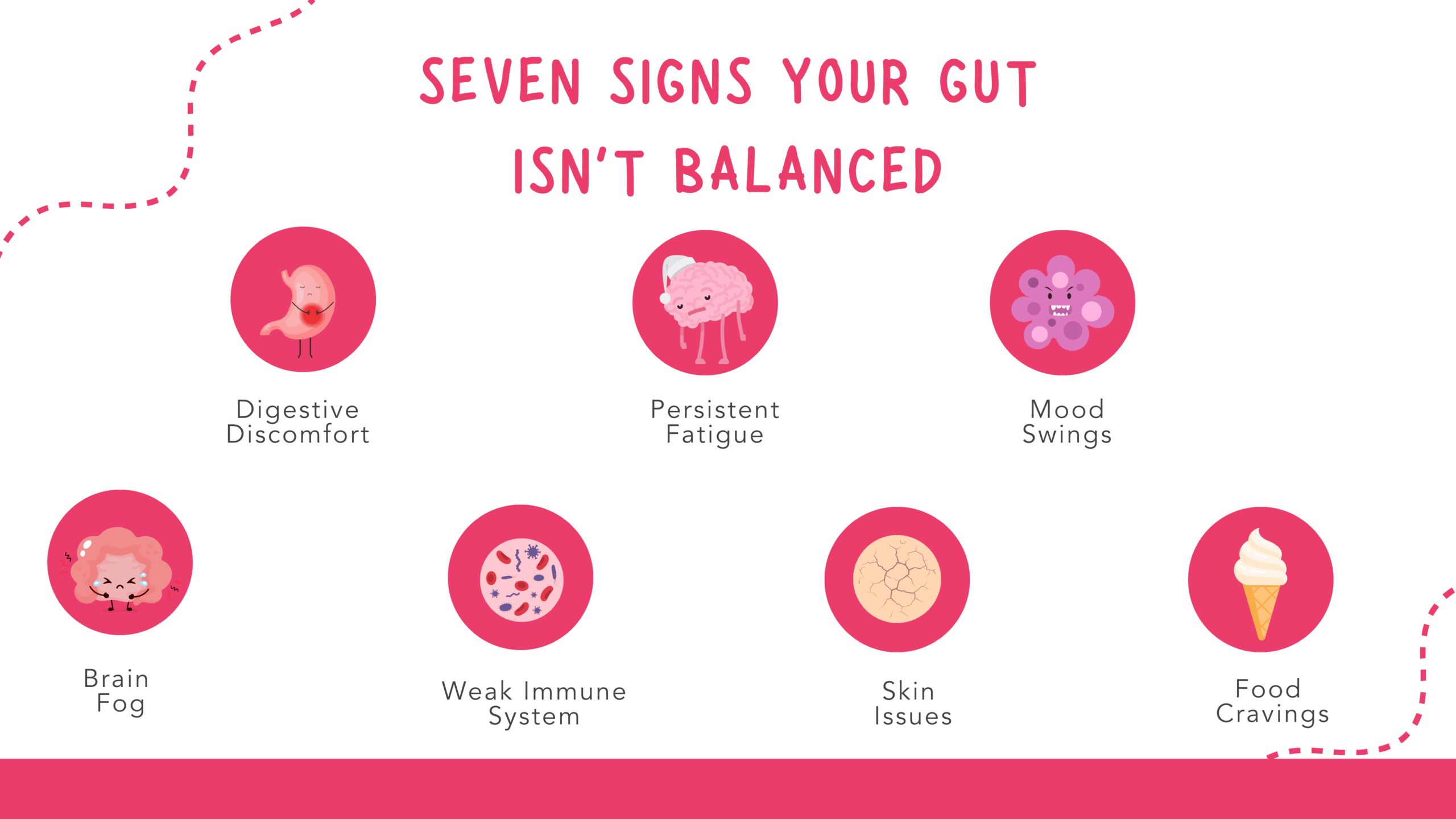
The human gastrointestinal tract, a complex ecosystem housing trillions of microorganisms, is increasingly recognized by the medical community as a primary driver of systemic health. Scientific advancements over the last two decades have shifted the understanding of the gut from a mere digestive organ to a sophisticated command center influencing the immune system, mental health, and metabolic function. This community of bacteria, fungi, and viruses, known as the gut microbiome, must maintain a delicate equilibrium to function optimally. When this balance is disrupted—a state clinically referred to as dysbiosis—the body often emits a series of physiological signals. Medical professionals and nutritional scientists have identified seven key indicators of gut imbalance, ranging from localized digestive distress to systemic issues such as chronic fatigue and cognitive impairment.
The Evolution of Microbiome Science and Clinical Understanding
The history of microbiome research has evolved rapidly since the mid-20th century. While the importance of intestinal flora was theorized as early as the late 19th century by Nobel laureate Élie Metchnikoff, it was the launch of the Human Microbiome Project (HMP) in 2007 by the National Institutes of Health (NIH) that revolutionized the field. This five-year, $115 million initiative aimed to characterize the microbial communities found at several different sites on the human body and analyze the role of these microbes in human health and disease.
Since the completion of the HMP, the "gut-brain axis" has become a focal point of neurological and gastroenterological research. This bidirectional communication network links the enteric nervous system of the gastrointestinal tract with the central nervous system. Data now suggests that the gut microbiome communicates with the brain via neural, endocrine, and immune pathways, meaning that a disruption in the digestive tract can have profound effects on psychological well-being and cognitive performance.
Identifying the Seven Primary Indicators of Dysbiosis
Clinical data and patient observations have consolidated a list of symptoms that frequently correlate with an imbalanced microbiome. These signs serve as diagnostic clues for healthcare providers seeking to address the root causes of chronic ailments.
1. Chronic Digestive Dysfunction
The most direct evidence of an imbalanced gut is persistent digestive discomfort. This includes frequent bloating, flatulence, constipation, and diarrhea. While occasional indigestion is common, chronic symptoms often indicate that the digestive system is struggling to process nutrients and eliminate waste efficiently. This struggle is frequently rooted in a lack of microbial diversity or an overgrowth of pathogenic bacteria that interfere with the fermentation of dietary fibers.
2. Persistent Fatigue and Sleep Disturbances
Recent studies have highlighted a significant correlation between gut health and energy levels. Research published in various medical journals suggests that individuals with chronic fatigue syndrome often exhibit distinct abnormalities in their gut microbiome. Specifically, one study found that approximately 60% of individuals suffering from chronic fatigue also met the clinical criteria for Irritable Bowel Syndrome (IBS). The underlying mechanism involves the gut’s role in regulating metabolism and the production of energy-related metabolites.
3. Fluctuations in Mood and Anxiety Levels
The gut is responsible for producing a staggering 95% of the body’s serotonin, a key neurotransmitter involved in mood regulation. Only 5% of serotonin is synthesized in the brain. Consequently, when the gut microbiome is in a state of dysbiosis, the production and signaling of serotonin can be compromised. This biochemical disruption is often linked to increased levels of anxiety, depression, and irritability. The gut-brain axis ensures that the state of the intestinal environment is reflected in the individual’s emotional and psychological state.
4. Intense Food Cravings, Particularly for Sugars
The microbiome can influence host behavior to favor the survival of certain bacterial species. Pathogenic bacteria and yeasts, such as Candida, thrive on simple sugars. When these populations grow out of proportion, they can trigger cravings for high-sugar and highly processed foods. This creates a feedback loop where the consumption of sugar further fuels the growth of harmful microbes, which in turn intensifies the cravings, leading to metabolic strain.
5. Dermatological Manifestations
The "gut-skin axis" is a well-documented phenomenon in dermatology. Inflammation originating in the gut—often due to "leaky gut" or intestinal permeability—can manifest externally as skin conditions. Eczema, acne, psoriasis, and rosacea have all been linked to imbalances in gut flora. When the intestinal barrier is compromised, inflammatory markers enter the bloodstream and can trigger systemic inflammation that affects the skin’s integrity and appearance.
6. Compromised Immune Response
Approximately 70% to 80% of the human immune system is located within the gut-associated lymphoid tissue (GALT). The microbiome plays a crucial role in "training" immune cells to distinguish between friendly organisms and harmful pathogens. An imbalanced gut weakens this defensive barrier, making the individual more susceptible to frequent infections, such as the common cold, and potentially increasing the risk of autoimmune responses where the body attacks its own tissues.
7. Cognitive Impairment and "Brain Fog"
Cognitive symptoms, including confusion, forgetfulness, and a lack of focus, are frequently reported by patients with gut dysbiosis. This "brain fog" is often the result of metabolic byproducts produced by harmful bacteria or the systemic inflammation caused by an unhealthy gut. These inflammatory cytokines can cross the blood-brain barrier, affecting neurotransmission and leading to cognitive sluggishness.
Nutritional Strategies for Microbiome Restoration
Restoring balance to the gut requires a multi-faceted approach involving dietary modification and, in some cases, targeted supplementation.
The Critical Role of Dietary Fiber
Public health data indicates a significant "fiber gap" in Western nations. While the recommended daily intake for adult women is approximately 25 grams (and 22 grams for those over 50), the average intake is often less than half of that amount. Fiber acts as a prebiotic, providing the necessary fuel for beneficial bacteria to thrive. Experts recommend a diverse intake of both soluble fiber (found in oats and fruits) and insoluble fiber (found in vegetables and whole grains). Emerging research also highlights the benefits of specialized fibers like baobab fruit fiber, which is rich in polyphenols and prebiotics that support both digestion and skin health.
Integration of Fermented Foods
Fermented foods serve as natural sources of probiotics. Traditionally prepared items such as kimchi, sauerkraut, kefir, and kombucha contain live cultures that can help repopulate the gut with beneficial strains of bacteria. Clinical nutritionists suggest that even small, consistent servings of these foods can contribute to greater microbial diversity over time.
Hydration and Mucosal Integrity
Water is essential for the movement of fiber through the digestive tract and for the maintenance of the mucosal lining of the intestines. This lining acts as a physical barrier against pathogens. Proper hydration, supplemented by essential minerals, supports the structural integrity of the gut wall and prevents the translocation of toxins into the systemic circulation.
The Role of Probiotic Supplementation
While whole foods are the foundation of gut health, supplementation is often utilized to accelerate the recovery of the microbiome, particularly following rounds of antibiotics or periods of high stress.
Strain Specificity and Survivability
Not all probiotics are created equal. The efficacy of a probiotic supplement depends on the specific strains used and their ability to survive the highly acidic environment of the stomach to reach the intestines. Strains such as Lactobacillus acidophilus and Bifidobacterium lactis have been extensively studied for their roles in supporting vaginal health, immune function, and digestive regularity. For women, in particular, maintaining a healthy vaginal microbiome is closely linked to the state of the gut microbiome, making multi-strain formulas particularly beneficial.
Industry Standards and Quality Control
The supplement industry has faced scrutiny regarding the potency and purity of probiotic products. Journalistic investigations and third-party laboratory testing have occasionally found that products do not contain the number of live colony-forming units (CFUs) claimed on the label. Consequently, medical professionals emphasize the importance of choosing shelf-stable, high-potency formulas (often 50 billion CFUs or higher) that are free from common allergens and fillers such as gluten, soy, and GMOs.
Broader Implications for Public Health and Economics
The economic burden of digestive diseases is substantial. In the United States alone, gastrointestinal disorders account for millions of office visits and billions of dollars in healthcare costs annually. By addressing gut health through preventative measures and early identification of dysbiosis, there is a significant potential to reduce the incidence of secondary conditions like diabetes, obesity, and mental health disorders.
Furthermore, as the global population ages, the role of the microbiome in "inflammaging"—the chronic, low-grade inflammation that characterizes aging—is becoming a critical area of study. Maintaining gut diversity may be one of the most effective strategies for promoting longevity and reducing the frailty associated with advanced age.
Conclusion
The evidence is clear: the gut is a central pillar of human health. The seven signs of imbalance—digestive distress, fatigue, mood shifts, cravings, skin issues, weakened immunity, and brain fog—are not merely isolated inconveniences but are systemic warnings. Through a combination of high-fiber diets, fermented foods, adequate hydration, and scientifically formulated probiotics, individuals can restore their internal microbial balance. As research continues to uncover the depths of the gut-brain-immune axis, the proactive management of the microbiome will likely remain at the forefront of modern preventative medicine.
