


The culinary landscape for domestic meal preparation is undergoing a significant shift as families increasingly prioritize nutrient density, cost-effectiveness, and time efficiency. At the forefront of this movement is the Vegetable Egg Bake, a protein-packed dish that has transitioned from a specialized dietary option to a staple of the contemporary breakfast table. By integrating a high volume of vegetables with a stable protein base, this dish addresses the dual challenges of meeting pediatric nutritional guidelines and managing the logistical constraints of busy household schedules. Recent developments in recipe optimization have refined the traditional egg casserole into a versatile format that caters to a wide range of ages, from infants participating in baby-led weaning to adults seeking low-carbohydrate, high-protein meal options.
The Evolution of the Nutrient-Dense Breakfast Format
The development of the current Vegetable Egg Bake model follows a clear chronological evolution. Originally popularized as a variation of the classic broccoli-based egg bake, the recipe underwent a series of iterations driven by seasonal availability and consumer feedback. The transition to a bell pepper and onion-centric profile represents a strategic move toward flavor complexity without increasing preparation difficulty. This specific combination provides a savory depth that appeals to adult palates while remaining approachable for children, who often prefer the milder sweetness of sautéed bell peppers over more bitter cruciferous vegetables.
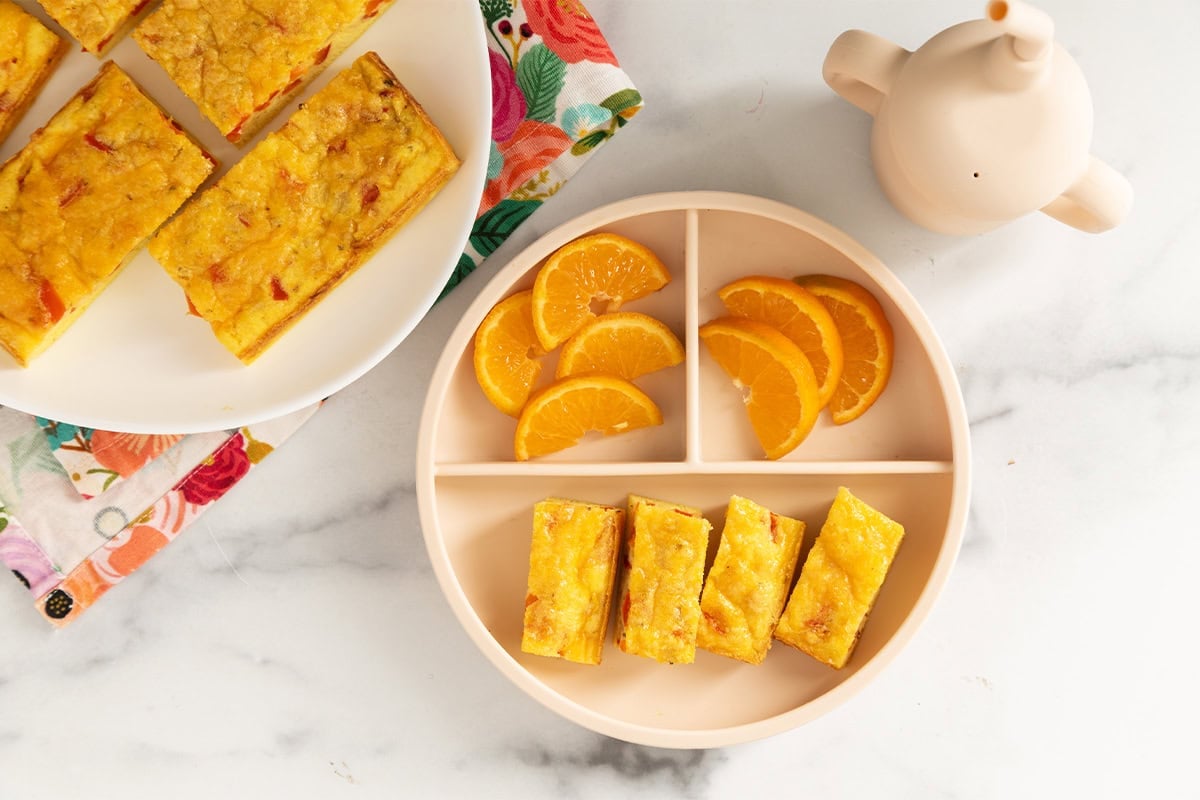
This shift in ingredient selection was not merely a matter of taste but a response to the practicalities of domestic food management. The use of sautéed aromatics—onions and peppers—provides a moisture-stable base that prevents the "weeping" often associated with water-heavy vegetables like spinach or mushrooms when baked in an egg matrix. The result is a structurally sound bake that can be sliced into clean, finger-sized portions, facilitating easier consumption for toddlers and better preservation during refrigeration.
Comprehensive Nutritional Analysis and Supporting Data
From a clinical nutrition perspective, the Vegetable Egg Bake offers a robust profile that aligns with the USDA Dietary Guidelines for Americans. A standard serving, typically defined as two rectangular "sticks" or squares, provides approximately 112 kilocalories. Within this caloric envelope, the dish delivers 7 grams of high-quality protein, which is essential for muscle synthesis and satiety. The inclusion of whole eggs ensures the presence of choline, a critical nutrient for brain development in young children, and lutein, which supports ocular health.
The micronutrient data for this dish is particularly noteworthy. One serving provides approximately 878 IU of Vitamin A and 25 milligrams of Vitamin C, largely derived from the bell pepper component. These antioxidants play a vital role in immune function and collagen production. Furthermore, the dish contains 104 milligrams of calcium, contributing significantly to the daily recommended intake for bone health. With only 6 grams of carbohydrates and 1 gram of sugar per serving, the Vegetable Egg Bake serves as a low-glycemic index option that helps prevent the energy fluctuations often caused by sugar-heavy breakfast cereals or pastries.
Data regarding the dietary habits of families indicates that breakfast is the meal most likely to be deficient in fiber. By incorporating sautéed vegetables, this egg bake introduces approximately 1 gram of fiber per serving. While seemingly modest, when paired with whole-grain accompaniments such as sourdough toast, the meal becomes a comprehensive source of both soluble and insoluble fiber, promoting digestive regularity.
Technical Preparation and Workflow Chronology
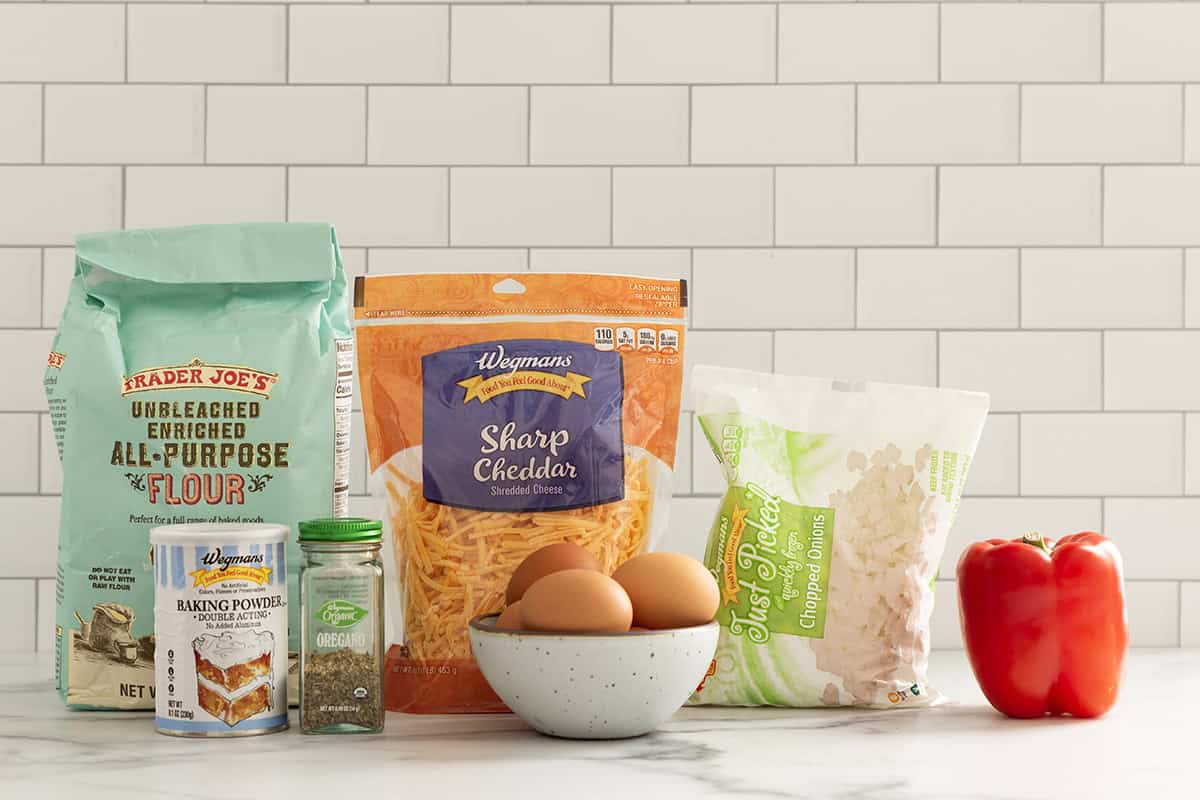
The success of the Vegetable Egg Bake as a meal-prepping solution is rooted in its straightforward and logical preparation sequence. The process begins with the mechanical reduction of vegetables—onions and bell peppers—into a small dice. This ensures uniform heat distribution and a consistent texture in the final product. For households seeking further time optimization, the use of flash-frozen diced vegetables has been identified as a viable alternative, maintaining nutritional integrity while eliminating manual chopping time.
The second phase involves a thermal intervention where the vegetables are sautéed in butter over medium heat. This step is critical for two reasons: it initiates the Maillard reaction, enhancing the savory flavor profile, and it reduces the raw water content of the vegetables. Failure to precook the peppers and onions can lead to an excess of moisture within the bake, resulting in a rubbery or watery consistency.

The third phase is the assembly of the egg matrix. A mixture of whole eggs and shredded cheese is whisked together, providing the structural binder for the dish. Once the sautéed vegetables have reached the desired softness, they are integrated into the egg mixture or layered within the baking vessel. The final stage is the baking process, which continues until the edges achieve a golden-brown hue and the center reaches a firm, set state. This typically requires a moderate oven temperature to ensure the eggs cook through without becoming tough or scorched.
Institutional Responses and Pediatric Implications
Pediatric nutritionists have largely responded positively to the rise of egg-based vegetable bakes. "The versatility of the egg bake format allows parents to introduce various textures and flavors early in a child’s development," notes a consensus among early childhood dietary specialists. The ability to slice the bake into "sticks" makes it an ideal candidate for baby-led weaning (BLW), a method that encourages infants to self-feed solid foods.
Furthermore, the dish addresses the common parental concern of "hidden vegetables." While some advocates suggest finely grating carrots or sweet potatoes into the mix to make them less visible to "picky eaters," others argue that the visible presence of colorful peppers helps normalize vegetable consumption. The dish also serves as a high-protein alternative to traditional toddler dinners, which are frequently dominated by processed carbohydrates.

In educational and childcare settings, the Vegetable Egg Bake has been identified as a superior "make-ahead" option. Unlike scrambled eggs, which lose their texture rapidly, or omelets, which require individual preparation, the egg bake can be produced in large batches and served at room temperature or reheated without significant loss of quality.
Economic Impact and Broader Social Context
The adoption of recipes like the Vegetable Egg Bake is also reflective of broader economic trends. As food inflation impacts the price of meat and processed goods, eggs remain a relatively affordable source of high-quality protein. The ability to use "on-hand" vegetables or leftovers in the bake contributes to a reduction in household food waste, a significant factor in domestic economic management.
The "make-ahead" nature of the dish also addresses the "time poverty" experienced by modern working parents. By dedicating a single block of time to meal preparation on a weekend, a household can secure five days of breakfast or supplemental meals. This systemic approach to eating reduces the reliance on expensive, less-nutritious "on-the-go" options found in fast-food outlets or convenience stores.

Storage, Safety, and Reheating Protocols
Food safety is a paramount consideration for any batch-cooked item. The Vegetable Egg Bake, once cooled, should be stored in an airtight container. Journalistic investigations into food preservation techniques suggest lining the container with a paper towel to absorb ambient moisture, thereby extending the shelf life and maintaining the desired texture.
The dish remains viable in a refrigerated environment for up to five days. For longer-term storage, it can be frozen for up to three months, provided it is stored in a vacuum-sealed or tightly wrapped freezer bag to prevent oxidation and freezer burn. Reheating should be conducted in short intervals—typically 15 to 30 seconds in a microwave—to avoid overcooking the egg proteins, which can lead to a dry or "squeaky" texture.
Future Outlook and Adaptations
As dietary preferences continue to diversify, the Vegetable Egg Bake has proven to be remarkably adaptable. Market analysts observe a growing trend in dairy-free modifications, where traditional cheese is replaced with nutritional yeast or plant-based shreds to accommodate lactose intolerance or vegan-adjacent lifestyles. Additionally, the transition from a single large baking pan to muffin tins has gained traction, creating "egg muffins" that provide built-in portion control and even greater portability.

The Vegetable Egg Bake represents more than just a recipe; it is a functional tool in the modern effort to reconcile nutritional science with the realities of daily life. As public health initiatives continue to emphasize the importance of a high-protein, vegetable-rich start to the day, the prominence of this dish in the American kitchen is expected to grow. Its success lies in its simplicity, its structural integrity, and its ability to serve as a canvas for a wide variety of seasonal and regional ingredients.
