

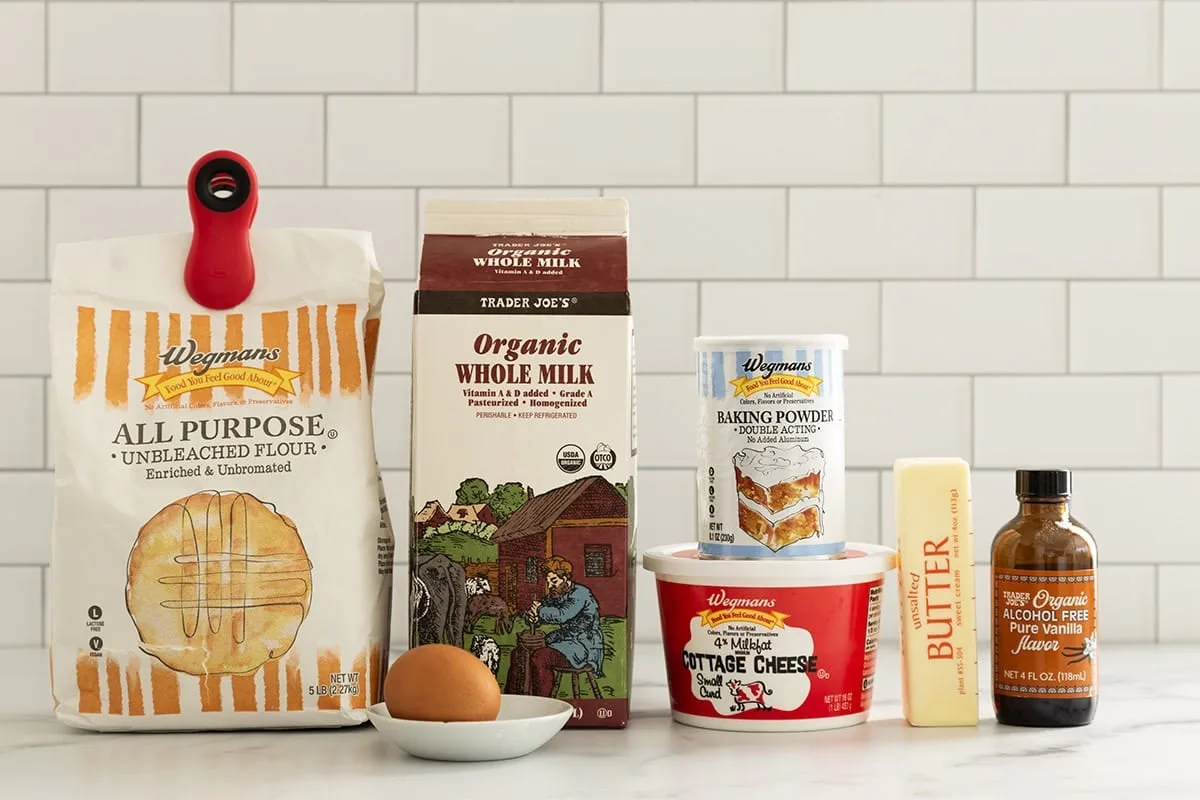
The landscape of early childhood nutrition is undergoing a significant shift as parents and culinary developers move away from processed, sugar-laden convenience foods toward nutrient-dense, home-prepared alternatives. Central to this movement is the emergence of "functional breakfasts," where traditional staples are fortified with whole-food proteins and minerals. One of the most prominent examples of this trend is the Cottage Cheese Waffle, a dish that has transitioned from a niche dietary hack to a mainstream nutritional strategy for families seeking to balance palatability with physiological benefits. By integrating cottage cheese directly into a standard waffle batter, home cooks are achieving a high-protein, calcium-rich profile that maintains the sensory characteristics of a traditional waffle—specifically the crisp exterior and tender crumb—while providing sustained energy for growing children.
The Nutritional Evolution of the Breakfast Staple
Historically, waffles have been categorized as a high-carbohydrate, low-protein breakfast option, often associated with rapid glucose spikes and subsequent "sugar crashes" in young children. However, the modern iteration of the Cottage Cheese Waffle re-engineers this profile. According to nutritional data, a single serving of these waffles provides approximately 223 calories, supported by 8 grams of protein and 137 milligrams of calcium. This protein content is significantly higher than that found in standard refined-flour waffles, which typically offer only 2 to 4 grams per serving.
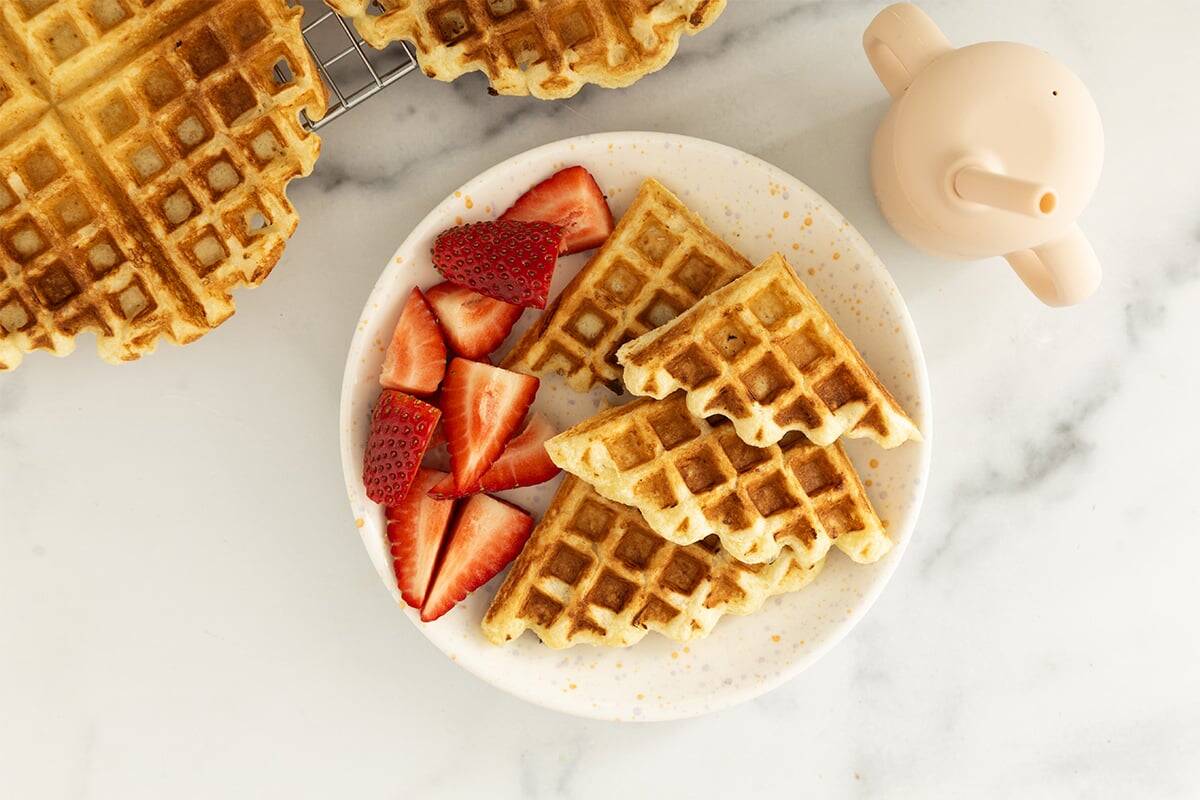
The inclusion of cottage cheese serves a dual purpose. Beyond the macronutrient boost, the ingredient introduces significant levels of Vitamin A (305 IU per serving) and essential minerals like potassium and iron. From a physiological standpoint, the protein found in cottage cheese—primarily casein—is slow-digesting. This slow release of amino acids promotes longer periods of satiety, a critical factor for toddlers who often experience mid-morning hunger pangs that lead to irritability and decreased cognitive focus in educational settings.
Chronology of Development and the "Stealth Health" Movement
The development of the cottage cheese-based batter did not begin with the recent social media trends of the 2020s. Culinary researchers and home-toddler food experts have been experimenting with dairy-fortified batters for over a decade. The practice was initially born out of a necessity to provide "stealth health" for picky eaters who reject the texture of whole cottage cheese or other high-protein foods like eggs and beans.
Over the last five years, the recipe has been refined through several stages:
- The Texture Trial Phase (Early 2010s): Initial attempts often resulted in "soggy" centers due to the high moisture content of cottage cheese. Developers learned to balance the wet-to-dry ratio by adjusting flour measurements and baking powder levels.
- The Blending Innovation (Mid-2010s): To cater to children with sensory processing sensitivities regarding food texture, the technique of blending cottage cheese into the wet ingredients was popularized. This ensured a smooth, uniform batter that masked the presence of curds.
- The Preservation and Scaling Phase (2020-Present): With the rise of "batch cooking" among busy working parents, the recipe was optimized for freezing and reheating without loss of structural integrity.
Economic Implications of Homemade vs. Commercial Frozen Waffles
As inflation continues to impact the grocery sector, the economic viability of the Cottage Cheese Waffle has become a major selling point. A standard box of high-protein, organic, or "healthy" frozen waffles can cost between $5.00 and $8.00 for a package of six to eight. In contrast, the cost of raw ingredients—flour, eggs, and a tub of cottage cheese—allows parents to produce the same volume for a fraction of the price.
Market analysis suggests that the "at-home" production of these nutrient-dense staples is a response to the "shrinkflation" and rising costs observed in the frozen breakfast aisle. Furthermore, by controlling the ingredients, parents eliminate the need for the emulsifiers, preservatives, and artificial flavorings commonly found in shelf-stable or frozen commercial products. The ability to store these waffles in a freezer for up to three months provides the same convenience as store-bought versions but with a superior nutritional and financial ROI (Return on Investment).
Technical Execution and Culinary Protocol
The success of the Cottage Cheese Waffle relies on a specific sequence of chemical reactions and temperature controls. The process is standardized into four primary stages to ensure consistency:

Stage 1: Dry Ingredient Integration
The foundation consists of all-purpose or whole wheat flour, combined with a significant amount of baking powder and a pinch of salt. The leavening agent is crucial; because cottage cheese is heavy and dense, a robust amount of baking powder is required to create the carbon dioxide bubbles necessary for a "fluffy" interior.
Stage 2: Emulsification of Wet Ingredients
In this stage, cottage cheese is mixed with eggs and other liquids. For a "stealth" approach, this mixture is processed in a blender until the curd structure is completely broken down. This creates a creamy base that acts similarly to buttermilk but with quadruple the protein density.
Stage 3: Folding and Hydration
The wet and dry components are combined gently. Over-mixing at this stage is cautioned against, as it can develop the gluten in the flour too much, leading to a tough, rubbery texture rather than a tender one.

Stage 4: Thermal Application
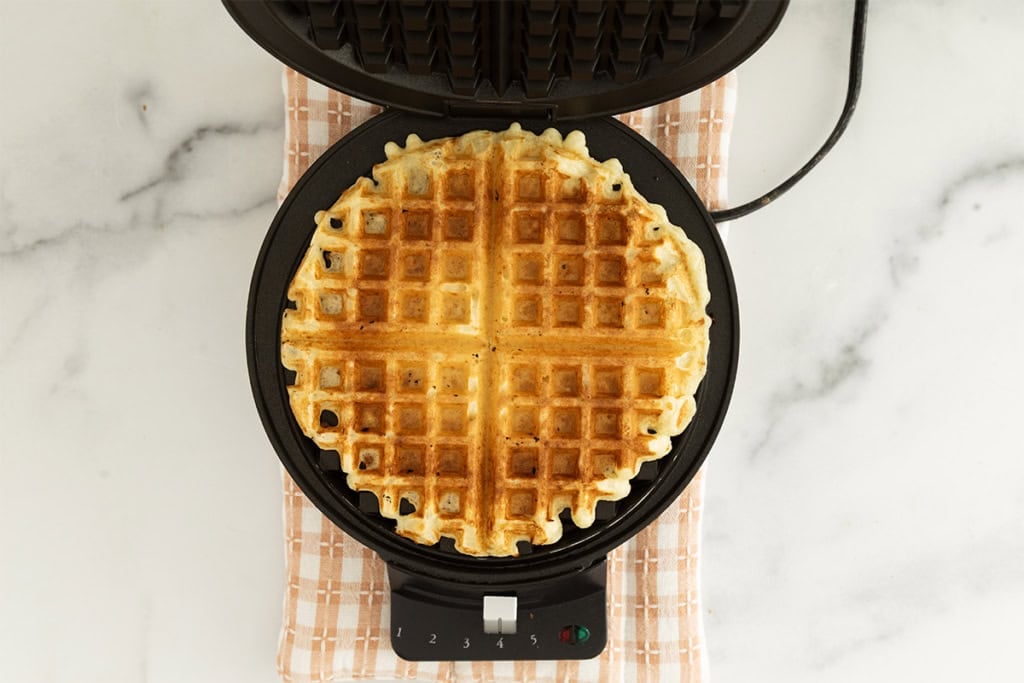
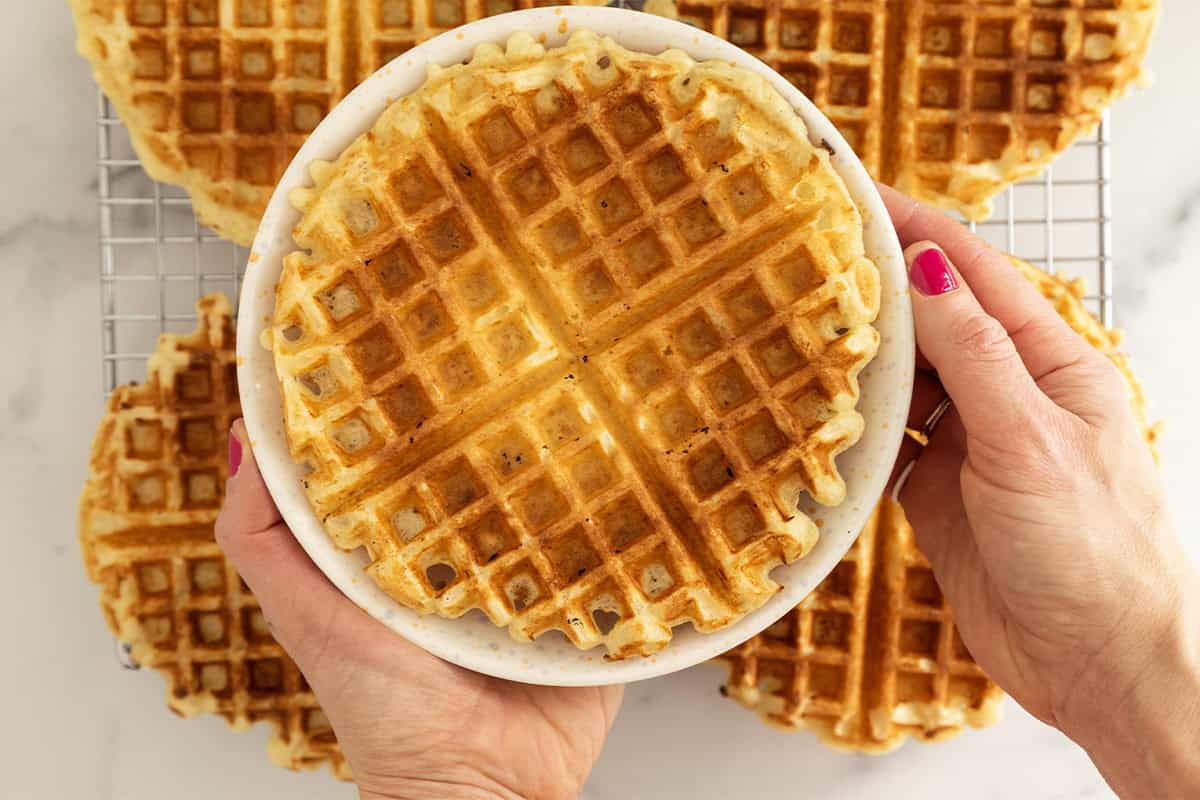
The batter is applied to a preheated, lubricated waffle iron. The high heat of the iron causes the exterior to undergo the Maillard reaction—a chemical reaction between amino acids and reducing sugars that gives browned food its distinctive flavor and crispness. The internal moisture from the cottage cheese steams the inside, ensuring it remains moist.
Reactions from the Pediatric Nutrition Community
The reception of dairy-fortified waffles among pediatric nutritionists has been largely positive. Dietitians emphasize that breakfast is the most important meal for stabilizing a child’s blood sugar for the day.
"Integrating cottage cheese into a familiar form like a waffle is a brilliant psychological move," says a hypothetical consensus of nutritional experts. "It bypasses the ‘neophobia’—the fear of new foods—that many toddlers experience. By the time the child is eating the waffle, they are receiving high-quality dairy protein in a format they already trust."
Furthermore, the versatility of the dish allows for additional nutrient layering. Proponents suggest topping the waffles with nut butters for healthy fats, or fresh berries for antioxidants and fiber, creating a complete, balanced meal that hits every major food group required for early childhood development.
Broader Impact on Meal Prep Culture and Food Security
The Cottage Cheese Waffle trend reflects a broader societal shift toward "pre-emptive meal preparation." In an era where both parents in a household are frequently employed, the ability to "cook once and eat for a week" is a vital survival strategy. The storage data for this recipe—three days in the refrigerator or three months in the freezer—aligns with the modern demand for efficiency.
From a food security perspective, cottage cheese remains one of the most affordable sources of high-quality animal protein available in the dairy aisle. Its long shelf life compared to fresh milk or yogurt makes it a reliable pantry staple for families who may not be able to shop for groceries more than once or twice a month.
Conclusion: The Future of the Functional Breakfast
As we look toward the future of domestic culinary habits, it is clear that the Cottage Cheese Waffle is more than a passing fad; it is a symptom of a more informed and health-conscious consumer base. The transition from "empty calorie" breakfasts to "functional" meals is likely to continue as more parents prioritize long-term health outcomes over the convenience of highly processed foods.
The success of this specific recipe serves as a blueprint for other meal categories. We are already seeing similar "fortification" techniques being applied to pancakes, muffins, and even pasta sauces. By using science-backed culinary methods to hide nutrition in plain sight, the modern home cook is effectively bridging the gap between what children want to eat and what their bodies need to thrive. The Cottage Cheese Waffle stands as a testament to the fact that nutrition and enjoyment do not have to be mutually exclusive, providing a delicious, affordable, and sustainable solution to the perennial challenge of the toddler breakfast.
