

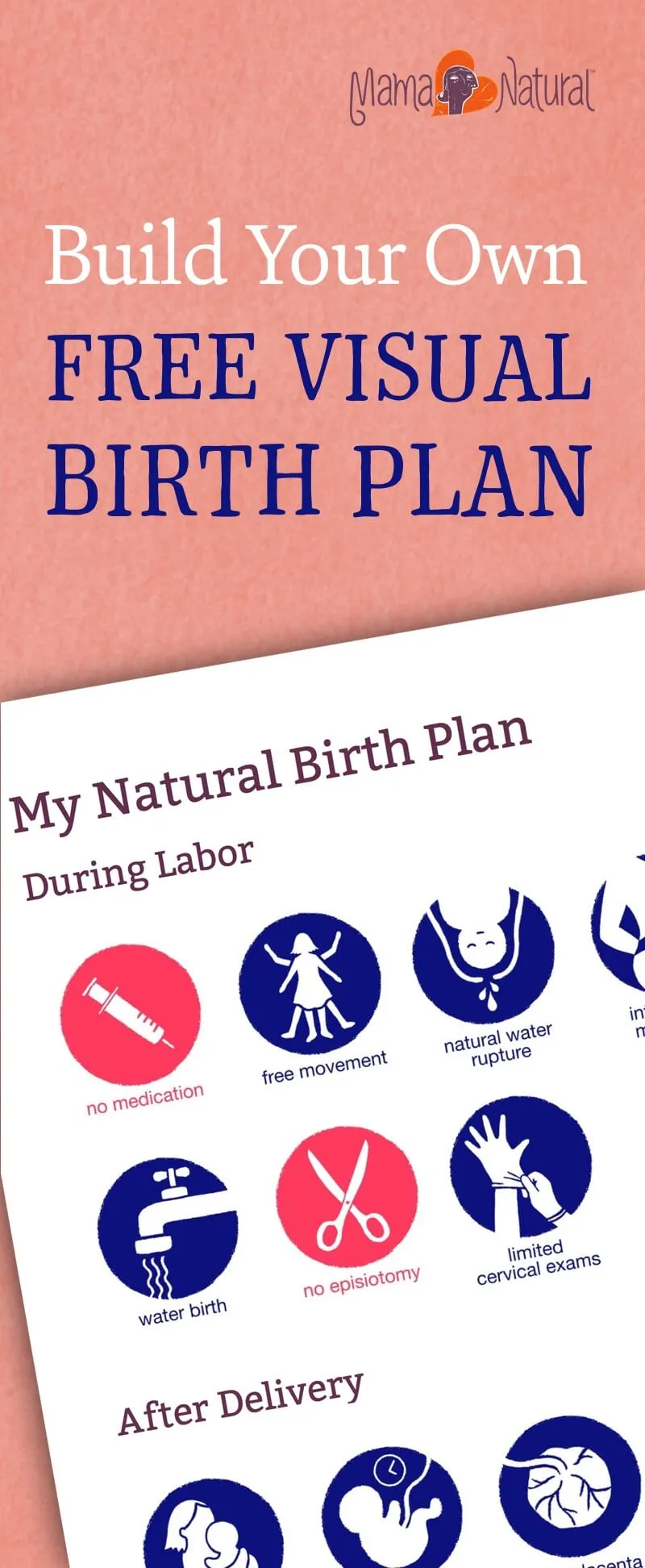
The landscape of modern obstetrics is witnessing a significant shift toward patient-centered communication, highlighted by the recent release of the Mama Natural 2025 Visual Birth Plan Template. This new resource aims to bridge the long-standing communication gap between expectant parents and clinical staff by replacing traditional, text-heavy documents with a streamlined, icon-based interface. As hospital environments become increasingly fast-paced, the introduction of visual tools in the labor and delivery suite represents a broader movement to improve patient safety, satisfaction, and autonomy through concise information design.
The Evolution of the Birth Plan in Clinical Settings
The concept of a birth plan first gained traction in the 1980s as a response to the increasing medicalization of childbirth. Initially conceived as a tool for empowerment, early birth plans were often multi-page narratives detailing a mother’s philosophy on birth, pain management, and neonatal care. However, as the complexity of hospital protocols grew, these lengthy documents frequently became a point of contention. Clinical staff, tasked with managing multiple patients simultaneously, often found exhaustive birth plans difficult to digest during the active stages of labor.
Research into healthcare communication suggests that in high-stress environments, such as a labor and delivery unit, cognitive load plays a critical role in how information is processed. Traditional birth plans, which can exceed 1,000 words, are often sidelined in favor of hospital standing orders. The shift toward visual templates, such as the one recently updated by the Mama Natural platform, addresses this by utilizing the "Picture Superiority Effect"—a phenomenon where the human brain processes and retains images more effectively than text. By condensing complex medical preferences into standardized icons, the 2025 template seeks to ensure that a mother’s wishes are understood at a glance, even during shift changes or emergencies.
Technical Specifications and Personalization of the 2025 Template
The Mama Natural 2025 update introduces a sophisticated level of customization intended to accommodate a wide variety of birthing scenarios. The template is distributed as a digital package containing both an editable Microsoft Word (and Apple Pages) document and a static PDF. The architectural core of the template revolves around a "drag-and-drop" icon system, allowing users to select from dozens of specific medical and comfort-based preferences.
A notable feature of the 2025 edition is the color-coded semiotics. The template utilizes a binary color system: blue icons represent positive preferences (actions the birthing team should take, such as "delayed cord clamping" or "free movement"), while red icons represent negative preferences (interventions the patient wishes to avoid, such as "no episiotomy" or "no routine IV"). This visual shorthand is designed to reduce the risk of medical errors and ensure that the laboring person is not repeatedly asked the same questions during intense contractions.
Furthermore, the 2025 release includes a dedicated section for "Gentle Cesarean" icons. This addition reflects a growing clinical trend toward making surgical births more family-centered, including preferences for clear drapes, immediate skin-to-skin contact in the operating room, and the presence of a support person during the procedure. By including these options, the template acknowledges that birth plans are not exclusively for "natural" births but are valuable tools for any delivery method.
Clinical Perspectives and the "High Maintenance" Stigma
Despite the benefits of clear communication, birth plans have historically faced a "stigma of inflexibility" within some medical communities. It is not uncommon for labor and delivery nurses to express concern that a rigid birth plan sets a mother up for disappointment if medical necessity dictates a change in course. Some providers have historically labeled patients with detailed plans as "high maintenance," a perception that can negatively impact the provider-patient relationship before labor even begins.
However, the visual format appears to be mitigating this friction. Stephanie, a mother who utilized the new visual template, reported that her midwife described it as "the best and clearest way to keep everyone on the same page." By presenting preferences as a series of clear icons rather than a list of demands, patients can signal their desires while maintaining a collaborative tone. Clinical experts suggest that when a birth plan is presented as a "preference list" rather than a "contract," it fosters a team-based approach to care.

To maximize effectiveness, healthcare advocates recommend that the birth plan be discussed with the primary OB-GYN or midwife during the third trimester, rather than being introduced for the first time upon arrival at the hospital. This allows for a proactive dialogue about what is feasible within the specific hospital’s policies and the patient’s health profile.
Addressing Systemic Disparities: The Advocacy Role of Birth Plans
Beyond personal preference, birth plans are increasingly recognized as a tool for advocacy, particularly for marginalized groups. The inclusion of resources like the Black Birthing Bill of Rights, developed by the National Association to Advance Black Birth (NAABB), within the context of birth planning highlights the role of documentation in ensuring equitable care.
For women of color, who face disproportionately higher rates of maternal mortality and morbidity in the United States, a clear, written birth plan can serve as a safeguard. It establishes a baseline of expected care and helps ensure that the patient’s voice is prioritized in the decision-making process. The Mama Natural template’s emphasis on "respectful, high-quality care" aligns with national initiatives to reduce maternal health disparities by empowering patients to articulate their rights and expectations clearly.
Data-Driven Insights: Impact on Patient Outcomes
While the birth plan itself does not change the physiology of labor, data suggests it significantly impacts the psychological outcome of the birth experience. A study published in the Journal of Perinatal Education found that women who formulated birth plans reported higher levels of satisfaction with their birthing experience, regardless of whether the labor proceeded exactly as planned. The primary driver of this satisfaction was the feeling of "being heard" and participating in "informed choice."
The 2025 template addresses several key areas that data shows are high-priority for expectant parents:
- Pain Management: Clear icons for "unmedicated," "nitrous oxide," or "epidural" help manage expectations for the anesthesia team.
- Neonatal Procedures: Preferences regarding the Vitamin K shot, erythromycin eye ointment, and the timing of the first bath are clearly demarcated to ensure the nursery staff follows parental wishes.
- Environment: Icons for "low lighting," "music," and "limited visitors" allow the nursing staff to help maintain the desired atmosphere without constant verbal reminders.
Implementation and the Future of Digital Maternity Tools
The move toward downloadable, editable templates is likely just the beginning of a digital transformation in maternity care communication. As Electronic Health Records (EHR) become more integrated, there is potential for these visual birth plans to be uploaded directly into a patient’s digital chart, accessible to every member of the care team from the moment of admission.
For now, the Mama Natural 2025 Visual Birth Plan Template serves as a bridge between the analog past and a more integrated future. By providing a free, accessible, and professional-grade tool, the platform is democratizing access to birth advocacy tools that were previously only available through private doulas or expensive birthing classes.
Conclusion and Broader Implications
The release of the 2025 visual birth plan template marks an important milestone in the evolution of maternal health communication. By prioritizing clarity, brevity, and visual impact, the template addresses the practical realities of the modern hospital environment while honoring the autonomy of the birthing person.
As healthcare systems continue to grapple with high patient volumes and the need for improved safety protocols, the adoption of visual aids like the Mama Natural template may become a standard recommendation. Ultimately, the goal of such tools is to ensure that the arrival of a new baby is supported by a well-informed, cohesive team, where the mother’s preferences are not just known, but easily respected and integrated into the clinical workflow. The simplicity of a one-page, icon-based plan may well be the key to fostering the mutual respect and clear communication necessary for optimal birthing outcomes in the 21st century.
