


For many couples, the dream of starting or expanding a family is a deeply cherished aspiration. When months turn into years without a successful pregnancy, the initial hope can slowly give way to profound distress and a burgeoning question: Is it infertility? Coping with infertility represents one of the most challenging life crises for couples globally, often leading to a complex array of emotions including grief, anxiety, and a deep sense of loss. Recognizing the signs, understanding the medical landscape, and building robust support systems are crucial steps in navigating this often-isolating journey.

The Landscape of Infertility: Definitions and Prevalence
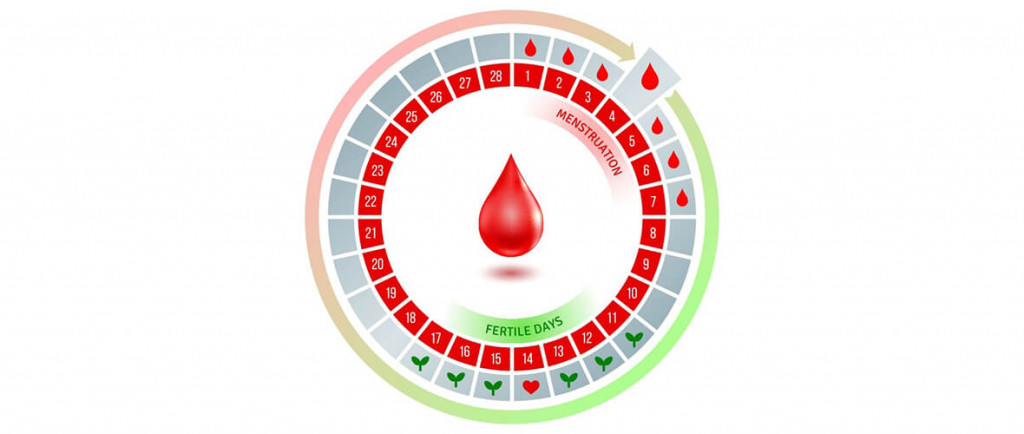
Infertility is medically defined as the inability to conceive after 12 months of regular, unprotected sexual intercourse for women under 35, or after six months for women 35 and older. For some, a diagnosis might be made earlier if there are known underlying conditions affecting fertility, such as irregular menstrual cycles, a history of pelvic inflammatory disease, or known male factor issues. The World Health Organization (WHO) estimates that infertility affects millions of people worldwide, with prevalence rates varying by region. Globally, it is estimated that between 8% and 12% of couples experience some form of infertility during their reproductive years. In the United States, approximately one in eight couples face challenges in conceiving or carrying a pregnancy to term, underscoring its widespread impact. These statistics highlight that infertility is not an uncommon or isolated struggle but a significant public health concern affecting a diverse demographic.

When to Seek Professional Guidance: A Critical Timeline
The decision of when to seek medical evaluation is often fraught with anxiety. For younger couples (under 35) who have been trying to conceive for a year without success, or older couples (35 and above) after six months, consulting a healthcare provider is recommended. Early intervention can be beneficial, as some fertility issues may worsen with time. Initial consultations typically involve a thorough medical history for both partners, including information on past illnesses, surgeries, medications, and lifestyle factors. This preliminary stage is essential for identifying potential risk factors and guiding subsequent diagnostic steps.

The Diagnostic Journey: Unraveling the Causes
Diagnosing infertility is a comprehensive process that examines both male and female reproductive health, as infertility is attributed to female factors in approximately one-third of cases, male factors in another third, and a combination of both or unexplained causes in the remaining cases.

For women, common diagnostic tests include:
- Ovulation Tracking: Blood tests to measure hormone levels (e.g., FSH, LH, prolactin, progesterone) and ultrasound monitoring to track follicle development and ovulation.
- Ovarian Reserve Testing: Anti-Müllerian Hormone (AMH) levels and antral follicle counts provide an indication of the remaining egg supply.
- Hysterosalpingography (HSG): An X-ray procedure to check if the fallopian tubes are open and if the uterus has a normal shape.
- Laparoscopy: A minimally invasive surgical procedure to visualize reproductive organs, identify endometriosis, fibroids, or other structural issues.
For men, the primary diagnostic tool is:

- Semen Analysis: Evaluates sperm count, motility (movement), and morphology (shape). Further tests may include hormone level checks, genetic screening, or specialized sperm function tests if initial results are abnormal.
Sometimes, despite extensive testing, no specific cause can be identified, leading to a diagnosis of "unexplained infertility." While frustrating, this diagnosis does not preclude successful treatment.
Common Contributors to Infertility

The causes of infertility are multifaceted and can stem from various physiological issues in either partner.
- Female Factors:
- Ovulation Disorders: Conditions like Polycystic Ovary Syndrome (PCOS), hypothalamic dysfunction, or premature ovarian insufficiency can disrupt or prevent ovulation.
- Fallopian Tube Damage: Blocked or damaged fallopian tubes, often due to pelvic inflammatory disease, endometriosis, or previous surgeries, can prevent sperm from reaching the egg or the embryo from reaching the uterus.
- Uterine or Cervical Causes: Uterine fibroids, polyps, or abnormalities in uterine shape can interfere with implantation or carry a pregnancy to term. Cervical mucus issues can impede sperm transport.
- Endometriosis: A condition where uterine-like tissue grows outside the uterus, potentially affecting ovaries, fallopian tubes, and the uterus.
- Male Factors:
- Abnormal Sperm Production or Function: Low sperm count (oligospermia), poor sperm motility (asthenozoospermia), or abnormal sperm shape (teratozoospermia) can hinder fertilization. These issues can be caused by genetic defects, infections, undescended testicles, or varicocele (enlarged veins in the scrotum).
- Problems with Sperm Delivery: Sexual dysfunction, blockages in the epididymis or vas deferens, or structural problems can prevent sperm from being ejaculated.
- General Health and Lifestyle: Factors such as obesity, smoking, excessive alcohol consumption, exposure to environmental toxins, and certain medications can negatively impact fertility in both men and women.
Navigating Treatment Options: Pathways to Parenthood

Once a diagnosis is established, a range of treatment options becomes available, tailored to the specific cause(s) of infertility. The selection of treatment often involves a careful discussion between the couple and their fertility specialist, considering success rates, risks, costs, and personal preferences.
- Medication: Often the first line of treatment for ovulation disorders, medications like clomiphene citrate or letrozole can stimulate egg production. Injectable gonadotropins are also used for more controlled ovarian stimulation.
- Intrauterine Insemination (IUI): Involves placing specially prepared sperm directly into the woman’s uterus around the time of ovulation. This is often used for mild male factor infertility, cervical factor infertility, or unexplained infertility.
- Assisted Reproductive Technologies (ART): The most well-known ART is In Vitro Fertilization (IVF). IVF involves stimulating the ovaries to produce multiple eggs, retrieving the eggs, fertilizing them with sperm in a laboratory, and then transferring the resulting embryos into the uterus. IVF can address a wide range of infertility causes, including blocked fallopian tubes, severe male factor infertility, and unexplained infertility. Other ART procedures include ICSI (Intracytoplasmic Sperm Injection), which is often used with IVF for severe male factor infertility, and donor egg or sperm options.
- Surgical Interventions: Procedures to correct anatomical issues such as endometriosis, uterine fibroids, or fallopian tube blockages can improve natural conception rates or enhance the success of other fertility treatments.
- Lifestyle Modifications: For some couples, changes such as diet improvements, regular exercise, stress reduction, and cessation of smoking or excessive alcohol intake can positively impact fertility outcomes.
According to the Centers for Disease Control and Prevention (CDC), the success rates of ART, particularly IVF, vary significantly based on factors like the woman’s age, the cause of infertility, and the clinic. For women under 35, the live birth rate per IVF cycle using fresh embryos from their own eggs can be around 30-40%, decreasing with age.

The Emotional and Psychological Toll: A Hidden Battle
Beyond the medical procedures, the emotional and psychological burden of infertility is immense and often underestimated. Couples frequently report feelings of sadness, anger, guilt, shame, and isolation. The relentless cycle of hope and disappointment with each failed treatment cycle can lead to significant stress, anxiety, and depression. Studies have shown that the psychological impact of infertility can be comparable to that of other serious illnesses.
The strain on relationships can also be profound. Partners may cope differently, leading to misunderstandings and emotional distance. Intimacy can become clinical and stressful, losing its spontaneity. Societal pressures, often in the form of well-meaning but intrusive questions from family and friends, can exacerbate feelings of inadequacy and privacy invasion. The financial burden of treatments, which are often not fully covered by insurance, adds another layer of stress, forcing difficult decisions and sometimes delaying or limiting access to care.
Coping Strategies and the Power of Support Systems

Given the intense emotional landscape, developing effective coping strategies and leaning on robust support systems are not merely helpful but essential.
- Open Communication: Maintaining honest and empathetic communication with your partner is vital. Acknowledging differing emotional responses and supporting each other through highs and lows strengthens the relationship.
- Seeking Professional Mental Health Support: Therapists specializing in infertility can provide invaluable tools for managing stress, anxiety, and grief. Individual or couples counseling can help process emotions and improve communication.
- Connecting with Support Groups: Peer support groups, whether online or in-person, offer a safe space to share experiences, gain insights, and reduce feelings of isolation. Knowing that others understand your unique struggles can be incredibly validating.
- Self-Care Practices: Engaging in activities that promote well-being, such as mindfulness, meditation, yoga, exercise, or hobbies, can help manage stress and maintain emotional balance.
- Educate Loved Ones: While challenging, helping close family and friends understand the complexities of infertility can foster empathy and reduce inadvertently hurtful comments. Setting boundaries regarding personal questions can also protect emotional space.
- Advocacy and Information: Staying informed about treatment options and advocating for oneself within the medical system can provide a sense of control. Organizations like the American Society for Reproductive Medicine (ASRM) and RESOLVE: The National Infertility Association offer resources and advocacy for individuals and couples.
Broader Implications and Evolving Understanding

The journey through infertility has broader societal implications. It challenges traditional notions of family, prompts discussions about reproductive rights and access to care, and drives innovation in medical science. The increasing visibility of infertility through public discourse and celebrity sharing helps destigmatize the condition, fostering a more compassionate and understanding environment.
Advancements in reproductive medicine are continuous, offering new hope. Research into genetic factors, improved diagnostic techniques, and more personalized treatment protocols promise higher success rates and reduced emotional strain in the future. Furthermore, a growing emphasis on holistic care, integrating mental health support alongside medical treatments, is improving the overall experience for patients.

Conclusion
The path of infertility is undoubtedly arduous, marked by profound emotional challenges and complex medical decisions. Yet, it is also a journey illuminated by resilience, hope, and the unwavering desire to build a family. Recognizing infertility as a legitimate medical condition, seeking timely professional help, exploring appropriate treatment options, and, crucially, nurturing emotional well-being through strong support systems are paramount. For those still asking, "Is it infertility?", the answer lies not just in a diagnosis, but in embracing a journey of informed choices, enduring hope, and compassionate self-care. The American Pregnancy Association and other dedicated organizations remain committed to providing evidence-based information and unwavering support to all navigating their unique paths to parenthood.
