

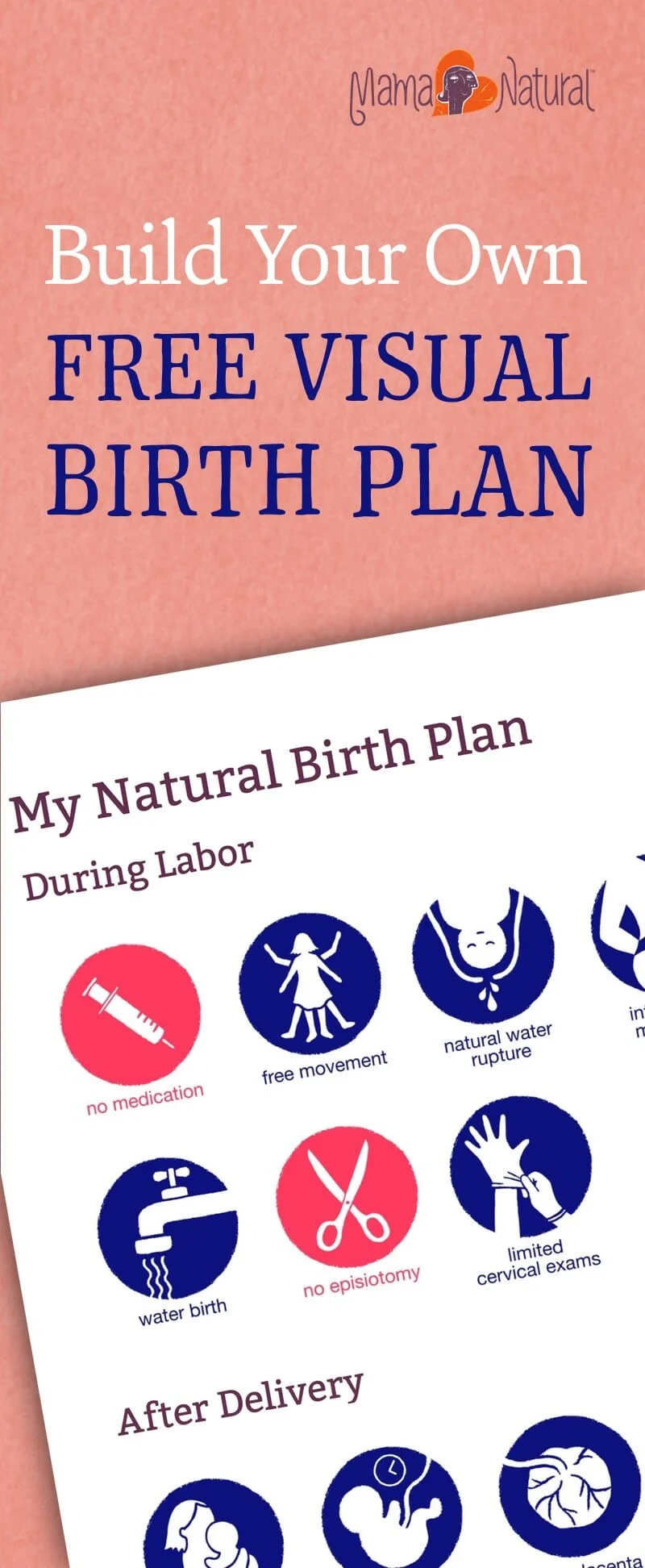
The integration of visual birth plans into modern obstetric practice represents a significant shift in how expectant parents communicate their medical preferences to healthcare providers. As the medical community moves toward a model of shared decision-making, the emergence of streamlined, icon-based templates, such as the 2025 visual birth plan update released by Mama Natural, highlights an increasing demand for clarity and brevity in high-stress clinical environments. These documents serve as a blueprint for labor and delivery, outlining the specific choices a birthing person and their partner have made regarding the arrival of their child. By condensing complex medical preferences into a single-page visual format, these templates aim to bridge the communication gap between patients and hospital staff, ensuring that informed choices remain at the forefront of the birthing process.
The Functional Role of Birth Planning in Modern Obstetrics
A birth plan is a formal document used to specify a patient’s preferences for labor, delivery, and postpartum care. Historically, these documents were often multi-page narratives that detailed every possible scenario. However, clinical feedback from obstetricians and labor and delivery nurses has frequently cited "text-heavy" plans as difficult to navigate during the active stages of labor. The transition toward a visual birth plan—a template utilizing standardized icons and color-coding—addresses this logistical challenge.
The primary objective of a birth plan is to establish a baseline for care before the onset of labor. This preparation allows the birthing team to access a patient’s choices without necessitating disruptive conversations during intense contractions or medical transitions. For those seeking a natural birth, the plan serves as a safeguard, ensuring that preferences regarding movement, pain management, and immediate newborn care are documented in black and white.
Chronology and Development of the Visual Template Model
The development of the visual birth plan has evolved in direct response to the changing landscape of hospital births. In the early 2000s, birth plans were primarily utilized by those delivering in home settings or birthing centers. As more individuals moved toward hospital-based natural births, the need for a document that could withstand the fast-paced nature of a clinical ward became apparent.
By 2020, the "one-page visual" format gained significant traction. This model prioritized ease of use, utilizing a drag-and-drop system for icons representing various interventions or preferences. The recently released 2025 update to the Mama Natural template reflects a further evolution, incorporating feedback from thousands of users to refine the icon set and include specific sections for "Gentle Cesareans." This iterative process demonstrates a growing recognition that birth plans must be adaptable to both physiological and surgical birth outcomes.
Technical Specifications and Personalization Methods
The modern visual birth plan is designed for maximum customization, typically offered in editable formats such as Microsoft Word or Apple Pages. The structure of the 2025 template utilizes a dual-page system: the first page serves as the final plan, while the second page acts as a library of icons.
The color-coding system is a critical component of the document’s functionality:
- Blue Icons: These signify "Positive Preferences" or actions the birthing team is encouraged to take. Examples include "delayed cord clamping," "free movement during labor," and "immediate skin-to-skin contact."
- Red Icons: These represent "Negative Preferences" or interventions the patient wishes to avoid unless medically necessary. Examples include "no episiotomy," "no routine Pitocin," and "no baby bath."
This visual shorthand allows medical professionals to scan a patient’s chart and immediately understand the desired trajectory of care. The 2025 update also introduced specific icons for the "Gentle Cesarean" movement, which emphasizes family-centered surgical births. This includes preferences for clear drapes (to view the birth), the playing of music in the operating room, and the immediate transfer of the infant to the mother’s chest.
Clinical Perceptions and the "High Maintenance" Narrative
Despite the functional benefits of birth plans, a persistent tension exists between patient advocacy and clinical standard operating procedures. Some medical professionals have historically viewed detailed birth plans with skepticism. In some hospital cultures, patients who present complex birth plans are occasionally labeled as "high maintenance" or "inflexible."

Clinical data suggests that nurses and doctors often find long, rigid, or unrealistic plans counterproductive. Common criticisms from the medical community include:
- Length and Complexity: Plans that exceed two pages are rarely read in their entirety during active labor.
- Medical Inaccuracy: Plans that demand "no emergency interventions" regardless of safety risks can create friction between the provider’s duty of care and the patient’s wishes.
- Lack of Flexibility: A perception that a rigid plan may set a patient up for psychological distress if the birth deviates from the expected path.
However, visual birth plans are specifically designed to mitigate these criticisms. By keeping the document to a single page and focusing on high-level preferences, patients can demonstrate that they understand the unpredictable nature of birth while still asserting their rights to informed consent. Stephanie, a recent user of the visual template, noted that her midwife praised the clarity of the icon-based system, stating it was "the best and clearest way to keep everyone on the same page."
Maternal Advocacy and the Black Birthing Bill of Rights
The use of birth plans is also deeply tied to the broader movement for maternal health equity. For many women of color, particularly Black women who face disproportionately higher rates of maternal mortality and morbidity in the United States, a birth plan is more than a list of preferences; it is a tool for survival and dignity.
Organizations such as the National Association to Advance Black Birth (NAABB) have advocated for the "Black Birthing Bill of Rights." This document empowers patients to demand respectful, high-quality care and to be the primary decision-makers in their birthing process. When integrated with a visual birth plan, these advocacy tools help ensure that providers are held accountable to standards of care that prioritize the patient’s autonomy and safety.
Broader Impact and Implications for Hospital Policy
The widespread adoption of visual birth plans is beginning to influence hospital policy. Many facilities are now incorporating "preference sheets" into their standard intake paperwork, mirroring the structure of the visual templates found online. This shift suggests a growing institutional acknowledgment that patient satisfaction is closely linked to how well their preferences are respected during the birthing process.
Furthermore, the data indicates that clear communication via birth plans can lead to better clinical outcomes. When providers are aware that a patient wishes to avoid unnecessary interventions, such as routine episiotomies or early amniotomy (breaking the water), the likelihood of those interventions occurring decreases. This, in turn, can reduce the "cascade of interventions" that often leads to higher rates of unplanned cesarean sections.
Analysis of the 2025 Icon Additions
The 2025 update’s inclusion of a "Gentle Cesarean" section is particularly noteworthy. As the national cesarean rate in the U.S. remains around 32%, the medical community is increasingly focused on making surgical births more "natural" in their emotional and physiological impact. The new icons allow parents to specify:
- Vaginal Seeding: The practice of exposing a newborn delivered via C-section to the mother’s vaginal microbes.
- Slow Delivery: Allowing the baby’s chest to be squeezed by the uterine incision to clear fluid from the lungs, mimicking a vaginal birth.
- Arm Freedom: Ensuring the mother’s arms are not strapped down during surgery so she can hold her baby immediately.
These additions reflect a sophisticated understanding of modern maternity care, where the boundary between "natural birth" and "medical intervention" is becoming more fluid and patient-centered.
Conclusion: The Future of Patient-Provider Collaboration
The visual birth plan is a testament to the power of design in improving healthcare communication. By simplifying complex desires into a universally understood visual language, these templates empower expectant parents and assist healthcare providers in delivering personalized care. While no document can guarantee a specific birth outcome, the act of creating a birth plan encourages patients to educate themselves on their options and fosters a collaborative relationship with their birthing team.
As the 2025 templates become standard tools for expectant mamas, the focus remains on the "three-word" philosophy: Keep it simple. A straightforward, to-the-point plan ensures that when labor begins, the focus remains on the safety and well-being of both mother and child, supported by a medical team that is fully informed and aligned with the family’s wishes. The evolution of these tools continues to play a vital role in the ongoing effort to humanize the hospital birthing experience and uphold the principles of informed consent in obstetrics.
