

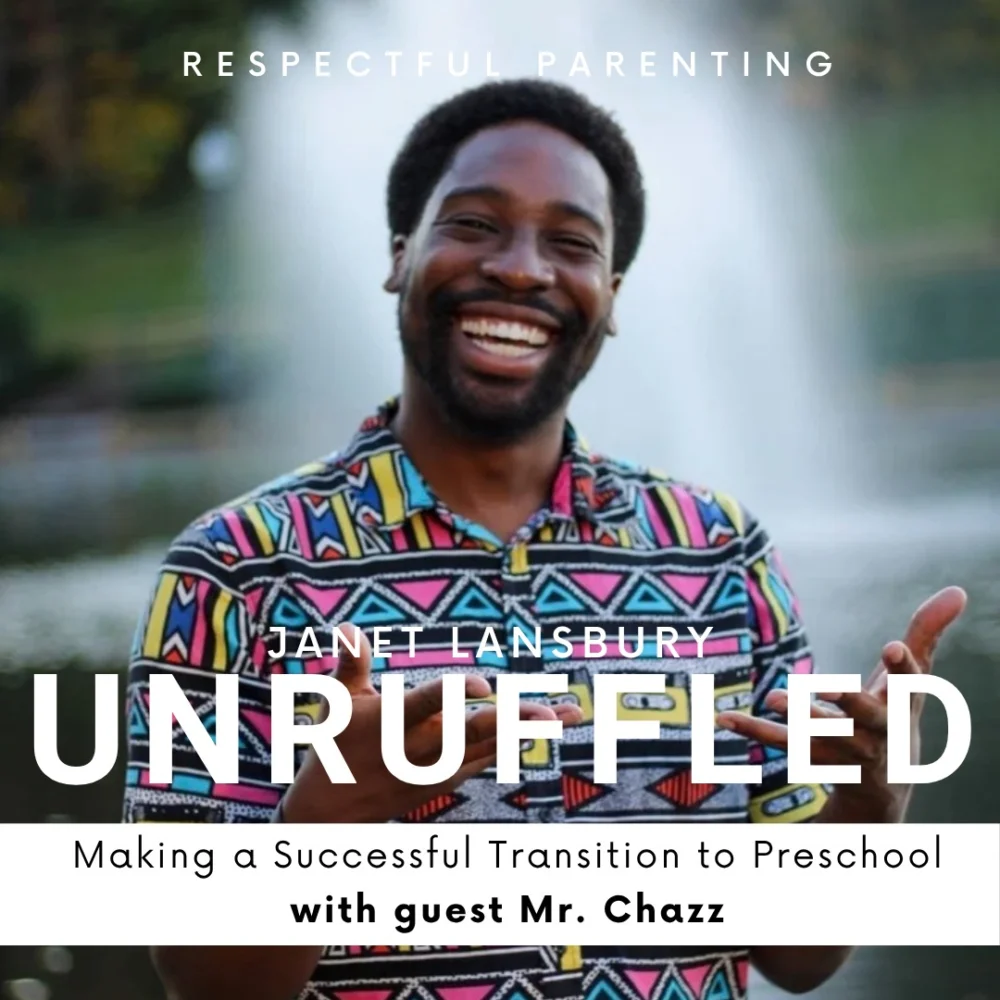
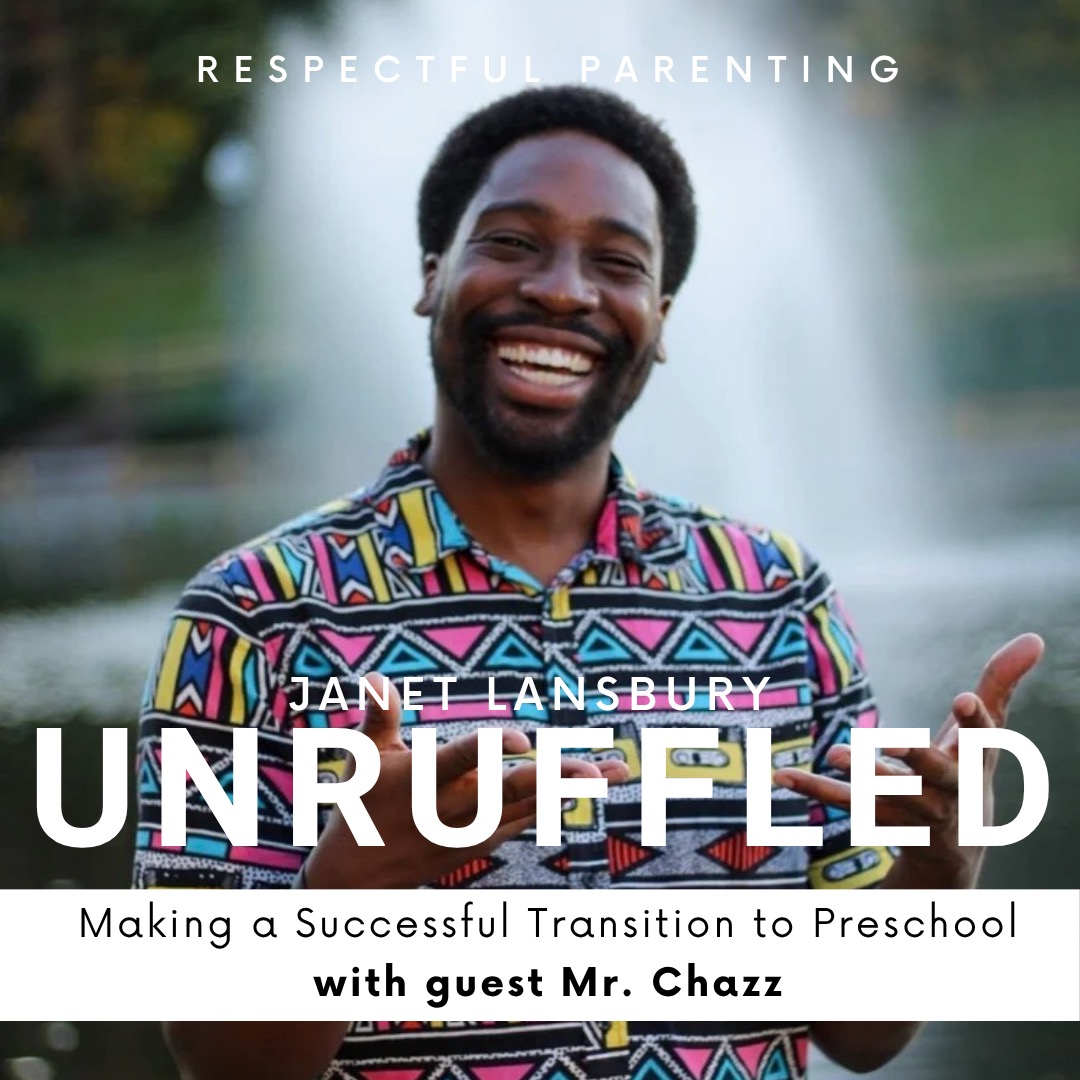
Renowned early childhood educator Chazz Lewis, widely celebrated as "America’s favorite teacher," recently joined Janet Lansbury on her podcast, "Unruffled," to discuss the critical process of transitioning children into preschool and childcare settings. The conversation, which took place against the backdrop of the typical back-to-school season, offered valuable insights for both parents and educators navigating this significant developmental milestone. Lewis, also the founder of the innovative Birdhouse childcare center in Brooklyn, emphasized the paramount importance of fostering trust and maintaining strong connections to ensure confident separations.
Addressing the Challenges of Early Childhood Transitions
The discussion highlighted a widespread concern within the early childhood education sector: many traditional childcare facilities, Lewis argues, implement transition processes that prioritize adult convenience over the child’s developmental needs. "I think 99% of childcare centers, the way they do the transition is not ideal," Lewis stated, underscoring a belief that current practices often cater to the responsibilities of adults rather than the well-being of children, teachers, and the family unit. This perspective sets the stage for understanding the innovative approaches employed at Birdhouse and offers guidance for improving transitions in existing systems.
Lewis’s commitment to early childhood education is evident in his extensive online presence, including a significant following on TikTok and Instagram, and his podcast, "Learning Curve with Mr. Chazz." His work is characterized by a profound understanding of child psychology, coupled with a charismatic and humorous demeanor that resonates with both children and adults. This approach has earned him widespread recognition and a reputation for fostering genuine connection and motivation in educational settings.
Birdhouse: A Model for Supportive Childcare
A significant portion of the conversation focused on Lewis’s latest venture, Birdhouse, a childcare center in Brooklyn designed to serve as a model for future early learning environments. A cornerstone of Birdhouse’s philosophy is the well-being and professional development of its educators. Notably, the head teacher resides on-site, a strategic decision aimed at alleviating financial burdens and reducing the "survival state" that can hinder educators’ ability to provide optimal care.
"Any parent can very much relate that it is much harder to care for children when you are not cared for yourself," Lewis explained. This principle underscores the interconnectedness of educator well-being and the quality of care provided to children. By ensuring teachers feel supported and valued, Birdhouse aims to cultivate a more committed and consistent staff, thereby fostering greater stability for the children and families they serve. This approach directly addresses the high turnover rates prevalent in the early childhood education field, which often stem from inadequate compensation and a lack of supportive work environments.
Redefining "Drop-off" and "Pick-up"
Lewis introduced a fundamental shift in terminology at Birdhouse, replacing the conventional terms "drop-off" and "pick-up" with "arrival" and "reunion." This linguistic change reflects a deeper philosophical commitment to honoring the emotional significance of separation and the importance of the child’s integration into their new school family.
"Instead of it being this quick drop-off and pick-up, we wanted to focus more on the connection aspect of all of this," Lewis elaborated. The arrival process at Birdhouse is designed to be a gradual integration, involving activities such as handwashing and connecting with educators, rather than a swift handover. This extended, connection-focused arrival period, while requiring more time, is intended to build a sense of safety and belonging, facilitating a smoother transition into learning and play.
Implementing a Visual Routine for Smooth Transitions
To support both children and parents during arrivals, Birdhouse utilizes a visual routine, often presented as a step-by-step guide. This visual aid helps children understand the sequence of events, reducing uncertainty and promoting independence. The routine typically includes:
- A moment of connection: This might involve a high-five, hug, or fist bump with Lewis or another educator, personalized to each child’s preference. The emphasis is on respecting the child’s willingness to connect, with the option to "pass" if they are not ready.
- Putting away belongings: Children are guided to place their items in their designated hook or cubby, fostering responsibility.
- Removing shoes: A practical step, especially in urban environments, contributing to a cleaner play space. Visual cues, like shoe prints on the floor, help children understand where to place their footwear.
- Handwashing: A cooperative activity between parent and child, reinforcing hygiene and providing a shared task.
- A farewell connection: A final moment of connection before the parent departs, which can be a hug, a kiss, or a brief game, tailored to the child’s needs.
This structured yet flexible approach aims to create a predictable and comforting experience for children, easing their separation from parents.
Building Trust Through Gradual Acclimation
Birdhouse also offers parents the opportunity to acclimate their children to the environment and staff over a period of one to two weeks prior to their official start. This extended pre-entry phase allows children to connect with the space and build trust with the "safekeepers" (educators), ensuring they have a "safe person to go to" when their parents leave. This proactive measure is crucial for helping children navigate the emotional challenges of separation.
"It’s really hard to help that child work through the big emotions of separating from their parent if they’re not already connected with you, if they’re not already safe with you," Lewis emphasized, highlighting the foundational role of trust in managing emotional responses.
The Power of Observation and Responsive Engagement
Lewis stressed the importance of educators meeting children "where they’re at, at their pace." This involves patient observation to identify a child’s interests and then responding to those cues. By noticing what a child is looking at or playing with and offering a related toy or acknowledgment, educators can create moments of feeling "seen and understood," which are critical for building safety and connection.
This responsive approach contrasts with attempts to pressure children into interaction, which can foster uncertainty. The use of in-classroom cameras for reflective practice, rather than for disciplinary purposes, further supports educators in analyzing these subtle interactions and refining their approach. These recorded moments become valuable learning opportunities for the entire staff, fostering a culture of continuous improvement and shared understanding.
Navigating Difficult Emotions: A Learning Opportunity
The conversation also delved into the inevitable challenges, such as children crying when parents leave. Lewis advocates for viewing these moments not as failures, but as powerful learning opportunities. At Birdhouse, when a child is distressed, educators provide a supportive presence, offering comfort and safety without forcing interaction.
Lewis recounted an instance where a child cried throughout an entire circle time. Instead of ignoring the child’s distress, the group acknowledged it, with other children participating in a collective deep breath for their peer. This approach not only validates the child’s emotions but also teaches the other children about empathy, co-regulation, and emotional processing.
"Emotions are contagious," Lewis noted, explaining how witnessing and responding to strong emotions can help other children regulate their own feelings. This perspective emphasizes that difficult moments, when handled with intentionality, can contribute to the emotional growth of all involved, including parents who witness these interactions.
Strategies for Parents and Educators in Traditional Settings
For parents and educators in settings that may not offer the same level of individualized attention as Birdhouse, Lewis provided several practical strategies:
- Visual Routine Cards: Creating simple, step-by-step visual cards for the arrival routine can help children anticipate and follow the sequence of events. This promotes predictability and reduces friction.
- Photo Books and Schedule Visualization: Parents can create photo books of the school environment and the daily schedule to help children visualize their day and build excitement. Pictures often convey information more effectively than words for young children.
- Role-Playing: Practicing the entire school routine, including arrival and goodbyes, through play can prepare children for the actual experience. This "rehearsal" can reduce anxiety and make transitions smoother.
- Honest Communication: It is crucial to be honest with children about their day, acknowledging that not every part will be exciting (e.g., nap time). This allows for proactive problem-solving and collaboration with teachers.
- Detailed Information Sharing: Parents are encouraged to provide teachers with as much detail as possible about their child’s preferences, routines, and any potential challenges, especially during the initial adjustment period. This information is vital for educators to quickly attune to each child’s unique needs.
The Emotional Labor of Early Childhood Education
Both Lewis and Lansbury expressed a deep appreciation for the emotional labor involved in early childhood education. Lewis, who chose to return to the classroom rather than focusing solely on speaking engagements, described the work as "a mile deep" rather than "a mile wide," highlighting the profound rewards of direct engagement with children.
"There’s absolutely nothing more rewarding than being with my kids day in and day out and supporting them and practicing my skills and supporting the parents and teaching the parents," he stated. This sentiment underscores the passion and dedication required for effective teaching and caregiving.
The Importance of Belief and Connection
The conversation concluded with a reaffirmation of the belief in a child’s capacity to navigate separation and difficult emotions, provided they have a safe and supportive environment. This belief, Lewis argues, empowers both children and caregivers.
"Our child can handle this sad as long as there’s a teacher on the other end who is thinking about how to help a child feel safe, connected, and understood," he explained. This perspective reframes separation not as a deficit, but as an opportunity for growth and learning, emphasizing the strength children possess when they are loved and supported. The deep connections children have with their primary caregivers are not a weakness, but a testament to their capacity for profound love and attachment. This understanding is fundamental for fostering resilient and well-adjusted individuals.
