


The tradition of the family movie night has evolved from a simple weekend pastime into a significant cultural and sociological ritual for households across the globe. Recent observations into the viewing habits and critical feedback of children—specifically those in the key developmental stages between ages five and eight—reveal a complex relationship between young audiences and the media produced for them. While film studios often rely on massive budgets and star-studded casts to attract viewers, the unfiltered perspectives of children suggest that emotional resonance, relatable humor, and clear narrative stakes remain the primary drivers of engagement.

The Ritual of Shared Media Consumption
In the modern domestic landscape, the concept of "Family Fun Night" serves as more than just entertainment; it acts as a structured environment for social bonding and cognitive development. For children like Toby, aged eight, and Anton, aged five, these rituals often involve a combination of specific food choices, such as pizza, and a collaborative selection process for the evening’s feature. This shared experience allows children to exercise agency in their entertainment choices while providing parents with a window into their children’s evolving moral and emotional frameworks.
Sociologists note that these consistent family rituals contribute to a sense of stability and belonging. When children are invited to critique and discuss the films they watch, they develop critical thinking skills and the ability to articulate complex emotions. The 2019 data gathered from these young viewers highlights a diverse range of preferences, from live-action classics like The Parent Trap to high-concept animated features like Spider-Man: Into the Spider-Verse.

Analyzing the Enduring Appeal of the Live-Action Remake
One of the most notable findings in the child-led review process is the enduring popularity of the 1998 remake of The Parent Trap. Despite being over two decades old, the film continues to resonate with contemporary youth. Toby’s fascination with the character of Annie and the lifestyle depicted—complete with a butler and sophisticated secret handshakes—points to a common childhood interest in autonomy and the "wish-fulfillment" trope.
From a critical perspective, The Parent Trap succeeds because it balances high-stakes emotional conflict (the separation of twins and parents) with lighthearted physical comedy. Anton’s focus on the "lizard on the head" prank illustrates the importance of slapstick humor in maintaining the attention of younger viewers, while Toby’s letter to actor Dennis Quaid signifies a deep parasocial connection to the film’s father figure. This suggests that for the five-to-eight-year-old demographic, the presence of relatable family dynamics, even in heightened or fictionalized settings, is a major draw.

The Cognitive Impact of Emotional Complexity in Animation
The landscape of animated cinema has shifted dramatically over the last decade, moving toward more sophisticated and often darker thematic material. This shift is exemplified by Spider-Man: Into the Spider-Verse. While the film was a critical and commercial juggernaut, earning over $384 million at the global box office, its impact on young viewers is multifaceted.
Toby’s reaction to the death of Peter Parker in the film’s opening act highlights a significant challenge for creators of family media: managing the portrayal of grief. The eight-year-old’s recommendation against the film for those sensitive to "death scenes" underscores the lingering emotional impact that intense cinematic moments can have on children. Developmental psychologists suggest that while exposure to these themes can help children process the concept of loss in a safe environment, the visceral nature of modern animation can lead to prolonged sadness or anxiety in younger demographics.

Conversely, films like Coco address the theme of death through a cultural and celebratory lens. Despite the presence of skeletons—which might typically be perceived as frightening—the narrative focus on family heritage and the "Day of the Dead" allows children to view the afterlife with curiosity rather than fear. The observation that parental figures often react more emotionally to these films than the children themselves suggests a "dual-layer" narrative approach by studios like Pixar, where the philosophical implications target adults while the visual spectacle and music engage the youth.
Discrepancies Between Critical Acclaim and Child Preferences
Perhaps the most surprising insight from the child-led critiques is the rejection of Inside Out, a film widely praised by critics and educators for its sophisticated depiction of emotional intelligence. While adults lauded the film for its psychological accuracy, Toby’s assessment of the film as "boring" and the character Joy as "annoying" reveals a potential disconnect between educational intent and audience entertainment.

Toby’s analysis of the character "Fear" provides a sophisticated take on the film’s logic, arguing that the character should be renamed "Safe" because his primary function is Riley’s protection. This demonstrates that even when a child finds a film unengaging, they are still capable of high-level deconstruction of its themes. The perceived "annoyance" with Joy may stem from a child’s natural skepticism toward relentless positivity, suggesting that young audiences crave more nuanced or grounded protagonists.
Similarly, the generational gap is evident in the reception of The Sound of Music. While Anton appreciated the musical elements and the "hiccup" scenes, the slower pacing of the 1965 classic proved less engaging for Toby compared to modern, fast-paced alternatives. This indicates a shift in the "attention economy" of children’s media, where contemporary editing and rapid-fire dialogue have set a new baseline for engagement.

The Role of Music and Humor in Sustained Engagement
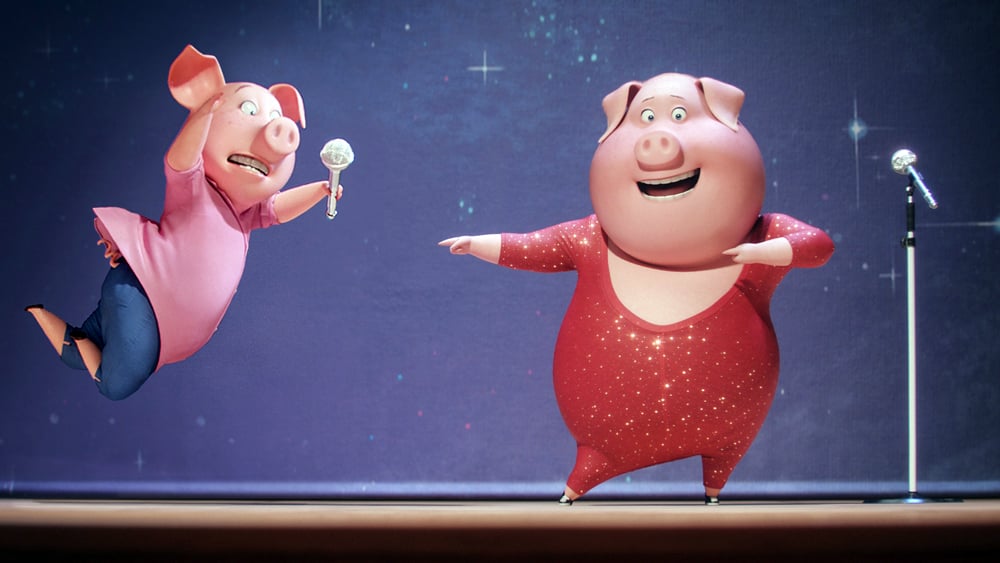
Films such as Sing and Trolls demonstrate the power of a "jukebox musical" format in capturing the youth market. By utilizing recognizable pop hits—such as "I’m Still Standing" or Justin Timberlake’s "Can’t Stop the Feeling!"—these films create an immediate sense of familiarity. Anton’s desire to perform songs like "Take on Me" after viewing Sing illustrates how cinema acts as a springboard for active play and musical exploration.
In addition to music, relatable domestic "disaster" humor remains a staple of successful family films. Alexander and the Terrible, Horrible, No Good, Very Bad Day remains a favorite due to its depiction of a family navigating a series of escalating misfortunes. The visual of a minivan door falling off provides a tangible, humorous representation of chaos that children find both funny and reassuring, as it mirrors the minor frustrations of their own daily lives.
Industry Trends and Economic Implications
The data derived from these informal family reviews aligns with broader industry trends. The global animation market was valued at approximately $391 billion in 2022 and is projected to grow significantly. Studios are increasingly focusing on "co-viewing" content—media designed to be watched by parents and children together. This strategy is driven by the rise of streaming platforms like Disney+, Netflix, and Amazon Prime, which prioritize high "re-watch" values.
Films like Cloudy with a Chance of Meatballs and Enchanted represent the success of this co-viewing model. Enchanted, in particular, uses a satirical take on fairy-tale tropes that appeals to parents’ cynicism while maintaining the magical elements that captivate children. The gross-out humor involving New York City pests (rats and cockroaches) cleaning an apartment serves as a bridge between the two audiences, providing "funny and gross" moments for the kids and a subversion of Disney tropes for the adults.

Broader Impact and Future Outlook
As families prepare for holiday breaks, the selection of media will continue to play a central role in domestic life. The feedback from Toby and Anton suggests that while the "best" movies are subjective, they generally share three traits: a strong musical core, a balance of humor and heart, and a narrative that does not underestimate the child’s intelligence.
The move toward "grown-up thing[s]," as expressed by five-year-old Anton, signals a growing trend where children aspire to consume media beyond their age bracket, seeking to understand the world of adults. This puts a unique pressure on filmmakers to create content that is "all-ages" in the truest sense—accessible to the young but sophisticated enough to hold the attention of the mature.

In conclusion, the study of child-led film reviews offers invaluable insights into the evolving nature of the family unit and the role of storytelling in the 21st century. As children continue to navigate an increasingly complex media landscape, the simple ritual of "Family Fun Night" remains a vital touchstone for emotional growth, critical inquiry, and shared joy. The recommendations of today’s youth, while seemingly simple, provide a roadmap for the future of the multi-billion-dollar family entertainment industry.
