

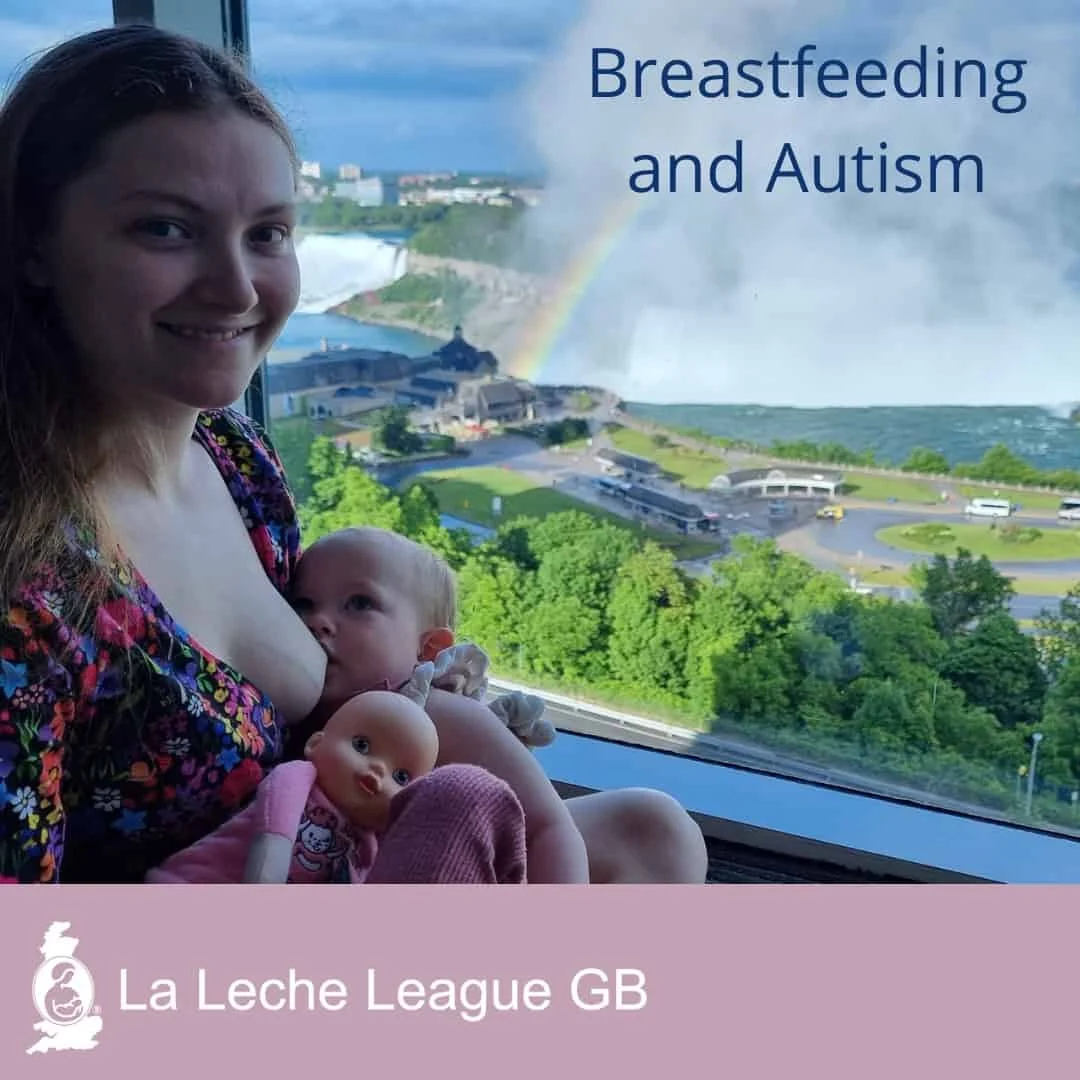
Autism, recognized as a neurodevelopmental difference, profoundly shapes an individual’s experience of the world and their communication patterns, classifying them as neurodivergent. This spectrum condition manifests with diverse abilities and challenges, which often fluctuate depending on environmental and situational factors. As more autistic women and parents choose to embark on the journey of parenthood and breastfeeding, and with a growing number of breastfed children being identified as autistic, it becomes imperative to understand the unique challenges and inherent strengths that characterize these experiences. This article delves into the multifaceted aspects of breastfeeding within the neurodivergent community, advocating for individualized, empathetic, and informed support systems.
Understanding Autism and Parenthood in a Broader Context
Historically, autism was often narrowly defined, with diagnostic criteria primarily reflecting presentations in cisgender males, leading to significant underdiagnosis in women and gender-diverse individuals. Over recent decades, there has been a crucial shift in understanding autism, moving away from a deficit-based model towards a neurodiversity-affirming perspective that recognizes autism as a natural variation of the human brain. This evolving understanding has illuminated the diverse ways autism can present, particularly in women who often develop sophisticated masking strategies to conform to neurotypical expectations. This phenomenon contributes to the stark statistic that an estimated 0.82% of the population of England are formally diagnosed as autistic, yet up to 72% of the autistic population in England are believed to remain undiagnosed, a figure that has profound implications for healthcare access and support, especially in the context of maternity and postpartum care.
The journey of pregnancy, birth, and early parenthood is inherently demanding, but for autistic individuals, it can present an additional layer of complexity. The sensory overload of hospitals, the social nuances of healthcare interactions, and the rigid structures of traditional support services can create significant barriers. Recognizing these unique needs is the first step towards creating truly inclusive and effective support pathways for neurodivergent parents and their children.
Navigating Breastfeeding as an Autistic Parent
Autistic women and parents often possess distinct strengths and face specific challenges when it comes to breastfeeding. Their experiences underscore the critical need for highly individualized care that acknowledges and accommodates neurodivergent ways of processing information, communicating, and interacting with the environment.

The Unseen Landscape: Undiagnosed Autism and Its Implications
The high rate of undiagnosed autism, particularly among women, means that many parents navigating the postpartum period may not even be aware of their neurodivergent traits, or they may have received late diagnoses. This lack of self-understanding or official recognition can complicate their ability to articulate their needs or for healthcare providers to offer appropriate, tailored support. Masking, a common coping mechanism where autistic individuals suppress their natural behaviors to blend in, can further obscure their needs, making it difficult for them to seek or receive the necessary assistance, even when they are struggling significantly. This silent struggle often leads to increased anxiety, burnout, and a sense of isolation during a vulnerable life stage. Healthcare providers must be aware of the possibility of undiagnosed neurodivergence and adopt a universal design approach to care, anticipating diverse needs rather than waiting for them to be explicitly stated.
Beyond Conventional Support: Tailoring Care to Individual Needs
Traditional maternity care and breastfeeding support often rely on group settings or standardized advice, which can be inaccessible or overwhelming for autistic individuals. For instance, attending local breastfeeding groups might be challenging due to sensory issues (noise, unfamiliar smells, bright lights), social anxiety, or difficulties processing spoken information in a group dynamic. Providing clear visual information about what to expect at a group, offering the option to bring a support person, or having quieter, less stimulating environments can make a significant difference. Furthermore, many autistic women report feeling a lack of control over their bodies and experiences post-birth, and combined with higher rates of Post Traumatic Stress Disorder (PTSD) in the autistic community compared to neurotypical individuals, this emphasizes the importance of trauma-informed care and empowering parents to make informed choices.
Communication: Bridging the Gap
Communication differences are a hallmark of autism, ranging from situational mutism, where an individual may be unable to speak in certain stressful or overwhelming situations, to variations in processing verbal information or expressing thoughts. To effectively support autistic parents, healthcare providers and support personnel must be adaptable and offer a range of communication methods. This could include providing information in written format, allowing parents to type or write their questions and concerns, utilizing visual aids like picture cards, or being open to sign language or other alternative communication forms. The La Leche League Great Britain (LLLGB) recognizing this need, offers a written Help Form, providing a vital alternative to phone calls which can be a significant barrier for many autistic individuals due to auditory processing difficulties, social anxiety, or executive function challenges.
Sensory Dimensions: Crafting a Comfortable Breastfeeding Experience
Sensory differences are central to the autistic experience, with individuals often experiencing heightened or reduced sensitivity to smell, taste, touch, sight, and sound. These differences can profoundly impact the breastfeeding journey. For some, the touch of a baby’s mouth, the sensation of milk let-down, or the texture of nursing pads might be intensely uncomfortable or even painful. Conversely, others might find these sensations comforting or regulating. The environment itself plays a crucial role; bright lights, loud noises, strong hospital smells, or even the temperature of a room can be overwhelming. Support providers should proactively inquire about sensory preferences and offer practical adjustments, such as suggesting quiet, dimly lit feeding spaces, encouraging comfortable clothing, or advising on minimizing auditory distractions. Understanding these nuances allows for the creation of a breastfeeding environment that promotes calm and connection rather than discomfort and distress.
The Empowering Aspect of Breastfeeding
Despite the potential challenges, many autistic women find breastfeeding to be a profoundly positive and empowering experience. The act itself can provide a predictable, quiet, and calming routine, offering a much-needed respite from an overstimulating world. It carves out protected time for rest and connection. Autistic individuals often excel at independent research and information gathering, meaning those who choose to breastfeed are often well-informed and incredibly determined. This dedication, coupled with the deep bond forged through nursing, can be a source of immense strength and pride. Recognizing and validating these positive aspects is crucial for fostering a supportive environment.
Key Considerations for Supporting Autistic Parents to Breastfeed:

- Individualization: Always prioritize individual needs and preferences. Avoid a one-size-fits-all approach.
- Clear Communication: Provide information in multiple formats (written, visual, verbal). Be direct, literal, and avoid jargon or implied meanings.
- Sensory Accommodation: Ask about sensory sensitivities (light, sound, touch, smell) and offer practical adjustments to the environment or routine.
- Respect for Autonomy: Empower parents by providing choices and respecting their decisions regarding feeding and care.
- Trauma-Informed Care: Be aware of higher rates of PTSD and previous negative healthcare experiences. Prioritize consent, transparency, and control.
- Flexible Support: Offer various avenues for support, including written communication, one-on-one appointments, or modified group settings.
- Non-Judgmental Approach: Validate their experiences and challenges without judgment, fostering trust and openness.
- Anticipate Barriers: Proactively identify potential difficulties, such as phone call anxiety or difficulty asking for help, and offer alternatives.
Supporting the Autistic Child’s Breastfeeding Journey
As awareness and diagnostic tools improve, autism diagnosis rates in children are steadily increasing. This growing recognition highlights the importance of understanding how neurodiversity can influence a child’s feeding patterns and behaviors, particularly for those who breastfeed. The World Health Organization recommends breastfeeding for two years and beyond, with the natural age of weaning estimated between 2.5 to 7 years. For autistic or neurodivergent children, breastfeeding can hold unique significance, acting as a crucial tool for regulation, comfort, and nutritional support, albeit with its own set of considerations.
Early Recognition and Diagnosis
Increased awareness among pediatricians and early intervention specialists means that more children are being identified as autistic earlier in life. This allows parents to seek tailored support sooner, including for feeding challenges. Understanding that a child’s unique behaviors might stem from neurodevelopmental differences can help parents and caregivers approach feeding issues with greater empathy and more effective strategies, moving beyond conventional expectations.
Breastfeeding as a Regulatory Tool
Autistic children often experience sensory input differently, which can lead to frequent seeking or avoidance of specific sensory experiences. Breastfeeding, with its combination of deep pressure, warmth, rhythmic suckling, and close physical contact, can be a powerful self-regulation tool. A child might want to breastfeed very frequently when feeling overwhelmed by sensory input (e.g., in a busy, loud, or unfamiliar environment) to find comfort and re-establish a sense of calm. Conversely, some children might find feeding difficult when already struggling with sensory overload, where even the temperature of the room or the feeling of their clothing can be distracting. In such cases, modifying the environment to reduce or avoid the offending sensory input is paramount to facilitating successful feeding.
Many autistic children, like all babies, can be described as "high needs," exhibiting an intense drive for closeness and comfort from their primary caregiver. For neurodivergent children, this intensity can be particularly pronounced, as breastfeeding provides not only nutrition but also emotional regulation and a predictable source of comfort. While this intense need for proximity is normal, it can be physically and emotionally demanding for parents. Emphasizing parental self-care, building strong support networks of family, friends, and like-minded communities becomes essential, especially during the intense early years.
Addressing Sensory Sensitivities in Infants
Sensory differences in autistic children can manifest in varied ways during feeding. Some might have strong preferences for certain nipple textures or feeding positions, while others might be highly sensitive to their mother’s scent, touch, or even the sounds of the feeding environment. A child might exhibit a very strong suckle, seeking intense oral input, or conversely, be easily distracted by external stimuli, leading to shorter, less effective feeds. Parents should observe their child’s reactions to different sensory aspects of feeding and adapt accordingly. This might involve trying different feeding positions, nursing in a quiet room, or adjusting the temperature. These adaptations are not about "spoiling" a child but about meeting their fundamental sensory and regulatory needs.

Navigating Weaning and Feeding Transitions
Weaning can be particularly challenging for breastfeeding parents of autistic children due to sensory sensitivities, communication issues, and the child’s reliance on breastfeeding for co-regulation. Many parents report finding frequent feeding in toddlerhood difficult and express a need for increased information and support regarding weaning. Autistic children may struggle with the textures, tastes, smells, or appearances of solid foods, leading them to prefer the familiar comfort and nutrition of breast milk. This can result in limited diets and an increased reliance on breastfeeding as they get older.
Interoception difficulties, which affect an individual’s ability to sense internal bodily signals like hunger, thirst, or fullness, can also complicate feeding. An autistic child may not recognize when they are hungry or full, leading to unpredictable feeding patterns or an aversion to eating.
La Leche League Leaders can provide invaluable support and information about setting gentle boundaries and navigating weaning at various ages and stages. Strategies for parents who wish to limit or cease breastfeeding might include:
- Visual Cues and Social Stories: Using visual schedules or simple social stories to prepare the child for changes in feeding routines.
- "First, Then" Statements: Clearly communicating "First [activity], then [breastfeeding]."
- Distraction and Substitution: Offering comforting alternatives like cuddles, a favorite toy, or a different drink when the child requests to nurse.
- Designated Feeding Spots/Times: Gradually limiting breastfeeding to specific locations or times of day to establish predictability.
- Gradual Reduction: Slowly decreasing the frequency or duration of feeds to allow for adaptation.
- Sensory Exploration of Solids: Making mealtime a low-pressure opportunity for sensory play with food, focusing on exposure rather than consumption.
Continuing to breastfeed into toddlerhood and beyond offers numerous benefits for both mother and child, providing essential nutrients that a child with a limited diet might otherwise miss, and maintaining a source of comfort and regulation. The decision to continue, limit, or stop breastfeeding is deeply personal, and parents require compassionate, non-judgmental support tailored to their unique family dynamics.
Policy, Practice, and Future Directions
The insights gleaned from the experiences of autistic parents and their children underscore a critical need for systemic changes in healthcare and community support. Policy makers and healthcare administrators must prioritize the development of neurodiversity-affirming maternity and pediatric care guidelines. This includes mandatory training for all healthcare professionals on autism awareness, sensory considerations, and diverse communication strategies. Creating more flexible appointment systems, offering pre-visit information packages, and designing sensory-friendly clinical environments are practical steps towards inclusive care.

Furthermore, fostering robust peer support networks for neurodivergent parents can provide invaluable emotional validation and practical advice that formal services may not always deliver. Advocacy groups, like the Maternity Autism Research Group (MARG), play a crucial role in driving research and translating findings into actionable recommendations for improving care. By recognizing autism as a natural human variation, healthcare systems can evolve to meet the diverse needs of all families, ensuring that every parent and child receives the respectful, effective, and compassionate support they deserve on their unique breastfeeding journey.
Written by Emily Lunny, November 2023. Review due November 2026. Photos courtesy of Sophie Burrows and Emily Lunny.
Further Reading
- Dysphoric Milk Ejection Reflex (D-MER)
- Still Nursing after 1 year
- Supporting a breastfeeding mother
- Weaning from the breast
Online Information
- Maternity Autism Research Group (MARG)
References
[1] O’Nions, E. et al., 2023
[2] Hampton, S. et al., 2021
[3] Hampton, S. et al., 2021
[4] Grant, A. et al. 2022
[5] Rumball, F., Happé, F. and Grey, N., 2020
[6] Grant, A. et al., 2022
[7] Crane, L. et al., 2018
[8] Dettwyler, K.A., 1999
Copyright LLLGB 2023
