

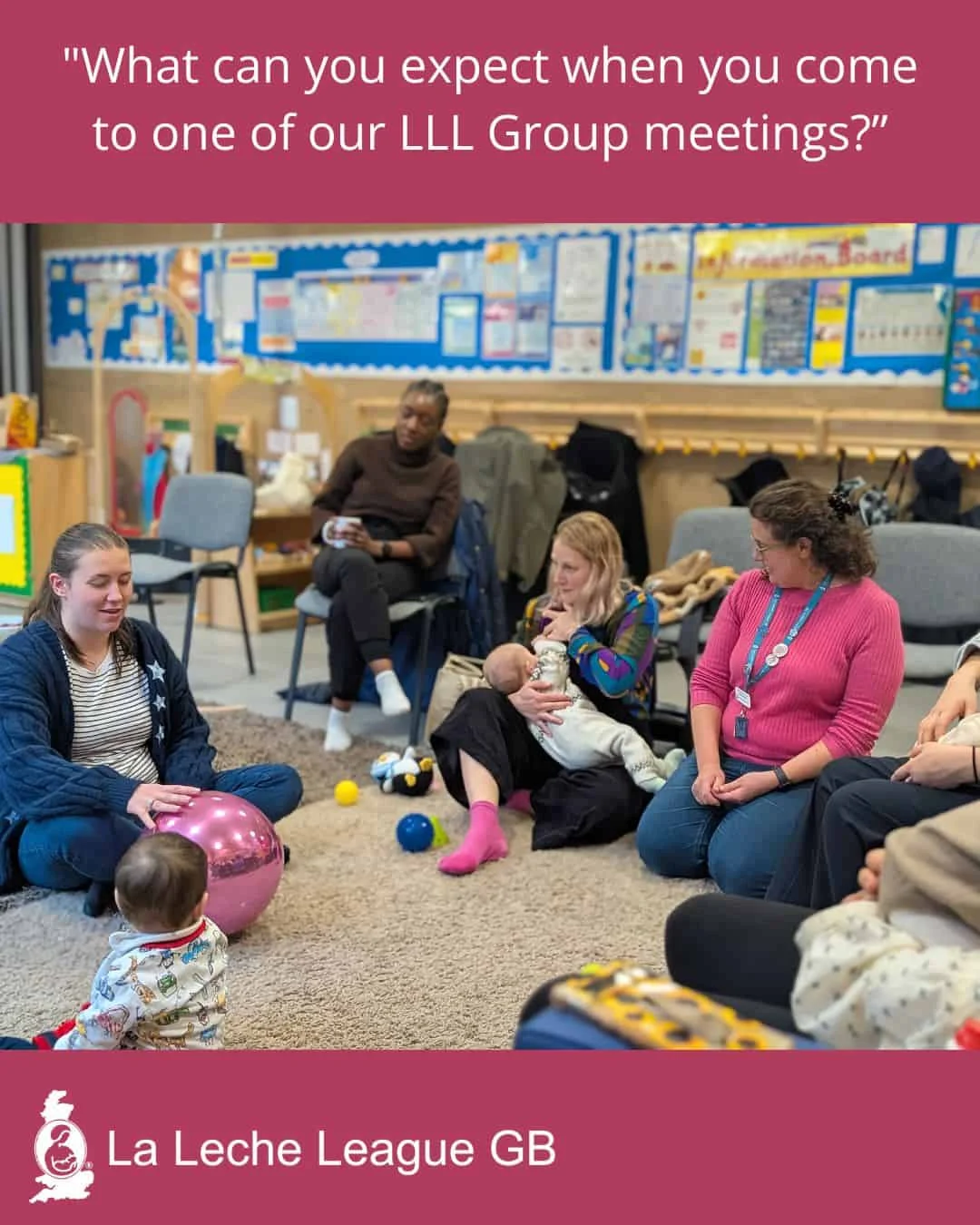
The recent circle held by La Leche League (LLL) Barnet brought into sharp focus the complex and often emotionally charged journey faced by breastfeeding mothers as they prepare to re-enter the workforce. Attended by mothers with infants ranging from three to 20 months, including solo mothers and those with older children, the gathering underscored the universality of these experiences, despite the varied individual circumstances. The discussions illuminated a rich spectrum of challenges and coping mechanisms, revealing deeply connected narratives beneath diverse life stages.
The Emotional Landscape of Maternal Separation
A predominant theme emerging from the LLL Barnet discussion was the profound anxiety associated with returning to work and the anticipated separation from infants. This sentiment is rooted in the strong biological imperative driving maternal care. For many mothers, the mere imagination of their baby’s time spent without them, coupled with the anticipation of potential distress, whether returning part-time or full-time, can be daunting. Experts in maternal psychology often describe this as a natural response, a manifestation of the intense attachment formed during pregnancy and early infancy. The transition back to work, therefore, is frequently an emotional journey long before it becomes a practical one, challenging a mother’s sense of self and her primary role as caregiver.
According to a 2022 survey by the Royal College of Midwives in the UK, a significant percentage of new mothers report feelings of anxiety and guilt when considering their return to work, particularly concerning childcare and continued breastfeeding. This psychological burden can sometimes outweigh the logistical hurdles, highlighting the critical need for emotional support alongside practical advice. The LLL Barnet circle provided a vital platform for mothers to articulate these feelings, finding solidarity in shared vulnerability and collective strength.
Logistical Realities: Exclusively Breastfeeding and Employment
Beyond the emotional aspect, the practicalities of maintaining exclusive breastfeeding (EBF) while employed present substantial logistical challenges. The mothers at the LLL Barnet meeting explored various strategies, including planning for three nursery days per week. The discussion also highlighted the varying experiences with pumping, with one mother reflecting on the significant stress it caused her, ultimately finding that her child adjusted well without consistent expressed milk. This anecdote serves as a gentle reminder that diverse paths exist through this transitional period, and flexibility is often key.
Data from the UK Department for Business, Energy & Industrial Strategy indicates that while many workplaces are improving their provisions for breastfeeding mothers, significant gaps remain. The law in the UK, under the Equality Act 2010 and the Health and Safety at Work Act 1974, requires employers to provide suitable facilities for breastfeeding mothers to rest and, if necessary, express milk. However, the quality and accessibility of these facilities can vary widely. A 2021 report by Maternity Action found that only 42% of mothers felt their workplace adequately supported their decision to continue breastfeeding after returning to work, often citing lack of private spaces, insufficient break times, or unsupportive management as barriers.
Feeding Methods and Developmental Stages
The choice of feeding method in the mother’s absence was another central point of discussion. The LLL Barnet circle explored introducing bottles, but also the alternative of skipping bottles entirely in favour of introducing a cup. The suitability of these options largely depends on the baby’s developmental stage and how well established solid foods are in their diet. Between six and twelve months, milk remains a central source of nourishment, and experts advise mothers to allow for continued milk dependency during this crucial period, extending grace to themselves and their children.
The World Health Organization (WHO) and the UK’s National Health Service (NHS) recommend exclusive breastfeeding for the first six months of life, followed by continued breastfeeding alongside appropriate complementary foods for up to two years or beyond. When mothers return to work, strategies for providing milk include paced bottle feeding (to mimic breastfeeding flow), cup feeding, or even directly feeding solids if the baby is developmentally ready and over six months old. The decision to introduce a bottle or cup often involves trial and error, and patience is frequently required. Some babies may initially refuse milk from anything other than the breast, a common but temporary phase.
Rapid Development and Unpredictable Adjustments
A recurring insight from the LLL Barnet discussion was the rapid pace of infant development. Mothers noted that significant growth and developmental leaps can occur within just two to four months, leading to a feeling of having a "different child" in that timeframe. This rapid evolution makes it challenging to predict precisely how babies will adjust to new routines, such as those involving childcare. However, mothers often find that transitions unfold more smoothly than initially anticipated, a testament to infants’ adaptability.
Child development specialists confirm that infants exhibit remarkable resilience and capacity for adaptation. While a period of adjustment is normal when introducing new caregivers or environments, most babies eventually settle into new routines. Key factors influencing this adaptation include the consistency of care, the responsiveness of caregivers, and the child’s individual temperament. Providing a consistent schedule, familiar comfort items, and a gradual introduction to the new environment can significantly aid this transition.
Trusting Caregivers: A Vulnerable Act
Entrusting one’s child to others, particularly when the mother has been the primary caregiver, can evoke a profound sense of vulnerability. This concern resonated deeply within the LLL Barnet group, where mothers shared their intimate knowledge of their babies and the challenge of ceding that knowledge to others. One mother recounted being pleasantly surprised by the knowledge and attunement of nursery staff, offering a reassuring perspective. This highlights the importance of open communication, asking questions, and seeking reassurance from childcare providers, not only for the baby’s well-being but also for the mother’s own nervous system.
Choosing high-quality childcare is paramount for easing this transition. Recommendations from organisations like the National Day Nurseries Association (NDNA) in the UK emphasize looking for settings with experienced and well-trained staff, low staff-to-child ratios, and a clear communication policy with parents. Visiting potential nurseries, observing interactions, and asking about their approach to settling-in periods and specific feeding requests (like paced bottle feeding for breastfed babies) can help build parental confidence.
Understanding "Reverse Cycling" and Adaptation
The phenomenon of "reverse cycling" was also discussed – a common pattern where breastfed babies compensate for daytime separation by taking more of their milk feeds at night or during reunion periods with their mother. This physiological response allows babies to maintain their milk intake and continue breastfeeding even when their mothers are away during the day. It is a normal and often necessary adjustment that supports the continuation of the breastfeeding relationship.
For infants adapting to nursery life, many eventually settle into a predictable rhythm of play, snack, nap, and home. While some may initially resist milk from sources other than the breast, the consistent structure and nurturing environment of quality childcare often facilitate their adaptation. Childcare providers are often adept at creating engaging routines that help children feel secure and comfortable, even when primary caregivers are absent.
Prioritising Maternal Well-being and Self-Care
The LLL Barnet meeting also touched upon the broader implications for maternal well-being, including the importance of carving out time for self-care. One mother’s plan to prepare her baby for nursery by arranging an evening out with her partner, allowing a grandparent to manage bedtime, encapsulated a shared sentiment: letting go of some anxiety and trusting the experience. While the baby might play longer or sleep later on such occasions, the general outcome is that "everyone survives." This reflects a crucial understanding that mothers also need time to rejuvenate and maintain their identity beyond their caregiving role.
The implications of supporting mothers in their return to work extend beyond individual families. Societally, it contributes to gender equality in the workplace, allowing women to maintain career trajectories and contribute to the economy. Economically, retaining skilled female workers benefits businesses and the wider economy. Therefore, robust support systems – from family and friends to employers and public health services – are not just beneficial but essential.
The Role of Support Networks and Expert Guidance
The LLL Barnet circle exemplifies the invaluable role of peer support networks. These groups offer a safe space for mothers to share experiences, gain practical advice, and receive emotional validation. Beyond peer support, access to accredited lactation consultants, health visitors, and clear guidance from organisations like La Leche League International and the National Childbirth Trust (NCT) are crucial for navigating the complexities of breastfeeding while working.
Conclusion
The transition for breastfeeding mothers returning to work is multifaceted, encompassing deep emotional challenges, significant logistical hurdles, and a need for adaptable parenting strategies. The discussions at LLL Barnet highlight the resilience of mothers and infants, the importance of flexible approaches, and the critical role of supportive communities and informed professionals. As society continues to evolve, fostering environments that genuinely support working mothers – through empathetic workplaces, accessible childcare, and robust public health initiatives – is not merely a matter of individual convenience but a cornerstone of family well-being and societal progress. The journey may feel immense, but as mothers at the LLL Barnet meeting affirmed, it is a journey that no one should have to undertake alone.
