

A harrowing car crash incident involving a mother and her six-month-old exclusively breastfed daughter has brought into sharp focus the complex challenges faced by lactating parents sustaining severe injuries, and the critical role of nuanced medical intervention. The incident, which occurred on a national speed limit road in Yorkshire, saw the mother sustain a severe breast injury from her seatbelt, while her infant remained largely unharmed in a rear-facing car seat. This personal account, shared anonymously, provides a unique perspective on managing trauma, pain, and the unwavering commitment to breastfeeding amidst significant adversity, ultimately highlighting the potential for positive outcomes even when faced with dire predictions.
The Incident: A Sudden Impact on a National Road
The serene journey of a young family was abruptly shattered when their vehicle was involved in a collision on a national speed limit road. The mother, seated in the back with her six-month-old daughter, became a direct casualty of another driver turning across their path. While the front airbags deployed, protecting the driver (the mother’s partner), the absence of rear airbags meant the mother’s seatbelt bore the full brunt of the impact, effectively safeguarding her from more severe injuries but simultaneously inflicting significant trauma to one of her breasts. The daughter, secured in her rear-facing car seat, emerged with only a minor bruise from her harness, a testament to the life-saving efficacy of appropriate child restraint systems. The family collectively expressed immense gratitude for their overall safety, acknowledging the far more severe outcomes possible in such high-impact incidents. Road safety data from the Department for Transport consistently underscores the effectiveness of seatbelts in preventing fatalities and serious injuries. For instance, in the UK, seatbelts are estimated to save thousands of lives annually, yet they can, in rare cases, cause specific localized injuries due to the immense forces involved in a crash. The incident serves as a stark reminder of both the protective and potentially injurious aspects of these essential safety devices.
Emergency Response and Initial Medical Assessment
Immediately following the crash, the injured breast began to swell, rapidly becoming bruised and intensely painful. The family sought immediate medical attention at A&E. Recognising the mother’s lactating status, the medical team promptly arranged for a hospital-grade breast pump from the maternity ward. However, the initial attempt to express milk from the injured breast yielded alarming results: barely any milk was produced, and what little did emerge was bright red, indicative of fresh blood within the milk ducts or surrounding tissue. Fortunately, the unaffected breast continued to produce milk normally, albeit with some minor bruising. Medical advice at this stage was crucial and consistent with protocols for breast trauma: continue pumping the damaged breast to prevent engorgement, maintain lactation, and assess the extent of internal damage.
The initial diagnosis pointed towards significant soft tissue damage, likely a hematoma (a collection of blood outside blood vessels), and potential injury to the delicate milk duct system. The ensuing days were marked by excruciating pain, making even basic movements, let alone holding her infant, incredibly difficult for the mother. The family found themselves confined indoors, a challenging situation for any new parent, exacerbated by the physical discomfort and uncertainty surrounding the mother’s recovery and her ability to continue breastfeeding.
Navigating the Medical Maze: Weeks of Uncertainty and Pain
A few days after the crash, an initial ultrasound scan was performed. This early scan, while confirming significant swelling, did not immediately reveal a clear course of action, indicating that the trauma was still evolving. The subsequent weeks were described by the mother as "extremely painful," with persistent swelling and a burning sensation in the injured breast upon movement. The regimen of frequent pumping continued, an arduous task that yielded little relief or milk, yet was essential to prevent further complications like mastitis or abscess formation from milk stasis.
The inability to comfortably pick up or hold her daughter was not only physically distressing but also emotionally taxing for the mother. This period of enforced immobility and separation from the intimate act of nurturing her child underscored the profound physical and psychological toll of the injury. For a mother exclusively breastfeeding a six-month-old, the prospect of compromised milk supply or cessation of breastfeeding can evoke significant anxiety and grief, intertwining physical recovery with the emotional aspects of maternal bonding and infant nutrition. Research consistently highlights the mental health challenges mothers face following traumatic events, particularly when their ability to care for their child is impacted.
Turning Point: Diagnosis, Intervention, and a Critical Decision
Weeks into her recovery, the mother was referred by her GP to a specialised breast clinic, a crucial step in obtaining a more definitive diagnosis and advanced care. A subsequent ultrasound scan at the clinic provided a clearer picture: a substantial accumulation of fluid, later identified as a seroma (a collection of serous fluid) or potentially a galactocele (a milk-filled cyst) exacerbated by the trauma, had formed. The volume of fluid was significant, requiring immediate intervention. A needle aspiration procedure was performed, draining over a pint of liquid – a nurse humorously likening its appearance to a "latte." The relief from pain was immediate and profound, transforming the mother’s physical state.
However, this relief was coupled with a stark warning from the consultant: if the swelling were to return to its previous extent, the mother might need to cease breastfeeding altogether on the injured side to allow the breast to heal fully by stopping milk production. This advice, while medically sound in certain contexts to prevent further complications or facilitate healing, presented an emotionally devastating prospect for the mother. She had found a similar case online where a woman had been advised to stop breastfeeding her newborn after a car crash due to an identical injury. The thought of abruptly denying her daughter the comfort and nutrition of breast milk was "extremely upsetting," highlighting the deep emotional connection between mother and child through breastfeeding, which extends beyond mere sustenance.
Resilience and Recovery: A Gradual Healing Process
True to the consultant’s warning, the swelling did return within a few days, though not to the same severe degree as initially. Another needle aspiration was performed, and the mother was prescribed antibiotics, likely to prevent or treat any secondary infection that could arise from the trauma or fluid collection. This time, a more flexible approach was adopted by the consultant. Given the mother’s strong desire to continue breastfeeding and the slightly reduced severity of the swelling, it was agreed that she could continue to lactate while closely monitoring the fluid buildup. This "wait-and-see" strategy proved pivotal.
Over the subsequent weeks and months, a cyclical pattern emerged: the mother would return to the hospital every few days for further fluid drainage. Crucially, each subsequent aspiration yielded progressively smaller amounts of liquid, indicating that the body was slowly resolving the issue. Throughout this period, the arduous task of pumping from the damaged breast continued, the milk now a pale pink, reflecting residual blood or fluid. This sustained effort was vital in managing milk supply, preventing engorgement, and assessing the healing process.
Eventually, after several months of consistent medical oversight and the mother’s unwavering commitment, the fluid buildup ceased entirely. The small amount of milk produced from the damaged breast gradually turned white, signifying the absence of blood or serous fluid. This marked a significant turning point: the mother was finally able to feed her daughter directly from the injured breast, eliminating the need for constant pumping. The pain substantially reduced, and the breast began to regain a more normal appearance, save for a discernible ridge where the seatbelt had impacted.

The Long-Term Impact and Adaptations
Nine months post-accident, the mother continues to breastfeed her daughter from both sides. While the injured breast now produces significantly less milk, it still serves as a source of comfort for her child. The unaffected breast has successfully compensated, producing sufficient milk to satisfy the daughter’s nutritional needs. As the daughter has now transitioned to solid foods, the mother’s concerns regarding her overall nutritional intake have diminished.
The mother speculates that the trauma likely damaged some of the milk ducts, preventing milk from reaching the nipple and leading to a gradual reduction in milk production in that part of the breast. Medical consultants have been unable to definitively confirm if the milk supply in the damaged breast will ever fully return, with the mother herself deeming it "unlikely." The long-term physical consequence includes a noticeable asymmetry, or "lopsided-looking" appearance, due to one breast having borne the brunt of lactation for an extended period.
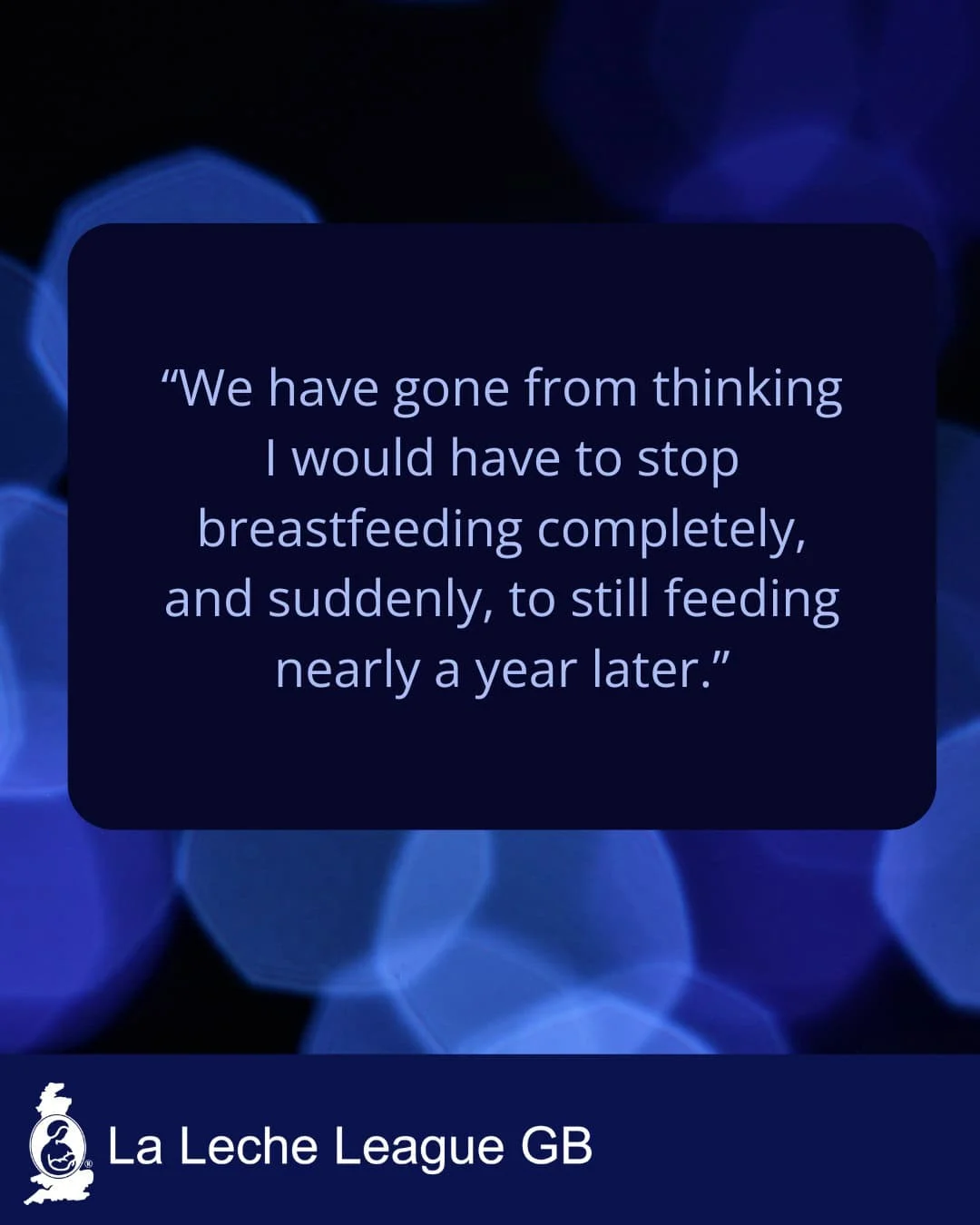
Despite these physical changes and the initial bleak outlook, the outcome represents a remarkable triumph of perseverance and tailored medical care. The journey evolved from the near-certainty of immediate, complete breastfeeding cessation to nearly a year of continued lactation.
Broader Implications: Road Safety and Maternal Health
This case underscores several critical public health and medical considerations. Firstly, it reaffirms the indispensable role of road safety measures. While seatbelts are paramount for occupant protection, their design and potential for injury in specific scenarios warrant ongoing research and awareness. The effectiveness of rear-facing car seats for infants is also unequivocally demonstrated, saving the daughter from potentially severe injuries. Campaigns by organisations like the Royal Society for the Prevention of Accidents (RoSPA) continually highlight these safety imperatives.
Secondly, the incident sheds light on the unique medical challenges presented by trauma in lactating mothers. The interplay between physical injury, milk production, and the emotional desire to continue breastfeeding creates a complex clinical picture. Medical professionals, particularly in emergency and trauma settings, require specific protocols and awareness to address these nuanced needs. The decision to allow continued breastfeeding, under close supervision, rather than an immediate cessation, proved beneficial in this instance.
The Critical Role of Medical Protocol and Support
The mother’s experience highlights the profound impact of a compassionate and flexible medical approach. The consultant’s "wait-and-see" strategy, rather than an immediate, definitive cessation order, was instrumental in allowing the mother and daughter to continue their breastfeeding journey. This approach acknowledges the physiological capacity of the body to heal and adapt, and the psychological importance of breastfeeding for maternal well-being and infant development.
Lactation consultants and breastfeeding support organizations, such as La Leche League, advocate for informed decision-making and tailored support for mothers facing medical challenges. Their guidance often emphasizes the potential for continued breastfeeding, even with compromised supply, due to its immunological, nutritional, and emotional benefits. The emotional toll of potentially stopping breastfeeding can be as significant as the physical pain of the injury, making supportive medical advice invaluable.
Psychological and Emotional Dimensions
Beyond the physical trauma and medical interventions, the psychological and emotional dimensions of this experience are profound. The initial shock of the accident, the intense pain, the weeks of uncertainty, and the fear of losing the ability to breastfeed combined to create a period of immense stress. For many mothers, breastfeeding is not just about nutrition; it is a cornerstone of bonding, comfort, and maternal identity. The threat of its abrupt cessation can trigger feelings of grief, failure, and anxiety.
The mother’s determination to continue pumping, despite the pain and the unappealing nature of the milk, speaks volumes about her resilience and commitment. Her eventual success in returning to direct feeding, even with reduced supply, provided not only ongoing comfort for her daughter but also a significant emotional victory for herself, reinforcing her capacity to overcome adversity.
A Message of Hope and Advocacy
The anonymous mother from Yorkshire shared her story with the explicit hope of assisting others facing similar challenges. Her journey serves as a powerful testament to the potential for continued breastfeeding even in the wake of severe injury and initial bleak prognoses. It underscores the importance of seeking specialized medical care, advocating for one’s needs, and finding medical professionals who are willing to explore flexible and supportive treatment pathways.
This case advocates for a holistic approach to patient care, where physical recovery is integrated with psychological well-being and the specific needs of lactating mothers are fully understood and supported. It is a story of medical collaboration, personal tenacity, and the enduring power of the mother-child bond, offering a beacon of hope for families navigating unforeseen crises. The experience encourages ongoing dialogue between patients and healthcare providers to ensure that all options are explored, and that the long-term emotional and physical health of both mother and child remain at the forefront of medical decision-making.
