

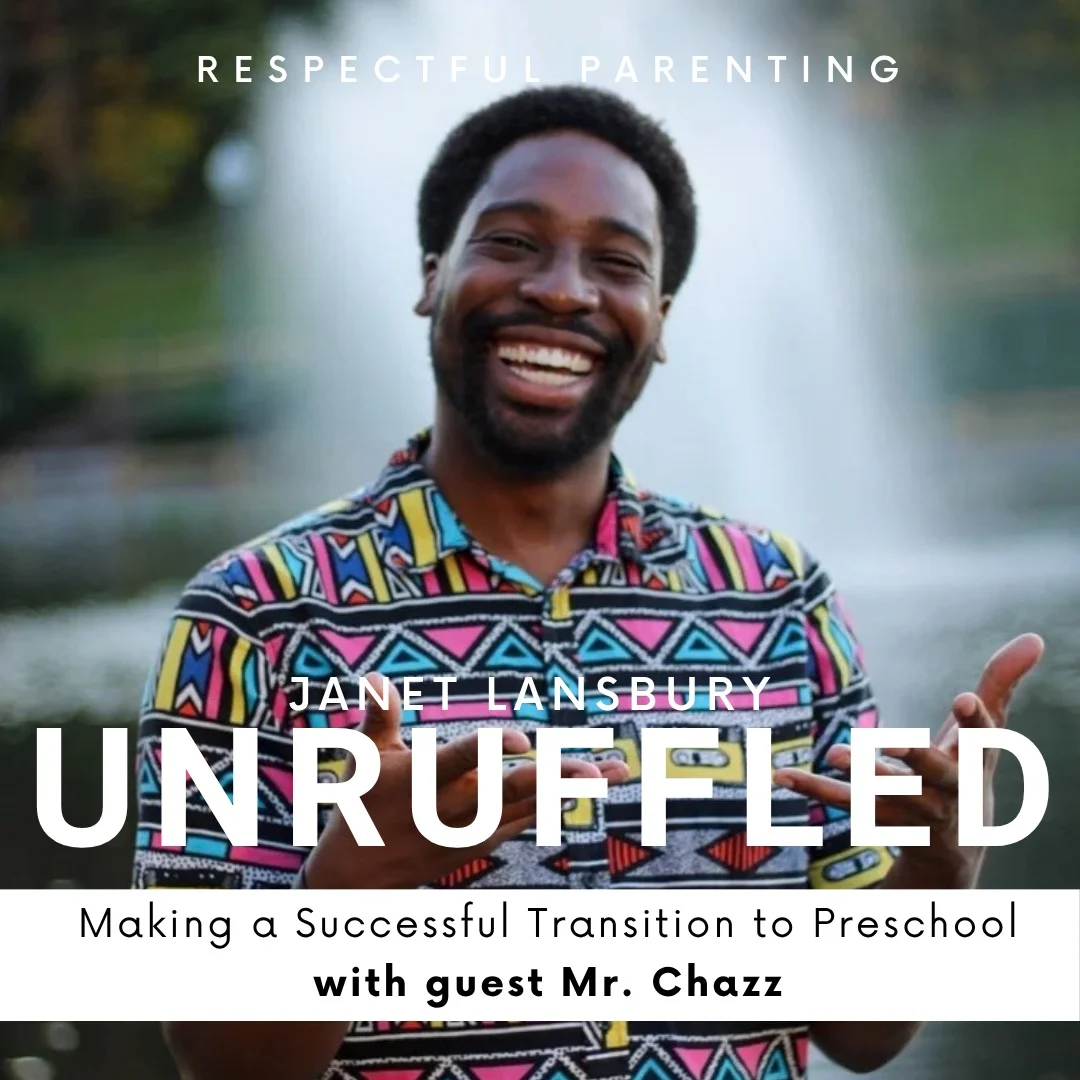
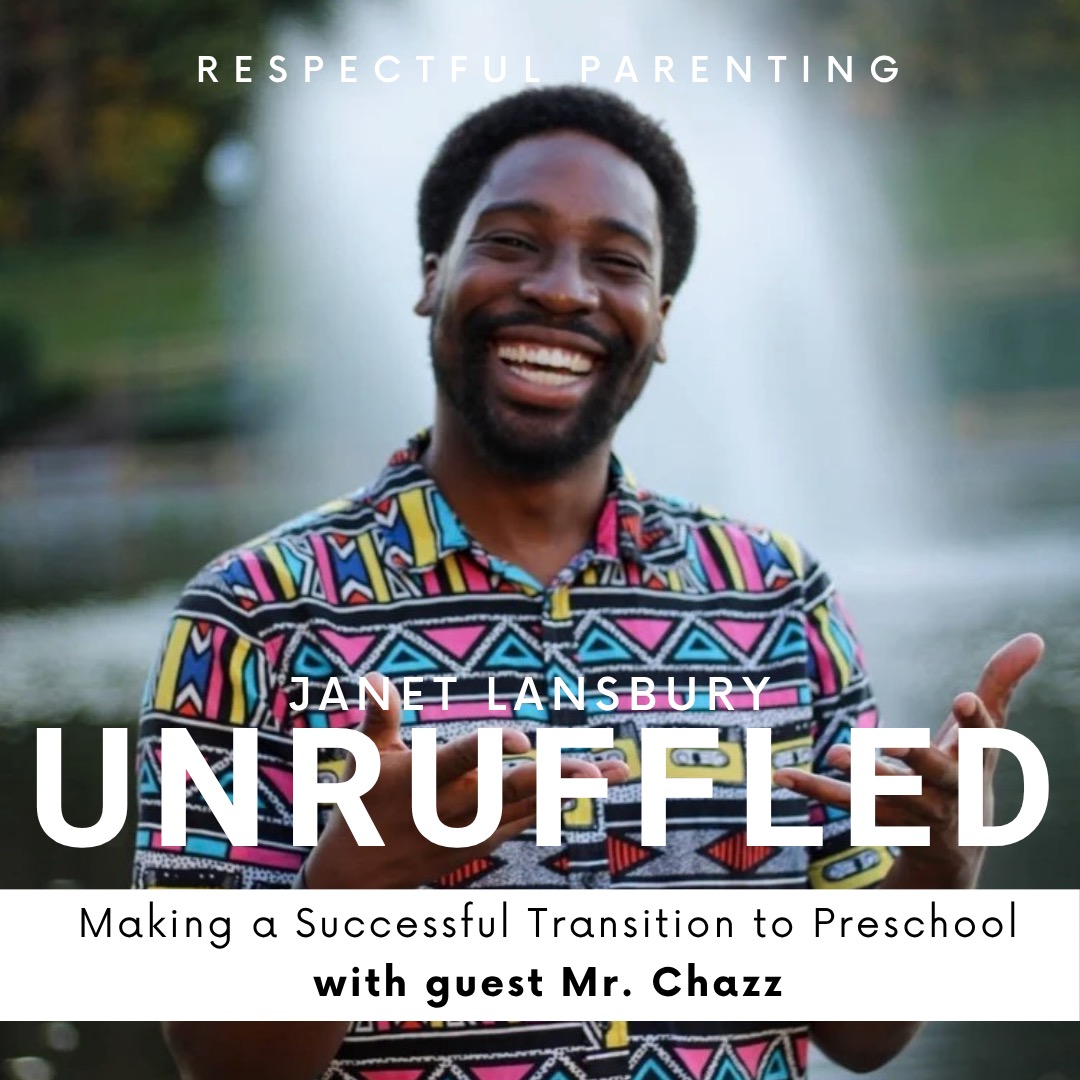
Renowned educator Mr. Chazz, celebrated for his insightful approach to child development, recently joined host Janet Lansbury on her podcast to discuss the critical process of transitioning children into preschool or childcare settings. The conversation, occurring during a peak season for school enrollment, highlighted Mr. Chazz’s innovative strategies for fostering trust and connection during separation, a core philosophy behind his newly established learning and childcare center, Birdhouse, in Brooklyn.
The interview provided a deep dive into both the ideal environment Mr. Chazz aims to cultivate and practical advice for navigating more traditional childcare systems. His critique of conventional drop-off and pick-up procedures, which he argues often prioritize adult convenience over child well-being, set the stage for his alternative approach.
The Vision Behind Birdhouse: Prioritizing Educators and Connection
Mr. Chazz, affectionately known as "America’s Favorite Teacher," detailed the foundational principles of Birdhouse, a center designed to be a model for early childhood education. A key innovation is housing the head teacher in an apartment above the school. This arrangement, Mr. Chazz explained, alleviates financial burdens for educators, allowing them to operate from a place of security rather than survival. "Any parent can very much relate that it is much harder to care for children when you are not cared for yourself," he stated, underscoring the direct correlation between educator well-being and the quality of care provided. This model aims to combat the high turnover rates prevalent in the early childhood education sector, a persistent issue contributing to instability for children and families. Data from the National Association for the Education of Young Children (NAEYC) has consistently pointed to low wages and demanding working conditions as primary drivers of this turnover, impacting the continuity of care essential for young learners.
Lansbury affirmed the significance of this approach, noting its potential to foster deep commitment among staff. "You’re encouraging a feeling of commitment to being a teacher there," she observed, linking it to the provision of consistent care that parents deeply value. This commitment, she suggested, is crucial for creating a stable and nurturing environment for children.
Redefining "Drop-Off" and "Pick-Up" as "Arrival" and "Reunion"
A central theme of the discussion was Mr. Chazz’s reframing of the daily separation process. He proposed shifting the terminology from "drop-off" and "pick-up" to "arrival" and "reunion." This linguistic change, he emphasized, is more than semantic; it reflects a fundamental shift in the philosophy of engagement.
"Instead of it being this quick drop-off and pick-up, we wanted to focus more on the connection aspect of all of this," Mr. Chazz explained. At Birdhouse, the "arrival" period is dedicated to integration and connection, allowing children and parents to ease into the school day. This involves a structured routine, visually represented by a simple chart, that guides families through a series of steps:
- Connection Moment: A brief, personalized interaction with Mr. Chazz or another staff member, such as a high-five, hug, or fist bump. This moment is adaptable to each child’s comfort level, with the option to "pass" if a child isn’t ready for direct engagement.
- Stow Belongings: Children are guided to put away their coats and bags in their designated hooks or cubbies.
- Shoe Transition: In keeping with sanitation practices in urban environments like New York City, children remove their outdoor shoes and place them on designated shoe prints, transitioning to indoor footwear or going barefoot for play.
- Hand Washing: Parents assist their children in washing their hands, a practical step that also signifies the transition into the school environment.
- Pre-Departure Connection: A final, meaningful moment between parent and child before separation, which could range from a hug and kiss to a short, playful interaction.
This deliberate approach, Mr. Chazz noted, takes more time than a hurried exit but fosters a sense of safety and connection, enabling children to more readily engage in learning and play.
Building Trust: The Role of Pre-Enrollment Engagement
To further ease the transition, Birdhouse offers a program where children and their parents can visit the center for a week or two prior to the official start date. This allows children to acclimate to the space, build rapport with the "safekeepers" (a term Mr. Chazz prefers over "teachers"), and establish a sense of familiarity. "If the child does have a hard time when the parent leaves, they have a safe person to go to," he stated. This pre-emptive connection is crucial for helping children navigate the emotional complexities of separation.
Lansbury inquired about the duration of these pre-enrollment visits, and Mr. Chazz clarified that typically the focus is on the arrival time (9:00-9:30 AM). This allows children to observe the routine, witness other children’s goodbyes, and begin to feel connected and safe with the educators. He acknowledged that even with these preparations, tears can still occur. However, the key difference, he emphasized, is that children then have a trusted adult to turn to for comfort and support, facilitating their co-regulation and integration into the school community.
The Art of Observation and Connection in the Classroom
Mr. Chazz elaborated on how educators at Birdhouse build individual connections with children. Recognizing that young children can be cautious upon entering a new environment, the staff avoids pressuring them. Instead, they practice attentive observation, identifying a child’s interests and responding to them. "I look for little moments of things that they’re interested in that they want to play, and then I notice those things too," he shared. This might involve offering a toy that catches a child’s eye or acknowledging their verbalizations, making them feel "seen and understood." These small, responsive interactions are foundational for building trust and curiosity.
Leveraging Technology for Professional Development
Birdhouse utilizes cameras not for surveillance, but as a powerful tool for reflection and learning among its staff. Mr. Chazz explained that footage of interactions can be shared with educators to discuss strategies and identify areas for growth. This approach fosters a culture of continuous improvement and mutual support, acknowledging that mistakes are part of the learning process for both children and adults. "We use cameras as reflection, as really powerful learning opportunities," he stated. This method aligns with research on reflective practice in education, which has shown to enhance teacher effectiveness and student outcomes.
The Power of Receptivity Over Action
Lansbury highlighted a common misconception in connecting with children: the tendency to "do something" to entertain or impress them, rather than being receptive to their cues. She stressed the importance of stillness, observation, and reflecting a child’s interests back to them. This approach, she noted, is often underestimated due to an underestimation of children’s inner lives. Mr. Chazz agreed, describing this receptive stance as the "most powerful way to connect, especially with young kids." He likened it to the experience of feeling truly understood by another person, creating a profound sense of connection.
Navigating Difficult Emotions and Disappointment
The conversation also addressed the inevitable challenges, such as when a child is distressed by a parent’s departure, especially if other parents are staying. Mr. Chazz acknowledged the emotional complexity for all involved – parents feeling guilt, children experiencing disappointment, and educators managing the situation. He recounted an instance where a child cried throughout circle time, and how the educators responded by acknowledging the child’s feelings and encouraging the group to "take a deep breath for so-and-so." This approach, he explained, not only supports the distressed child but also teaches the other children about emotional regulation and empathy.
This incident served as a powerful illustration of how difficult moments can become valuable learning experiences for everyone present, including parents who witness the calm and regulated response. Mr. Chazz emphasized that these challenging situations are not failures but opportunities for growth, provided caregivers maintain a helpful mindset and utilize their skills.
The Value of Visual Aids and Role-Playing
For parents whose children attend more traditional centers that may not offer extensive pre-enrollment access, Mr. Chazz recommended creating a simple visual routine card. This left-to-right sequence of images can help children understand the steps involved in the arrival process, reducing friction and providing a sense of predictability. He also suggested creating a "storybook" of the school, using photos of the environment and activities to build excitement and familiarity.
Role-playing the entire routine at home, from greeting to saying goodbye, was another key strategy proposed. This practice, akin to rehearsing before a game, prepares children for the actual experience and can help them express potential concerns, such as reluctance about naptime. Mr. Chazz stressed the importance of honesty rather than forced enthusiasm, acknowledging that children may not be excited about every aspect of school. This openness allows for problem-solving and collaboration with teachers.
Understanding Teacher-Child Dynamics and Individual Needs
Mr. Chazz underscored that the initial weeks in a new program are a critical period for teachers to learn about each child’s unique "codes," personalities, and home routines. He encouraged parents to share detailed information about their child, including preferences for naptime or specific comfort items, as this information is invaluable for educators. "There’s never too much detail," he asserted, explaining how such information can help resolve unexpected challenges, like a child becoming distressed due to a forgotten comfort object.
He also highlighted the challenges of attunement in larger group settings. It becomes significantly more difficult for educators to notice and respond to individual children’s needs when managing a larger number of students. This is a key factor in the importance of maintaining manageable group sizes in early childhood settings to ensure adequate individual attention.
The Profound Reward of Classroom Teaching
Despite his success in public speaking and broader educational outreach, Mr. Chazz reaffirmed his commitment to hands-on classroom teaching. He described it as "a mile deep" experience, offering unparalleled rewards compared to a "mile wide" approach. The emotional labor involved is significant, but the direct impact on children and families is deeply fulfilling. He expressed a profound love for teaching children, stating, "I personally wouldn’t trade it for anything."
Lansbury resonated with this sentiment, sharing her own longing for direct teaching after focusing on writing and other endeavors. She described the continuous learning and the profound life lessons imparted by children as a unique and rewarding aspect of the profession.
Celebrating Successes and Sustaining Resilience
Mr. Chazz concluded by emphasizing the importance of acknowledging and appreciating the moments when hard work in teaching pays off. He recounted a personal experience where a child’s aggressive behavior shifted after his words helped the child feel understood. These small victories, he believes, are often overlooked but are essential for maintaining motivation and resilience in a demanding field. He urged both educators and parents to focus on these positive outcomes, as celebrating successes can foster a belief in their ability to navigate challenges and create more positive experiences.
This perspective extends to the parent’s belief in their child’s capacity to handle separation. Even when a child is upset, the belief that they can manage these feelings, with the support of a safe and understanding educator, is crucial. Mr. Chazz articulated that a child’s distress during separation is not a weakness but a testament to their deep love and connection with their primary caregivers, a strength that is fundamental to their development.
The conversation between Janet Lansbury and Mr. Chazz offered a comprehensive and compassionate guide to navigating the often-challenging transition to preschool, emphasizing the profound impact of trust, connection, and understanding in fostering positive early childhood experiences.
