

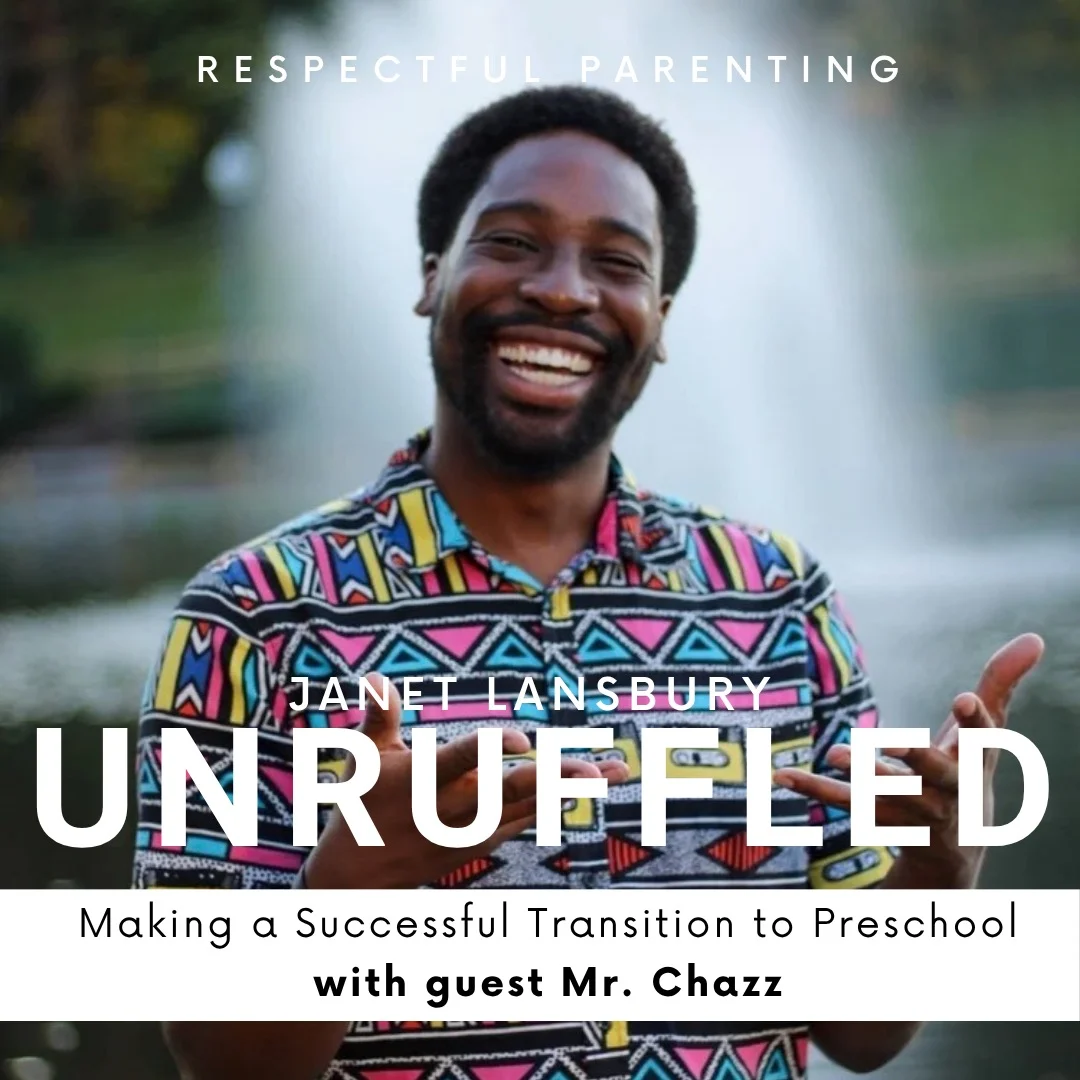
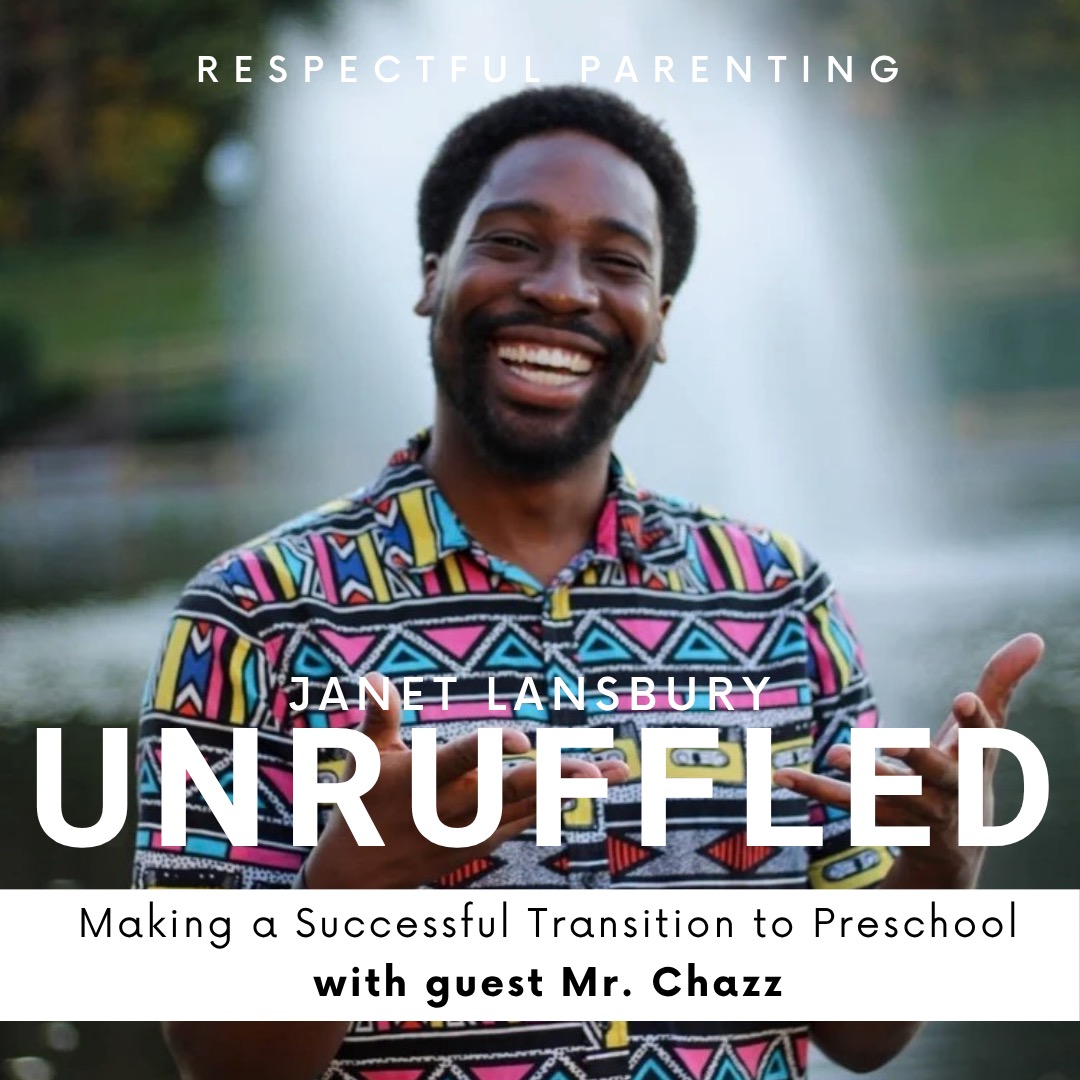
Iconic educator Mr. Chazz, known for his engaging presence on social media platforms like TikTok and Instagram, recently joined host Janet Lansbury on her podcast to discuss the critical process of transitioning children into preschool and childcare settings. The conversation, which aired on October 5, 2025, offered practical advice for both parents and educators, emphasizing the foundational role of trust and connection in fostering confident separations. Mr. Chazz, a respected voice in early childhood education, shared insights from his experience, including the innovative approach taken at his newly established childcare center, Birdhouse, in Brooklyn.
The Significance of Early Childhood Transitions
The period of transitioning a child into a preschool or childcare environment is a pivotal moment for families. It marks a significant step in a child’s social and emotional development, requiring careful navigation to ensure a positive experience. Research consistently highlights the impact of early experiences on long-term educational outcomes and overall well-being. A smooth transition can foster a sense of security, encourage social interaction, and lay the groundwork for a lifelong love of learning. Conversely, a difficult or poorly managed transition can lead to anxiety, behavioral challenges, and a negative perception of educational settings.
Mr. Chazz, whose genuine warmth and expertise have garnered a substantial following, articulated a vision for early childhood education that prioritizes the needs of the child and the well-being of educators. He noted that, in his experience, "99% of childcare centers, the way they do the transition is not ideal." This statement underscores a systemic issue within many early childhood programs, where logistical convenience for adults can sometimes overshadow the emotional and developmental needs of young children.
Birdhouse: A Model for Supportive Early Childhood Care
A key focus of the discussion was Mr. Chazz’s new venture, Birdhouse, an in-home childcare facility in Brooklyn. This center represents a deliberate departure from traditional models, designed to create an environment that nurtures both children and the educators who care for them.
Prioritizing Educator Well-being
One of Birdhouse’s most innovative features is its commitment to supporting its staff. The head teacher resides in an apartment above the school, a practical solution aimed at alleviating financial burdens and reducing the "survival state" that many educators experience. Mr. Chazz explained, "Any parent can very much relate that it is much harder to care for children when you are not cared for yourself." This philosophy recognizes that the quality of care children receive is directly linked to the well-being and professional satisfaction of their teachers.
The high turnover rate in early childhood education is a well-documented challenge. A 2023 report by the National Association for the Education of Young Children (NAEYC) indicated that staff turnover rates in early childhood programs can exceed 30% annually, impacting program consistency and continuity for children and families. Birdhouse’s model, by investing in its educators, aims to foster a sense of commitment and dedication, thereby ensuring greater stability for the children in its care.
Rethinking Arrival and Reunion
Central to Birdhouse’s approach to transitions is a reframing of the typical "drop-off" and "pick-up" procedures. Mr. Chazz advocates for using the terms "arrival" and "reunion" to emphasize connection and belonging.
"Instead of it being this quick drop-off and pick-up, we wanted to focus more on the connection aspect of all of this," Mr. Chazz stated. This involves a structured arrival process designed to integrate children and parents into the classroom community. The process includes:
- A Moment of Connection: This can range from a high-five or hug to a more individualized greeting, tailored to each child’s preference. This initial connection with Mr. Chazz or other "safekeepers" (as the teachers are called) helps children feel seen and welcomed.
- Putting Away Belongings: Children are guided to place their belongings in their designated hooks or cubbies, fostering a sense of responsibility and order.
- Transitioning to Indoor Shoes: A practical step in the New York setting, this ritual further signals a transition into the school environment.
- Hand Washing: A communal activity that reinforces hygiene and provides another opportunity for connection.
- Parental Connection: Before leaving, parents are encouraged to engage in a brief, meaningful connection with their child, reinforcing their bond.
This deliberate, multi-step arrival process, supported by visual aids like routine cards, provides children and parents with a clear roadmap, reducing anxiety and promoting a sense of control.
Navigating Traditional Early Childhood Settings
While Birdhouse offers an ideal model, Mr. Chazz acknowledged that many parents must navigate more traditional childcare settings. He offered strategies for these situations, emphasizing the importance of proactive preparation and communication.
The Power of Visual Routines and Role-Playing
For parents whose children attend centers that do not allow extended arrival periods, Mr. Chazz recommended creating a "visual routine card" at home. This simple, left-to-right sequence of pictures depicting the steps of arrival (greeting, putting away belongings, washing hands, saying goodbye) can significantly aid children in understanding and following the transition process.
"The kids look for that too," Mr. Chazz explained, detailing how these visual aids empower children to take ownership of the routine. He also strongly advocated for role-playing the entire school arrival and separation process at home. This "practice before the game" can demystify the experience and equip children with a sense of familiarity and confidence.
Open Communication and Collaboration with Educators
Mr. Chazz stressed the importance of parents providing detailed information about their child to teachers, especially during the initial adjustment period. He noted that in a group setting, educators are tasked with understanding the unique needs of multiple children simultaneously. Providing insights into a child’s preferences, routines, and potential challenges (such as naptime rituals or specific comfort items) can greatly assist teachers in building rapport and providing tailored support.
"For me, there’s never too much detail," Mr. Chazz emphasized. He shared an anecdote about a child who struggled at naptime until it was discovered that her beloved stuffed bunny, crucial for her sleep routine, had been forgotten. This highlights how seemingly small details can have a significant impact on a child’s comfort and ability to adapt.
Understanding and Managing Big Emotions
A significant portion of the conversation focused on addressing the inevitable emotional responses children experience during separations. Mr. Chazz and Ms. Lansbury discussed the importance of validating these emotions rather than trying to suppress them.
The Role of "Safekeepers" in Co-Regulation
Mr. Chazz explained how Birdhouse’s "safekeepers" are trained to be present and supportive when children experience distress. Rather than immediately trying to "fix" the crying, they aim to help the child move through their feelings by offering a safe presence and gentle reassurance. This process, known as co-regulation, is crucial for teaching children how to manage their emotions.
"The difference is that the child cries and they often come to us for comfort and safety and we’re able to help them work through that because they already feel safe and connected with us," Mr. Chazz stated. He recounted a powerful example of a child who cried throughout circle time. Instead of ignoring the emotion, the class acknowledged it, took a collective deep breath for the child, and learned valuable lessons about empathy and emotional regulation.
Shifting Perspective: From Blame to Understanding
Both Mr. Chazz and Ms. Lansbury encouraged a shift away from self-blame or blaming the child when difficult emotions arise. They posited that a child’s sadness or distress during separation is not a reflection of parental inadequacy but rather a testament to the strength of the parent-child bond.
"It’s a nice thing that they love us that much. It’s not a weakness in them, it’s a strength," Ms. Lansbury remarked. Mr. Chazz added, "They’re loving deeply and they have a strong connection with their number one and their number two person in the world. It makes sense." This perspective reframes separation anxiety not as a problem to be eliminated, but as a natural and even healthy expression of love and connection.
The Enduring Rewards of Early Childhood Education
The conversation concluded with a reflection on the profound rewards and challenges of working in early childhood education. Mr. Chazz spoke passionately about his decision to return to the classroom, prioritizing deep engagement with children over broader speaking engagements.
"There’s absolutely nothing more rewarding than being with my kids day in and day out and supporting them and practicing my skills and supporting the parents and teaching the parents," he shared. This dedication to direct interaction with children underscores the belief that true impact in early childhood education comes from consistent, empathetic presence and a commitment to continuous learning and growth.
Ms. Lansbury echoed this sentiment, expressing her own longing for direct teaching experience and highlighting the immense learning that occurs through daily interactions with children. The exchange served as a powerful reminder of the vital role early childhood educators play in shaping young lives and the importance of supporting them in their challenging yet deeply fulfilling work. The insights provided by Mr. Chazz offer a valuable roadmap for parents and educators seeking to create more positive and supportive transitions into the preschool environment.
