

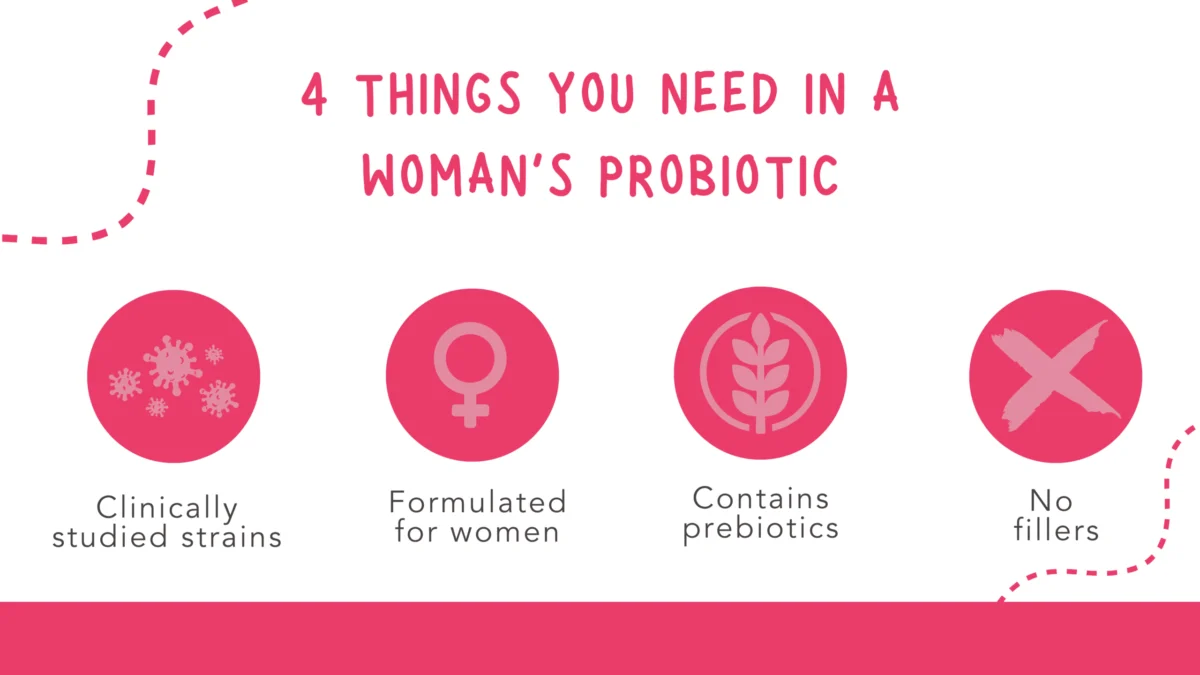
The global probiotic market, valued at approximately $60 billion in 2023 and projected to reach over $100 billion by 2030, has moved from the fringes of health food stores into the center of mainstream clinical discourse. As consumers face an increasingly complex array of shelf-stable, refrigerated, and high-CFU (Colony Forming Unit) formulations, medical professionals and nutritional scientists are emphasizing a shift from generalized supplementation to strain-specific applications. The modern understanding of the human microbiome—the trillions of microorganisms residing primarily in the digestive tract—suggests that the efficacy of a probiotic is not determined by volume alone, but by the precise alignment of bacterial strains with the host’s specific physiological requirements.
The Evolution of Microbiome Science and Market Proliferation
The utilization of beneficial bacteria is not a new phenomenon; fermented foods have been staples of human diets for millennia. However, the formalization of "probiotics"—defined by the World Health Organization (WHO) as live microorganisms that, when administered in adequate amounts, confer a health benefit on the host—has undergone a radical transformation over the last two decades. The completion of the Human Microbiome Project (HMP) in 2012 provided the foundational data necessary to understand how specific microbial imbalances, or dysbiosis, correlate with chronic conditions ranging from irritable bowel syndrome (IBS) to clinical anxiety.
In the current commercial landscape, the sheer variety of products often leads to "choice paralysis" among consumers. Industry data indicates that while over 25% of American adults consume probiotics, a significant majority do not understand the distinction between genera, species, and strains. This knowledge gap has prompted a movement toward "precision probiotics," where the selection process is guided by clinical evidence rather than marketing claims regarding CFU counts.
Defining Health Objectives: The Prerequisite for Efficacy
Journalistic analysis of the supplement industry reveals that the most common cause of "probiotic failure"—where a consumer perceives no benefit—is the mismatch between the supplement and the health goal. Clinical researchers categorize probiotic benefits into several primary domains: digestive regularity, immune system modulation, urogenital health, and the burgeoning field of psychobiotics (mental health).
To achieve therapeutic outcomes, practitioners suggest that individuals must first identify their primary "health driver." Whether the goal is to mitigate the side effects of antibiotic therapy, manage symptoms of a chronic digestive disorder, or support the immune system during seasonal shifts, the selection of the bacterial strain must be intentional.
Strain Specificity: Matching Symptoms to Microbial Profiles
The efficacy of a probiotic is strain-specific. For example, while the genus Lactobacillus is generally associated with gut health, only specific strains within that genus have been proven to impact vaginal health or mood.
Digestive Health and Gastric Homeostasis
For individuals suffering from bloating, gas, and irregular bowel movements, the focus typically shifts to strains that enhance enzyme production and mucosal barrier function.
- Lactobacillus acidophilus: One of the most researched strains, it is known for producing lactic acid and lactase, which aids in the digestion of dairy and inhibits the growth of pathogenic bacteria.
- Bifidobacterium lactis: Frequently cited in clinical trials for its ability to decrease "gut transit time," thereby alleviating constipation and improving overall regularity.
- Lactobacillus plantarum: Noted for its resilience in the GI tract, this strain is often used to reduce inflammation in the gut lining, which can significantly decrease perceived bloating.
Urogenital and Vaginal Health
Women’s health represents one of the fastest-growing sectors of the probiotic market. The vaginal microbiome is dominated by Lactobacillus species, which maintain an acidic pH to prevent the overgrowth of yeast and harmful bacteria.
- Lactobacillus rhamnosus: Extensively studied for its ability to colonize the vaginal tract even when taken orally, it serves as a primary defense against bacterial vaginosis (BV).
- Lactobacillus reuteri: This strain produces reuterin, a potent antimicrobial substance that helps maintain a balanced urogenital flora.
Immune Modulation and Systemic Resilience
Approximately 70% to 80% of the human immune system is located in the gut-associated lymphoid tissue (GALT). Probiotics interact with dendritic cells and T-cells to calibrate immune responses.
- Bifidobacterium longum: This strain is recognized for its role in strengthening the intestinal barrier, preventing "leaky gut" syndrome, and modulating the body’s inflammatory response.
- Lactobacillus casei: Research suggests this strain can enhance the activity of natural killer (NK) cells and improve the body’s response to viral pathogens.
The Gut-Brain Axis and Mental Wellness
The emergence of "psychobiotics" has highlighted the bidirectional communication between the gut and the brain via the vagus nerve.
- Lactobacillus helveticus: In clinical settings, this strain has demonstrated the capacity to reduce cortisol levels and alleviate symptoms of stress and anxiety.
- Bifidobacterium breve: Studies indicate that this strain may support cognitive function and mood regulation by influencing the production of neurotransmitters like serotonin and GABA.
Quality Metrics: Potency, Purity, and Survivability
As the Food and Drug Administration (FDA) regulates probiotics as dietary supplements rather than drugs, the responsibility for quality assurance often falls on the manufacturer and third-party auditors. For a probiotic to be effective, it must meet several technical criteria:
- Colony Forming Units (CFUs): While higher is not always better, a range of 10 billion to 50 billion CFUs is generally considered the therapeutic window for healthy adults. However, the "CFU at expiry" is a more critical metric than "CFU at manufacture."
- Bioavailability and Delivery: The human stomach is a highly acidic environment (pH 1.5 to 3.5) designed to kill bacteria. High-quality probiotics utilize enteric coating or specialized delayed-release capsules to ensure the live cultures reach the small and large intestines.
- Stability: The transition from refrigerated-only to shelf-stable probiotics is the result of advanced lyophilization (freeze-drying) technology. Shelf-stable products are often preferred for their convenience, provided they are packaged in moisture-resistant, light-blocking containers.
- Third-Party Verification: Labels such as NSF International, USP, or Non-GMO Project Verified provide an objective layer of security regarding the purity of the product and the absence of undeclared fillers or allergens.
The Role of Prebiotics and Synbiotics in Microbiome Colonization
The latest advancement in gut health is the move toward "synbiotics"—formulations that combine probiotics (live bacteria) with prebiotics (non-digestible fibers that serve as fuel for the bacteria). Common prebiotics include Inulin, Fructooligosaccharides (FOS), and Galactooligosaccharides (GOS).
Scientific analysis suggests that synbiotics may offer a competitive advantage, as the prebiotic "starter kit" allows the introduced probiotic strains to colonize the gut more effectively. However, clinical experts warn that individuals with Small Intestinal Bacterial Overgrowth (SIBO) or extreme sensitivity should introduce prebiotics gradually, as they can initially exacerbate gas and bloating.
Clinical Chronology and the Future of Probiotic Therapy
The timeline of probiotic development highlights a rapid acceleration of technology:
- 1907: Elie Metchnikoff proposes that consuming fermented milk could "seed" the gut with beneficial bacteria to prolong life.
- 1990s: The first standardized probiotic supplements enter the Western market, primarily focusing on Lactobacillus acidophilus.
- 2001: The WHO/FAO establishes the first official guidelines for the evaluation of probiotics in food.
- 2010-2020: Genomic sequencing allows for the identification of specific strains (e.g., L. rhamnosus GG vs. L. rhamnosus HN001), leading to targeted therapies.
- 2024 and Beyond: The industry is moving toward "Next-Generation Probiotics" (NGPs), involving commensal bacteria that were previously impossible to culture, such as Akkermansia muciniphila.
Industry Response and Product Innovation
In response to these scientific demands, companies are refining their formulations to meet specific demographic needs. An example of this trend is the development of women-specific probiotics, such as those produced by Mama Natural. These products often feature a multi-strain approach (often 10 or more strains) with a 50 billion CFU count, specifically incorporating Lactobacillus species that support both digestive and vaginal microbiomes. By removing common allergens like gluten, soy, and dairy, and utilizing shelf-stable technology, these manufacturers are addressing the primary barriers to consumer consistency.
Implications for Public Health and Lifestyle Integration
While probiotics are a powerful tool, medical professionals maintain that they are most effective when integrated into a broader "gut-friendly" lifestyle. This includes a diet rich in diverse plant fibers, adequate hydration, stress management, and the judicious use of antibiotics.
The broader implications of this research are significant. As the medical community continues to uncover the links between the microbiome and chronic disease, the strategic use of probiotics may become a standard component of preventative medicine. However, the current consensus emphasizes that consumers must move beyond the "more is better" mentality and adopt a "right strain for the right reason" approach.
By prioritizing transparency, strain-specific data, and high-quality delivery systems, the probiotic industry is poised to move from a trend-driven market to a foundational pillar of evidence-based wellness. The ultimate goal is a personalized approach to health where the microbiome is nurtured as a vital organ, essential for systemic immunity, hormonal balance, and mental clarity.
