

The Psychology of Ritual in Academic Transitions
The re-entry into a school environment is often characterized by heightened cortisol levels in both children and parents. Psychological studies into family dynamics suggest that the implementation of "rites of passage" or predictable rituals can significantly lower these stress markers. Experts in child development note that when children anticipate specific, positive activities associated with a major change, their brain reinterprets physiological arousal from "anxiety" to "excitement."
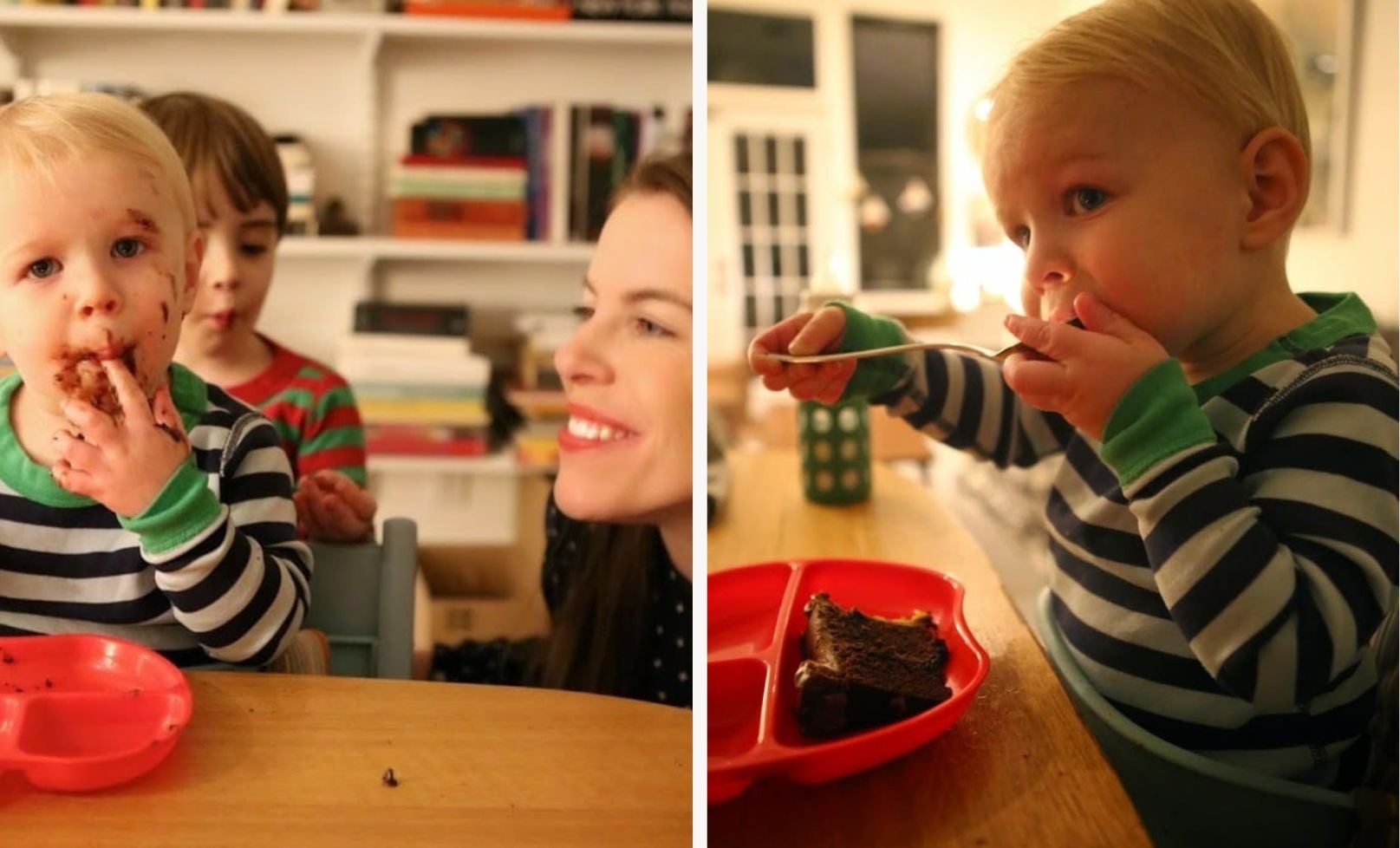
One such ritual involves the preparation of specific culinary items, such as home-baked muffins, for the first day of classes. Utilizing recipes that incorporate familiar ingredients—such as zucchini with chocolate chips or apple cider—serves a dual purpose. Nutritionally, a substantial breakfast provides the glucose necessary for cognitive function during the first-day assessments. Emotionally, the act of baking creates a sensory-rich environment that reinforces a sense of domestic stability.
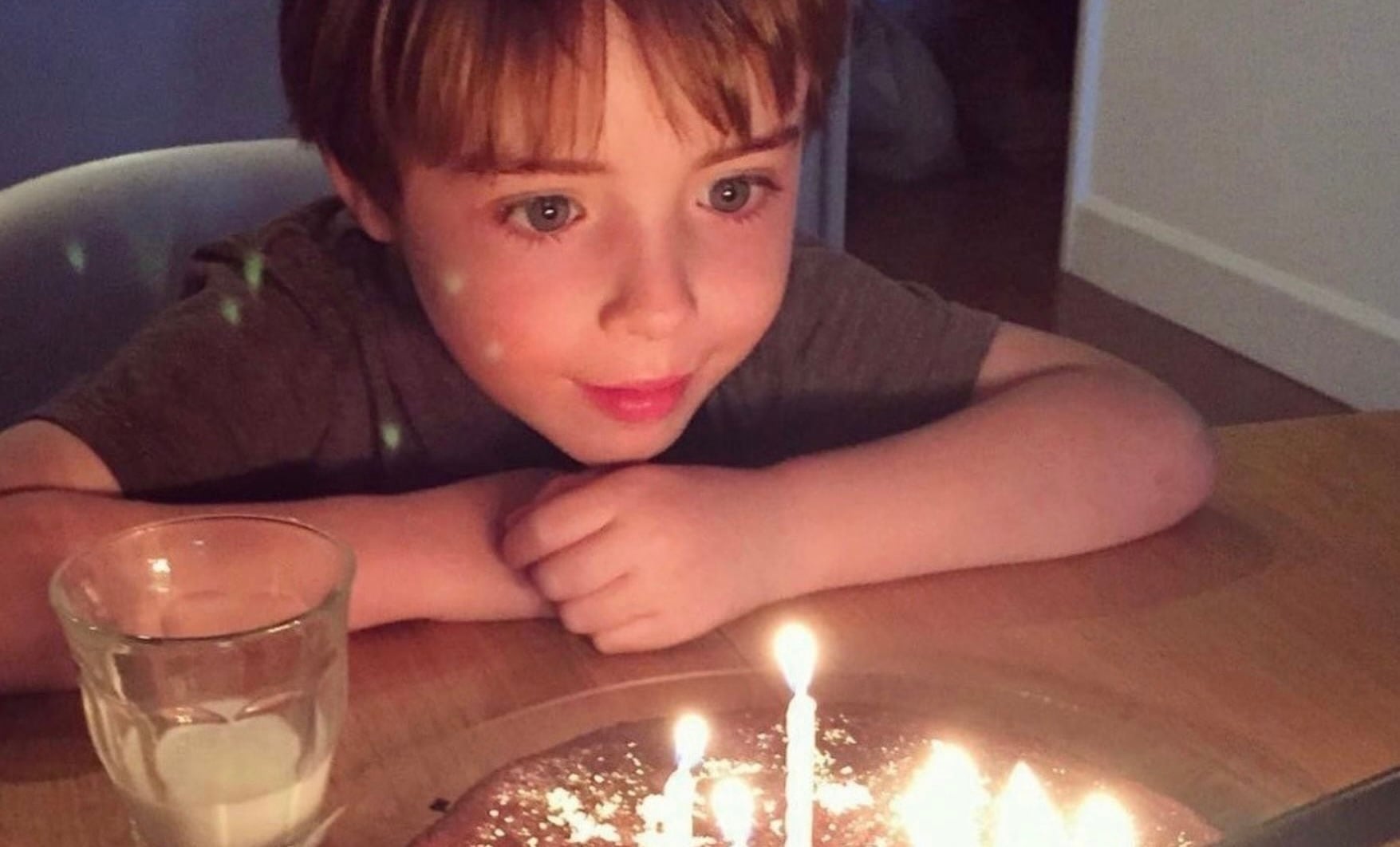
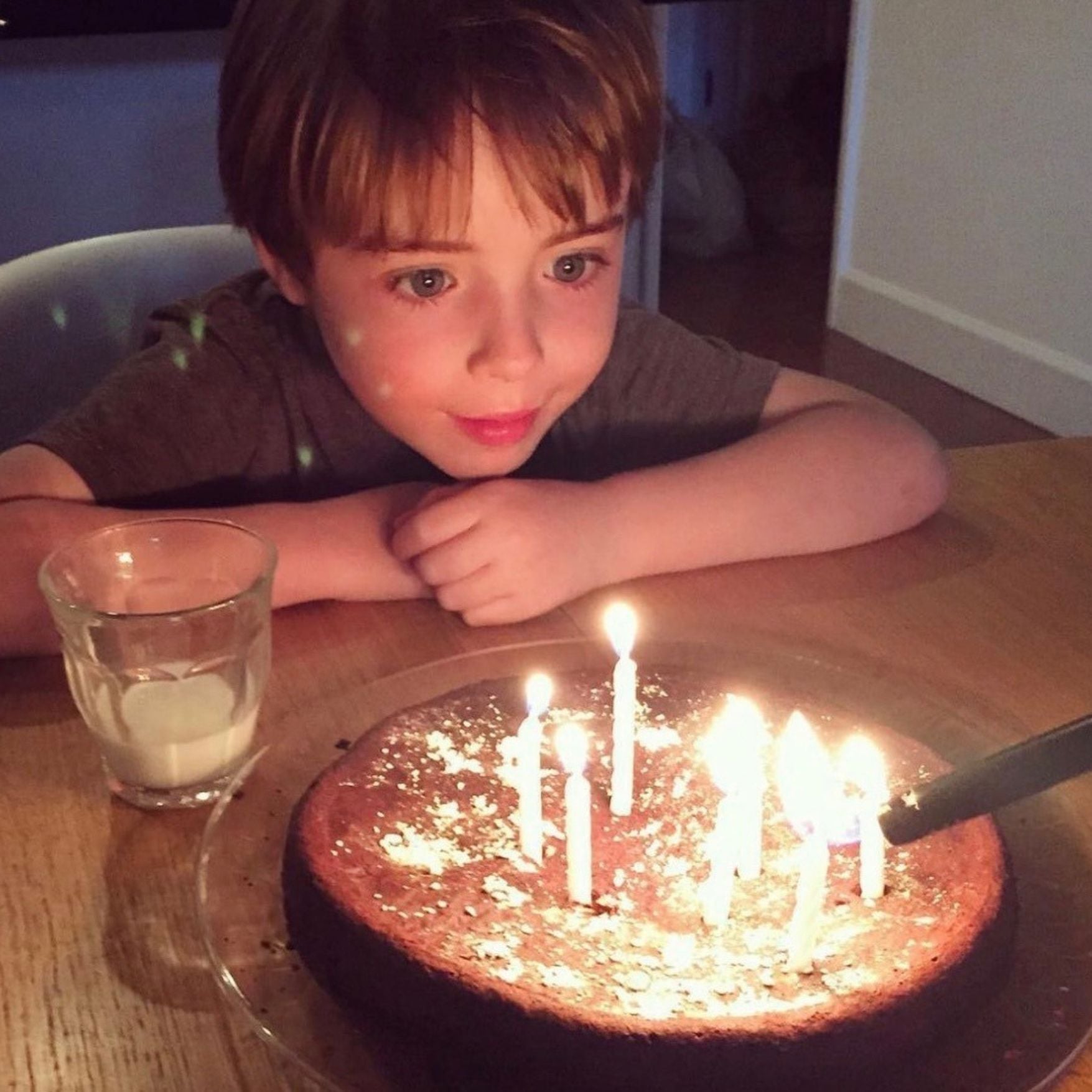
Furthermore, the introduction of a celebratory event on the evening preceding the first day, such as serving a "back-to-school cake," functions as a symbolic closing of the summer chapter. Lighting candles for children to blow out allows them to externalize their intentions for the coming year. This practice, observed by long-term caregivers, has been noted to shift the household atmosphere from one of trepidation to one of celebration, effectively "gamifying" the transition.
Economic Trends and the Logistics of Student Apparel
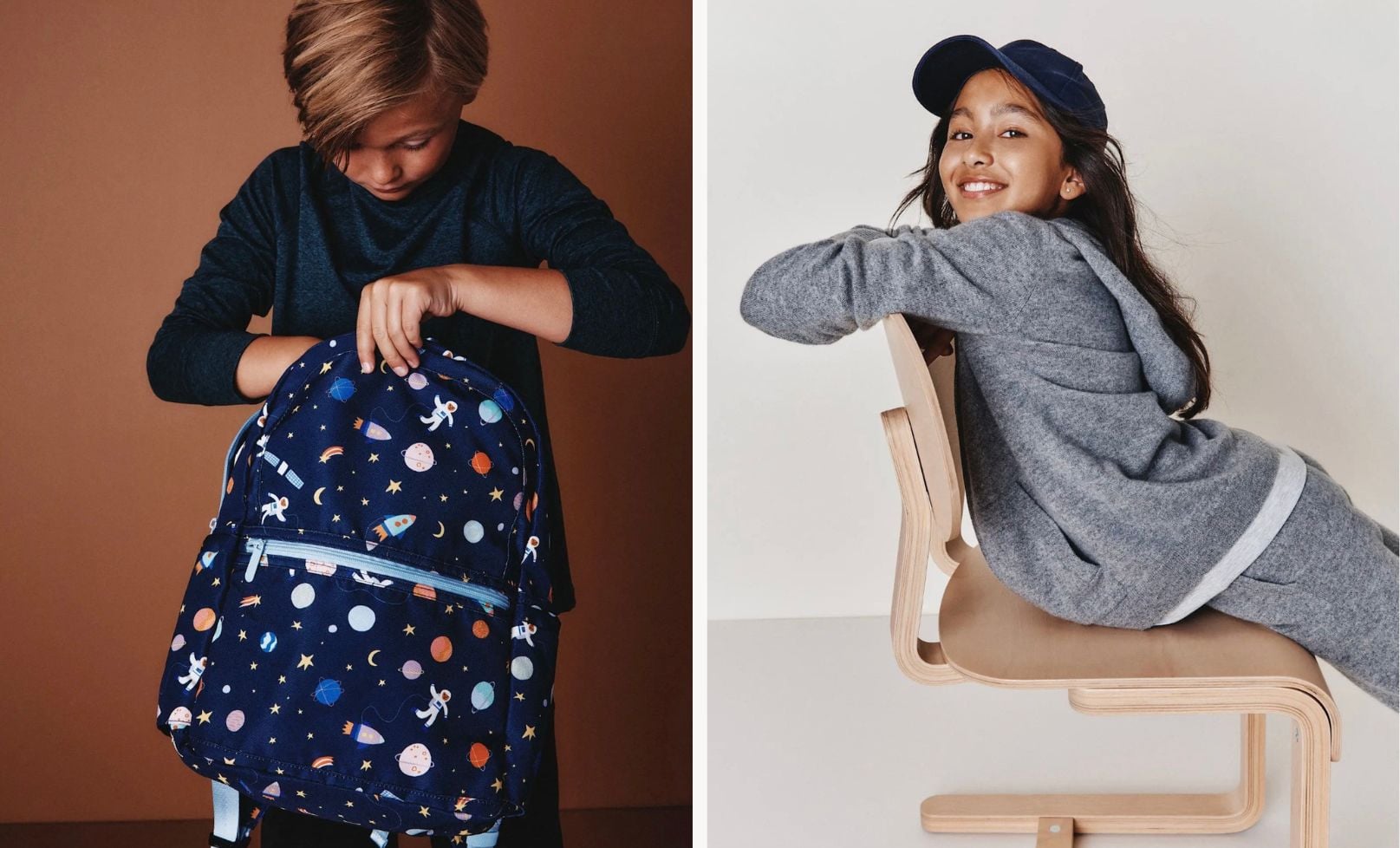
The procurement of school clothing remains a cornerstone of the back-to-school experience, with significant implications for both household budgets and student identity. In recent years, there has been a notable shift in consumer behavior toward "functional minimalism" and high-quality basics. Brands such as Quince have gained market share by offering cotton sweaters, piqué polos, and durable backpacks that prioritize longevity over fast-fashion trends.
Logistical efficiency in large households often hinges on the management of small-scale inventory, specifically hosiery. A common challenge reported by parents is the loss and mixing of socks among siblings of different ages. A strategic solution involves color-coding purchases; for instance, assigning white socks to one child and black socks to another. This method streamlines the laundry process and ensures that students are equipped with necessary apparel without the delays associated with mismatched items during the morning rush.

The economic impact of these purchases is substantial. Industry reports indicate that clothing and accessories account for approximately 25-30% of the average back-to-school budget. As families navigate inflationary pressures, the focus has shifted toward versatile pieces that can withstand the physical rigors of the playground while maintaining a professional appearance suitable for the classroom environment.
Addressing Separation Anxiety Through Bibliotherapy
For younger children entering preschool or kindergarten, the primary challenge of the back-to-school season is separation anxiety. This developmental stage is characterized by the child’s fear of being distanced from their primary caregivers. Educators frequently recommend "bibliotherapy"—the use of literature to help children process complex emotions—as a primary intervention.
A seminal text in this field is The Kissing Hand by Audrey Penn. The narrative, which features a mother raccoon kissing her cub’s palm to provide him with a tangible reminder of her love during school hours, has become a standard tool for parents. By reading such stories in the weeks leading up to the first day, parents can provide children with a vocabulary for their feelings and a "transitional object" or ritual—like the palm-kiss—that they can carry with them into the classroom.
Clinical observations suggest that children who engage in these narrative-driven preparations demonstrate higher levels of resilience and shorter periods of distress upon drop-off. The goal is to reinforce the concept of "object permanence" in a social context: the understanding that the parent-child bond remains intact even when the individuals are physically separated.
Technological Autonomy and Adolescent Development
As students transition into adolescence, their needs shift from physical comfort and parental proximity to digital literacy and autonomy. For teenagers aged 13 to 18, the back-to-school season is an opportunity to practice financial management and personal responsibility. This age group often occupies a "hybrid" space between childhood dependence and adult independence.
Providing teenagers with resources such as Apple Gift Cards allows them to navigate the digital economy within set boundaries. These funds are frequently utilized for:

- Hardware Accessories: Saving for or purchasing AirPods and protective cases.
- Educational Tools: Subscriptions to productivity apps or academic software.
- Entertainment: Purchasing music, movies, or games that facilitate social bonding with peers.
From a developmental perspective, allowing teens to make their own purchasing decisions—even on a small scale—promotes a sense of agency. This is particularly important during the high school years, where students are expected to take increasing ownership of their academic and social lives.
Parental Support Systems and Community Resilience
The focus of the back-to-school season is often placed exclusively on the student; however, the transition has a profound impact on parental mental health. The "school gate" phenomenon, where parents experience a mix of relief and melancholy upon dropping off their children, is a recognized social experience.

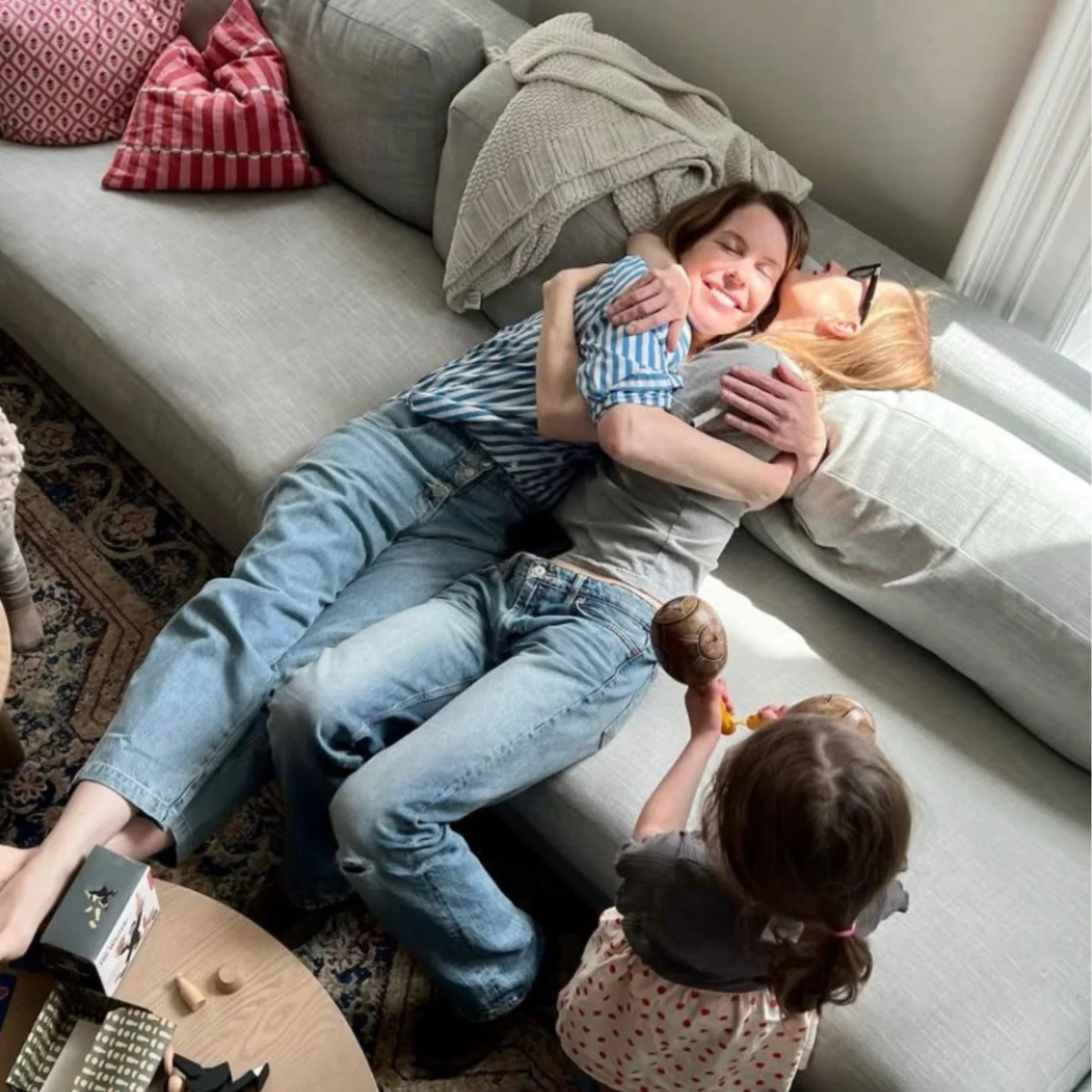
Sociologists emphasize the importance of "peer support networks" for parents. Enlisting a friend—particularly one who has navigated the transitions of older children—to provide emotional check-ins can mitigate the feelings of isolation that some caregivers experience. This communal approach to parenting acknowledges that the labor of raising children is not merely a private endeavor but one that benefits from collective wisdom and empathy.
Chronology of a Successful Back-to-School Transition
To ensure a seamless transition, a chronological approach is typically recommended by educational consultants:
- Three Weeks Prior: Begin adjusting sleep schedules by 15-minute increments to align with school-year wake-up times.
- Two Weeks Prior: Complete the procurement of clothing and stationery. Introduce bibliotherapy for younger children.
- One Week Prior: Establish the "morning muffin" or breakfast routine and finalize transport logistics.
- The Night Before: Conduct the "celebratory cake" ritual and ensure all bags are packed to minimize morning friction.
- The First Day: Execute the planned drop-off ritual and engage with parental support networks for emotional processing.
Broader Impact and Implications for the Future
The strategies employed during the back-to-school season have long-term implications for student success and family stability. By transforming a high-stress period into a series of manageable, positive events, parents lay the groundwork for a productive academic year.
As the educational landscape continues to evolve—with increasing integration of technology and a heightened focus on socio-emotional learning—the fundamental need for ritual and preparation remains constant. The intersection of economic planning, psychological support, and logistical organization defines the modern back-to-school experience. Ultimately, the goal of these seven strategies is to foster an environment where students feel secure, equipped, and motivated to engage with their education, thereby maximizing the return on the significant emotional and financial investments made by their families.
