

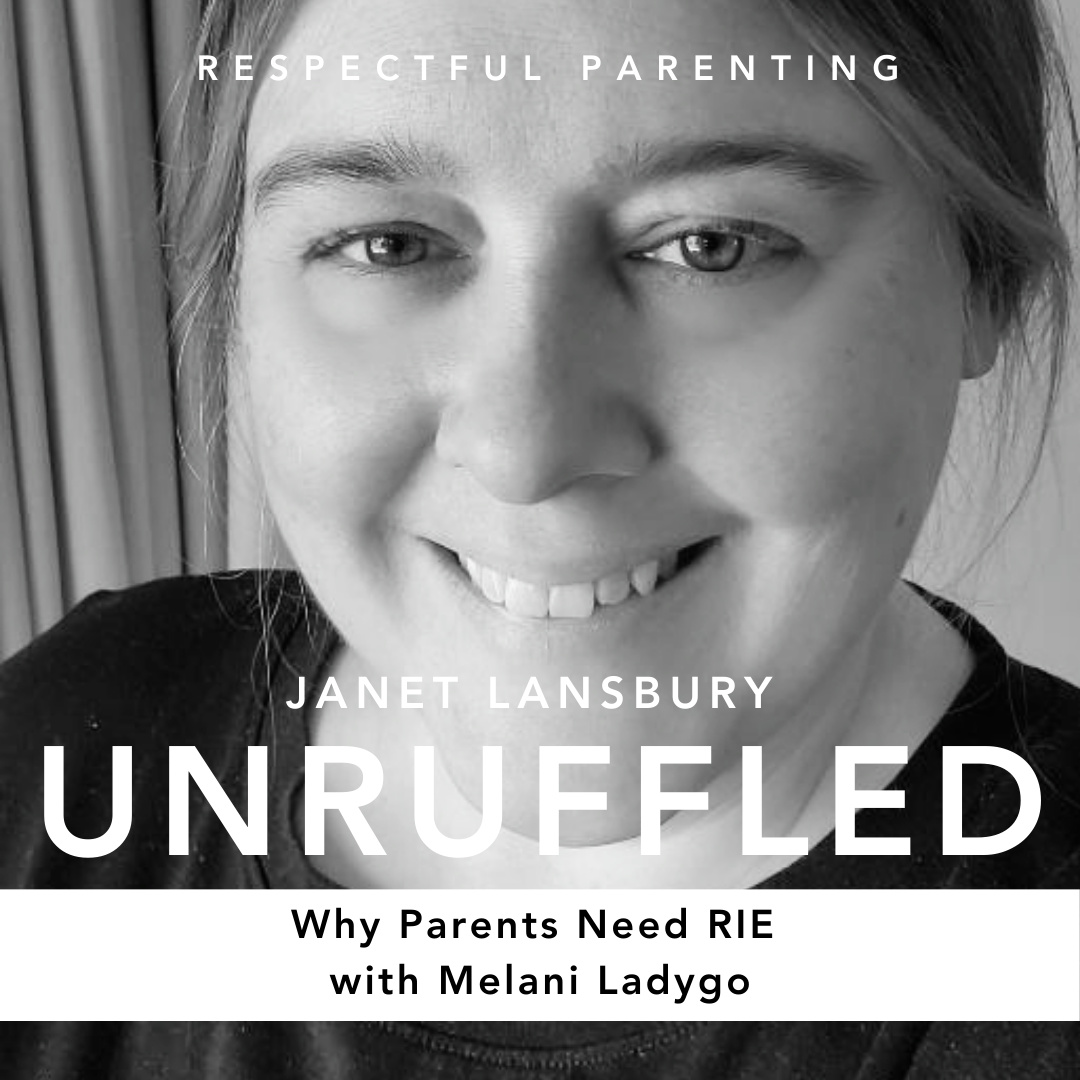
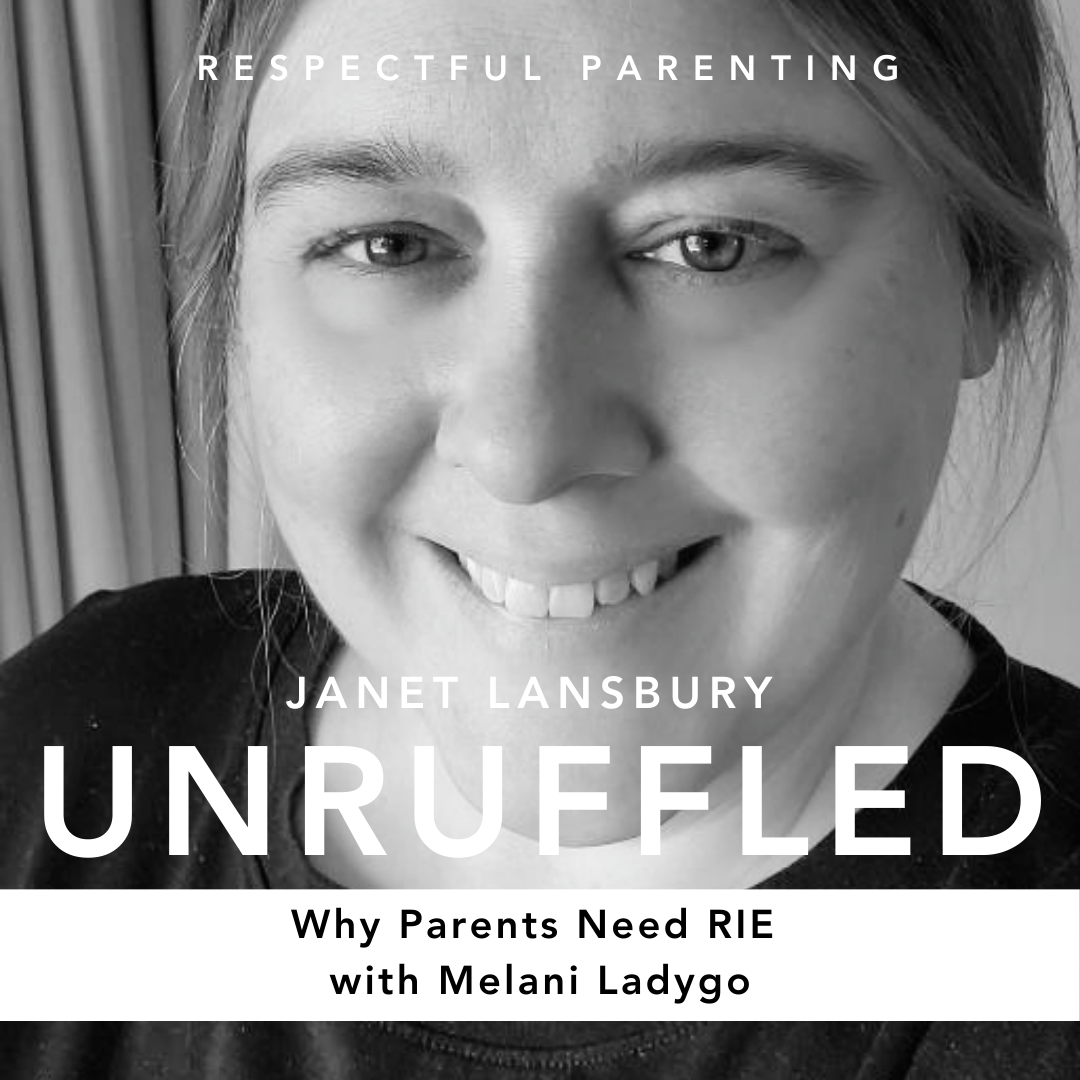
Janet Lansbury, a prominent advocate for respectful parenting, recently sat down with Melani Ladygo, Executive Director of Resources for Infant Educarers (RIE), to explore the profound impact and practical applications of the RIE approach. In a discussion hosted on Lansbury’s podcast, "Unruffled," the two experts delved into the core principles of RIE, aiming to demystify its often-misunderstood philosophy and highlight its transformative benefits for parents and children alike. The conversation, which took place on March 16, 2026, provided a comprehensive overview of RIE’s foundational tenets, emphasizing respectful, reciprocal relationships between caregivers and infants and toddlers.
Understanding RIE: A Philosophy of Respectful Relationships
The RIE approach, founded by Magda Gerber, is rooted in the belief that infants are sentient beings with their own unique perspectives and capabilities. Lansbury, a long-time practitioner and educator inspired by Gerber’s work, described her initial encounter with RIE over three decades ago as "profound and life-changing." Her personal journey with RIE began with her firstborn, where observing her three-month-old revealed a depth of thought and inner life she hadn’t previously recognized in an infant. This realization sparked a desire to understand and connect with her child on a deeper, more authentic level, moving beyond a model of simply stimulating and responding.
Ladygo, who has dedicated years to RIE as its Executive Director and an instructor of RIE parent-infant and toddler classes, echoed Lansbury’s sentiment about the challenge of encapsulating RIE in a brief "elevator pitch." She explained that RIE, an organization dedicated to "Resources for Infant Educarers," aims to equip parents and professionals with the tools to foster respectful and reciprocal relationships with children from birth to two years old. The term "educarer," coined by Gerber, signifies a caregiver who educates through care and cares through education, highlighting the integrated nature of this philosophy.
The Genesis of RIE: From Observation to Practice
Melani Ladygo’s journey into the RIE philosophy began with an interest in child development and the intricacies of early brain development. While initial academic exposure provided a foundational understanding, it was her immersive experience in a RIE-influenced infant program that truly illuminated the practical implications. She recounted instances where gentle corrections from experienced educators shifted her perspective. For example, when she instinctively tried to "help" a baby climb a slide by supporting her feet, a teacher’s insightful question – "How do you think she’s going to feel the next time she tries to go up that slide and you aren’t there?" – prompted a profound realization about the importance of allowing children to experience their own capabilities and challenges. This experience, she explained, fostered a curiosity about the RIE approach, leading her to pursue formal training.
Janet Lansbury further elaborated on this concept of the child’s "point of view." She emphasized that RIE encourages parents to recognize and value their infant’s perspective, fostering a sense of being "seen." This concept resonated with Ladygo, who shared an anecdote from a grocery store encounter during the COVID-19 pandemic. Her frequent purchases of bananas, a common snack in RIE classes, led to a conversation with a cashier. When asked about the purpose of her purchases, Ladygo described her classes as a place where parents "slow down and let children figure things out on their own and really help parents really see their children." This simple explanation prompted a poignant reaction from another customer, an adult, who expressed a wish that his own parents had taken such a class, underscoring the universal human need to be seen and acknowledged.
RIE’s Core Principles and Practical Applications
A central theme throughout the discussion was the transformative impact of RIE not just on children, but on parents themselves. Lansbury highlighted that by seeing the personhood in their babies, parents can also be seen for who they are, freeing them from the pressure of performing a "perfect parent" role often perpetuated by social media. This authentic engagement, she argued, simplifies parenting by allowing caregivers to step back from tasks they previously felt compelled to perform for their children, such as assisting with every developmental milestone or managing every emotional outburst.
Trust and Peaceful Presence
Ladygo illustrated this with an observation from one of her classes. Despite a physically constrained environment due to rain, the parents remained remarkably relaxed and confident in their children’s abilities. This calmness, she explained, is not an immediate outcome but a cultivated "muscle of trust" that develops through consistent observation and allowing children to navigate challenges independently. This trust, she believes, is RIE’s greatest gift to both parents and children, fostering a baseline of peacefulness in their interactions.
Lansbury connected this to a redefinition of "happiness" for infants. True happiness, she posited, stems from being allowed to exist authentically within their developmental stage, to "struggle" and work through challenges without immediate rescue. This process, she noted, is not about the immediate achievement but about the experience of engagement and effort. This shift in perspective, from viewing struggle as negative to recognizing its inherent value, can extend throughout a child’s life, equipping them to navigate future difficulties with resilience.
Navigating Conflict and Fostering Social Intelligence
The conversation also addressed how RIE principles equip children and parents to navigate conflict. Ladygo shared an example of a mother struggling with her assertive daughter who insisted on being alone in a rocking boat. RIE’s guidance encouraged the mother to validate her daughter’s desire for solitude while also helping her acknowledge the impact of her "no" on others. This nuanced approach, rather than immediate arbitration, allows children to learn about their own needs and the effects of their actions on others, laying the groundwork for empathy and healthy social interactions.
Lansbury added that the RIE approach fosters a "buddyguard" role for parents, where they are present to ensure safety and maintain boundaries without solving the problem for the children. This allows children the space to negotiate and problem-solve independently, often leading to resolutions that foster connection rather than resentment. This practice, she argued, is crucial for developing social intelligence, a skill that transcends early childhood and is vital for navigating complex relationships throughout life.
The Broader Impact: Beyond the Individual Family
The RIE approach extends its influence beyond individual family dynamics, impacting early childhood education and the development of social skills in children. Ladygo recounted feedback from schools that consistently welcomed children from RIE-influenced programs. These children, regardless of the specific educational environment they entered, demonstrated a remarkable ability to navigate social situations. This highlights RIE’s focus on developing children’s capacity for relationship-building and problem-solving, skills that are foundational for academic success and overall well-being.
The RIE Conference: A Hub for Learning and Community
In anticipation of the upcoming 36th Annual RIE Conference, themed "Nature’s Path for Play: Creating Conditions for Authentic Playfulness," Lansbury and Ladygo highlighted its significance for both parents and early childhood professionals. The conference, featuring keynote speaker Peter Gray, author and researcher on the importance of play, offers a unique opportunity to explore the diverse applications of RIE principles.
Ladygo described the conference as a "smorgasbord" of RIE’s practical implementations, showcasing how the approach can be integrated into classrooms, conflict resolution, and documentation standards. She emphasized the value of connecting with like-minded individuals who share a similar philosophy, fostering a sense of community that is increasingly vital in today’s world. The conference aims to provide attendees with a deeper understanding of how RIE can be applied to older children, extending the principles of respectful relationships beyond infancy.
Lansbury further elaborated on the conference’s banquet-like offerings, emphasizing its relevance for parents seeking to enhance their understanding of RIE and its impact on their children. She highlighted Peter Gray’s work as a powerful extension of RIE principles to older children, demonstrating a consistent thread of respect for children’s autonomy and natural development. The conference provides a vital platform for learning, networking, and finding community, particularly for those who may not have access to RIE classes or local support groups.
The RIE Conference, accessible both online and in person, offers a significant opportunity for individuals to deepen their understanding and practice of respectful parenting and education. Attendees can utilize the code "Unruffled" for a $50 discount on registration, encouraging broader participation in this influential approach to child development and family relationships. The event underscores RIE’s enduring legacy and its continued relevance in fostering a generation of confident, resilient, and socially intelligent individuals.