

The global probiotic market, valued at approximately $60 billion in 2023 and projected to exceed $85 billion by 2027, has seen a surge in consumer demand as public awareness regarding the "gut-brain axis" and microbiome health increases. However, despite the proliferation of dietary supplements, clinical outcomes for many consumers—particularly women—remain inconsistent. Industry analysts and health professionals have identified a systemic gap between product marketing and biological efficacy. For women, this discrepancy is often rooted in a failure to address gender-specific physiological requirements, ranging from the acidic environment of the stomach to the distinct needs of the vaginal and hormonal systems.
The Evolution of Probiotic Science and the Gender Gap
The concept of using beneficial bacteria to improve health dates back to the early 20th century when Nobel laureate Élie Metchnikoff observed the longevity of Bulgarian peasants who consumed fermented milk. Since then, the science has evolved from general digestive support to the identification of specific strains that influence immune function, skin health, and mental well-being. Despite these advancements, the majority of mass-market probiotics continue to utilize "unisex" or generic formulations.
The female microbiome is uniquely complex. It is not limited to the gastrointestinal tract; it encompasses the vaginal microbiome and the "estrobolome"—a collection of bacteria in the gut specifically tasked with metabolizing and modulating the body’s circulating estrogen. When probiotic formulations ignore these specific ecological niches, they often fail to provide the promised benefits for hormonal balance, skin clarity, and reproductive health.
Barriers to Efficacy: The Biological Reality of Stomach Acid
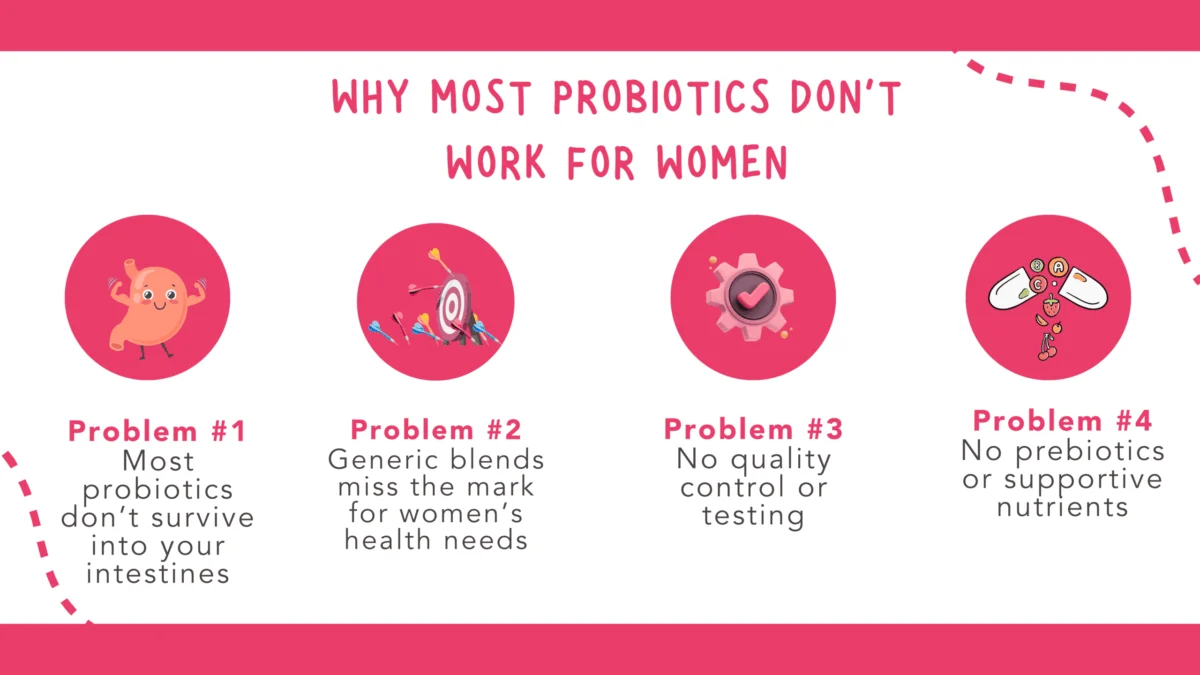
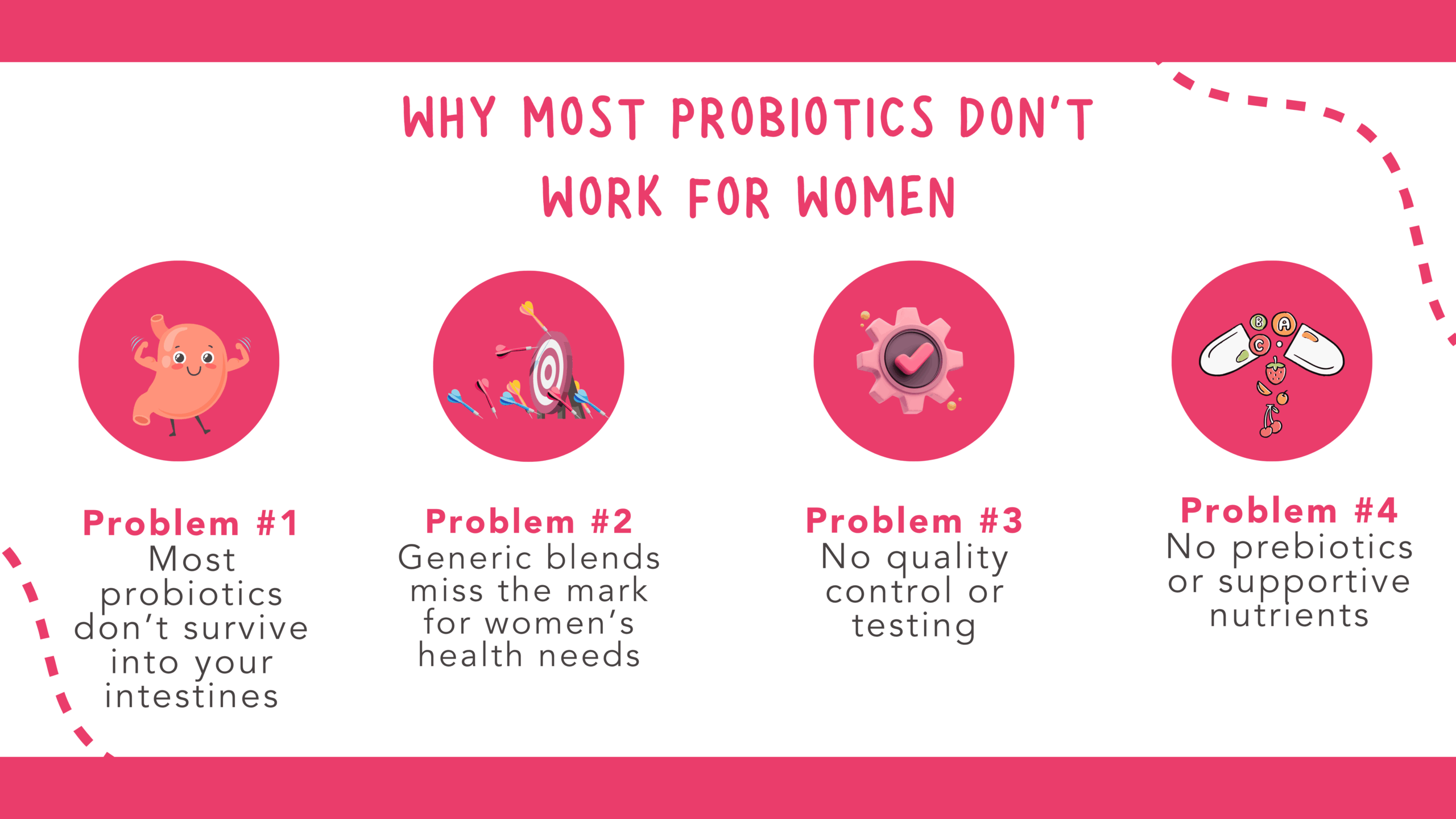
One of the primary reasons for the failure of commercial probiotics is the inability of live cultures to survive the transit through the upper gastrointestinal tract. The human stomach is an extremely hostile environment, with a pH level typically ranging from 1.5 to 3.5. This high acidity serves as a primary defense mechanism against pathogens, but it also incinerates many delicate probiotic strains before they can reach the small and large intestines.
To counter this, pharmaceutical-grade formulations have begun implementing a "potent overage" strategy. This involves packing a higher concentration of colony-forming units (CFUs) than the amount listed as the "guaranteed" dose at the time of expiration. By accounting for the inevitable attrition of bacteria during both shelf-life and digestion, manufacturers can ensure that a therapeutic dose actually reaches the "gut garden." Furthermore, the selection of robust, acid-resistant strains has become a hallmark of high-quality supplements, moving away from the need for synthetic enteric coatings which may sometimes hinder the timely release of the bacteria.
Microbiome Specificity: Addressing the Unique Needs of the Female Body
Women’s health requirements shift throughout their lifecycles, influenced by menstrual cycles, pregnancy, and menopause. Generic blends often lack the specific strains required to address issues such as urinary tract infections (UTIs), yeast overgrowth, and hormonal acne.
Clinical research has identified several "gold standard" strains that are particularly effective for women:
- Lactobacillus rhamnosus: Extensively studied for its ability to support the vaginal flora and prevent the colonization of harmful pathogens.
- Lactobacillus reuteri: Known for its role in supporting both digestive health and the health of the urogenital tract.
- Lactobacillus gasseri: Linked in several studies to metabolic health and the reduction of visceral fat, as well as supporting the vaginal pH balance.
- Bifidobacterium longum: A critical strain for immune modulation and the integrity of the gut lining.
The absence of these targeted strains in generic probiotics explains why many women see no improvement in their specific health concerns, even when taking high-dose supplements.
The Regulatory Landscape and the Challenge of Quality Control
The supplement industry operates under a different regulatory framework than pharmaceutical drugs. In the United States, the Dietary Supplement Health and Education Act of 1994 (DSHEA) places the burden of proof for safety and labeling accuracy on the manufacturer rather than the FDA. This has led to significant issues with product integrity.
An independent study published in the journal Bio-Medical Reports highlighted a concerning trend: many probiotics on the market do not contain the quantity of live bacteria claimed on the label. In some instances, researchers found that by the time a product reached the consumer, the number of viable cells was negligible. This degradation occurs due to poor manufacturing practices, lack of temperature control during shipping, and inadequate moisture barriers in packaging. Third-party testing and certifications (such as NSF or USP) have become essential benchmarks for consumers seeking to verify that what is on the label is actually in the capsule.
Prebiotics: The Essential Catalyst for Bacterial Survival
A growing consensus among nutritionists is that a probiotic without a prebiotic is incomplete. Prebiotics are non-digestible fibers that act as "fuel" for beneficial bacteria. Without an adequate food source, even the highest quality probiotic strains may fail to colonize the gut effectively.
One emerging ingredient in the field of prebiotic science is the fiber derived from the Baobab tree (Adansonia digitata), often referred to as the "Tree of Life." Baobab fruit pulp is naturally rich in soluble and insoluble fiber, as well as antioxidants. Clinical data suggests that baobab fiber is particularly gentle on the digestive system compared to synthetic prebiotics like inulin, which can cause bloating in sensitive individuals.
The nutritional gap in fiber intake is a significant public health concern. The American Heart Association recommends that women consume at least 25 grams of fiber daily, yet the average intake in the United States is closer to 15 grams. Integrating whole-food-based prebiotics into probiotic supplements provides a dual benefit: it ensures the survival of the supplement’s live cultures while helping to bridge the general fiber deficiency.
Chronology of Probiotic Development and Consumer Trends
The timeline of the probiotic industry reflects a shift from general wellness to precision nutrition:
- 1990s: Probiotics enter the mainstream primarily through yogurt and fermented dairy products.
- 2000s: The introduction of encapsulated probiotics allows for higher CFUs and shelf stability.
- 2010s: Genomic sequencing allows scientists to identify specific strains (e.g., L. rhamnosus GG) rather than just species (e.g., Lactobacillus).
- 2020-Present: The rise of "synbiotics" (the combination of prebiotics and probiotics) and gender-specific formulations tailored to the female microbiome and estrobolome.
Current consumer trends indicate a move away from "mega-dose" products (100+ billion CFUs) toward "smart-dose" products that focus on strain diversity and clinical evidence. Consumers are increasingly scrutinizing "other ingredients," demanding the removal of fillers such as magnesium stearate, silicon dioxide, and common allergens like soy, gluten, and dairy.
Expert Perspectives on Consistency and Lifestyle Integration
Medical professionals emphasize that probiotics are not a "quick fix." The gut microbiome is a dynamic ecosystem that requires time to shift. Clinical trials typically suggest a period of 14 to 30 days of consistent daily use before measurable changes in digestion, skin, or vaginal health are observed.
Furthermore, the efficacy of any supplement is heavily influenced by the internal environment of the host. A diet high in processed sugars and artificial sweeteners can actively promote the growth of opportunistic pathogens, effectively "crowding out" the beneficial bacteria provided by a probiotic. Experts recommend a holistic approach that pairs high-quality supplementation with a diet rich in fermented foods (kimchi, sauerkraut), bone broth, and adequate hydration.
Broader Impact and Implications for Women’s Preventative Care
The shift toward effective, women-centric probiotics has broader implications for preventative healthcare. By maintaining a healthy microbiome, women may reduce their reliance on antibiotics for recurrent UTIs and yeast infections—a critical factor in the global fight against antibiotic resistance.
Moreover, the link between gut health and mental health—mediated by the production of neurotransmitters like serotonin, 95% of which is produced in the gut—suggests that targeted probiotic use could play a role in managing hormonal mood fluctuations. As the medical community continues to explore the "estrobolome," the potential for probiotics to assist in the management of conditions like PCOS, endometriosis, and menopausal symptoms becomes increasingly viable.
In conclusion, the failure of most probiotics to deliver results for women is not a failure of the science of microbiology, but rather a failure of product formulation and industry transparency. By prioritizing strain specificity, ensuring survival through the gastric barrier, and including high-quality prebiotic fuel, new standards are being set for what women can—and should—expect from their supplements. As the industry moves toward this more rigorous, evidence-based model, the potential for genuine health transformation through microbiome management becomes a reality for the modern consumer.
