

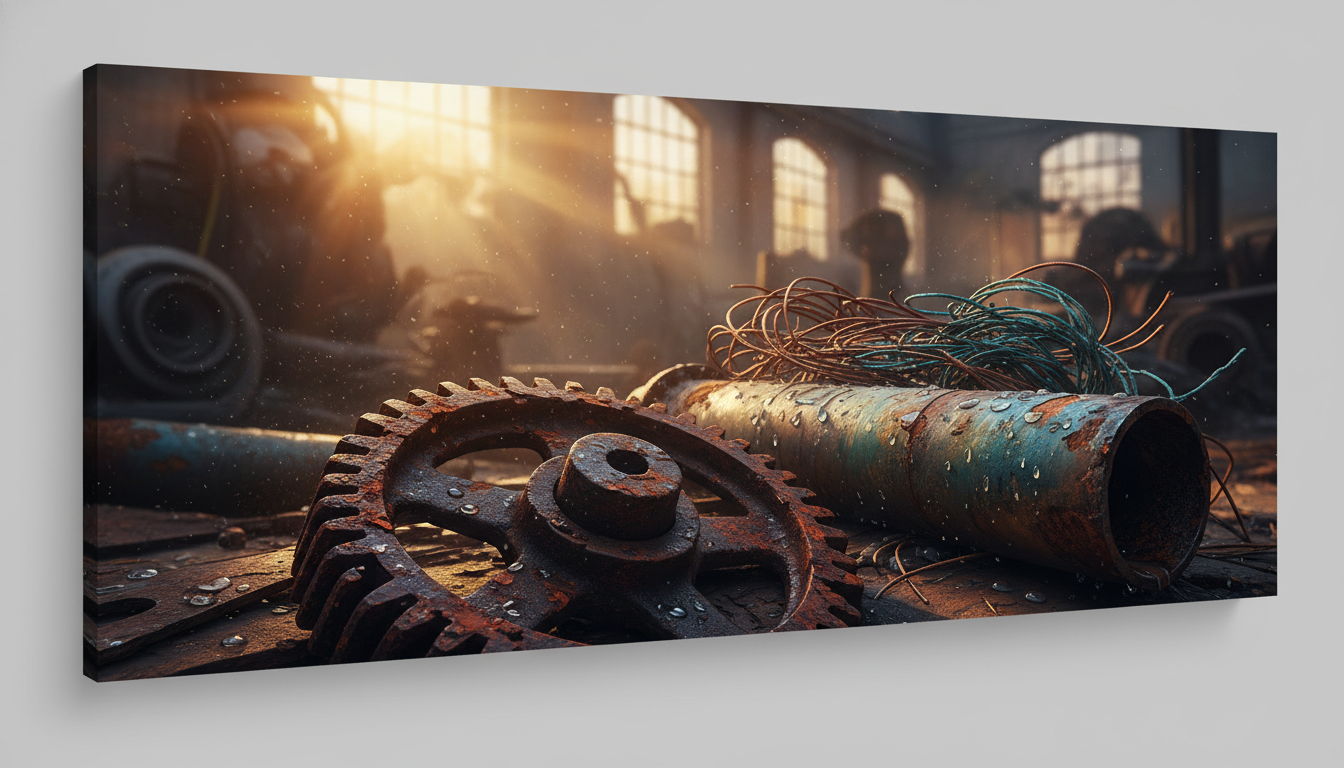
Rust is a phenomenon that affects countless metal objects in our daily lives, from garden tools and car parts to massive bridges and industrial machinery. Understanding why metal rusts over time requires a deep dive into the chemical reactions between elements and the environmental conditions that facilitate these changes.
The Fundamental Chemistry of Rust
At its core, rust is the result of a chemical process known as oxidation. This occurs specifically when iron or alloys containing iron, such as steel, are exposed to oxygen and moisture over an extended period. The scientific name for rust is hydrated iron(III) oxide.
The Role of Oxidation
Oxidation happens when an atom loses electrons during a reaction. In the context of rusting, iron atoms lose electrons to oxygen atoms. This exchange transforms the strong, metallic iron into a brittle, reddish-brown substance that lacks the structural integrity of the original metal.
The Necessity of Water
While oxygen is a key component, moisture is the essential catalyst that allows the reaction to proceed. Water acts as an electrolyte, facilitating the movement of electrons between the iron and the oxygen. Even humidity in the air can provide enough moisture to trigger the rusting process on unprotected surfaces.
The Chemical Reaction Formula
The process of rusting is often summarized by a complex chemical equation. It typically involves the combination of iron (Fe), oxygen (O2), and water (H2O) to form Fe2O3·nH2O. This hydrated iron oxide is what we commonly identify as the flaky, orange-brown coating on old metal.
Factors That Accelerate Metal Degradation
Not all environments cause rust at the same rate. Several external factors can significantly increase the speed at which iron and steel deteriorate.
Exposure to Salt and Electrolytes
Saltwater is significantly more corrosive than freshwater. This is because salt increases the conductivity of water, making it a more efficient electrolyte. This is why vehicles in coastal regions or areas where road salt is used in winter tend to rust much faster than those in dry, inland climates.
Environmental Pollutants
Acid rain, caused by industrial pollutants like sulfur dioxide and nitrogen oxides, creates a highly corrosive environment. These acidic conditions lower the pH level of the moisture on the metal surface, which speeds up the oxidation reaction.
Temperature and Humidity
High temperatures can increase the rate of chemical reactions, including oxidation. When combined with high humidity, the conditions become ideal for rapid rust formation. This is why metal objects in tropical climates often require more frequent maintenance.
Rust vs. General Corrosion
It is important to distinguish between rust and corrosion. Corrosion is the general term for the degradation of any metal due to chemical reactions with its environment. Rust, however, refers specifically to the corrosion of iron and its alloys.
Corrosion in Non-Ferrous Metals
Metals like aluminum and copper also undergo oxidation, but they do not rust. Instead, they form a thin layer of oxide on their surface—such as the green patina on copper—which actually protects the underlying metal from further damage. Iron oxide, conversely, is porous and continues to flake away, exposing fresh metal to further oxidation.
How to Prevent Metal from Rusting
Given the destructive nature of rust, various methods have been developed to protect iron and steel components from the elements.
- Protective Coatings: Applying paint, oil, or grease creates a physical barrier that prevents oxygen and water from reaching the metal surface.
- Galvanization: This process involves coating iron or steel with a thin layer of zinc. Zinc is more reactive than iron and will oxidize first, protecting the underlying metal in a process known as sacrificial protection.
- Stainless Steel Alloys: By mixing iron with chromium, manufacturers create stainless steel. The chromium forms a passive layer of chromium oxide that prevents rust from forming.
- Bluing: Often used for firearms, bluing creates a layer of magnetite through a controlled chemical reaction, providing moderate resistance to rust.
The Importance of Regular Maintenance
For items already in use, regular cleaning and drying are vital. Removing salt, dirt, and standing water from metal surfaces can significantly extend their lifespan. If rust is spotted early, it can often be sanded off and the area treated with a rust-inhibitor to prevent further spread.
The Structural and Economic Impact of Rust
Rust is not just an aesthetic issue; it is a major economic burden and a safety concern. Every year, billions of dollars are spent worldwide to repair or replace infrastructure, vehicles, and machinery damaged by corrosion.
Compromising Structural Integrity
As rust eats away at the metal, the material loses its thickness and strength. In critical structures like bridges or the frames of buildings, unchecked rust can lead to catastrophic failures. This makes regular inspections and anti-corrosive treatments essential for public safety.
Conclusion
Understanding why metal rusts is the first step in managing and preventing its effects. Through a combination of chemical knowledge and proactive maintenance, we can protect our metallic assets and ensure they remain functional for years to come.