


The "Sandwich Generation," a term coined to describe individuals simultaneously caring for aging parents and dependent children, faces an increasingly prevalent and profound set of challenges in contemporary society. This demographic, often middle-aged adults, finds itself squeezed between the responsibilities of two generations, leading to significant emotional, financial, and logistical strain. The experience of Marissa Bader, a writer and author, exemplifies the intricate and often overwhelming demands placed upon these caregivers, as she navigated her mother’s progressive health decline while raising three young children.
The Rise of the Sandwich Generation Phenomenon
The concept of the Sandwich Generation has gained prominence due to several demographic shifts: increased life expectancy, delayed parenthood, and rising healthcare costs. According to the Pew Research Center, nearly half (47%) of adults in their 40s and 50s have a parent aged 65 or older and are either raising a young child or supporting a grown child. AARP data further indicates that over 40 million Americans are family caregivers, many of whom are juggling these responsibilities. This demographic trend creates a unique set of pressures, impacting caregivers’ careers, finances, health, and personal relationships. The average caregiver spends a significant amount of time providing care, often equivalent to a part-time job, alongside their existing work and family commitments.
A Personal Journey into Caregiving: Initial Concerns and Diagnosis
Marissa Bader’s journey into the Sandwich Generation began subtly in 2019 when her mother, then living alone, was diagnosed with Myelodysplastic Syndrome (MDS). MDS is a group of disorders caused when the bone marrow doesn’t produce enough healthy blood cells, often progressing to acute myeloid leukemia (AML). At the time, Bader was immersed in the demands of raising her three young children, then aged seven and four-year-old twins. While she held general concerns for her mother’s well-being, the full scope of her mother’s cognitive decline was not immediately apparent.
The initial indicators emerged during efforts to coordinate her mother’s medical care. When Bader attempted to access her mother’s medical charts for a hematologist referral, she discovered a disquieting lack of a current primary care physician. Her mother’s inability to recall her doctor, even naming one she hadn’t seen in decades, served as a stark wake-up call. This forced Bader to take charge of her mother’s medical oversight, an undertaking she likened to managing her own children’s healthcare.
Navigating a Labyrinth: Early Signs of Cognitive Impairment
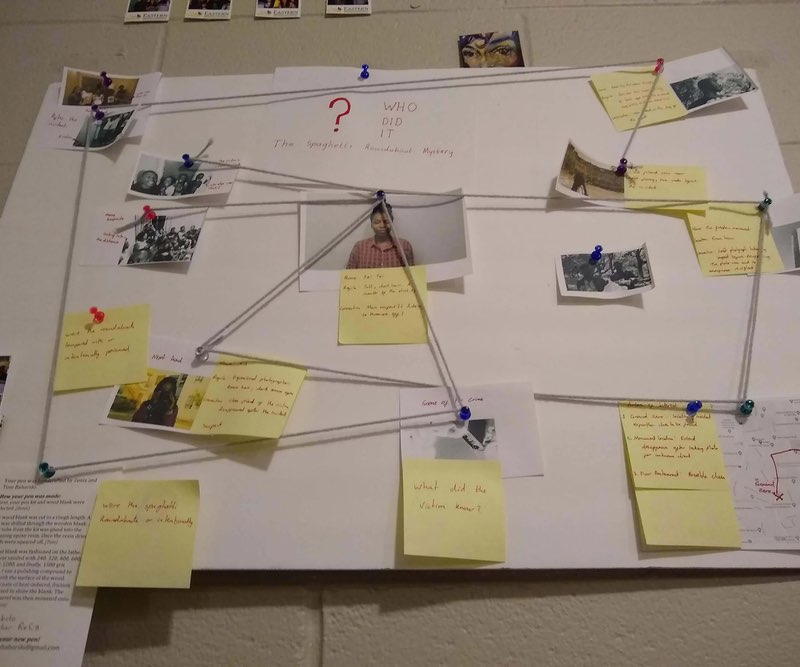
The task of piecing together her mother’s medical history was arduous. Bader spent an entire day meticulously mapping out her mother’s various doctors and facilities over the preceding five years, describing it as a "detective show" effort. This process solidified the realization that her mother needed active support in managing her health. Bader and her four older siblings committed to accompanying their mother to all future appointments, not just for emotional support, but to actively listen, record, and comprehend critical medical information that her mother was increasingly unable to retain.
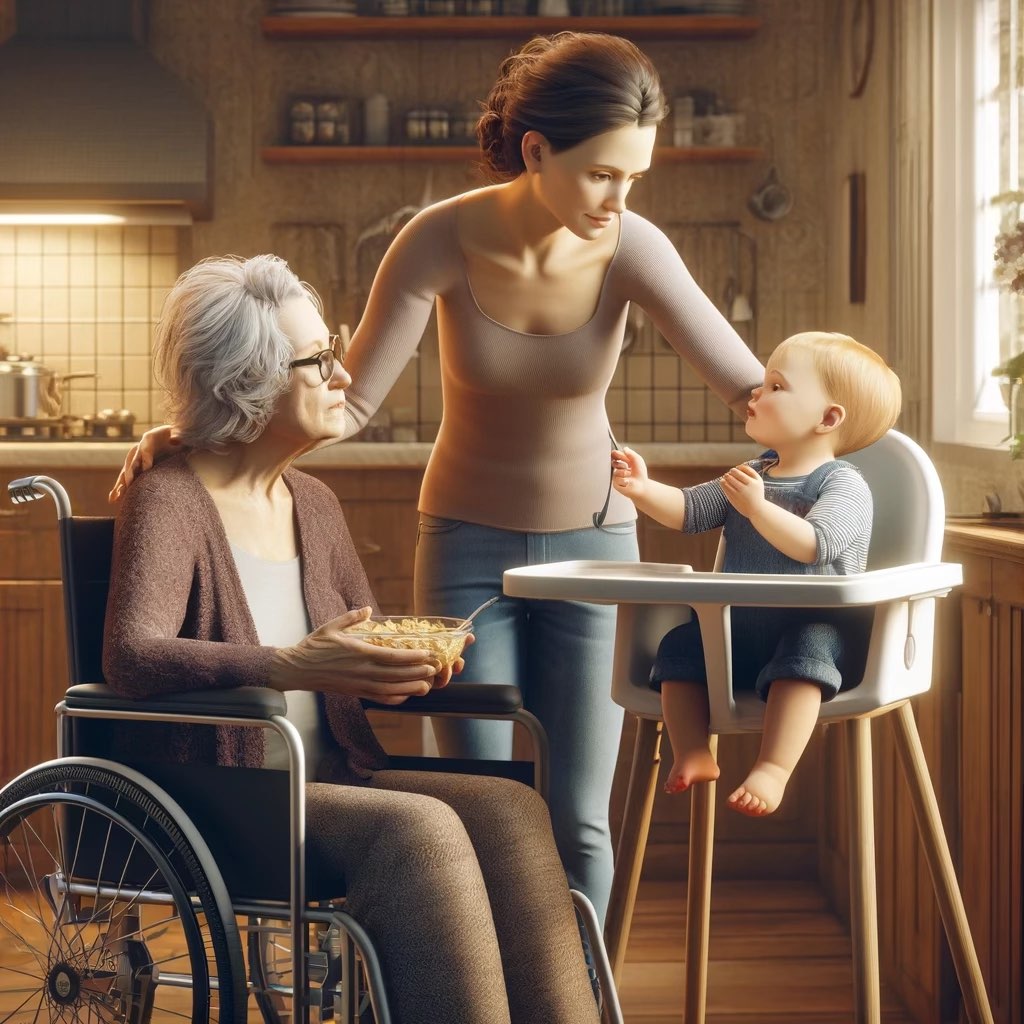
The emotional toll of this newfound responsibility was immediate and profound. Bader described feeling "completely overwhelmed" and physically ill, grappling with the untenable prospect of simultaneously managing her mother’s escalating needs and the demanding schedules of her young children. Her husband’s unwavering support, reassuring her they would face the challenge "one foot in front of the other," underscored the vital role of spousal partnership in such circumstances.
The Dual Diagnosis: Cancer and Dementia
The following week, the severity of her mother’s MDS was confirmed by an oncologist, Dr. Warlick, who indicated a grim prognosis of roughly three years without aggressive chemotherapy. This news, delivered to Bader and her brother, was a devastating blow. Despite the shock, they opted for chemotherapy, which, against expectations, led to a miraculous remission. However, Dr. Warlick cautioned that the terminal nature of the cancer meant it was likely to return.
During the extensive period of chemotherapy and follow-up appointments, a more insidious and equally terrifying problem emerged: her mother’s cognitive decline. Her forgetfulness and confusion intensified, moving beyond minor lapses to "very much so" significant impairment. This was compounded by increasing reclusiveness and paranoia, particularly pronounced since her husband’s passing in 2007. Bader observed her mother fabricating increasingly "outlandish and bizarre" stories, repeatedly asking the same questions, and neglecting her once-immaculate home – a stark deviation from her lifelong "neat freak" nature. The disorganization and lack of cleanliness were particularly alarming indicators of a deeper issue.
Confronting Dementia: Diagnosis and Planning
The opportunity to address these concerns directly arose when her mother herself voiced worries about her memory. Bader seized the moment, suggesting an appointment with a "memory doctor" to ascertain if it was normal aging or something more serious. Her mother, uncharacteristically amenable post-cancer diagnosis, agreed.
The appointment with a geriatrician specializing in Alzheimer’s and dementia, Dr. Smith, confirmed Bader’s deepest fears. Following a series of cognitive tests (verbal, drawing, written), blood work, and an MRI, Dr. Smith gently delivered the diagnosis: early-stage dementia. This news, though anticipated, was a "gut punch," leaving Bader heartbroken and struggling to maintain composure for her mother’s sake. The drive home was filled with avoidant chatter, the unspoken weight of the diagnosis heavy between them.
In the ensuing weeks, the family undertook the critical, albeit emotionally draining, tasks associated with a dementia diagnosis. This included establishing a Power of Attorney (POA) and completing advanced directives, crucial legal steps for managing a parent’s affairs as their cognitive abilities decline. While her mother was initially able to live alone and drive, Bader understood that this stability was temporary and "only a matter of time." As a "type-A planner," the unpredictable nature of dementia fueled her anxiety, as there was no clear "to-do list" to control the progression of the disease.
Escalating Needs and the Caregiving Strain
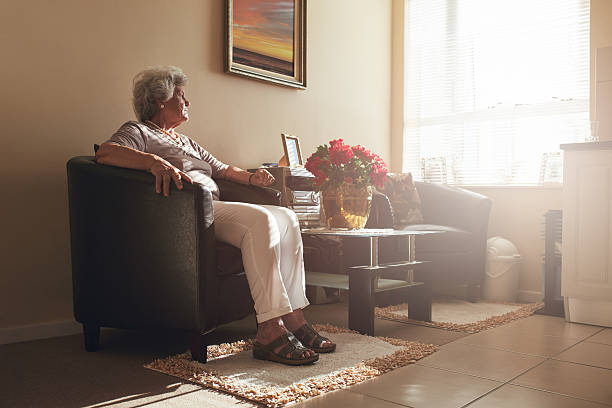
As months passed, her mother’s cancer remained in remission, but her dementia inexorably worsened. The difficult truth became unavoidable: driving was no longer safe due to frequent disorientation, and living alone posed significant hazards. The family recognized that their capacity as sole caregivers was insufficient; a higher level of professional care was required.
Her mother, surprisingly, accepted the need for help but staunchly refused a live-in caregiver, citing her deep value for privacy. This decision, though respected by the family, was fraught with concern. Her mother’s increasing unsteadiness and the growing clutter in her home created a significant fall risk. Furthermore, as a lifelong pack-a-day smoker, fears of a fire were constant.
The relentless worry and responsibility began to take a severe toll on Bader’s personal life. Her mind was constantly consumed by fears and tasks related to both her mother and her children. She maintained a running to-do list segmented into "Kids," "Mom," and "Work," but consistently felt she was "dropping the ball somewhere." The immense pressure left her "breaking; pouring everything, all the time, from an empty cup," a state familiar to many in the Sandwich Generation. The lack of energy impacted her parenting, work deadlines, and even her connection with her husband.
A Critical Incident: The Hip Fracture
The situation reached a critical juncture during her mother’s winter stay in Arizona. One evening, after her caregiver had departed, her mother tripped on her driveway, falling hard and breaking her hip. A neighbor’s timely discovery led to a 911 call and subsequent surgery. For the elderly, a hip fracture is often a harbinger of severe decline, a fact Bader’s mother herself had often warned her about. The incident proved to be a devastating turning point.
The combination of immobility, the trauma of surgery, new medications, changes to her environment and routine, and the inability to smoke, caused her mother’s dementia to accelerate tenfold. Bader observed a rapid cognitive regression, as if her mother had "aged 10 years within one week." A move from the hospital to a rehabilitation facility for physical therapy further exacerbated her decline, another unfamiliar environment disrupting her already fragile cognitive state.
The Inevitable Decision: Memory Care
The siblings faced an urgent and difficult decision: either secure 24/7 in-home care, which is expensive and challenging to find, or transition her mother into a memory care facility. With limited time, they frantically researched and toured facilities, a process described as "scary, stressful, and sad." Ultimately, memory care was deemed the necessary and correct path, despite the heavy guilt Bader felt, knowing her mother would have vehemently opposed such a move.
The period leading up to the move was one of the hardest of Bader’s life. She managed her mother’s care remotely, fielding constant calls from her distressed mother who believed she was being held against her will and robbed of her cigarettes. Simultaneously, Bader coordinated with physical therapists and physicians, packed her mother’s belongings, completed extensive paperwork, all while striving to maintain her parenting responsibilities and avoid complete emotional and physical collapse.
The plan for the transition was meticulously, and heartbreakingly, orchestrated. Her mother’s memory care room was prepared in advance, and she was to be moved directly there from the airport, under the guise of it being a temporary rehabilitation facility for her hip. Bader expressed profound sorrow and a sense of "betrayal" at having to deceive her mother, an act that "completely broke my heart."
During this tumultuous period, Bader experienced a public emotional breakdown in her car after a Zoom call with her siblings. While her siblings, all empty nesters, understood the immense pressure, Bader felt a unique burden as her mother’s only biological child, fearing she was failing both her mother and her late father. Her second eldest brother and his wife undertook the arduous task of flying to Arizona to bring her mother home. Observing her disheveled, confused, and frail mother being helped into her car at the airport, Bader realized the extent of her mother’s decline, her heart "shattered into a million fragments." The roles had reversed: Bader was now the primary caregiver, her mother in need of "tenderness and protection." The challenge was clear: manage the "sandwich" of caring for her children and her mother, while also finding space for her own well-being and marriage.
Finding a Better Fit: A Path Forward
During the drive to her new memory care home, Bader played a Spotify mix of her mother’s favorite songs, hoping the familiar melodies would provide comfort and spark memories. Her mother’s gentle head-bopping and soft smile offered a moment of solace, a poignant reminder that some connections endure despite the ravages of dementia.
Eight months after the initial move, it became clear the first facility was not the right fit. The level of care was insufficient, prompting another search. The family found a smaller, more community-oriented home. This second transition proved smoother, yielding a significantly better outcome. Despite the continued worsening of her dementia, Bader’s mother is now "thriving," engaging in more socialization, enjoying the staff, eating well, and generally appearing happier. This represents a "best-case scenario in an otherwise difficult situation."
Broader Implications and Support for Caregivers
Marissa Bader’s experience underscores the growing caregiving crisis impacting millions globally. Experts in gerontology and public health emphasize the critical need for increased societal and governmental support for the Sandwich Generation. Statistics from the Family Caregiver Alliance reveal that caregivers often experience higher rates of depression, anxiety, and financial strain. The annual economic value of unpaid family caregiving in the United States alone is estimated to be hundreds of billions of dollars, surpassing paid home care and nursing home care combined.
Healthcare professionals advocate for early diagnosis of conditions like dementia, comprehensive care planning, and readily accessible support networks for caregivers. Advocacy groups continually push for policies that provide financial relief, flexible work arrangements, and expanded respite care options to prevent caregiver burnout. The journey of caregiving, while often born out of love and duty, can be isolating and relentless. It demands immense resilience and a proactive approach to self-care, acknowledging that one cannot pour from an "empty cup."
For those navigating similar circumstances, the message from experts and experienced caregivers like Bader is clear: seeking support, establishing boundaries, and allowing for self-compassion are not luxuries but necessities. While the road is undoubtedly challenging, it also presents opportunities for profound connection and a deeper understanding of familial bonds. Marissa Bader, through her writing, continues to highlight these complex dynamics, demonstrating that even amidst the hardest moments, gratitude for the ability to care for a loved one endures. She is now a writer and author of children’s books, including The Only Me, Stella’s Brave Voice, and Petunia the Perfectionist, which debuts in August 2024.
