

The business landscape is undergoing a significant transformation, driven by technological advancements that empower individuals to launch ventures with minimal capital and space. The rise of "mini machines" represents a pivotal shift, offering accessible entry points into entrepreneurship through compact, often automated, devices capable of generating substantial revenue. These innovative tools are democratizing business ownership, catering to the growing demand for convenience and personalized products and services. From sophisticated 3D printers to versatile cutting machines and specialized vending units, the potential for profit is expanding rapidly across diverse sectors. This article delves into the world of mini machines, exploring their definition, benefits, and a comprehensive array of business ideas, alongside crucial considerations for aspiring entrepreneurs.
What Constitutes a Mini Machine Business?
At its core, a mini machine business leverages small-scale, often semi-automated or fully automated, equipment to produce goods or deliver services. These machines are typically characterized by their compact footprint and, in many cases, their ability to operate with a degree of self-sufficiency, making them ideal for generating passive income. Examples range from traditional vending machines and photo booths, which require minimal ongoing human intervention after initial setup and stocking, to more hands-on devices like Cricuts, freeze dryers, and drones. These latter machines, while demanding more direct user input for each task, offer immense creative potential and the ability to fulfill highly specific customer needs. The unifying factor is their reduced scale compared to industrial machinery, making them financially accessible for individuals and small startups.
The Advantages of Embracing Mini Machines
The appeal of mini machine businesses is multifaceted, drawing in both hobbyists looking to monetize their skills and seasoned entrepreneurs seeking agile business models. Key advantages include:
- Low Startup Costs: Compared to traditional brick-and-mortar businesses or large-scale manufacturing, the initial investment for most mini machines is significantly lower. This accessibility lowers the barrier to entry, allowing more individuals to pursue entrepreneurial ambitions.
- Passive Income Potential: Many mini machines, particularly those that are self-serve or automated, offer the possibility of generating income with minimal ongoing labor. This "set it and forget it" aspect is highly attractive for those seeking to supplement their income or build a more flexible lifestyle.
- Niche Market Opportunities: The specialized nature of many mini machines allows entrepreneurs to target specific, often underserved, niche markets. This focus can lead to less competition and higher profit margins.
- Flexibility and Scalability: Mini machines can often be operated from home or small commercial spaces, offering flexibility in terms of location and operating hours. As demand grows, entrepreneurs can scale by acquiring additional machines or expanding their service offerings.
- Rapid Innovation Cycle: The rapid pace of technological development means that new and improved mini machines are constantly emerging, offering fresh business possibilities and the chance to stay ahead of trends.
Innovative Mini Machines Driving Business Growth
The market for mini machines that generate revenue is vast and continually evolving. Here are eleven compelling examples that showcase the potential for entrepreneurial success:
1. 3D Printing: Bringing Digital Designs to Tangible Reality
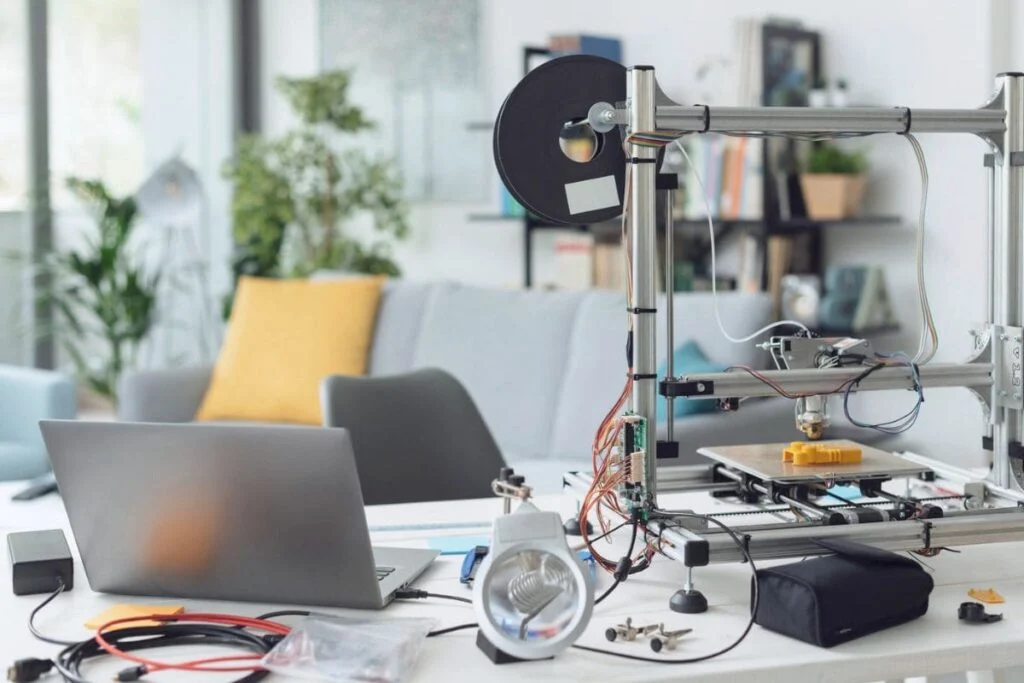
3D printers have revolutionized prototyping and custom manufacturing. These machines allow entrepreneurs to transform digital designs into physical objects, opening doors to a wide array of business models. Demand is strong for on-demand product prototypes for inventors and businesses, as well as personalized gifts and bespoke items like jewelry, home decor, and architectural models. Beyond producing physical goods, individuals with 3D modeling skills can also monetize their expertise by selling design files to other creators. The market has also seen specialized applications, such as commercial cookie printers, exemplified by entrepreneurs like Kelli Fusaro, who built a successful personalized cookie business and now mentors others in this niche. The global 3D printing market size was valued at USD 15.09 billion in 2022 and is projected to expand at a compound annual growth rate (CAGR) of 24.9% from 2023 to 2030, according to Grand View Research, underscoring its significant growth trajectory.
2. Arcade Games: Nostalgia and Entertainment Revenue
Reintroducing classic arcade games like pinball machines, claw machines, and on-demand jukeboxes offers a unique revenue stream. These machines can be deployed in various locations, from trendy boutiques and cafes to event venues. The portability of some arcade units makes them ideal for rental businesses catering to parties, corporate events, and community gatherings. The retro gaming market continues to thrive, driven by nostalgia and the appeal of interactive entertainment.
3. Cricut Creations: Precision Cutting for Customization
A Cricut, an electronic cutting machine, is a versatile tool for creating a wide range of custom products. Its ability to precisely cut materials like vinyl, paper, and fabric allows for the production of stickers, decals, custom apparel, stationery, wooden signs, and personalized home decor. This machine is particularly well-suited for print-on-demand services, enabling entrepreneurs to fulfill custom orders with efficiency. The demand for personalized items continues to surge, making Cricut-based businesses a popular choice for crafters and creatives.
4. Dehydrator or Freeze Dryer: Preserving Flavor and Convenience
Dehydrators and freeze dryers offer the ability to preserve food items, creating high-value products that appeal to consumers seeking convenience and extended shelf life. These machines can be used to produce dried fruits, vegetables, herbs, and even gourmet pet treats. Freeze-dried foods, in particular, retain much of their original flavor and nutritional content, commanding a premium price. The market for healthy, shelf-stable food options is robust, making this a promising venture.
5. Drone Services: Aerial Perspectives for Diverse Industries
The proliferation of drone technology has opened up a dynamic sector for small machine businesses. Drone services encompass a broad spectrum of applications, including aerial photography and videography for real estate, events, and marketing. They are also vital for infrastructure inspection, agricultural surveying, and delivery services. The demand for skilled drone operators is growing, and with proficiency, one can even offer training courses. The global commercial drone market is projected to reach $40.9 billion by 2026, according to Statista, highlighting significant growth potential.
6. Embroidery Machines: Personalized Textiles and Apparel
Modern embroidery machines allow for the creation of intricate and durable custom designs on various textiles. This technology enables entrepreneurs to produce branded merchandise, personalized gifts, monogrammed items, and custom apparel. The market for unique and customized clothing and accessories remains strong, offering ample opportunities for creativity and profit.
7. Laser Cutting Machines: Precision and Intricacy in Material Fabrication
Laser cutters are advanced computer-controlled machines that utilize lasers to cut materials with remarkable precision. Unlike blade-based cutters, laser technology offers greater detail and can work with a wider range of materials, including wood, acrylic, and fabric. While typically more expensive than other cutting machines, the quality and complexity of designs achievable justify the investment. Businesses can thrive by producing custom signage, intricate decorative pieces, architectural models, and personalized gifts.
8. Laser Engraving Machines: Adding Permanent Markings to Products
Laser engravers, distinct from laser cutters, etch designs and text onto surfaces without penetrating the material. This process is ideal for personalizing a wide array of items, such as wedding rings, photo frames, ornaments, keychains, and tumblers. Brands like WeCreate offer machines suitable for both hobbyists and aspiring entrepreneurs, catering to the growing demand for customized goods.

9. Photo Booths: Capturing Memories at Events
Photo booths have experienced a significant resurgence, becoming a staple at weddings, parties, corporate events, and festivals. They offer interactive entertainment and provide guests with personalized keepsakes. Entrepreneurs can establish a portable photo booth business, renting out equipment for various occasions. The demand for unique event experiences continues to drive the growth of this sector.
10. Sewing Machines: From Alterations to Original Designs
A sewing machine, often already a household item, can be a powerful tool for generating income. Services can range from simple clothing alterations and repairs to creating custom garments, quilts, and home decor items. Furthermore, sewing machines are essential for upcycling projects, transforming discarded materials into new, marketable products. The ability to create unique textiles and apparel remains a consistent market demand.
11. Vending Machines: Automated Retail Convenience
Vending machines are a classic example of a mini machine business with strong passive income potential. These automated retail units can dispense a wide variety of products beyond traditional snacks and beverages. Opportunities exist for specialized vending machines offering items such as toys, electronics, personal care products, or even fresh produce in targeted locations. The convenience factor is paramount, and strategic placement can lead to consistent revenue generation. The global vending machine market is projected to grow, driven by increased demand for convenient and contactless retail solutions.
Key Considerations for Mini Machine Entrepreneurs
While the allure of mini machines is undeniable, success hinges on careful planning and strategic execution. Several critical factors must be addressed in any business plan:
Return on Investment (ROI)
Thoroughly evaluating the potential return on investment is paramount. While some machines require a significant upfront cost, their income-generating potential may justify the expenditure. Conversely, for less certain ventures, exploring second-hand options or rental agreements can mitigate initial financial risk. A detailed financial projection, considering machine costs, operational expenses, and projected revenue, is essential.
Maximizing Passive Income Opportunities
The degree of automation directly influences passive income potential. Entrepreneurs should assess how much time they are willing and able to dedicate to their business and identify areas where automation can reduce workload. For machines requiring more manual input, streamlining processes and efficient task management become crucial.
Maintenance and Upkeep
Regular maintenance, inspections, and potential upgrades are vital for ensuring the longevity and optimal performance of any machine. Budgeting for these costs is crucial, as they can significantly impact profit margins. It is also wise to consider the supplier’s warranty, customer support, and satisfaction guarantees when making a purchase.
Legal and Regulatory Compliance
Navigating legal requirements is a fundamental step. This includes determining the appropriate business structure (sole proprietorship, LLC, etc.), obtaining necessary local permits and licenses, securing adequate insurance coverage, and understanding any rental agreements if operating in leased spaces. Compliance ensures legitimate operation and avoids potential legal repercussions.
Inventory Management
Even businesses centered around compact machines often require some form of inventory, whether it’s raw materials, finished goods, or consumables for vending machines. Implementing an inventory management system, such as Zoho Inventory, can help track stock levels, manage costs, and prevent stockouts or overstocking. Efficient inventory management is key to maintaining profitability and customer satisfaction.
Strategic Sales Channels
Identifying the most effective sales channels is critical. Online marketplaces like Etsy, Amazon Handmade, and MakerPlace by Michaels are popular for artisan and custom goods. Building a dedicated e-commerce website using platforms like Shopify offers greater control and branding opportunities. Additionally, participating in craft shows, farmers’ markets, and local events can provide direct customer interaction and sales. Each channel has its own advantages and disadvantages, requiring careful research and consideration.
Effective Marketing and Promotion
No business can thrive without effective marketing. Social media platforms like TikTok, Instagram, and YouTube are powerful tools for showcasing products, documenting the creative process, and building a brand following. Developing a strong online presence through content creation and engagement is crucial. Understanding Search Engine Optimization (SEO) principles will also be invaluable for driving organic traffic to websites or online store listings. Prompt shipping and exceptional customer service are fundamental for fostering positive reviews and encouraging repeat business.
Planning for Future Growth
A forward-thinking entrepreneur considers the long-term potential of their mini machine business. This involves envisioning how the business can scale, whether through expanding product lines, investing in additional or more advanced machinery, or cultivating a community around the brand. A clear growth strategy ensures sustained development and market relevance.
Conclusion: The Big Potential of Small Machines
Mini machines are at the forefront of a new era in entrepreneurship, democratizing access to business ownership by offering accessible, cost-effective, and scalable solutions. They represent the convergence of technology and convenience, catering to the evolving demands of consumers. For aspiring business owners, exploring the diverse opportunities presented by these compact powerhouses can lead to significant financial rewards. Whether it’s leveraging the precision of a 3D printer, the creative versatility of a Cricut, or the passive income potential of a vending machine, the key lies in identifying a niche, developing a solid business plan, and committing to quality and customer service. For those uncertain about a significant investment, many mini machines can be rented, allowing for a low-risk trial period. By understanding the market, embracing innovation, and diligently addressing the practicalities of business operation, individuals can harness the power of these small machines to build substantial and rewarding enterprises. The future of business is increasingly compact, and the potential for growth is immense.
