

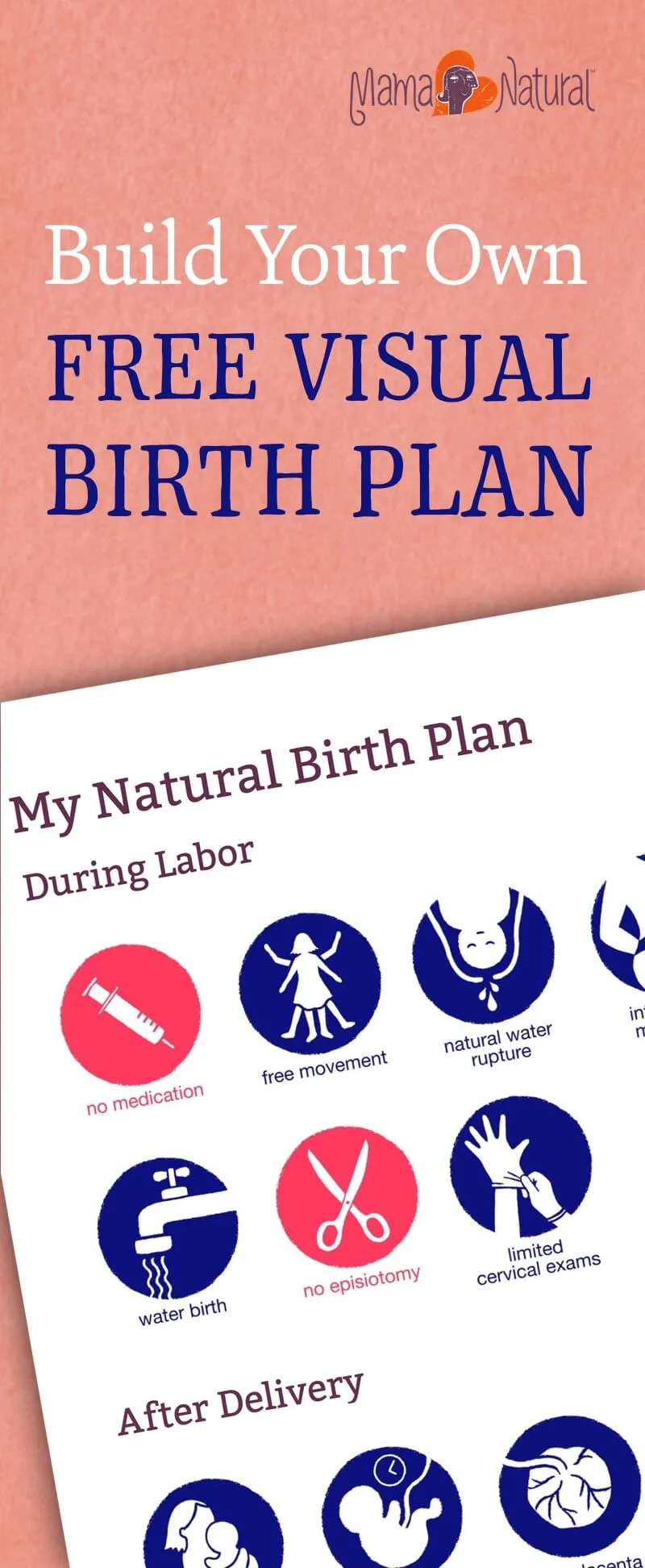
The landscape of modern obstetrics is undergoing a significant shift as expectant parents increasingly prioritize autonomy and informed consent through the use of streamlined communication tools known as visual birth plans. Traditionally, birth plans were lengthy, text-heavy documents that medical staff often found difficult to navigate during the fast-paced environment of active labor. However, the emergence of icon-based templates, such as the 2025 visual birth plan recently released by maternal health advocacy platforms, marks a new era in patient-provider communication. These tools are designed to bridge the gap between parental preferences and clinical necessity, ensuring that the birthing team remains aligned with the patient’s goals without compromising medical safety or efficiency.
The Shift Toward Visual Communication in Obstetric Settings
A birth plan serves as a comprehensive blueprint outlining the choices and preferences of a birthing person and their partner. While the concept of a birth plan has existed for decades, the transition toward a visual format addresses a critical bottleneck in hospital settings: the limited time available for healthcare providers to review patient history during an emergency or a shift change. By utilizing a one-page template populated with universally recognized icons, patients can convey complex preferences—such as the desire for delayed cord clamping, the avoidance of routine episiotomies, or the preference for intermittent fetal monitoring—at a single glance.
The latest iterations of these templates, specifically the 2025 visual birth plan updates, introduce sophisticated color-coding systems to further enhance clarity. Blue icons are used to denote positive preferences, or actions the birthing team should actively take, such as allowing for free movement or utilizing a squatting bar. Conversely, red icons signal "do not" preferences, such as the refusal of a newborn bath or the avoidance of artificial rupture of membranes unless medically necessary. This binary visual system reduces the cognitive load on nursing staff, who are often managing multiple patients simultaneously.
Historical Context and the Evolution of Birthing Advocacy
The birth plan was popularized in the 1980s as a response to the increasing medicalization of childbirth. During this era, many women felt that their voices were being lost in a system that prioritized hospital efficiency over individual experience. Early birth plans were often viewed as "manifestos," sometimes leading to friction between patients and medical staff. Clinical studies from the late 20th century indicated that while birth plans improved a woman’s sense of control, they occasionally led to staff perceptions of the patient as "inflexible" or "difficult."
In the 2010s, the "natural birth" movement gained significant traction, leading to a demand for more collaborative care models. This period saw the rise of doulas and the integration of midwifery care within hospital systems. The visual birth plan is the logical technological and design evolution of this movement. It moves away from the adversarial tone of the past and toward a collaborative tool that respects the expertise of the medical team while upholding the dignity of the patient.
Chronology of Birth Planning and Implementation
The implementation of a successful birth plan follows a specific timeline within the prenatal care cycle:
- The Research Phase (Weeks 12–24): Expectant parents begin identifying their priorities, often influenced by their choice of birth setting—be it a hospital, birth center, or home.
- The Drafting Phase (Weeks 24–32): Parents utilize templates to narrow down their preferences. The use of digital, editable files allows for customization based on the specific policies of their chosen facility.
- The Consultative Phase (Weeks 32–36): This is the critical window where the plan is presented to the OB-GYN or midwife. Experts suggest that discussing the plan during a routine prenatal visit ensures that there are no surprises regarding hospital policy versus patient preference.
- The Integration Phase (Labor and Delivery): The physical document is placed in the patient’s chart or posted in the delivery room. This serves as the primary reference for the labor and delivery nurses, who are the providers most consistently present during the birthing process.
Supporting Data on Maternal Outcomes and Satisfaction
Data from the World Health Organization (WHO) and various maternal health organizations suggest that "respectful maternity care" is a core component of positive birth outcomes. According to a 2022 study on patient-centered care, women who felt they had a voice in their medical decisions reported significantly lower rates of postpartum depression and birth-related trauma.
Furthermore, the inclusion of specific protocols, such as "Gentle Cesarean" icons in modern templates, reflects a growing body of evidence regarding the benefits of family-centered surgical births. Data indicates that practices like immediate skin-to-skin contact in the operating room and keeping the baby in the mother’s sight can stabilize the newborn’s heart rate and temperature more quickly than traditional separation protocols.

The visual birth plan also addresses significant disparities in maternal healthcare. For women of color, who face disproportionately higher rates of maternal mortality and morbidity in the United States, the birth plan acts as a formal exercise of the "Black Birthing Bill of Rights." Advocacy groups argue that having a written, visual document can serve as a safeguard, ensuring that standards of care are maintained and that patient concerns are not dismissed by providers.
Healthcare Provider Responses and Clinical Perspectives
The medical community’s reaction to birth plans has historically been mixed, but the visual format is garnering more widespread approval. Midwives and labor and delivery nurses have noted that traditional, multi-page birth plans are often impossible to read in their entirety when a patient arrives in active labor.
"The best and clearest way to keep everyone on the same page is through simplicity," notes one midwife in a review of the Mama Natural template. Nurses have expressed that they appreciate the visual format because it allows them to respect the patient’s wishes—such as "no offer of an epidural"—without having to repeatedly ask the patient during a contraction, which can be disruptive to the laboring person’s focus.
However, clinical professionals also caution that birth plans must remain flexible. The primary "official response" from organizations like the American College of Obstetricians and Gynecologists (ACOG) emphasizes that while patient preferences should be respected, the safety of the mother and child remains the priority. Effective birth plans are now being framed as "preference sheets" rather than rigid "plans," allowing for deviations in the event of medical emergencies.
Broader Impact and the Future of Patient Autonomy
The rise of the visual birth plan is indicative of a broader trend in healthcare: the move toward "shared decision-making." This model rejects the paternalistic approach of 20th-century medicine in favor of a partnership between the patient and the provider. By providing a structured way for patients to articulate their values, visual templates empower individuals to become active participants in their own care.
The 2025 updates to these templates also reflect modern sensibilities regarding inclusivity. New icons addressing "Gentle Cesarean" options, such as the use of clear drapes or the request for a "quiet room" during the procedure, acknowledge that the birth experience is valid regardless of the mode of delivery. This inclusivity helps to reduce the stigma sometimes associated with surgical births in the natural birthing community.
Looking forward, the integration of these visual aids into Electronic Health Records (EHR) is the next likely step in the evolution of maternity care. As hospitals move toward fully digital systems, having a standardized set of icons that can be flagged in a patient’s digital file could further streamline communication.
Implications for the Birthing Industry
The availability of free, high-quality resources like the Mama Natural visual birth plan template also highlights the role of digital media in health education. By making these tools accessible via a simple email sign-up, advocacy platforms are democratizing information that was once only available through expensive birthing classes or private consultants.
In conclusion, the visual birth plan is more than just a checklist; it is a communication bridge designed for the high-stakes environment of the delivery room. By prioritizing brevity, clarity, and visual recognition, these templates allow healthcare providers to deliver personalized care while maintaining the clinical standards necessary for a safe delivery. As the medical field continues to embrace patient-centered models, the use of visual aids will likely become a standard component of the prenatal experience, fostering an environment of mutual respect and informed consent.
