

The landscape of children’s literature is undergoing a significant transformation, with a growing emphasis on the importance of representation and inclusivity. For decades, research has highlighted a pervasive underrepresentation of diverse characters in the books children consume, leading to potential implications for their understanding of the world and their place within it. This article explores the critical need for diversity in children’s books and presents a curated selection of titles that champion representation across race, gender, ability, and sexuality, offering valuable resources for parents, educators, and librarians seeking to enrich young minds.
The Underrepresentation Gap: A Persistent Challenge
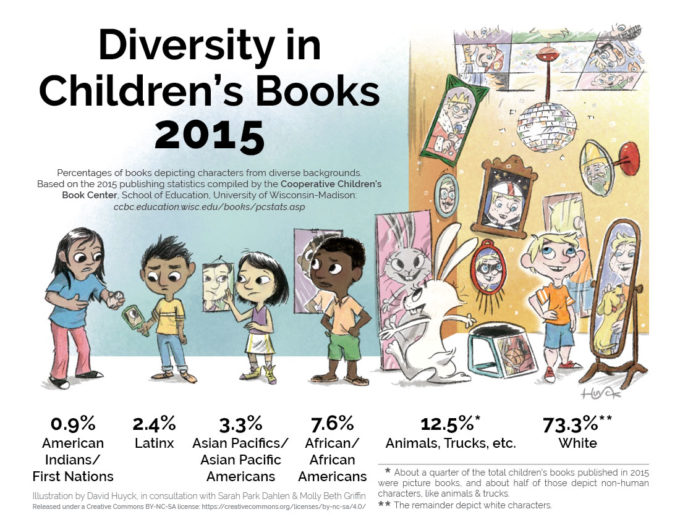
Studies consistently reveal a significant disparity in the representation of characters in children’s books. For instance, data from organizations like the Cooperative Children’s Book Center (CCBC) at the University of Wisconsin-Madison have for years tracked the demographics of characters and authors in children’s literature. Their findings have repeatedly shown that white characters overwhelmingly dominate the pages of children’s books. Similarly, male characters often outnumber female characters, even in instances where protagonists are animals or anthropomorphic figures, further perpetuating a gender imbalance.

This underrepresentation is not merely an academic concern; it has tangible effects on children’s development. When children consistently see characters who look like them, share similar life experiences, or reflect their family structures, it validates their existence and fosters a sense of belonging. Conversely, a lack of representation can lead to feelings of invisibility, alienation, and a narrowed perception of what is possible or normal. This is particularly impactful during formative years when children are developing their identities and understanding of social dynamics.

The implications extend beyond individual children. A diverse literary landscape equips all children with a broader understanding of the world’s rich tapestry of human experiences. It cultivates empathy, challenges stereotypes, and prepares them to navigate an increasingly diverse global society. Introducing children to characters from different backgrounds, abilities, and family structures from an early age can help dismantle prejudice and build a more inclusive future.
A Timeline of Awareness and Action
The recognition of the need for diversity in children’s literature has evolved over time, marked by key moments and ongoing advocacy.
- Mid-20th Century: Early calls for greater representation began to emerge, often in response to civil rights movements and feminist activism. However, concrete efforts to create and promote diverse books were limited.
- Late 20th Century: The establishment of organizations dedicated to children’s literature and literacy, coupled with increased academic research, brought the issue of representation to the forefront. Initiatives like the Coretta Scott King Award (established in 1970) began to specifically recognize African American authors and illustrators.
- Early 21st Century: A surge in research and advocacy, including widely cited studies on the demographics of children’s books, amplified the urgency. Publishers and authors started to address the gap, though progress was often incremental.
- Present Day: The conversation has intensified, with a greater demand from consumers and a more conscious effort from the publishing industry to produce books that reflect a wider range of identities and experiences. Social media has also played a significant role in amplifying voices and sharing recommendations for diverse literature.
Curated Selections: Illuminating Diverse Narratives
The following selection of books, beloved by children and parents alike, intentionally showcases characters and themes that celebrate diversity. These titles are not only valuable for their representational qualities but are also critically acclaimed for their storytelling, illustrations, and educational merit.
For Babies and Toddlers: Laying the Foundation of Inclusion
Early exposure to diverse characters is crucial for building a foundational understanding of the world. These board books and picture books offer gentle introductions to a variety of experiences and families.
- "Not Quite Narwhal" by Jessie Sima: This charming story introduces Kelp, a narwhal who feels different. The narrative beautifully explores themes of belonging and the unconditional love of family, subtly demonstrating that families can come in many forms.
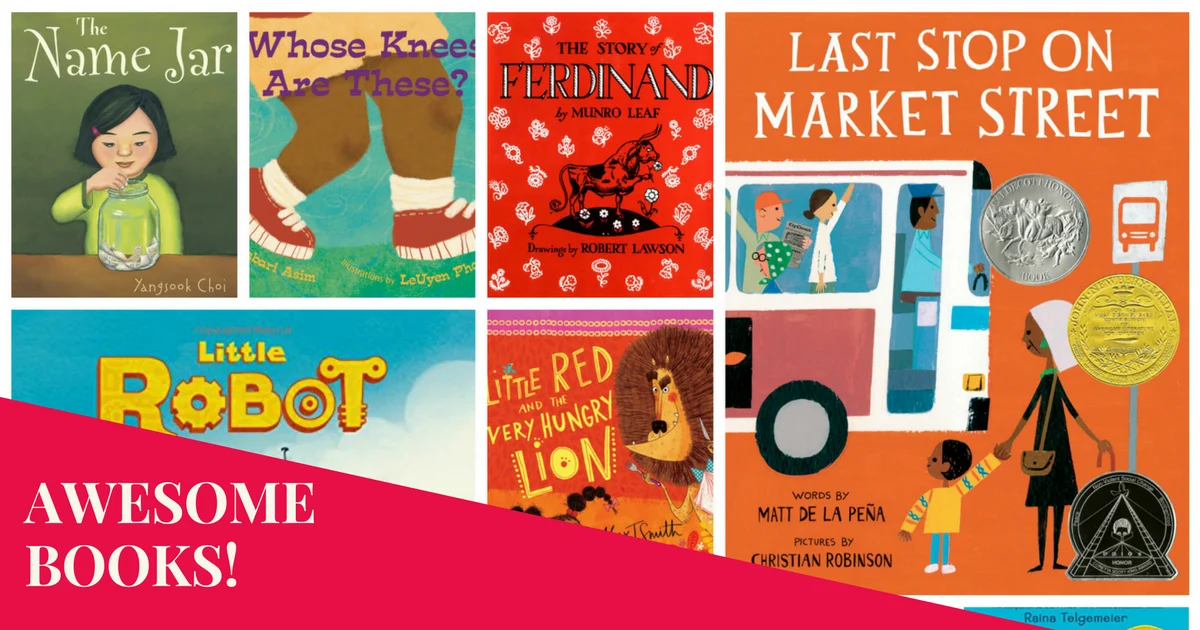
- "Whose Knees Are These?" by Jabari Asim, illustrated by LeUyen Pham: A simple yet engaging board book that uses playful rhymes to encourage young children to identify body parts. The illustrations subtly depict children of various ethnicities, normalizing a diverse range of appearances.
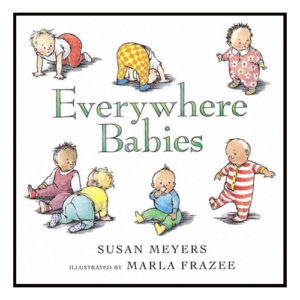
- "Everywhere Babies" by Susan Meyers, illustrated by Rafael López: This board book celebrates the universality of infancy with vibrant illustrations that feature babies of all races, abilities, and family structures. It highlights that babies, regardless of their background, share common experiences of growth and discovery.
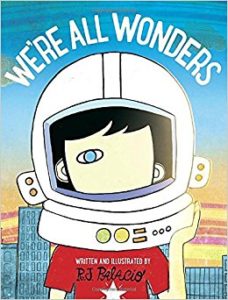
- "We’re All Wonders" by R.J. Palacio: A heartwarming adaptation of the acclaimed novel "Wonder," this picture book introduces Auggie Pullman, a child with facial differences. It promotes a message of kindness, acceptance, and the idea that everyone is unique and worthy.
For Preschoolers: Expanding Horizons and Fostering Empathy
As children enter preschool, their understanding of the world expands, and books can play a pivotal role in shaping their perceptions of others.
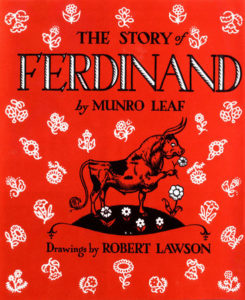
- "The Story of Ferdinand" by Munro Leaf, illustrated by Robert Lawson: A timeless classic, "The Story of Ferdinand" features a bull who prefers smelling flowers to bullfighting. Ferdinand’s gentle nature and rejection of traditional masculine expectations offer a subtle exploration of individuality and non-conformity.
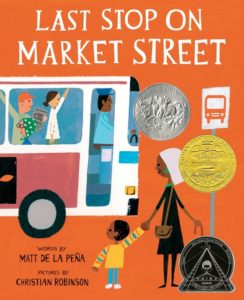
- "Last Stop on Market Street" by Matt de la Peña, illustrated by Christian Robinson: This Caldecott Medal winner follows CJ and his grandmother on their weekly bus ride through the city. The book beautifully depicts a loving intergenerational relationship and showcases a vibrant, diverse urban community, emphasizing the richness found in everyday life and shared experiences.
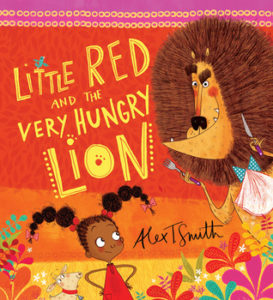
- "Little Red and the Very Hungry Lion" by Alexia T. Grace, illustrated by Lauren Stringer: A delightful twist on the classic "Little Red Riding Hood," this version is set in the African savanna and features a strong female protagonist. The vibrant illustrations and engaging story offer a fresh perspective on a familiar tale.
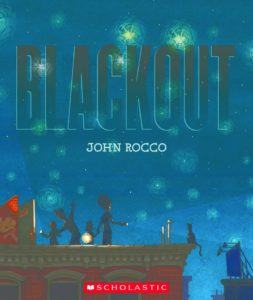
- "Blackout" by John Rocco: This Caldecott Honor book uses minimal text and stunning illustrations to tell the story of a family experiencing a city-wide power outage. It highlights the importance of community and connection when external distractions disappear, showing a family of color coming together.
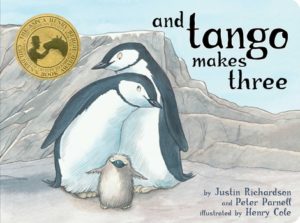
- "And Tango Makes Three" by Justin Richardson and Peter Parnell, illustrated by Henry Cole: Based on a true story, this book recounts the tale of two male penguins at the Central Park Zoo who form a pair and are given an egg to raise. It’s a simple and heartwarming introduction to same-sex relationships and diverse family structures.
- "The Name Jar" by Yangsook Choi, illustrated by Yan Nascimiento: Unhei, a young girl who has just moved from Korea, worries about her name being difficult for her new classmates to pronounce. The story beautifully explores themes of cultural identity, belonging, and the importance of embracing one’s heritage, featuring diverse classmates.
- "The Snowy Day" by Ezra Jack Keats: A beloved classic, this Caldecott Medal winner follows Peter, a young Black boy, as he experiences the joy of a snowy day in his neighborhood. It is celebrated for its simple yet profound portrayal of childhood wonder and its groundbreaking depiction of an African American protagonist.
- "Little Robot" by Ben Hatke: This wordless graphic novel tells the story of a small robot befriended by a kind girl. It’s a touching narrative about connection, friendship, and empathy, visually demonstrating the power of interspecies and inter-character bonds without relying on dialogue.
For Older Children: Navigating Complex Themes with Diverse Characters
As children grow, their literary tastes mature, and books can tackle more complex themes while continuing to feature diverse characters and perspectives.
- "Zita the Spacegirl" Series by Ben Hatke: This acclaimed graphic novel series features Zita, a brave and resourceful Earth girl who embarks on an interstellar adventure. The series is praised for its strong female protagonist, imaginative world-building, and relatable characters who grapple with challenges of loyalty, bravery, and friendship across diverse alien species.
- "Mighty Jack" Series by Ben Hatke: A creative retelling of "Jack and the Beanstalk," this graphic novel series prominently features Jack’s sister, Maddy, who has autism and is nonverbal. Their relationship is central to the plot, exploring themes of siblinghood, family dynamics, and overcoming challenges. The series also touches on divorce and mother-son relationships, offering a nuanced portrayal of family life.
- "El Deafo" by Cece Bell: This Newbery Honor-winning graphic novel memoir tells the story of the author’s childhood experience of losing her hearing. Cece creates a superhero persona, "El Deafo," to navigate her feelings of difference and find acceptance. The book offers an honest and humorous exploration of disability, identity, and resilience.
- "Sisters" by Raina Telgemeier: This highly popular graphic novel delves into the complex relationship between two sisters during a family road trip. Telgemeier’s work often features relatable characters and situations, and "Sisters" touches on sibling rivalry and the search for connection. Her other works, such as "Ghost" (featuring a protagonist with cystic fibrosis) and "Drama" (which includes a character questioning his sexuality), further exemplify her commitment to diverse storytelling.
Broader Impact and Implications: Cultivating an Inclusive Future
The intentional inclusion of diverse characters and narratives in children’s literature serves a multifaceted purpose. It moves beyond mere tokenism to foster genuine understanding and appreciation for the spectrum of human experience.
- Enhanced Self-Esteem and Belonging: For children who see themselves reflected in books, it provides validation and reinforces their sense of worth. This is particularly vital for children from marginalized communities who have historically been underrepresented.
- Development of Empathy and Critical Thinking: Exposure to diverse perspectives allows children to step into the shoes of others, fostering empathy and challenging preconceived notions. It encourages them to think critically about societal norms and biases.
- Preparation for a Diverse World: In an increasingly interconnected global society, children need to be equipped with the understanding and respect for different cultures, abilities, and identities. Diverse literature serves as an essential tool in this preparation.
- Challenging Stereotypes: By presenting nuanced and authentic portrayals of diverse characters, these books actively dismantle harmful stereotypes that can be perpetuated through limited or biased representations.
The growing body of diverse children’s literature represents a positive shift, but the journey towards comprehensive representation is ongoing. Continued advocacy, conscious curation by educators and librarians, and sustained commitment from publishers are essential to ensure that all children have access to stories that reflect the richness and complexity of the world around them. As parents and caregivers, the simple act of selecting and sharing these books can have a profound impact on shaping a more inclusive and understanding generation.
