

The landscape of children’s literature is undergoing a vital transformation, with a growing emphasis on reflecting the multifaceted nature of the world children inhabit. While many beloved books have long formed the bedrock of childhood reading, a significant and ongoing discussion centers on the underrepresentation of diverse characters and narratives. This issue is not merely about inclusivity for its own sake; it is fundamentally linked to fostering empathy, understanding, and a robust sense of self in young readers. Research consistently highlights a prevailing imbalance, where white, male characters disproportionately dominate the pages of children’s books. This imbalance can inadvertently send a message to children from underrepresented groups that their experiences and identities are less significant or visible. Conversely, exposing all children to a wide spectrum of backgrounds, abilities, and family structures cultivates a more informed and compassionate citizenry. This curated selection of books, spanning various age groups, aims to highlight titles that not only resonate with young readers but also actively champion diversity in race, gender, ability, and sexuality, offering a richer and more accurate reflection of society.
The Data Behind the Disparity: A Snapshot of Representation
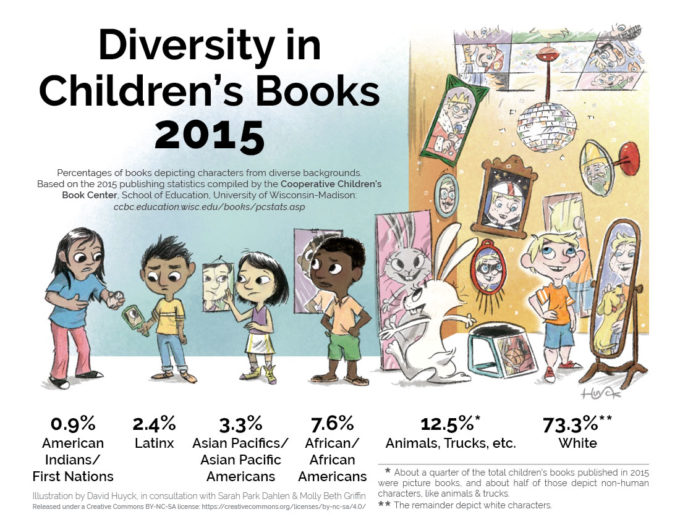
Numerous studies and reports have consistently documented the significant gap in diversity within children’s publishing. For instance, the Cooperative Children’s Book Center (CCBC) at the University of Wisconsin-Madison has been a leading voice in this conversation, publishing annual reports that reveal stark statistics. Their research has frequently shown that books featuring characters of color, or written by authors of color, represent a small fraction of the total books published. In 2015, for example, only 22% of children’s books featured characters of color, and even fewer were written by authors of color. Similar trends have been observed regarding gender representation, with male characters often outnumbering female characters, even in stories where gender is not a primary focus.
The implications of this data are profound. When children consistently encounter stories that mirror a narrow demographic, it can reinforce stereotypes and limit their understanding of the world. For children who do not see themselves reflected in these narratives, it can lead to feelings of invisibility or marginalization. Conversely, books that authentically portray a diverse range of characters can serve as powerful tools for building bridges of understanding and empathy. They can help children from all backgrounds develop a more nuanced and inclusive worldview. This is particularly crucial during the formative years, when children are actively constructing their understanding of themselves and their place in the world.
A Historical Perspective on Diversity in Publishing
The push for greater diversity in children’s literature is not a new phenomenon, but its momentum has significantly increased in recent decades. Historically, children’s books often reflected the dominant cultural norms and biases of their time. Early literature, particularly in Western societies, tended to center white, middle-class protagonists and narratives. While progress has been made, the industry has been slow to adapt to the evolving understanding of societal diversity.
The rise of independent publishing and advocacy groups has played a crucial role in challenging the status quo. Organizations like We Need Diverse Books, founded in 2014, have been instrumental in raising awareness and advocating for change within the publishing industry. Their mission to "create and sustain a world where all children can see themselves in the pages of a book" has inspired countless authors, illustrators, and readers. This growing awareness has led to a greater demand from consumers and educators for books that offer a more inclusive and representative selection of stories.

Curated Selections for Every Age Group
The following curated list offers a starting point for families and educators seeking to enrich their bookshelves with titles that embrace diversity. These books have been selected not only for their thematic relevance but also for their literary merit, engaging storytelling, and beautiful illustrations, ensuring they are enjoyable and impactful reads for children.
Books for Babies and Toddlers: Laying the Foundation for Understanding
For the youngest readers, board books and picture books offer crucial early introductions to the world. These selections focus on simple yet powerful themes of family, identity, and belonging, presented in accessible and engaging formats.

-
Not Quite Narwhal by Jessie Sima: This charming story introduces Kelp, a creature who feels different and sets out on a journey of self-discovery. While seemingly a tale about embracing uniqueness, it ultimately celebrates the all-encompassing nature of family love, demonstrating that differences can be celebrated and accepted. Its whimsical illustrations and heartwarming message make it a delightful read for little ones.
-
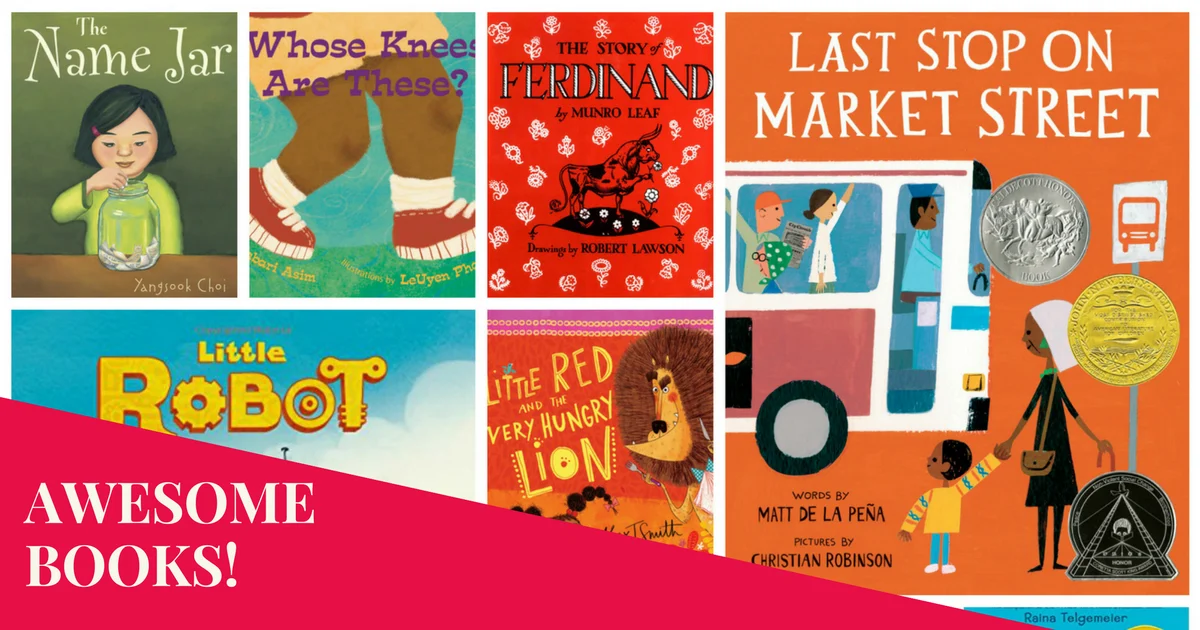
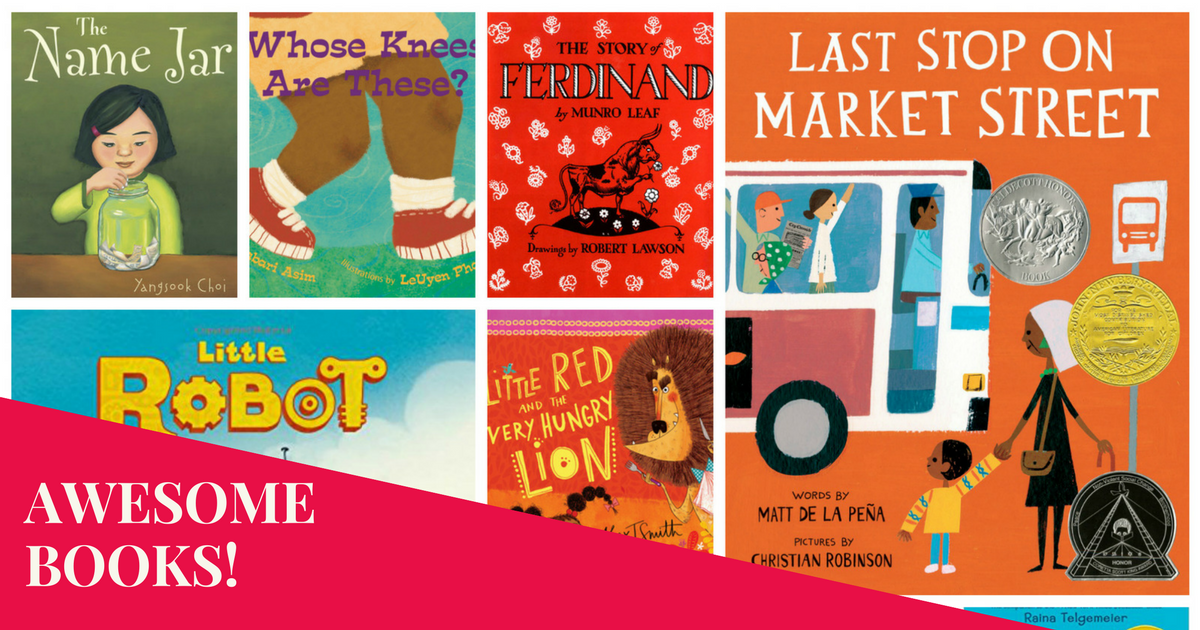
Whose Knees Are These? by Jill Murphy: A simple yet effective board book that uses playful rhymes to introduce body parts. The repetitive nature of the text and the engaging illustrations encourage interaction and learning. The book’s implicit inclusivity lies in its depiction of various children, subtly showcasing a range of appearances and backgrounds, reinforcing that all children have unique and wonderful bodies.
-
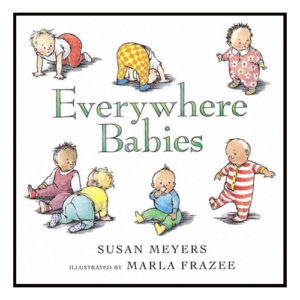
Everywhere Babies by Susan Meyers, illustrated by Caldecott Honor recipient Rafael López: This board book is a celebration of the diverse world of babies. Through vibrant illustrations, it depicts babies of all races, abilities, and family structures engaging in everyday activities. The accompanying text is simple and lyrical, making it perfect for engaging even the youngest toddlers. The book’s strength lies in its visual representation of a diverse community, normalizing a wide spectrum of humanity from the earliest age.
-
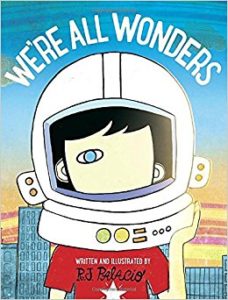
We’re All Wonders by R.J. Palacio: Adapted from the acclaimed chapter book Wonder, this picture book brings the story of Auggie Pullman to a younger audience. Auggie, who looks different from his peers, navigates the challenges of public school. The book’s central message, "We’re all wonders," is a powerful affirmation of individuality and acceptance, teaching children that true beauty lies within and that everyone deserves kindness and understanding, regardless of their appearance.
Books for Preschoolers: Exploring Themes of Identity and Belonging
As children enter preschool, their understanding of the world expands, and they begin to grapple with more complex social dynamics. These books offer opportunities to explore themes of individuality, community, and acceptance.
-
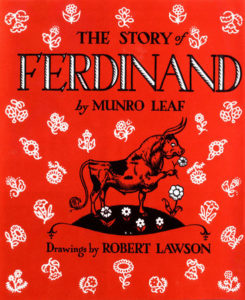
The Story of Ferdinand by Munro Leaf, illustrated by Robert Lawson: A timeless classic, The Story of Ferdinand tells the tale of a bull who prefers smelling flowers to fighting. Ferdinand’s gentle nature and refusal to conform to societal expectations make him an enduring symbol of individuality and quiet strength. The book’s enduring appeal lies in its simple yet profound message about being true to oneself, even when it diverges from the norm.
-
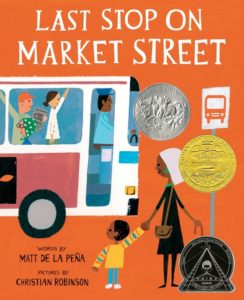
Last Stop on Market Street by Matt de la Peña, illustrated by Christian Robinson: This Caldecott Medal winner follows CJ and his grandmother on their weekly bus ride. Through their journey, the book beautifully explores themes of community, gratitude, and finding beauty in everyday life. The diverse characters encountered on the bus and the vibrant, urban setting depicted by Christian Robinson’s art offer a rich tapestry of human experience, celebrating the joy and richness found in varied communities.
-
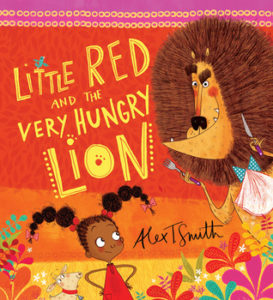
Little Red and the Very Hungry Lion by Alex Smith: A delightful and vibrant reimagining of the classic fairy tale, set in the African jungle. This version features a brave Little Red, a mischievous lion, and a resourceful Grandma. The story’s humor, colorful illustrations, and empowered female protagonist offer a fresh perspective on a familiar narrative, while its setting introduces children to a different cultural context.
-
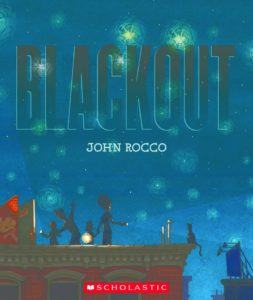
Blackout by John Rocco: This Caldecott Honor book uses minimal text and powerful illustrations to tell the story of a family reconnecting during a city-wide power outage. The blackout forces the family to put down their devices and engage with each other and their community. The book subtly portrays a diverse urban environment and highlights the importance of human connection and shared experience, demonstrating how challenges can bring people together.
-
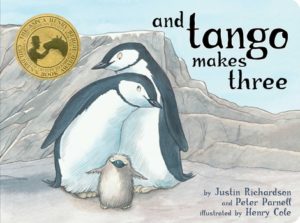
And Tango Makes Three by Justin Richardson and Peter Parnell, illustrated by Henry Cole: Based on a true story, this heartwarming book tells the tale of two male penguins at the Central Park Zoo who form a pair and are given an egg to raise. It is a pioneering book that gently introduces the concept of same-sex couples and families to young children, normalizing diverse family structures and celebrating love in all its forms.
-
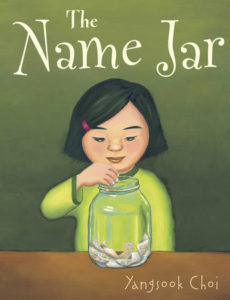
The Name Jar by Yangsook Choi: Unhei, a young Korean girl who has just moved to the United States, worries about her new classmates being able to pronounce her name. The story explores the challenges of adapting to a new culture and the importance of embracing one’s heritage. When her classmates create a "name jar" with suggestions for an American name, Unhei’s journey to embrace her identity becomes a powerful lesson in self-acceptance and cultural pride.
-
The Snowy Day by Ezra Jack Keats: A beloved classic that has resonated with generations of readers, The Snowy Day captures the pure joy of a young boy, Peter, experiencing a snow day in his urban neighborhood. Peter, a Black child, is depicted in a simple yet profound way, celebrating the universal experience of childhood wonder. The book’s Caldecott Medal win is a testament to its artistic brilliance and its groundbreaking representation of a Black protagonist in a mainstream children’s book.
-
Little Robot by Ben Hatke: This wordless picture book tells the touching story of a lonely robot who is befriended by a kind and curious girl. The narrative unfolds through exquisite illustrations, allowing readers to interpret the emotions and interactions between the characters. The book celebrates the power of friendship, empathy, and the unique bond that can form between different beings, transcending language and background.
Books for Older Children: Navigating Complex Themes and Identities
As children grow, their reading interests mature, and they can engage with more complex narratives that explore nuanced themes of identity, social justice, and personal growth. These selections offer compelling stories that feature diverse protagonists and tackle important issues.
-
Zita the Spacegirl (and its sequels) by Ben Hatke: The Zita series follows the adventures of a brave and resourceful Earth girl who is accidentally transported to an alien planet. Zita’s loyalty, courage, and ability to forge friendships with a variety of characters, including a giant sentient mouse, make her an inspiring protagonist. These graphic novels are praised for their fast-paced plots, relatable characters, and the underlying themes of resilience and friendship across diverse species and cultures.
-
Mighty Jack (and its sequels) by Ben Hatke: This series offers a creative retelling of "Jack and the Beanstalk," but with a significant twist. Jack’s sister, Maddy, who has autism and is nonverbal, plays a central role in the narrative. Their sibling relationship is a core element of the story, highlighting themes of family dynamics, acceptance, and understanding. The books also touch upon divorced households and the complexities of mother-son relationships, offering a rich and layered reading experience.
-
El Deafo by Cece Bell: A Newbery Honor-winning graphic novel memoir, El Deafo tells the story of Cece, a young girl who loses her hearing and wears a bulky hearing aid. She copes with feeling different by imagining herself as a superhero named El Deafo. The book humorously and honestly explores themes of disability, social isolation, and the search for belonging. It is a powerful testament to finding strength in one’s differences and embracing one’s unique identity.
-
Sisters by Raina Telgemeier: This popular graphic novel explores the intricate relationship between two sisters as they embark on a road trip. Telgemeier’s work is renowned for its relatable portrayal of sibling dynamics, friendship, and the ups and downs of childhood. While Sisters focuses on the complexities of familial bonds, other works by Telgemeier, such as Ghost (featuring a protagonist with cystic fibrosis) and Drama (which touches upon unrequited crushes and a middle school boy questioning his sexuality), further demonstrate her commitment to exploring diverse characters and experiences with humor and authenticity.

The Enduring Impact of Diverse Narratives
The inclusion of diverse characters and stories in children’s literature is not a trend; it is a fundamental necessity for fostering a more equitable and understanding society. When children see themselves reflected in the books they read, it validates their experiences and affirms their identities. For all children, exposure to diverse narratives cultivates empathy, broadens their perspectives, and prepares them to navigate a world rich with difference.
The books highlighted in this selection represent a fraction of the growing number of titles that champion inclusivity. The ongoing dialogue and the increasing demand for such books signal a positive shift within the publishing industry and among readers. As parents, educators, and community members, continuing to seek out and share these stories is a powerful way to ensure that every child has the opportunity to see themselves as the hero of their own narrative, and to understand and appreciate the vast and beautiful tapestry of humanity. The journey towards truly representative literature is ongoing, and each book added to a child’s bookshelf that embraces diversity is a step in the right direction.
