

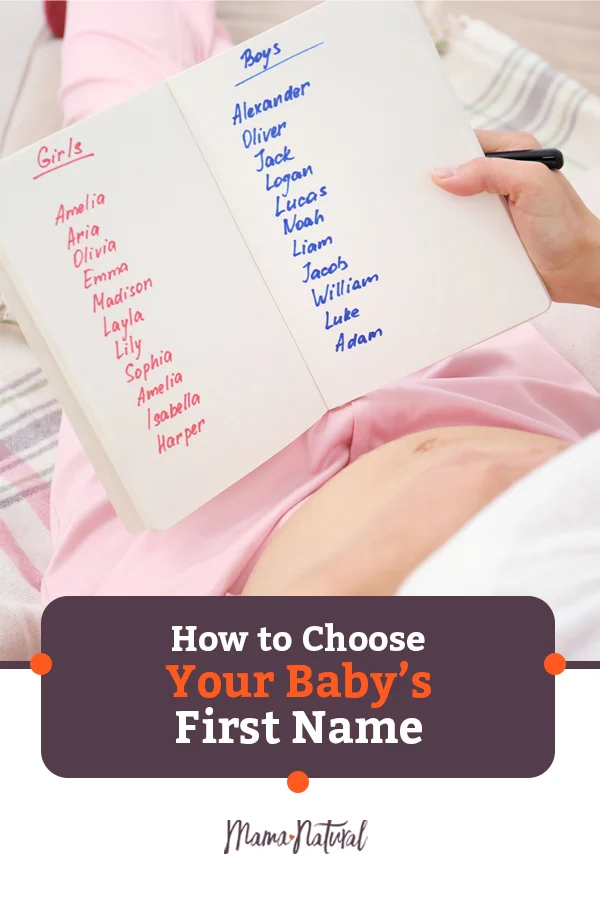
The process of selecting a first name for a child has evolved from a simple ancestral tradition into a complex psychological and social undertaking that carries significant long-term implications for a child’s identity and social trajectory. Experts in child development and linguistics increasingly view the naming process as the "first gift" a parent bestows upon their child, serving as a permanent marker of cultural heritage, personal values, and familial aspirations. As the landscape of nomenclature shifts toward greater individuality and global influence, parents are seeking structured methodologies to navigate the thousands of available options. To address the inherent stress associated with this milestone, modern digital resources, such as the Mama Natural baby name finder, have emerged to provide data-driven insights and curated lists to assist parents in making an informed decision.
The Historical Evolution of Naming Trends
Historically, the naming of children was largely dictated by religious requirements, familial honorifics, or monarchical influence. In the late 19th and early 20th centuries, naming patterns in the United States and Europe were remarkably homogenous. According to data from the Social Security Administration (SSA), a small handful of names—such as John, Mary, James, and Elizabeth—accounted for a significant percentage of the total population. This reflected a societal emphasis on conformity and the preservation of lineage.
However, a chronological shift began in the mid-20th century, accelerating rapidly into the 21st. The rise of the "individualist" naming era has seen a drastic reduction in the dominance of top-tier names. While names like Liam and Olivia currently lead the charts, they represent a much smaller fraction of the total baby population than the top names of the 1920s. This shift indicates a broader cultural move toward uniqueness, where parents prioritize "standing out" over "fitting in." This evolution has introduced new challenges, including the risk of over-saturation of "unique" names and the potential for linguistic confusion.
Strategic Frameworks for Selection: Establishing Needs and Wants
Professional consultants in the field of nomenclature suggest that the most effective way to begin the selection process is by establishing a foundational set of criteria. This preliminary phase involves a candid discussion between partners to align on expectations and non-negotiables. Key considerations often include the desired level of popularity, cultural or religious significance, and the length of the name.
The establishment of these "naming pillars" serves as a filter, preventing the "paradox of choice"—a psychological phenomenon where an abundance of options leads to increased anxiety and indecision. By deciding early on whether they prefer a "timeless classic" or a "modern innovation," parents can significantly narrow the scope of their search. This phase is critical for fostering compromise, as it allows both parties to voice their preferences before emotional attachments to specific names are formed.
Utilizing Digital Resources and Global Inspiration
In the digital age, the search for the perfect name has moved beyond traditional baby books to sophisticated online databases. These tools allow parents to sort names by origin, meaning, popularity trends, and even the number of syllables. For those seeking specific themes, curated lists offer targeted inspiration, ranging from biblical boy names to unique girl names of Polynesian or Scandinavian origin.
Linguistic experts note that the "sound" of a name—known as phonaesthetics—is often as important as its meaning. For example, the popularity of "liquid" consonants (L, M, N, R) has led to the rise of names like Leilani and Arina. Conversely, "plosive" sounds (P, B, T, D, K, G) are often associated with strength and vigor. The "Surprise Me" features found on many naming platforms introduce an element of randomness that can break through cognitive biases, presenting parents with options they might have otherwise overlooked due to cultural or regional silos.
Analytical Deep Dives: The Importance of Etymology and Meaning
A name’s meaning often serves as a primary motivator for parents, providing a narrative thread that connects the child to a specific virtue or historical legacy. For instance, a parent desiring a name that denotes resilience might look beyond the obvious to find names like Ethan, which signifies "enduring and strong." Similarly, the rise of "nature names" reflects a growing societal interest in environmentalism and tranquility, with names like Lily or Willow seeing sustained popularity.

Beyond personal preference, the meaning of a name can have subtle psychological effects. Studies in the field of "implicit egotism" suggest that individuals are often subconsciously drawn to people, places, and career paths that resemble their own names. Therefore, choosing a name with a positive or empowering meaning is often viewed as a way to subconsciously bolster a child’s self-esteem and identity from birth.
Phonetic Compatibility and the Surname Integration Test
A critical yet frequently overlooked aspect of naming is the interaction between the first name and the surname. Journalistic analysis of naming trends suggests that parents are increasingly aware of the "flow" of the full name. Experts recommend several "stress tests" to ensure the name is practical for daily use:
- The Initials Audit: Ensuring that the initials of the first, middle, and last names do not inadvertently form an embarrassing or inappropriate acronym.
- The "Shout Test": Determining how the name sounds when spoken loudly in a public setting, such as a playground or park. This tests the name’s clarity and ease of pronunciation.
- The Professional Trajectory Test: Visualizing the name on a business card, a graduation diploma, or a political ballot. This helps parents assess whether the name will age appropriately with the child into adulthood.
- The "Barista Test": Giving the name at a coffee shop to see how easily strangers can hear and spell it. While not a deal-breaker, it provides a realistic preview of the child’s future daily interactions.
Conflict Resolution and the Psychology of Compromise
Naming a child is rarely a frictionless process. When partners find themselves at an impasse—such as one preferring a traditional name like Isabella while the other favors a more modern or unconventional choice like Chevelle—conflict resolution strategies become essential.
Professional mediators suggest that the "middle name compromise" remains the most effective solution, allowing one partner’s preferred choice to be honored without it being the primary identifier. Other couples utilize a "veto system," where each parent has a set number of names they can strike from the list, no questions asked. In cases of extreme deadlock, some parents turn to "brackets"—a tournament-style elimination process that forces them to choose between two names until only one remains. This structured approach removes some of the emotional heat from the discussion and focuses on comparative preference.
Societal Implications and Identity Construction
The naming of a child is not merely a private family matter; it is a public act with social consequences. Sociological research has shown that names can influence teacher expectations in school, impact the likelihood of a resume being selected for an interview, and even affect social perceptions of "warmth" or "competence."
While the trend toward unique naming allows for greater self-expression, it also places a burden on the child to constantly spell or correct their name. Conversely, extremely popular names may lead to a loss of individuality in a classroom setting. Journalistic analysis suggests that the "sweet spot" for many modern parents is a name that is "recognizable but not common"—a name that everyone knows how to pronounce but isn’t shared by five other children in the same peer group.
Strategic Communication: The Disclosure Debate
Once a name is chosen, parents face the final challenge: whether to reveal the name before the birth or wait until the child arrives. In the era of social media, "name reveals" have become a significant digital event. However, many parents are opting for privacy to avoid unsolicited opinions or "name theft" within their social circles.
The decision to remain private is often a defensive strategy against the "criticism of the uninvested." Family members and friends may feel emboldened to critique a name during pregnancy, but they are far less likely to do so once the name is officially attached to a newborn. Maintaining the name as a "secret" until birth allows the parents to bond with the choice without external interference, ensuring that the first gift given to the child is one of pure intention.
Conclusion: The Long-Term Impact of a Well-Chosen Name
Selecting a first name is a multifaceted task that requires a balance of intuition, research, and strategic planning. By utilizing modern tools, understanding historical trends, and applying rigorous phonetic tests, parents can navigate the pressure of the naming process with greater confidence. Whether a name is chosen for its vintage charm, its global roots, or its powerful meaning, the ultimate goal remains the same: to provide a child with a linguistic foundation that will serve them throughout their life. As naming conventions continue to evolve, the emphasis on thoughtful, data-backed selection remains the hallmark of responsible modern parenting.
