

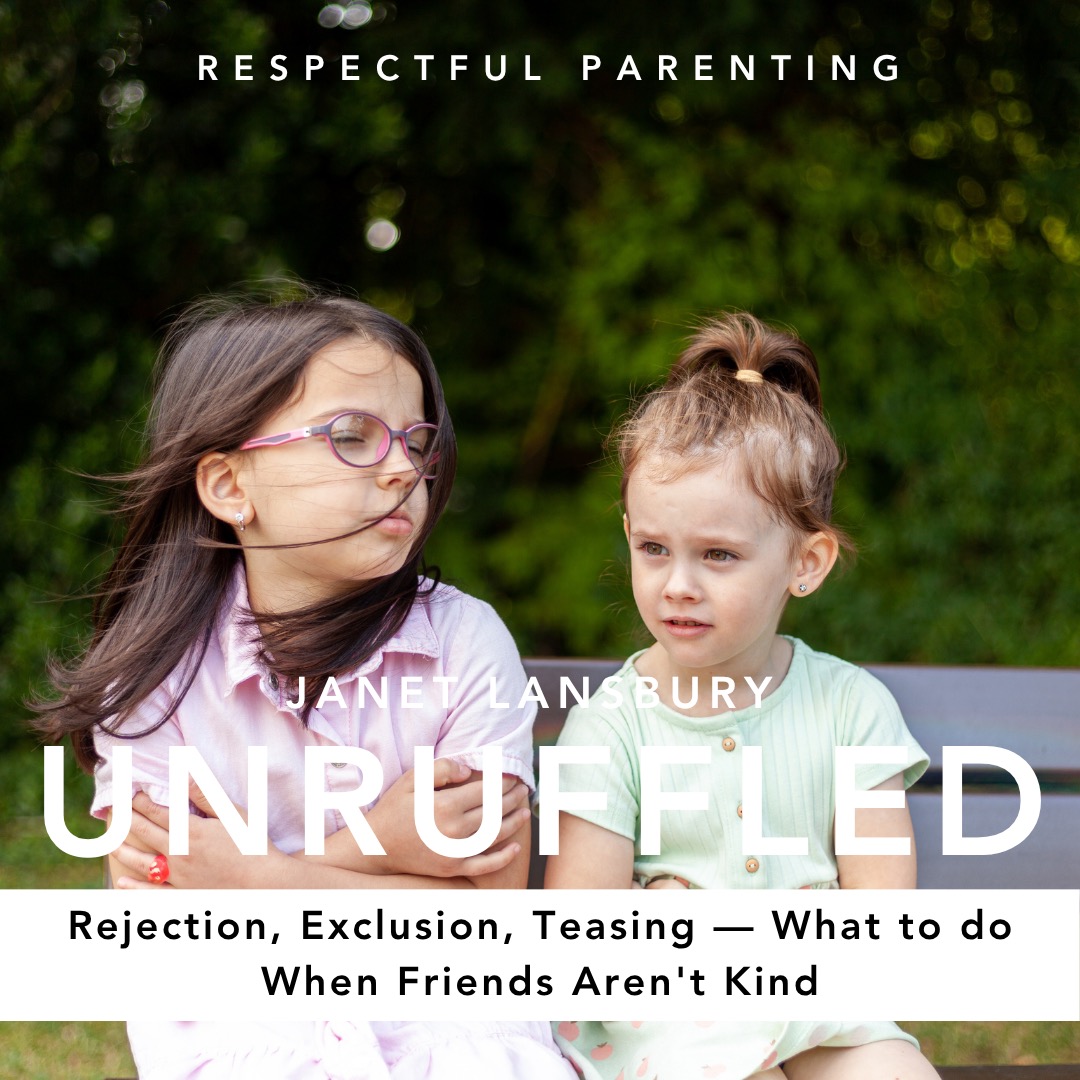
The landscape of childhood friendships can often be a complex terrain, marked by moments of profound joy and connection, but also, at times, by the sting of unkindness. For parents, witnessing their child experience rejection, exclusion, or teasing from peers can be deeply distressing. This article delves into strategies for supporting children navigating these challenging social dynamics, drawing insights from expert advice and real-world parental concerns. The core philosophy emphasizes empowering children by helping them understand and manage the power dynamics inherent in social interactions, rather than intervening in ways that might undermine their developing social competencies.
Understanding the Nuances of Childhood Social Conflicts
The prevalence of relational aggression among young children, particularly around the age of five, is a well-documented phenomenon. Research indicates that this form of aggression, which includes exclusion, manipulation, and rumor-spreading, is common as children develop their social skills and attempt to establish their place within peer groups. However, the presence of concerned adults, a constant in modern parenting, introduces a new dynamic compared to earlier generations where such interactions often unfolded without direct adult oversight. This shift raises questions about the appropriate level of parental intervention, the potential for children to develop resilience independently, and the most effective ways for parents to offer support without inadvertently amplifying the conflict.
A recurring theme in parental inquiries highlights specific scenarios involving young daughters experiencing exclusion and emotional manipulation. These situations often manifest as conditional friendships, where a peer might threaten to withdraw their friendship if demands are not met, or engage in passive-aggressive behaviors like ignoring or withdrawing affection. The emotional toll on the child is significant, frequently leading to tears and distress after playdates, prompting parents to seek guidance on how to foster healthier interactions and equip their children with the tools to navigate these social challenges.
The Principle of Empowered Agency: "People Only Have Power Over Us When We Give It to Them"
At the heart of effective support for children facing social difficulties lies a fundamental principle: people only have power over us when we give it to them. This concept, while seemingly simple, offers a profound framework for understanding and responding to peer-related conflicts. It suggests that children, like adults, have the agency to choose how much influence others’ actions and words have on them.
This principle is particularly relevant in today’s world, where social media and constant comparison can exacerbate feelings of inadequacy and the "fear of missing out" (FOMO) among young people. By internalizing this idea, children can begin to recognize that the power to control their emotional responses and the value they place on others’ opinions rests with them. This is not to dismiss the validity of their feelings when they are hurt or excluded, but rather to reframe the situation as an opportunity for them to exercise their own internal power and resilience.
The application of this principle requires parents to model this behavior and to guide their children in understanding that external validation is not the sole determinant of their worth. When children witness their parents calmly handling minor social slights or constructive criticism without overreacting, they learn a powerful lesson in emotional regulation and self-possession. This approach encourages a subtle but significant shift in focus from trying to control other children’s behavior to empowering their own child’s response to it.
Navigating Exclusion and Relational Aggression: Case Studies and Expert Analysis
Several real-world scenarios illustrate the challenges parents face and offer insights into applying the principle of empowered agency.
Case Study 1: The Conditional Friendship and Withheld Affection
A parent described a situation where her five-year-old daughter’s friend would issue ultimatums, such as "If you don’t do X, I won’t be your friend anymore," or abruptly withdraw interaction, refuse goodbyes, and withhold hugs. The parent noted that the other child seemed to "feel the power in withholding." The parent’s instinct to coordinate with the other mother to ensure children respond even when saying "no" reflects a desire for more direct conflict resolution.
Expert Analysis: Janet Lansbury advises caution against over-involvement, emphasizing that attempts to mediate or impose resolutions can inadvertently grant more power to the child’s unkind behavior. Instead, she suggests validating the child’s feelings ("Yes, I saw that. That hurt your feelings.") while refraining from projecting adult anxieties or dictating how the children should interact. The focus should be on supporting the child’s emotional processing and allowing them to determine their own next steps, including whether they wish to continue the friendship. The parent’s observation that she and her cousins navigated similar dynamics without adult intervention underscores the potential for children to develop resilience organically.
Case Study 2: Neighborhood Exclusion and Social Dynamics
Another parent shared concerns about her nearly six-year-old daughter being excluded by two sisters in their new neighborhood. These sisters were actively discouraging other children from playing with her daughter and even directing their younger siblings to shun her. The parent struggled with the extent of intervention, seeking to support her daughter without "rescuing" her, and also grappling with how to interact with the children exhibiting bullying behavior while maintaining neighborly relations.
Expert Analysis: This case highlights the parent’s sensitive approach, acknowledging the need for her daughter to manage situations independently while feeling supported. Lansbury commends the parent’s understanding that children often sense when adult intervention isn’t helpful. The expert advises trusting the daughter to navigate these situations with parental support at home. Instead of direct confrontation with the "bully" children, the focus should be on nurturing positive friendships with children who are kind. The parent is encouraged to reinforce to her daughter that the exclusionary behavior reflects the other children’s insecurity, not her own shortcomings. The strategy of inviting supportive friends over, rather than attempting to force reconciliation with the exclusionary children, is recommended.
Case Study 3: The Inherited Fear of Being "Too Nice"
A parent expressed deep concern that her five-year-old daughter, who is naturally kind and empathetic, might be vulnerable to the same experiences of being "walked all over" that she herself endured in childhood. She noted instances of her daughter accepting exclusion and becoming sad, and worried about this translating into vulnerability in kindergarten. She confessed a desire to teach her daughter to be "mean back" or "stand her ground," though she recognized these are not appropriate lessons for a five-year-old.
Expert Analysis: This situation touches upon the powerful influence of parental past experiences. Lansbury emphasizes that a child’s kindness and empathy are strengths, not weaknesses, and that true power lies in compassion, not cruelty. She suggests that the parent’s fear, while understandable, may be projecting her own past vulnerabilities onto her daughter. The key is to help the child understand that kindness does not equate to being a pushover. This involves fostering self-esteem and a strong sense of self-worth, empowering the child to choose who they give their social power to. The advice focuses on nurturing existing positive friendships and trusting the child’s innate ability to navigate social dynamics, with parental support available as needed.
Case Study 4: Bickering and Sibling-like Conflict
In the final case, a parent of a five-year-old only child found herself frequently admonishing her daughter during playdates with her best friend, noting that their interactions often resembled sibling bickering. The parent admitted to being triggered by this behavior and feeling uncomfortable, particularly when her daughter would say things like, "You’re shy" or "I’m better at X than you," which elicited tears from the friend and parental intervention.
Expert Analysis: This scenario flips the perspective, with the parent concerned about her own child’s unkind remarks. Lansbury highlights the parent’s self-awareness, recognizing that her own discomfort and lack of experience with sibling-like conflict might be influencing her reactions. The expert points out that the bickering, while potentially annoying, is a common dynamic when children are very comfortable with each other. The focus for the parent should be on supporting both children through their interactions, rather than immediately scolding her own child. Reflecting back the other child’s feelings ("Oh, you didn’t like that, huh? That doesn’t feel good.") and asking if they communicated that to their friend ("Did you tell her?") allows the children to process their emotions and communication. The overarching message is to reduce the parent’s own emotional investment in the conflict and to trust the children to navigate their relationships with supportive, but not overbearing, parental presence.
Broader Implications and Long-Term Impact
The consistent thread across these diverse scenarios is the crucial role of parental perspective and response. By adopting a stance of trust in their children’s innate capabilities and focusing on empowering them with the understanding of their own agency, parents can equip them with invaluable life skills. This approach fosters resilience, self-awareness, and the ability to form healthy, reciprocal relationships.
The long-term implications of this philosophy are significant. Children who learn to manage social conflicts by understanding power dynamics are better positioned to resist peer pressure, build authentic connections, and develop a strong sense of self-worth that is not contingent on external validation. As children transition into more complex social environments like school, the ability to discern who deserves their trust and energy, and to disengage from those who do not, becomes paramount.
Ultimately, the goal is not to shield children from all social discomfort, but to guide them through it, enabling them to emerge with a stronger understanding of themselves and their place in the world. This requires parents to manage their own anxieties and fears, and to trust that their children, with consistent, supportive guidance, possess the inherent strength to navigate the often-turbulent waters of friendship. The expert consensus points to a strategy of subtle guidance, validation of feelings, and a steadfast belief in the child’s capacity for resilience, rather than direct intervention or problem-solving on their behalf. This empowers children to become the architects of their own social well-being.