


Facing an unplanned pregnancy can be an overwhelming experience, often accompanied by a complex array of emotions, questions, and uncertainties. In these pivotal moments, access to compassionate, non-judgmental, and evidence-based support is paramount. Organizations like the American Pregnancy Association (APA) stand as vital resources, offering confidential guidance through a toll-free helpline and online chat services, ensuring individuals are never alone in their decision-making process. These services are designed to provide comprehensive information on all available options – including abortion, parenting, and adoption – alongside practical advice on related challenges such as financial aid, medical services, and family communication.

The Landscape of Unplanned Pregnancy in the United States
Unplanned pregnancies represent a significant public health issue in the United States, with a substantial portion of all pregnancies falling into this category. According to data from the Guttmacher Institute, approximately 45% of all pregnancies in the U.S. were unintended in 2011, a figure that has seen some decline in recent years but remains high. These statistics underscore the widespread need for accessible support systems. An unintended pregnancy can arise from various circumstances, including inconsistent or ineffective contraception use, sexual assault, or even despite diligent contraceptive efforts, highlighting the unpredictable nature of human fertility.

The demographic profile of individuals experiencing unplanned pregnancies is diverse, spanning all age groups, socioeconomic backgrounds, and racial/ethnic categories. However, certain groups, such as adolescents, young adults, individuals with lower incomes, and those belonging to marginalized communities, tend to experience higher rates. The implications of an unplanned pregnancy extend far beyond the individual, impacting families, communities, and public health systems. Decisions made during this period can have lifelong consequences for the pregnant individual, any potential child, and their broader support network. The emotional toll can be immense, often involving feelings of shock, confusion, anxiety, fear, and sometimes even anger or despair. It is within this intricate and sensitive context that the provision of objective, empathetic support becomes critically important.
The Critical Need for Unbiased Information and Support

When confronted with an unplanned pregnancy, individuals are often in a vulnerable state, making them susceptible to misinformation or undue pressure from various sources. The imperative for unbiased information and a non-judgmental environment cannot be overstated. Organizations committed to ethical support prioritize the individual’s autonomy, empowering them to make decisions that align with their values, circumstances, and future aspirations. This approach recognizes that there is no single "right" choice, and what is best for one person may not be suitable for another.
The American Pregnancy Association, for example, emphasizes this principle by offering a safe space where individuals can explore their feelings and options without fear of condemnation or guilt. Their registered nurses and pregnancy educators are equipped with extensive knowledge not only about the medical and procedural aspects of various options but also the potential physical and emotional side effects. This holistic understanding allows them to offer tailored guidance, addressing specific concerns and providing factual clarity in a situation often clouded by emotion and societal pressures. The confidentiality of these conversations is a cornerstone of such support, fostering trust and encouraging open dialogue, which is crucial for processing such a significant life event.

Exploring All Available Options: A Detailed Look
For individuals facing an unplanned pregnancy, three primary pathways are generally considered: abortion, parenting, and adoption. Each option carries its own set of considerations, challenges, and potential outcomes, making informed decision-making essential.

-
Abortion: For some, terminating the pregnancy is the chosen path. Abortion procedures vary depending on the gestational age of the pregnancy. Medical abortions, typically involving medication, are generally available early in pregnancy, while surgical abortions are performed later. Understanding the medical process, potential risks, and recovery is a critical component of informed consent. Beyond the physical aspects, the emotional and psychological impact of abortion can be significant and varied. Some individuals experience relief, while others may grapple with feelings of grief, guilt, or regret, either immediately or much later. Comprehensive support services provide factual details on procedures and offer resources for emotional processing and mental health support, irrespective of the decision made. It is estimated that a significant percentage of women who have abortions report feeling confident in their decision, while a smaller but notable percentage may experience negative emotions.
-
Parenting: Deciding to carry the pregnancy to term and raise the child is another deeply personal choice. This option often involves substantial life adjustments, including financial planning, securing housing, managing educational or career goals, and building a robust support network. For many, the joy and fulfillment of parenthood are profound, but the journey can be challenging, particularly for those who are young, single, or facing financial instability. Support services provide resources aimed at easing this transition, offering information on prenatal care, childbirth education, newborn care, and connecting individuals with community programs for new parents. This includes guidance on navigating social services, accessing childcare, and understanding child development. The long-term implications of parenting are unique and require sustained commitment and support.

-
Adoption: For individuals who wish to carry their pregnancy to term but are not prepared or able to parent, adoption offers a loving alternative. Adoption allows parents to choose a family for their child, providing an opportunity for the child to grow up in a stable and nurturing environment. There are various types of adoption, including open adoption (where birth parents and adoptive parents have ongoing contact), semi-open adoption (mediated contact), and closed adoption (no direct contact). Each type offers different levels of involvement and communication. The adoption process can be emotionally complex for birth parents, involving grief over separation mixed with the satisfaction of providing for their child’s future. Support organizations help individuals understand the legal aspects of adoption, connect with reputable adoption agencies, and provide counseling to navigate the emotional landscape of placing a child for adoption. This choice is often seen as an act of profound love and selflessness.
Addressing Practicalities and Overcoming Hurdles
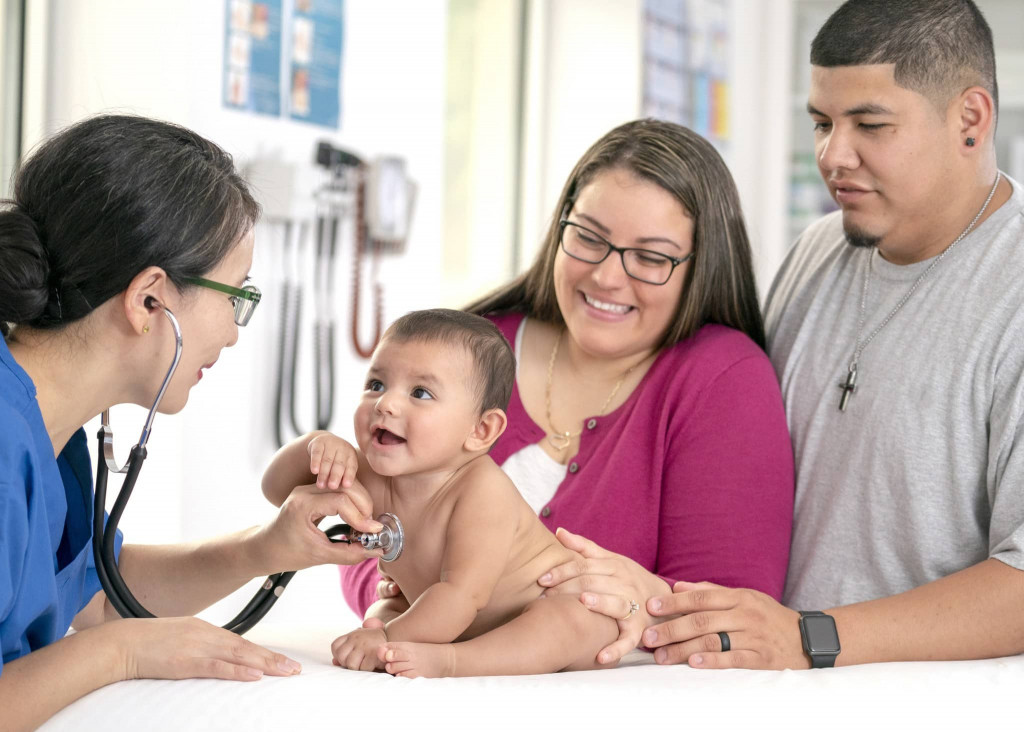
Beyond the core decision of abortion, parenting, or adoption, individuals facing an unplanned pregnancy often encounter a myriad of practical concerns that require immediate attention and reliable solutions.
-
Financial Assistance: Financial stability is a primary concern for many pregnant individuals, especially those with limited resources. Comprehensive support helplines can guide individuals toward various federal and state programs designed to alleviate financial burdens. These include the Women, Infants, and Children (WIC) program, which provides supplemental foods, healthcare referrals, and nutrition education for low-income pregnant, breastfeeding, and postpartum women, and to infants and children up to age five. Medicaid, a joint federal and state program, offers health coverage to eligible low-income adults, children, pregnant women, elderly adults, and people with disabilities, covering essential prenatal care, delivery, and postpartum services. Additionally, there are numerous local charities, non-profit organizations, and faith-based initiatives that offer financial aid, housing assistance, and material support (like diapers, formula, and clothing) to pregnant women and new mothers. Information regarding eligibility criteria and application processes for these programs is crucial for ensuring access to necessary support.

-
Medical Services: Access to quality medical care throughout pregnancy is vital for the health of both the pregnant individual and the developing fetus. For those opting to continue their pregnancy, regular prenatal care is essential for monitoring health, addressing potential complications, and preparing for childbirth. Support services can help individuals locate affordable or free clinics, navigate health insurance options, and understand their rights regarding medical care. They can also provide information on birthing options, postpartum care, and neonatal health. For those considering abortion, clear guidance on accessing safe and legal medical services is equally important.
-
Family Communication: Discussing an unplanned pregnancy with family members can be one of the most daunting challenges. Fear of judgment, disappointment, or conflict can lead to isolation and stress. Support organizations offer strategies and advice on how to approach these sensitive conversations. This might include suggestions for choosing the right time and place, anticipating reactions, and communicating personal needs and decisions effectively. They can also help mediate family discussions or provide resources for family counseling if needed. The goal is to foster understanding and support within the family unit, reducing feelings of alienation.

The American Pregnancy Association’s Commitment to Support
The American Pregnancy Association (APA) exemplifies a commitment to providing comprehensive, evidence-based resources for individuals navigating pregnancy, particularly unplanned pregnancies. Their services, including the toll-free helpline (1-800-672-2296) and live chat, are cornerstones of their mission to support individuals through every stage of their pregnancy journey. The APA prides itself on its content validation team, which ensures that all information provided is accurate, up-to-date, and based on the latest medical and psychological research. This commitment to factual integrity builds trust and ensures that individuals receive reliable guidance during a critical time.

Beyond direct counseling, the APA’s website and resources cover a vast array of topics, from early pregnancy symptoms to childbirth education, and from postpartum recovery to family planning. Their holistic approach acknowledges that pregnancy is a multifaceted experience, impacting not just physical health but also emotional well-being, social dynamics, and financial stability. By offering a centralized hub of information and direct access to trained professionals, the APA aims to demystify the complexities of pregnancy and empower individuals to make confident, informed decisions. Their dedication extends to ensuring that support is "absolutely free," removing financial barriers to essential guidance.
Broader Societal Implications: The Impact of Comprehensive Support

The availability of comprehensive, non-judgmental support for unplanned pregnancies carries significant societal implications. Firstly, it promotes public health by ensuring individuals have access to accurate medical information and care, regardless of their pregnancy outcome. This can lead to healthier pregnancies, safer abortions, and better maternal and infant health outcomes overall. Secondly, such support fosters informed decision-making, which is fundamental to individual autonomy and well-being. When individuals are fully aware of their options and the potential consequences, they are better equipped to choose a path that is genuinely best for them and their circumstances, reducing the likelihood of regret or long-term psychological distress.
Furthermore, these services help to reduce the stigma often associated with unplanned pregnancies, abortion, and adoption. By providing a compassionate space for discussion, they challenge societal judgments and promote empathy. This reduction in stigma can encourage more individuals to seek help, leading to better outcomes for all involved. Ultimately, organizations like the American Pregnancy Association contribute to a more supportive and equitable society where every individual has the resources and respect needed to navigate one of life’s most profound and personal journeys. The ongoing need for such services is evident, and their continued availability is vital for the well-being of countless individuals and families across the nation.
Conclusion
Navigating an unplanned pregnancy is an intensely personal and often challenging experience. However, no one needs to face it alone. The availability of comprehensive, non-judgmental support services, such as those provided by the American Pregnancy Association, offers a lifeline for individuals seeking to understand their options, address practical concerns, and make informed decisions about their future. Through confidential conversations with knowledgeable professionals, access to crucial resources, and a commitment to unbiased guidance, these services empower individuals to move forward with confidence and clarity, no matter which path they choose.
